
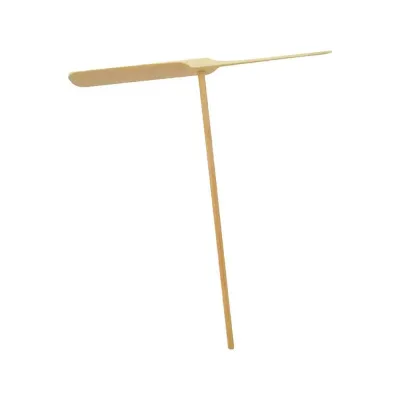
Selecting a high-quality bamboo dragonfly toy (竹蜻蜓) requires looking closely at its physical construction, material safety, and aerodynamic design. This traditional flying toy, which relies on a simple palm-spinning motion to generate lift, must be carefully matched to your child’s age and physical coordination. By prioritizing smooth finishes, symmetrical blades, and robust joints, you can ensure a safe, engaging, and highly educational outdoor play experience.
Quick Guide: Core Selection Criteria for Bamboo Copters
When searching for the perfect bamboo dragonfly, busy parents should focus on four primary evaluation dimensions to ensure safety and performance. These pillars help filter out poorly made novelties and highlight durable, functional toys.
- Smooth Physical Finish: The entire toy must be completely free of splinters, rough grain, or sharp edges that could injure a child's hands during a high-speed launch.
- Blade Angle and Symmetry: The two rotor blades must be identical in weight, shape, and pitch angle to prevent severe wobbling and ensure a stable, high-altitude flight path.
- Stem Length and Thickness: The central rod must match the size of your child's hands, as a stem that is too long or too thin is difficult for younger children to grip and spin effectively.
- Non-Toxic Coatings: Any paint, varnish, or sealant applied to the wood must be certified child-safe and free of volatile organic compounds (VOCs) or heavy metals.
Ultimately, the right toy depends heavily on your child’s current hand strength and motor skills. A model that requires too much torque to launch will lead to frustration, while an overly simplified version may fail to challenge and engage an older child.
Products mentioned in this guide

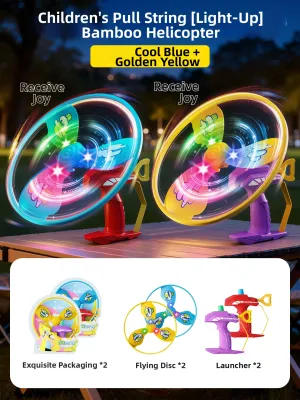
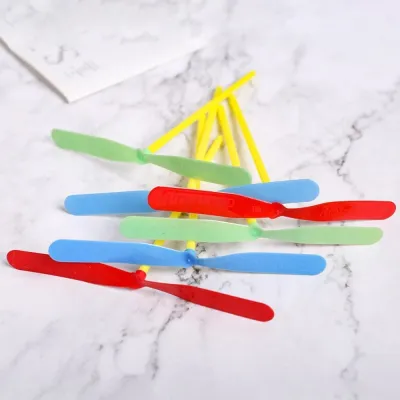
![[ SG SELLER ] LED Luminous Bamboo Dragonfly Flashing Light Up Flying Toy for Children](https://img.lazcdn.com/g/p/7497073fd143852dc3dcecb3123c936c.jpg_400x400q80.jpg_.webp)

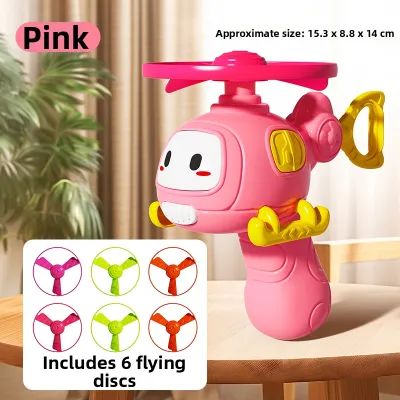
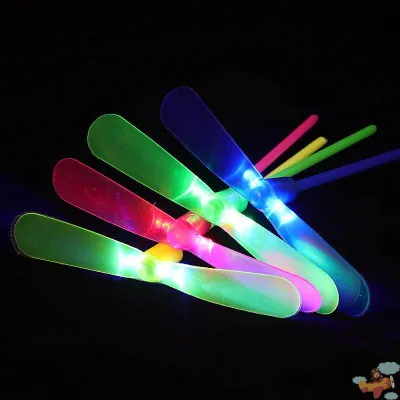
Prices are valid at publication and may change. Please refer to the product page for the latest price.
Safety First: Inspecting Material Quality and Finish
Because traditional bamboo dragonflies are crafted from natural materials, physical safety and material integrity must be your top priorities. Mass-produced wooden toys often bypass rigorous quality control, making a hands-on inspection essential before handing the toy to a child.

Splinter and Edge Check
Before allowing your child to play with a new bamboo copter, run your fingers firmly along the entire length of the stem and around the outer edges of the blades. Bamboo is a fibrous material that can split into incredibly sharp, needle-like splinters if it has not been meticulously sanded. Look for toys that have undergone multi-stage sanding processes, resulting in a smooth, almost satiny texture to the touch. Pay close attention to the tips of the blades and the bottom of the stem, as these are the areas most prone to splitting during manufacturing or shipping.
Non-Toxic Finishes
Children frequently touch their faces or even place toys in their mouths during play, making chemical safety a paramount concern. Verify that any paints, dyes, or protective sealants used on the bamboo are explicitly labeled as non-toxic and child-safe. A reliable quick check is to smell the toy immediately after unpacking it; a strong, pungent chemical odor indicates the use of cheap, industrial varnishes that have not fully off-gassed. Seek out manufacturers that use water-based, food-grade finishes or natural beeswax coatings, which protect the wood without exposing your family to harmful chemical residues.
Joint Integrity
The connection point where the horizontal blades meet the vertical stem is the most critical structural component of the toy. During a rapid launch, this joint experiences significant rotational stress and centrifugal force. Inspect this area to ensure the stem is tightly fitted into the rotor blade, preferably reinforced with a physical mortise-and-tenon joint or a high-quality, non-toxic adhesive. Avoid models where the blade is simply glued flat to the top of the stem with no physical interlocking, as the head can easily detach mid-flight and turn into a dangerous projectile.
Matching Flight Design to Age and Skill Level
Understanding the basic mechanics of a bamboo dragonfly helps you select a design that matches your child’s physical development. The toy operates on the same aerodynamic principles as a helicopter, where the spinning blades push air downward to create upward lift. The ease of generating this lift is directly determined by the physical dimensions of the toy, specifically the stem length, blade width, and overall weight.
To launch the copter, a child must place the stem between their palms and slide one hand forward rapidly, converting linear hand motion into rotational kinetic energy. If the toy is too heavy or the stem is too long, a younger child will struggle to generate the velocity needed for take-off. Conversely, a highly lightweight, small toy will require very little effort, offering less of a physical challenge for older children who want to practice precision launches.
Toddlers and Beginners: Short Stems and Wide Blades
For younger children between the ages of three and six, the primary goal is successful flight with minimal frustration. Toys designed for this age group should feature shorter, thicker stems, typically measuring between 10 and 12 centimeters in length. This thicker profile is much easier for small, developing hands to grip securely, allowing them to practice the palm-rolling motion without the rod slipping out of their grasp prematurely.
Additionally, beginner models should have relatively wide, thin blades made from lightweight bamboo or high-grade, flexible plastics. Wide blades present a larger surface area to the air, which generates substantial lift even at lower rotational speeds. This design allows the toy to take flight with a gentle spin, helping toddlers build confidence as they develop their fine motor skills and hand-eye coordination.
Because these beginner models are designed for low-velocity launches, they typically fly at modest altitudes of two to three meters. This limited flight range makes them much easier for young children to track visually and retrieve safely. It also minimizes the risk of the toy getting stuck on high roofs, in tall trees, or drifting into neighboring properties during outdoor play.
Older Kids and Enthusiasts: Long Stems and Precision Blades
Children aged seven and older possess the hand strength and coordination required to operate more advanced, high-performance bamboo dragonflies. These models feature longer, slender stems, often ranging from 15 to 18 centimeters, which provide a larger surface area for a full, powerful palm stroke. This longer contact zone allows the user to apply torque over a longer duration, resulting in a much faster spin and significantly higher launch velocities.
To complement this high-speed launch, enthusiast models utilize narrower, aerodynamically carved blades with a precise, aggressive pitch angle. These streamlined blades minimize air resistance during the initial spin, allowing the toy to slice through the air and climb to impressive heights, sometimes exceeding ten meters. The reduced drag also extends the hang time, allowing the copter to glide gracefully back to earth in a wide, sweeping descent.
Operating these high-performance models requires a keen sense of spatial awareness and safety judgment. Older children must learn to assess wind direction, clear the immediate launch area of other people, and avoid overhead obstacles like power lines or branches. These toys are strictly intended for open outdoor spaces, such as public parks, sports fields, or open beaches, where they have plenty of room to soar and land safely.
Evaluating Craftsmanship and Long-Term Durability
High-quality traditional bamboo dragonflies are excellent examples of functional woodwork, but their performance relies entirely on the precision of their craftsmanship. Understanding how to spot well-crafted items will save you from purchasing fragile, poorly balanced alternatives that break after just a few flights.
Grain Direction
When evaluating a bamboo stem, look closely at the direction of the natural wood fibers. In high-quality toys, the bamboo grain runs perfectly parallel to the length of the stem. This alignment maximizes the tensile strength of the wood, allowing it to bend slightly under pressure without snapping. If the grain runs diagonally or crosswise across the stem, it creates a severe structural weak point where the wood is highly susceptible to splintering or snapping in half during a vigorous launch.
Blade Symmetry
Aerodynamic balance is the secret to a long, stable flight. Hold the bamboo dragonfly at eye level and look down the length of the blades from the side. Both halves of the rotor must be carved to the exact same thickness, length, and angle of inclination. If one blade is even slightly heavier or carved at a flatter pitch than the other, the resulting aerodynamic forces will be uneven. This imbalance causes the toy to wobble violently in the air, lose energy rapidly, and tumble back to the ground almost immediately after launch.
Moisture and Climate Care
Singapore’s tropical climate, characterized by high relative humidity and warm temperatures, presents a unique challenge for natural bamboo products. Untreated bamboo is highly hygroscopic, meaning it readily absorbs moisture from the surrounding air. This moisture absorption can cause the delicate blades to warp, altering their aerodynamic pitch, or even lead to the growth of unsightly mold and mildew during storage.
To prevent these issues, look for bamboo dragonflies that have been properly dried, carbonized (heat-treated to remove natural sugars and moisture), or sealed with a light, water-resistant protective coating. When storing the toy at home, avoid damp areas like laundry rooms or outdoor corridors. Instead, keep it in a dry, well-ventilated indoor cupboard, away from direct, harsh sunlight which can dry out the bamboo excessively and cause it to crack over time.
Smart Shopping: Where to Buy and Red Flags to Avoid
Finding a durable and safe bamboo dragonfly involves choosing the right purchasing channels and knowing how to spot low-quality manufacturing shortcuts. While these toys are widely available, taking a cautious approach to shopping will ensure you receive a product that lasts.
Recommended Channels
For the best quality, consider purchasing from specialty educational toy stores, traditional craft markets, or reputable online marketplaces. Specialty stores often curate their inventory carefully, selecting brands that adhere to international toy safety standards. If shopping on online marketplaces, focus on listings that provide multiple high-resolution photos showing close-up details of the wood grain, sanding quality, and joint connections, rather than relying solely on stylized promotional graphics.
Red Flags
Be highly skeptical of extremely low-priced bulk packages, which often retail for just a few dollars for a dozen toys. To achieve these low price points, manufacturers almost always skip the crucial final sanding stages, leaving the stems rough and prone to splintering. Other common red flags include uneven or peeling paint, visible glue squeeze-out at the joint, and flimsy, non-protective packaging that allows the delicate blades to warp or snap during transit. A toy that arrives bent or structurally compromised will never fly straight.
Verification
Before making a purchase, take the time to read through customer reviews, filtering for feedback that specifically mentions physical attributes rather than just aesthetic appeal. Look for reviews that use terms like “smooth finish,” “splinter-free,” “stable flight,” and “durable construction.” If multiple buyers report that the stem snapped on the first day or that the toy wobbled excessively, it is a clear sign that the product lacks the necessary structural integrity and aerodynamic balance.
Frequently Asked Questions (FAQ)
How to Fix a Bamboo Dragonfly That Wobbles in Flight
A wobbly flight path is almost always caused by an aerodynamic imbalance or a slight warping of the blades. To troubleshoot this, first inspect the toy for any visible cracks along the blades or a loose connection at the central joint. If the structure is sound, you can attempt to correct the blade pitch by holding the center joint firmly and applying very gentle, even pressure to bend the warped blade back into alignment. Always handle the wood with care, as applying too much force will snap the dry bamboo. If you discover a physical crack in the blade or if the joint has become loose and unstable, the toy should be retired immediately to prevent it from breaking apart mid-flight.
Is a Bamboo Copter Safe for Indoor Play?
While it is technically possible to play with a bamboo copter indoors, doing so requires strict limitations to prevent damage and injury. Only lightweight, short-stem beginner models designed for low-altitude flights should ever be used inside the home. Before launching, you must clear the room of any fragile decorations, exposed light bulbs, and running ceiling fans, which can easily shatter the bamboo blades upon impact. Furthermore, adult supervision is absolutely mandatory to ensure that children do not launch the toy directly toward their own faces, pets, or other family members, as a spinning blade can cause painful pokes to the eyes or skin.
Community discussion
Share your experience or ask a question. Comments are reviewed before publication.