
Selecting the right basketball bag in Singapore requires balancing storage capacity with the realities of a tropical climate and a commuter-heavy lifestyle. Whether you are taking the MRT to an indoor sports hall or walking to a neighborhood outdoor court, your bag must protect your gear from sudden downpours while keeping sweaty shoes and apparel isolated. A well-designed basketball bag does more than carry your gear; it organizes your training essentials, protects your investment in high-performance court shoes, and ensures you can travel comfortably across the island.
Assess Your Daily Training Gear Needs
Before looking at specific bag designs, inventory the exact items you carry to your training sessions. A standard basketball loadout typically centers on three bulky items: a size 7 basketball, a pair of court shoes, and a large water bottle. If you play in high-top shoes, they will occupy significantly more physical volume than low-profile running shoes, requiring a deeper shoe compartment. Your water bottle also demands consideration; Singapore’s heat requires constant hydration, meaning you likely carry an insulated stainless steel flask of 1 liter or more, which is both heavy and bulky.
Beyond these core items, consider your supplementary gear. Daily training often requires athletic tape, ankle braces, knee sleeves, a microfiber towel, and a complete change of clothes for after the session. You also need secure, dry storage for personal electronics, keys, a wallet, and perhaps a transit card for quick access at fare gates.
Products mentioned in this guide
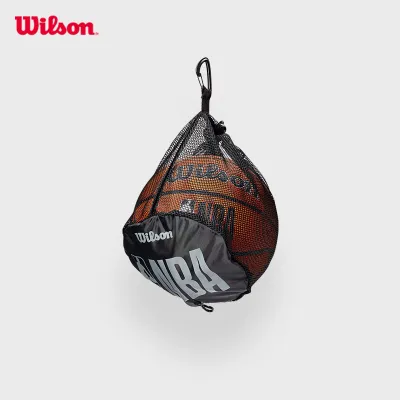
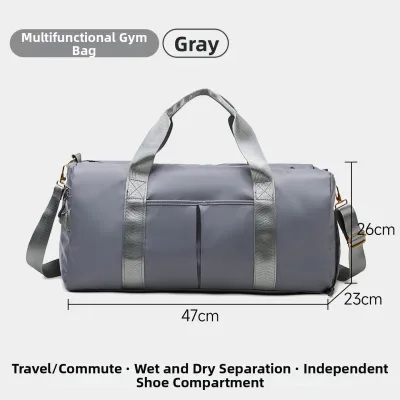
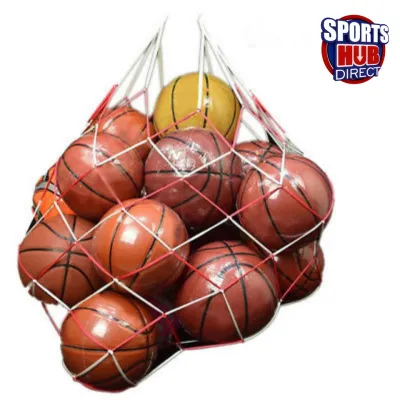
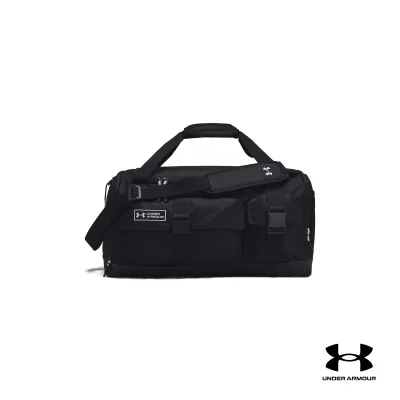
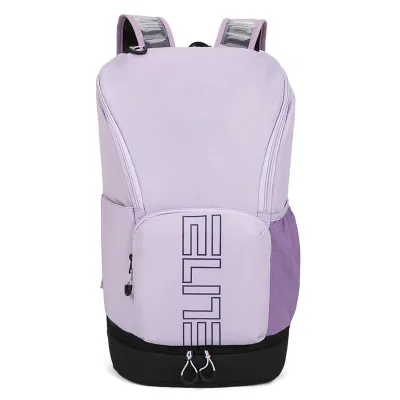
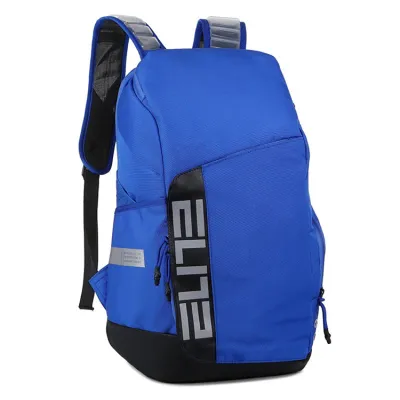
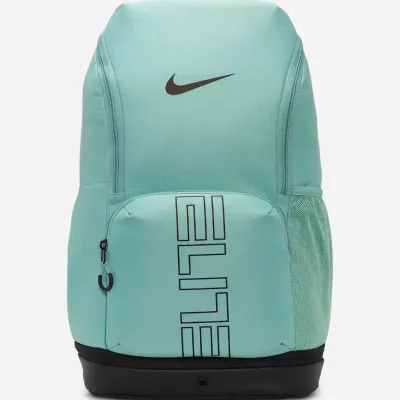
Prices are valid at publication and may change. Please refer to the product page for the latest price.
Categorizing your loadout helps determine your baseline capacity. A “light” loadout consists of just your shoes and personal items, assuming the basketball is provided at the court. A “standard” loadout includes shoes, a basketball, a water bottle, and a change of clothes. A “heavy” loadout adds training aids, resistance bands, recovery gear, toiletries, and perhaps a laptop or tablet if you are commuting directly from school or work. Matching your category to the bag’s design prevents you from buying an oversized, cumbersome bag or a cramped one that strains its zippers.
Key Features to Look for in a Basketball Bag
A dedicated basketball bag is engineered specifically to handle the unique shapes and hygiene challenges of basketball gear, setting it apart from generic duffels. The most critical distinction is the separation of dirty, high-friction gear from clean items.

A dedicated shoe compartment is essential. Basketball shoes collect court dust, outdoor grime, and intense moisture during play. Placing them in the same compartment as your clean post-game clothes or towel leads to dirt transfer and odor absorption. Look for a compartment that is physically isolated, ideally with a structured wall that prevents the shoes from shifting and crushing other items.
An external or internal basketball sleeve or mesh pocket is another defining feature. A standard basketball is a rigid sphere that takes up a massive amount of internal volume. A bag with a dedicated ball pocket—whether it is an expandable front mesh pouch, a zippered bottom compartment, or an internal hammock—keeps the ball secure. This prevents it from rolling around inside the bag and crushing delicate items like your phone, sunglasses, or snacks.
Additionally, specialized pockets for wet gear and secure hydration are vital. A wet pocket lined with waterproof material allows you to isolate your sweat-soaked jersey and towel, preventing moisture from seeping into the main compartment. Dedicated, reinforced bottle pockets keep heavy flasks upright and external to the main storage, eliminating the risk of a leaky cap ruining your electronics.
Capacity and Compartment Layout
When evaluating a bag’s capacity, do not rely solely on the manufacturer’s stated liter (L) volume. A 35-liter bag designed for hiking has a very different shape and internal layout than a 35-liter bag designed for court sports. For basketball, you need to check how that volume is distributed.
Ensure the physical dimensions of the shoe compartment can accommodate your specific shoe size. High-top basketball shoes in larger sizes (such as US 11 and above) have high collars and wide outsoles that can easily overwhelm a generic shoe pocket. If the shoe compartment is internal, check if inserting your shoes completely robs the main compartment of its usable space. The best designs utilize an expandable lining that adjusts based on whether the shoe pocket is full or empty.
The balance between the main compartment and secondary pockets determines how organized you will be on the court. Look for a bag that offers a clear hierarchy of storage. The main compartment should easily hold your clean clothes and towel, while secondary pockets should be easily accessible. Quick-access pockets on the top or sides of the bag are invaluable for storing items you need to grab quickly, such as your phone, keys, whistle, or transit card, without having to dig through sweaty gear.
Ventilation and Moisture Management
Singapore’s high humidity and warm temperatures create an environment where mold, mildew, and bacteria thrive on damp fabrics. If you trap sweat-soaked jerseys and damp court shoes in an unventilated bag, odors will develop rapidly, and the materials will degrade over time.
When selecting a bag, inspect the shoe and wet-gear compartments for active ventilation features. Look for mesh panels, metal grommets, or laser-cut ventilation holes that allow air to circulate. This airflow helps evaporate moisture from your shoes and damp gear during your commute home, significantly reducing the risk of mildew and persistent odors.
The interior lining material is equally important for long-term hygiene. Verify that the inner compartments feature wipe-clean, non-porous materials such as thermoplastic polyurethane (TPU) or polyurethane (PU) coated linings. These materials prevent moisture and sweat from soaking into the fabric fibers of the bag itself. Some manufacturers also apply odor-resistant or antimicrobial treatments to the interior linings; check the product labels or specifications to verify these features, as they provide an extra layer of defense against bacterial buildup.
Material and Durability for Singapore's Climate
The tropical climate of Singapore demands materials that can withstand both intense UV exposure and sudden, heavy downpours. Your basketball bag must protect your gear from the elements while resisting wear and tear from rough court-side surfaces.
Water resistance is a primary consideration. Look for bags constructed from high-density fabrics, such as 600D (denier) to 1680D polyester or nylon, which offer inherent water resistance and high tear strength. Check if the fabric has been treated with a Durable Water Repellent (DWR) coating. Additionally, inspect the zippers; water-resistant zippers with TPU coatings or fabric storm flaps over the zipper tracks are crucial for preventing rainwater from seeping through the teeth during a sudden afternoon monsoon.
The durability of the bag’s base is another critical factor. Basketball bags are frequently set down on abrasive outdoor concrete courts, damp grass, or dusty sports hall floors. Look for a reinforced bottom panel made from heavy-duty, waterproof materials like tarpaulin, thermoplastic elastomer (TPE) coated polyester, or heavy-duty ballistic nylon. These materials are easy to wipe clean after a session and prevent ground moisture from seeping upward into your gear.
Finally, examine the hardware and stitching. The heavy load of a basketball, shoes, and water bottle puts immense stress on the bag’s seams and carrying straps. Look for bartack reinforcement—tight, repeating zig-zag stitching—at key stress points where the straps meet the body of the bag. Ensure the zippers are robust, with large, smooth-gliding teeth that will not easily catch or split under tension, and check that plastic or metal buckles feel solid and durable.
Carrying Styles and Ergonomics
How you transport your gear to the court dictates the best carrying style for your needs. Your commute method—whether you walk, ride a bicycle, take public transit, or drive—should guide your choice between a backpack, a duffel bag, or a wheeled option.
Backpacks are generally the most versatile and ergonomic choice for daily training, especially for those commuting via the MRT or bus. They distribute weight evenly across both shoulders, keeping your hands free. When choosing a backpack, verify that the shoulder straps are wide, contoured, and padded with high-density EVA foam or air-cushioned inserts to prevent them from digging into your shoulders. Back panel ventilation is also crucial; look for molded foam channels covered in breathable air mesh to allow airflow against your back, minimizing the “sweaty back” effect during warm commutes. A sternum strap is a highly beneficial addition, as it stabilizes the load and prevents the shoulder straps from slipping.
Duffel or messenger-style bags offer a classic sports aesthetic and are highly convenient if you travel primarily by car or taxi, where you can easily toss the bag into the trunk or backseat. They provide a wide, top-loading opening that makes it easy to see and access all your gear at once. When evaluating a duffel, assess the shoulder strap width and the thickness of the non-slip shoulder pad. A thin, unpadded strap carrying a heavy basketball and water bottle will quickly cause discomfort.
Wheeled options are less common but highly practical for coaches, trainers, or players carrying exceptionally heavy training gear, multiple basketballs, or recovery equipment. They eliminate physical strain on your back and shoulders entirely. However, before choosing a wheeled bag, consider the terrain you will encounter. Singapore’s urban environment has many curbs, pedestrian overhead bridges with stairs, and occasional unpaved paths around outdoor courts, which can make dragging a wheeled bag inconvenient. Additionally, wheeled bags are bulkier and more difficult to store in tight court-side spaces or locker rooms.
Pre-Purchase Checklist and Where to Buy
To ensure you select a basketball bag that perfectly fits your routine, perform a thorough verification before making your final purchase. If you are shopping in person, the most effective test is to bring your actual training gear—specifically your court shoes and your basketball—to the store. Place them inside the bag to verify that the compartments accommodate your gear without stretching the seams or compressing other pockets. Put the fully loaded bag on your back or shoulder to assess how the weight distributes and whether the straps feel comfortable against your body.
If you are purchasing online, rely on careful verification of the manufacturer’s specifications. Measure your shoes and compare them against the stated dimensions of the shoe compartment. Check the empty weight of the bag; a bag that is heavy before you even put gear inside will quickly become tiring to carry. Read the material care instructions to ensure they align with your maintenance preferences, and carefully review the retailer’s return policy in case the bag does not meet your expectations upon arrival.
When choosing where to buy, prioritize authorized retail channels to ensure you receive a genuine product and a valid manufacturer’s warranty. Purchase directly from brand official stores, reputable local sporting goods retailers, or established online marketplaces that offer buyer protection. Avoid unauthorized third-party sellers, as counterfeit bags often use inferior fabrics, weak stitching, and low-grade zippers that will quickly fail under the demands of regular training.
Frequently Asked Questions (FAQ)
How do I clean and maintain my basketball bag to prevent odors? (FAQ)
Maintaining your basketball bag requires a consistent routine to prevent the buildup of sweat-induced odors and bacteria. The most important step is routine airing: never leave your damp court shoes, sweaty jerseys, or used towels inside your bag overnight. Empty the bag immediately after returning from training, open all the zippered compartments fully, and allow the bag to air out in a well-ventilated indoor area away from direct, intense sunlight.
For cleaning, always refer to the manufacturer’s care label. In general, avoid machine washing or submerging your basketball bag in water, as this can strip away the water-resistant DWR coatings and damage the structural padding. Instead, spot clean the exterior and interior linings using a soft cloth or sponge dipped in warm water mixed with a small amount of mild, pH-neutral soap. Gently wipe down dirty areas, rinse the cloth with clean water to wipe away any soap residue, and allow the bag to air dry completely before using it again.
Can I use a regular gym bag instead of a specific basketball bag? (FAQ)
While you can temporarily use a regular gym bag, you will likely encounter functional gaps that make it less practical for daily basketball training. Generic gym bags often lack a dedicated, ventilated shoe compartment, forcing you to place dirty court shoes in the main compartment where they can soil your clean clothes. They also rarely feature a specialized sleeve or pocket to secure a basketball, causing the ball to roll around, shift the bag’s weight distribution, and crush other items inside.
A standard gym bag may suffice if you carry minimal gear—such as when you wear your court shoes to the court and do not need to carry a basketball. However, for regular training where you need to manage sweaty gear, isolate dirty shoes, and transport a basketball comfortably, upgrading to a dedicated basketball bag provides the organization, ventilation, and durability required to protect your gear and simplify your commute.
Community discussion
Share your experience or ask a question. Comments are reviewed before publication.