
Finding a reliable fishing rod hard case is the most effective way for a beginner to protect their gear from accidental damage during transit. Unlike soft bags, a quality hard case prevents delicate rod blanks, fragile guides, and reel seats from being crushed, bent, or snapped. For those starting out, the ideal hard case does not need to be an expensive, heavy-duty flight container designed for international expeditions. Instead, a beginner-friendly case should focus on three essential elements: an accurate internal length that matches your longest rod section, a secure and easy-to-use latching system, and a manageable carry weight that makes transport comfortable. By prioritizing these core features, you can safeguard your equipment without overcomplicating your setup or overspending.
Essential Dimensions and Protection Features to Check
Selecting the right hard case requires a clear understanding of materials and physical dimensions. Not all hard cases offer the same level of protection, and choosing the wrong size or material can lead to damaged gear or unnecessary carrying fatigue.
Material and Shell Rigidity
When browsing options, you will encounter several common materials used in hard case construction. Each material has distinct characteristics that affect its weight, durability, and protective capabilities:
Products mentioned in this guide
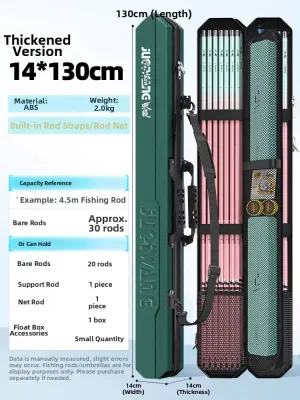
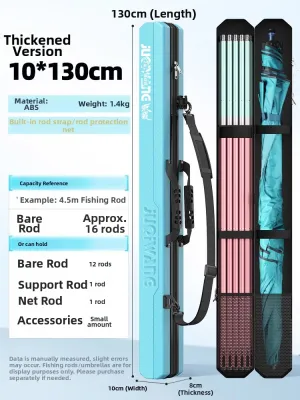
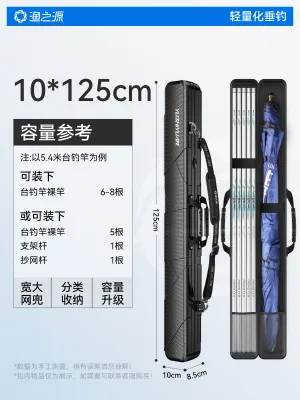
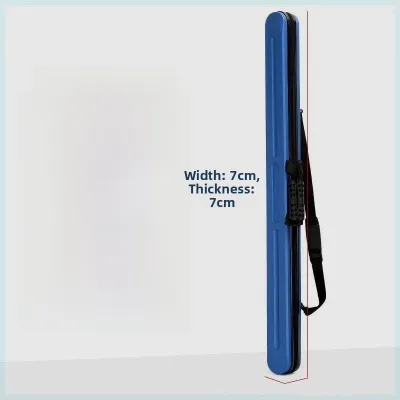
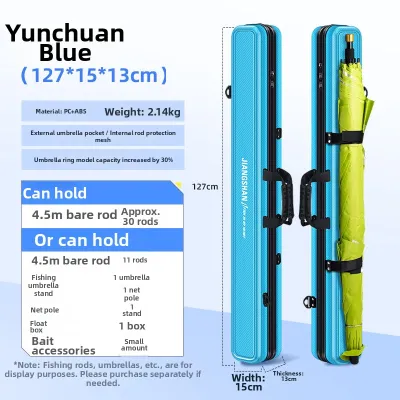
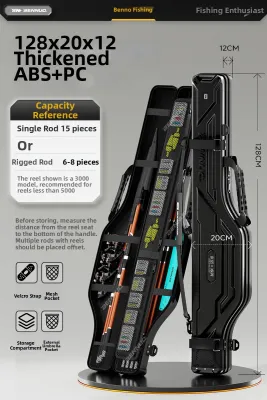
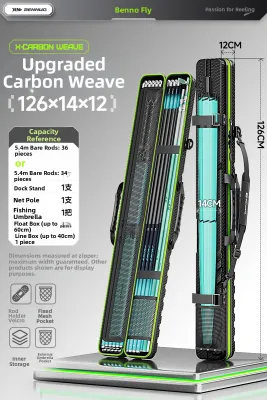
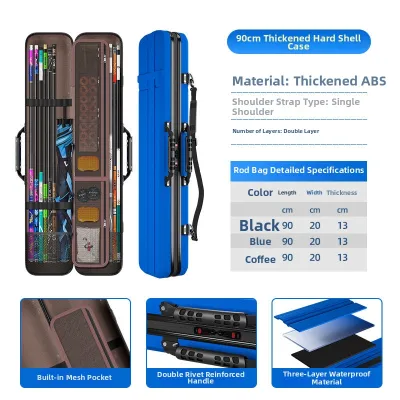
Prices are valid at publication and may change. Please refer to the product page for the latest price.
- ABS Plastic: Acrylonitrile butadiene styrene (ABS) is a highly popular choice for beginner cases. It offers excellent impact resistance, is relatively lightweight, and can withstand moderate drops without cracking.
- PVC (Polyvinyl Chloride): Often used in cylindrical tube designs, heavy-duty PVC provides exceptional crushing resistance. While highly durable, thick PVC tubes can be significantly heavier than ABS alternatives.
- Aluminum: Aluminum cases offer high structural rigidity and a premium look. However, they are prone to denting upon impact, are generally heavier, and typically carry a higher price tag.
Rather than assuming all hard cases are equally tough, check the manufacturer’s specifications for material thickness and impact ratings. A quality case should feel rigid when compressed by hand; if the sides flex easily under light pressure, the case may not provide sufficient protection against heavy loads.
Internal Dimensions and Capacity
Before purchasing, you must measure your fishing rods accurately. Never rely solely on the external dimensions listed on a product page, as the internal usable space is always shorter due to padding and end-cap construction:
- Measure the Collapsed Length: For multi-piece rods, disassemble the rod and measure the longest single section, including any protective caps or guide covers.
- Account for the Tip: The rod tip is the most fragile part. Ensure the internal length of the case offers at least 3 to 5 centimeters of clearance beyond your longest rod section to prevent the tip from pressing against the end cap.
- Evaluate Internal Dividers: Look for cases that feature internal dividers, built-in tubes, or integrated straps. These features prevent multiple rod sections from rubbing against one another during transport, which can scratch the finish or damage guide inserts.
Weight and Portability
There is a direct trade-off between the level of protection a case offers and its ease of transport. A massive, heavily armored case might offer maximum security, but it can quickly become a burden if you have to carry it long distances to your fishing spot:
- Check the Empty Weight: Verify the weight of the case before adding your gear. A case that is heavy on its own will only become more tiring to carry once loaded with rods and reels.
- Assess the Carrying Options: Look for a molded, ergonomic handle that balances the weight of the case evenly. For longer walks, a padded, adjustable shoulder strap is highly beneficial to keep your hands free for other gear.
- Examine Attachment Points: Ensure that the D-rings or strap mounts are securely molded or bolted into the case body rather than simply glued on, as weak attachment points can fail under load.
Adapting Your Choice to Local Transport and Fishing Conditions
Your choice of a hard case should align with how you travel and where you plan to fish. The urban landscape and tropical climate of Singapore introduce specific challenges that require careful consideration.

Public Transit and Compact Storage
If you rely on public transport such as MRT trains or buses to reach your fishing destinations, carrying a massive, one-piece rod tube can be highly inconvenient and may restrict your mobility in crowded spaces:
- Opt for Multi-Piece Setups: Consider using 3-piece, 4-piece, or telescopic travel rods. These rods collapse into much shorter lengths, allowing you to use a compact hard case that fits easily into a backpack or can be carried vertically without obstructing other passengers.
- Check Transit Regulations: Keep in mind that public transport operators may have size limits for oversized luggage. A compact case measuring under 1 meter is generally much easier to manage on daily commutes than a full-length 2-meter rod tube.
Climate and Humidity Checks
Singapore’s high year-round humidity and frequent rain can create a challenging environment for stored fishing gear. If moisture becomes trapped inside a sealed hard case, it can quickly lead to mold growth, musty odors, and accelerated corrosion on metal components:
- Look for Ventilation Features: Some cases feature small, water-resistant vents that allow air circulation while keeping rain out.
- Evaluate Interior Lining: Avoid cases with thick, non-removable felt or carpet linings that absorb moisture easily. Instead, look for high-density EVA foam inserts that do not retain water and can be easily wiped dry.
- Use Desiccants: Placing reusable silica gel packets inside your case is a simple, practical way to absorb excess moisture and protect your guides and reel seats from rust.
Environment-Specific Needs
Where you fish determines the level of environmental protection your case hardware requires. Freshwater and saltwater environments demand different material considerations:
- Freshwater Reservoirs: If you primarily fish at designated freshwater reservoirs, a standard hard case with basic plastic or painted metal latches is usually sufficient, as exposure to corrosive elements is minimal.
- Coastal and Saltwater Sites: If you frequent jetties, shorelines, or offshore boating trips, saltwater spray will quickly corrode standard metal hardware. For these environments, prioritize cases with heavy-duty plastic latches, stainless steel hinges, or brass hardware that resists rust.
Pre-Purchase Checklist: Verifying Fit and Hardware
Before finalizing your purchase, use this practical checklist to ensure the hard case is fully compatible with your gear and built to last.
Measuring and Test-Fitting
- Verify Guide Clearance: The first guide on a spinning rod (the stripper guide) is often quite large and stands far off the blank. Ensure the internal width or diameter of the case can accommodate this guide without forcing or bending it.
- Check Reel-On Compatibility: Decide if you want to transport your rods with the reels attached. If so, you will need a specialized hard case with an expanded reel pouch. Measure the widest point of your reel to ensure it fits within the designated compartment.
- Confirm Section Alignment: When placing multiple rod sections in a single tube, ensure they can be staggered so that the guides do not press directly against neighboring blanks.
Inspecting Internal Padding
- Look for End-Cap Cushioning: The top and bottom of the case should feature thick foam padding to absorb vertical shocks if the case is dropped upright.
- Check for Securing Straps: High-quality cases include adjustable Velcro straps along the interior walls to hold individual rod sections firmly in place, preventing them from sliding back and forth.
- Assess Foam Quality: Press the internal foam inserts; they should feel firm and spring back quickly. Soft, low-density packaging foam degrades rapidly and offers minimal long-term protection.
0
Evaluating Latches and Hinges
- Inspect the Latches: Latches should close with a distinct, positive snap. Avoid flimsy plastic clips that can easily pop open if the case is bumped or dropped.
- Examine the Hinges: Look for reinforced, full-length piano hinges or heavy-duty molded hinges with metal pins. Weak hinges are a common failure point on budget cases.
- Check for Security Features: If you plan to store your gear in shared spaces or travel with it, ensure the case has dedicated padlock holes or integrated locking latches to prevent unauthorized access.
Building a Reliable Shortlist on a Beginner Budget
Navigating online marketplaces and local tackle shops can be overwhelming. By knowing what to look for and where to compromise, you can find a dependable case that fits your budget.
Evaluating Product Listings
When shopping on online marketplaces, product descriptions can sometimes be misleading or incomplete. Watch out for these common red flags:
- Vague Material Descriptions: Avoid listings that simply state "hard plastic" without specifying the exact material (such as ABS or high-density polyethylene).
- Missing Internal Dimensions: If a listing only provides external measurements, ask the seller for the exact internal length and diameter before buying.
- Unrealistic Protection Claims: Be skeptical of budget cases marketed as "indestructible" or "completely waterproof" unless they back up these claims with specific IP ratings or material certifications.
Balancing Budget and Protection
As a beginner, you do not need to buy the most expensive case on the market. You can save money by making smart compromises while keeping core protection intact:
- Where to Compromise: You can safely compromise on aesthetic finishes, custom color options, built-in wheels, or extra external accessory pockets. These features add convenience but do not directly improve the safety of your rods.
- Where Never to Compromise: Never compromise on shell rigidity, latch security, or internal end-cap padding. A cheap case with a flexing shell or weak latches is highly likely to fail, potentially costing you far more in damaged rods.
Verifying Seller Reliability
To ensure a smooth purchasing experience, take a few minutes to verify the credibility of the seller or shop:
- Read User Reviews: Look for reviews that specifically mention transit experiences, drops, or hardware durability. Pay attention to any recurring complaints about broken latches or cracked shells.
- Check the Return Policy: Ensure the seller offers a clear return or exchange policy in case the product arrives damaged or does not match the advertised dimensions.
- Inquire About Warranty: Some reputable brands offer limited warranties on hardware components like latches and handles, which provides excellent peace of mind for beginners.
Simple Maintenance to Extend Case and Gear Life
Taking proper care of your hard case ensures it continues to protect your gear effectively for years to come. Simple, routine maintenance prevents damage to both the case and the rods stored inside.
Cleaning and Drying
- Wipe Down the Exterior: After every fishing trip, use a damp cloth to wipe away dirt, mud, and salt residue from the outside of the case.
- Dry the Interior Completely: Never store your rods in a closed, damp case. When you return home, open the case fully and leave it in a well-ventilated, shaded area to dry completely.
- Clean Foam Inserts: If the internal foam inserts become damp or dirty, remove them (if possible) and wash them gently with mild soap and fresh water, allowing them to air dry completely before reinserting.
Hardware Care
- Rinse Away Debris: Salt, sand, and grit can accumulate in latches, hinges, and zipper tracks. Rinse these moving parts with fresh water after trips to coastal areas.
- Apply Lubrication: Periodically apply a small amount of silicone spray or manufacturer-approved lubricant to metal hinges and latches to keep them operating smoothly and prevent rust.
- Avoid Harsh Chemicals: Do not use strong solvents or abrasive cleaners on plastic shells, as these can degrade the material and make it brittle over time.
Routine Inspections
- Check for Micro-Cracks: Periodically inspect the outer shell, especially around stress points like handles, hinges, and corners, for any signs of hairline cracks.
- Inspect Fasteners: Check any screws, rivets, or bolts holding the hardware in place to ensure they have not worked loose over time.
- Monitor Foam Degradation: Ensure the internal padding remains firmly attached and has not begun to crumble or lose its cushioning ability.
Frequently Asked Questions (FAQ)
Can I use a hard case for both spinning and baitcasting rods?
Yes, most hard cases can accommodate both spinning and baitcasting rods, provided the internal diameter is wide enough. Spinning rods feature larger guide rings that stand further off the blank, which requires more lateral space inside the case. If you plan to store your rods with the reels attached, you must ensure the case has a dedicated, widened reel compartment that matches the specific profile of your spinning or baitcasting reel.
Do I need a pressure-release valve for air travel?
If you plan to travel by air with your fishing gear, a pressure-release valve is highly recommended. As cabin pressure changes during a flight, a sealed case can experience a vacuum effect, making it extremely difficult to open or causing the shell to deform and crack. A pressure-release valve equalizes the internal and external air pressure automatically. If you only plan to travel by car, bus, or train locally, a pressure-release valve is not necessary.
How do I prevent my reels and guides from scratching inside the case?
To prevent cosmetic and structural damage inside the case, use individual fabric rod sleeves or mesh socks over each rod section before placing them inside. This prevents the blanks and guides from rubbing against each other. Additionally, utilize the built-in Velcro straps to secure each section firmly so they cannot slide. If your case does not have built-in dividers, you can wrap fragile areas, such as the guides, in soft microfiber cloths for added protection.
Community discussion
Share your experience or ask a question. Comments are reviewed before publication.