
Selecting the right cheerleading flagpole is a foundational decision that directly shapes the safety, execution, and visual impact of a performance. A well-chosen pole acts as an extension of the athlete’s body, allowing for seamless transitions between high-flying tosses, rapid spins, and dramatic ground work. To find the ideal equipment, you must balance the physical dimensions of the pole with your own physical capabilities, ensuring you can maintain complete control under dynamic conditions.
Evaluating a flagpole requires looking closely at three primary specifications: material composition, total length, and handle grip. Each of these elements directly affects the leverage, weight distribution, and handling security of the equipment during high-intensity sequences. By matching these specifications to your current skill level and the specific demands of your choreography, you can minimize physical fatigue and reduce the risk of dropped gear or training injuries.
Understanding Your Routine Needs Before Choosing
Before comparing technical specifications, you must analyze the specific role the flag plays within your choreography. Cheerleading routines utilize flags in diverse ways, ranging from static visual framing during stunts to highly dynamic, fast-paced sequences featuring complex tosses and continuous spins. The physical demands of these movements dictate the type of equipment required to execute them safely and cleanly.
Products mentioned in this guide
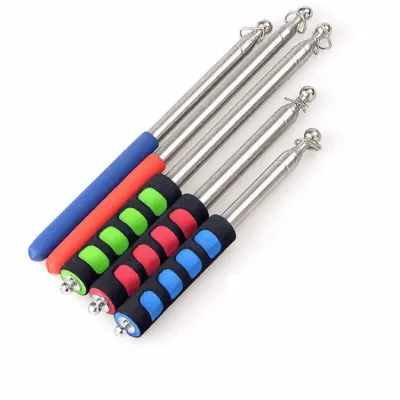
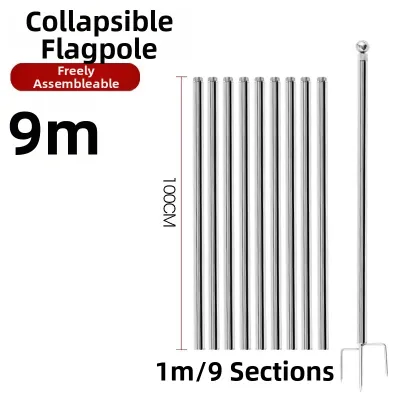
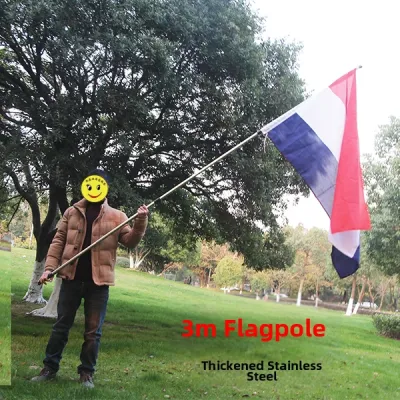
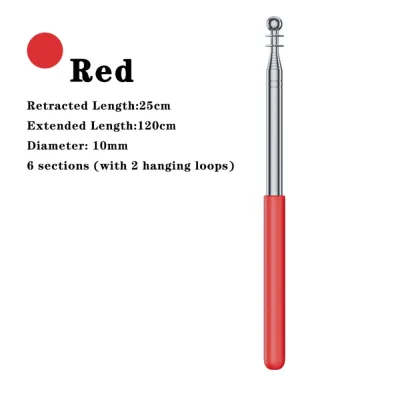
Prices are valid at publication and may change. Please refer to the product page for the latest price.
For routines heavy on ground work and synchronized framing, a slightly heavier or longer pole may be acceptable, as the primary goal is maximum visual presence. Conversely, fast-tempo routines that require rapid direction changes, body passes, and high tosses demand a highly agile setup. Using a pole that is too heavy or poorly balanced for fast-paced choreography leads to rapid wrist and forearm fatigue, which compromises performance precision.
Physical safety is another critical driver when selecting your gear. When an athlete uses equipment that exceeds their current strength or skill level, the likelihood of dropped poles and mistimed catches increases significantly. Proper equipment selection serves as a preventative safety measure, ensuring that the cheerleader can focus on choreography and spatial awareness rather than struggling against the physical weight of the pole.
Ultimately, the ideal flagpole balances maximum visual impact with the athlete’s ability to control it comfortably. Beginners should prioritize ease of handling and control, while advanced performers can transition to specifications that offer greater visual range or specialized flexibility. Understanding this balance ensures that your gear supports your progression rather than hindering your athletic development.
Evaluating Flagpole Materials for Weight and Durability
The material composition of a flagpole determines its total weight, flexibility, and resistance to structural failure. Because cheerleading poles are subjected to high-velocity impacts, sudden stops, and repeated drops onto hard surfaces, selecting a material that matches your training environment is essential.

- Aluminum Poles: Aluminum is highly favored for its exceptional strength-to-weight ratio. These poles provide a rigid feel with minimal bend, offering highly predictable handling during rapid spins and directional changes. They are excellent for precise, high-speed work, though they can dent if dropped repeatedly on concrete or unpadded gym floors.
- Fiberglass Poles: Fiberglass offers a distinct combination of structural flexibility and high durability. It can absorb significant impact energy without bending permanently or breaking, making it highly resilient during intense practice sessions. However, fiberglass is generally heavier than aluminum, which may accelerate fatigue during long training blocks.
- Reinforced Plastics: Often used for training or budget-conscious programs, reinforced composite plastics are lightweight and highly forgiving. While they offer excellent flexibility, lower-grade plastics can warp under extreme heat or lose their structural integrity over extended periods of heavy use.
When evaluating these options, always check the manufacturer’s technical specifications for the exact weight in grams or ounces, as well as any impact-resistance ratings. Do not rely solely on the material name, as wall thickness and manufacturing quality vary widely between brands. A high-quality pole will explicitly list its weight distribution to help you assess how it will behave mid-air.
You must avoid using makeshift or non-sporting alternatives, such as standard wooden dowels or PVC pipes sourced from hardware stores. These materials are not engineered to withstand the multi-directional forces of athletic routines. They lack proper weight distribution and are highly prone to splintering, cracking, or shattering under stress, posing a severe risk of injury to the user and surrounding athletes.
Choosing the Right Flagpole Length for Your Skill Level
Selecting the correct flagpole length is a matter of managing leverage and physical control. The overall length of the pole dictates the visual footprint of your routine, but it also alters the physics of every spin and toss you execute.
- The Physics of Leverage: As a pole increases in length, its center of gravity moves further from your body, requiring substantially more core strength, shoulder stability, and wrist control to maneuver. A longer pole creates a spectacular visual sweep, but it demands precise timing and physical power to stop or redirect mid-motion.
- Shorter Poles (Under 1.5 Meters): These are highly recommended for beginners, younger athletes, or routines performed in venues with limited ceiling clearance. Shorter poles minimize the leverage force exerted on the wrists, allowing athletes to focus on mastering clean hand transitions and basic spin mechanics.
- Longer Poles (1.8 Meters and Above): Best suited for advanced athletes with established upper-body strength and refined technique. These poles maximize visual projection across large performance venues but require advanced coordination to prevent the tip from clipping the floor during low-sweeping patterns.
To test the balance point of a pole relative to your physical height, stand upright and hold the pole at its designated grip area. The balance point should feel intuitive, allowing you to tilt and rotate the pole with your wrist without feeling an excessive downward pull on either end. If the pole feels front-heavy or forces your shoulder into an unnatural, tense position, the length or weight distribution is likely incorrect for your current physical build.
Before finalizing any purchase, always verify the equipment guidelines of your specific league, school, or competition governing body. Many athletic associations enforce strict regulations regarding maximum pole lengths and tip configurations to ensure safety and fair competition. Checking these rules early prevents investing in equipment that cannot be used during official performances.
Selecting the Best Grip and Handle Features for Secure Control
The grip interface is your only point of physical contact with the flagpole, making it a critical factor in performance security. During high-speed routines, a secure handle prevents slippage, ensures precise release angles, and protects the hands from friction wear.
- Textured Wraps and Coatings: Look for handles featuring high-traction rubberized coatings or embossed textures. These designs increase the friction coefficient between your hand and the pole, reducing the grip strength required to maintain control during fast rotations.
- Ergonomic Contours: Some advanced poles feature subtle diameter variations along the handle area to guide correct hand placement. This tactile feedback helps athletes quickly locate the optimal control zones without needing to look down during complex choreography.
- Moisture Management: High physical exertion paired with warm training environments—such as indoor sports halls or outdoor fields in tropical climates like Singapore—will inevitably lead to sweaty hands. Grips made from non-porous, slip-resistant materials are vital to prevent the pole from sliding out of alignment mid-routine.
The tactile feel of the handle should offer a secure hold without causing excessive friction that leads to blisters. Avoid grips that leave a sticky or tacky residue on your hands, as this can interfere with subsequent partner stunts, pyramid transitions, or tumbling passes where clean hand contact is mandatory.
Whenever possible, test the grip feel in person prior to purchasing, or thoroughly review verified user feedback concerning long-term slip resistance. Pay close attention to how the grip material behaves when wet, and check if the manufacturer offers replaceable grip wraps to extend the usable life of the pole.
Final Verification and Basic Maintenance
Before introducing any new flagpole to a live practice or performance, you must conduct a thorough physical inspection to ensure the equipment is safe for athletic use.
- Pre-Purchase Physical Checklist:
- Inspect the entire length of the pole for any sharp edges, burrs, or manufacturing defects that could cut hands or snag uniforms.
- Verify that the flag attachment mechanism (such as heavy-duty clips, integrated sleeves, or tie-downs) is robust, smooth, and securely anchored to the pole.
- Hold the pole at its intended contact points to ensure the weight feels balanced and does not pull excessively to one side.
- Low-Risk Maintenance: After every training session, wipe down the grip and the pole shaft with a clean, dry, or slightly damp microfiber cloth. This simple step removes accumulated sweat, skin oils, and chalk, preventing the gradual degradation of rubberized grips and keeping the surface clean.
- Storage Conditions: Store your poles in a dry, temperature-controlled environment away from direct sunlight. Avoid leaving equipment inside a hot car trunk, as extreme heat can warp synthetic composite materials, weaken adhesive bonds, and cause rubberized grips to become sticky or peel away.
- Stop Conditions: Regularly inspect your gear for signs of structural fatigue. If you detect any deep cracks, permanent bends, splintering, or if the grip tape begins to peel and slip significantly, discontinue use immediately. Do not attempt to repair a structurally compromised pole with tape; replace the equipment to prevent dangerous failures during high-velocity maneuvers.
Frequently Asked Questions (FAQ)
Can I use a standard parade flagpole for cheerleading routines?
Standard parade poles are engineered primarily for slow, upright marching and formal presentations, meaning they lack the specific engineering required for cheerleading. They do not feature the balanced weight distribution, impact-resistant flexibility, or high-traction grips necessary to withstand the rapid spins, high-velocity tosses, and frequent floor impacts of athletic routines. Attempting to execute dynamic cheer choreography with a parade pole significantly increases the risk of structural failure, dropped equipment, and physical injury.
How do I ensure the flag stays securely attached during tosses?
To keep your flag secure during high-speed tosses, utilize poles equipped with heavy-duty mechanical clips, reinforced velcro sleeves, or dedicated tie-down systems. When mounting the flag, verify that the attachment mechanism distributes physical stress evenly along the flag’s header to prevent the fabric from tearing under centrifugal force. Always perform a quick physical pull-test and visual inspection of all connection points before starting any practice session or public performance.
Community discussion
Share your experience or ask a question. Comments are reviewed before publication.