
Finding the right chin-up bar for a Singapore HDB flat requires balancing structural safety with space efficiency. Because HDB layouts often feature concrete walls, specific door frame architraves, and compact room dimensions, not every bar is safe or practical. The ideal choice depends on whether you can drill into your walls, the thickness of your door frames, and how much floor space you can dedicate to your workouts. By understanding your home’s structural limits, you can select a setup that keeps you safe while protecting your property from damage.
Assessing Your Door Frame and Space Constraints
Before buying any equipment, measure your door frame’s width and depth. HDB door frames vary significantly between older estates and newer Build-To-Order (BTO) flats. Newer flats often feature metal frames or frames with decorative architraves (trims) that prevent leveraged bars from hooking securely.
Measure the depth of the wall where the frame is set. Leveraged doorway bars require a minimum wall thickness (often between 10cm and 20cm) to hang safely. If your frame has protruding decorative trim, a standard leveraged bar might slip or damage the woodwork.
Products mentioned in this guide
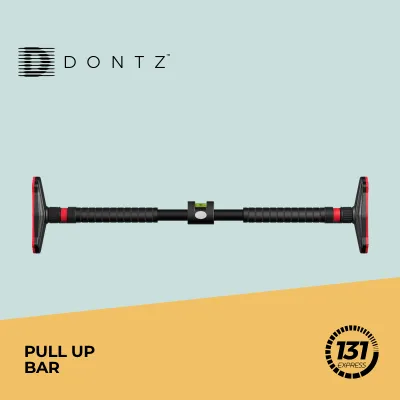
![[Ready Stock] UltimateSup Wall Mounted Pull Up Bars Portable Home Chin Up Fitness Equipment Pull Up Bar No Drilling Load Bearing](https://img.lazcdn.com/g/p/9e3a5040799705b35dace88921b6ab7b.png_400x400q80.png_.webp)
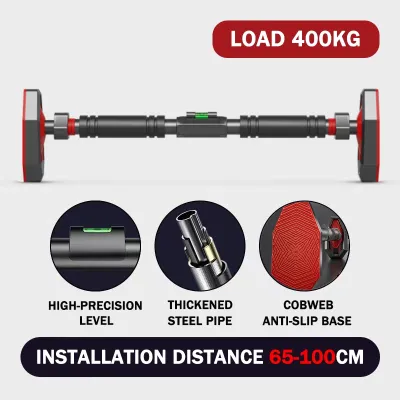
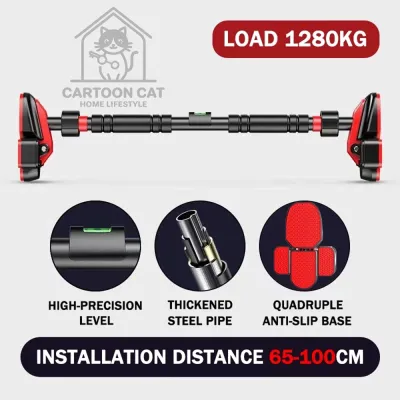
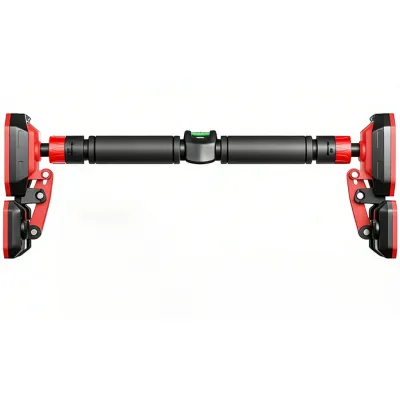
Prices are valid at publication and may change. Please refer to the product page for the latest price.
Ceiling height is another critical factor. When performing a chin-up, your head must clear the bar without hitting the ceiling. Measure the distance from the top of the door frame to the ceiling; a clearance of at least 30cm to 50cm is typically recommended for a comfortable range of motion.
Identify the wall composition around your desired workout area. HDB flats consist of structural concrete walls (bomb shelters and load-bearing pillars) and non-load-bearing internal partition walls. Knock on the wall: a hollow sound indicates drywall or a partition, which cannot support the weight of a wall-mounted bar, while a solid, dull thud indicates concrete.
Evaluating Doorway Chin Up Bars for HDB Flats
Doorway chin-up bars are popular because they require no drilling, making them highly suitable for rental units or those who prefer not to alter their walls. These generally come in two designs: telescopic tension bars and leveraged over-the-door bars.

Tension-mounted bars extend outward to press against the inner sides of the door frame. To use these safely, you must verify that your door frame is made of solid wood or reinforced metal. Hollow aluminum or thin plastic frames can warp or crush under the intense lateral pressure required to keep the bar in place.
Leveraged bars hang over the top trim of the door frame and use your body weight to lock themselves against the wall. You must check the manufacturer’s specifications for the exact frame width and wall thickness required. If your HDB door frame lacks a sturdy top ledge of at least 1cm to 1.5cm, a leveraged bar cannot hook securely and poses a severe fall risk.
Always check the manufacturer’s weight limits and compare them to your body weight plus any planned additional gear, like weighted vests. Because these bars rely on friction or leverage rather than permanent anchors, they require regular verification of their grip before every single workout session.
Assessing Wall-Mounted Options for Compact Rooms
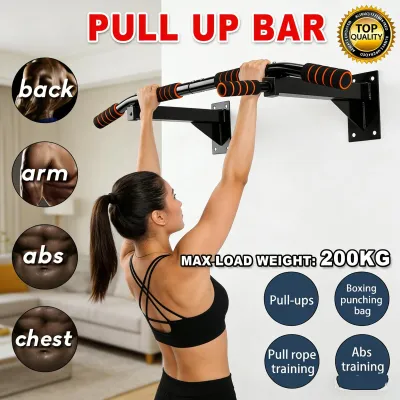
Wall-mounted chin-up bars offer superior stability and a higher weight capacity compared to doorway models, but they require permanent installation. In an HDB flat, these must only be anchored into solid concrete walls. Attempting to mount a heavy-duty bar onto a hollow partition wall will lead to structural failure and severe injury.
When planning the installation, calculate the necessary clearance from both the wall and the ceiling. The bar should sit far enough from the wall (usually 30cm to 40cm) to prevent your knees or feet from striking the wall during your repetitions. Ensure there is enough vertical space above the bar so your head does not collide with the ceiling at the peak of your movement.
For exceptionally tight spaces, consider space-saving folding wall mounts. These models allow you to fold the pull-up handles flat against the wall when not in use, keeping narrow corridors or multi-use bedrooms clear of obstructions.
Keep in mind that drilling into concrete requires a heavy-duty rotary hammer drill and appropriate masonry wall plugs. Standard impact drills will struggle with HDB high-strength concrete, so ensure you have the correct tools or hire a professional installer to guarantee a secure mount.
Considering Free-Standing Pull-Up Stations
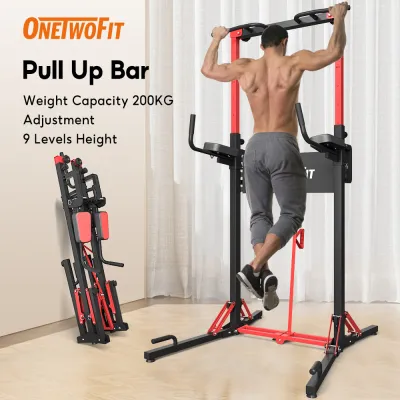
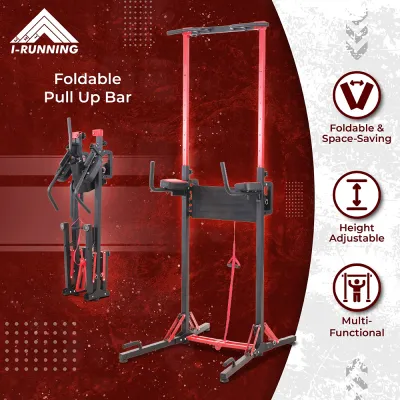
If you have a dedicated corner but cannot drill into your walls and do not trust your door frames, a free-standing pull-up station (or power tower) is an alternative. These stations do not rely on your home’s structure for support, eliminating the risk of frame or wall damage.
The primary trade-off is the footprint. Measure your available floor space carefully, as these towers typically require a base area of at least 1 meter by 1.2 meters. Ensure the station does not block daily traffic flows, emergency exits, or built-in wardrobe doors.
Verify your ceiling height before purchasing a free-standing tower. Many power towers stand over 2 meters tall, and you will need an additional 40cm of clearance above the highest bar setting to perform exercises safely.
Check the base stability and overall weight of the unit. Lighter towers are easier to move but may wobble or tip during dynamic movements like leg raises or kipping pull-ups. For small apartments, look for models with wide, flat base stabilizers and rubber feet to protect your vinyl or tile flooring.
Installation Safety and Routine Maintenance Checks
Regardless of the type of chin-up bar you choose, safety depends on proper installation and regular maintenance. For tension and friction-mounted doorway bars, always follow the manufacturer’s torque specifications. Over-tightening can crack your door frame, while under-tightening can cause the bar to slip during use.
Establish a pre-workout inspection routine. Before grabbing the bar, apply a downward test force to ensure it is firmly seated. Inspect the rubber pads on doorway bars for wear, dust, or oil buildup, which can drastically reduce friction and cause sudden slips.
For wall-mounted units, regularly check the mounting bolts for any signs of loosening or concrete dust shedding around the drill holes. If you notice any hairline cracks in the wall, shifting brackets, or structural deformation of the metal bar, stop using the equipment immediately.
Equipment cannot replace proper training, form, and personal judgment. If you are unsure about the structural integrity of your door frame or wall, or if you lack the tools for a safe installation, consult a qualified contractor or professional handyman to assess your home before proceeding.
Frequently Asked Questions (FAQ)
Can I use a doorway chin up bar on a sliding door frame?
No, you should not use a doorway chin-up bar on a sliding door frame. Sliding door tracks and frames are typically made of lightweight, hollow aluminum designed only to guide the door panels. They lack the structural reinforcement to withstand the intense lateral pressure of a tension bar or the downward leverage of a hanging bar, leading to frame collapse, track damage, and potential injury.
Do I need approval to drill into walls for a mounted bar?
In Singapore, HDB flat owners generally do not need formal approval to drill minor holes for wall-mounted fitness equipment, provided the drilling does not damage structural columns, beams, or the pre-cast concrete walls of a household shelter (bomb shelter). However, if you are renting your apartment, you must obtain written permission from your landlord before drilling, as unauthorized modifications can lead to security deposit deductions or lease violations.
Community discussion
Share your experience or ask a question. Comments are reviewed before publication.