
For beginners dipping their toes into the world of swimming, managing breath control while navigating the water can be one of the most challenging hurdles. Water accidentally rushing up the nasal passages is not only highly uncomfortable but can also trigger a panic reflex that disrupts your stroke and rhythm. A swimming nose clip is the simplest tool to solve this issue, yet many novices quickly discard them because they find the constant pinching sensation intolerable. The best swimming nose clip for beginners who experience discomfort is one that features soft, medical-grade silicone padding, an adjustable frame to customize the clamping force, and an ergonomic shape that cradles the nostrils rather than crushing the nasal bridge. By selecting a design that matches your unique facial structure and learning how to position it correctly, you can enjoy a watertight seal without the painful pressure.
Why Some Swimming Nose Clips Feel Uncomfortable
To find a comfortable solution, it helps to understand why traditional nose clips often feel like a torture device. The primary culprit is incorrect placement combined with rigid design. The human nose consists of a rigid upper section made of bone and cartilage, known as the nasal bridge, and a soft, flexible lower section comprising the nostrils. Many beginners instinctively slide the nose clip too high up on the nose, clamping it directly onto the hard nasal bridge. Because there is very little flesh or natural cushioning over the nasal bone, any clamping force applied here is transferred directly to the sensitive nerves, resulting in a dull, throbbing ache within minutes of entering the pool.
Another major factor is the material composition of standard swim gear. Many budget-friendly nose clips are constructed from rigid, unyielding plastics or stiff metal wires with minimal padding. These materials do not conform to the natural curves of your face. Instead of distributing the pressure evenly, they concentrate all the clamping force onto tiny, localized pressure points. In warm, humid climates like Singapore, where sweat and natural skin oils are abundant even before you dive into the water, these rigid clips easily slip out of place. To compensate for the slipping, swimmers often push the clip further down or squeeze it tighter, which only exacerbates the pain and skin irritation.
Products mentioned in this guide
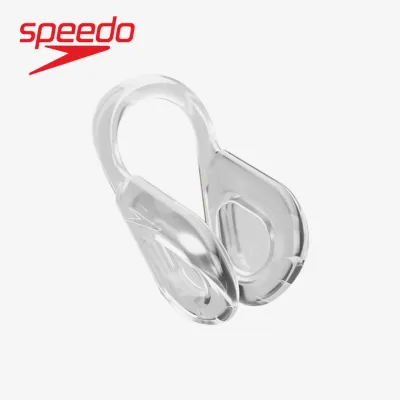
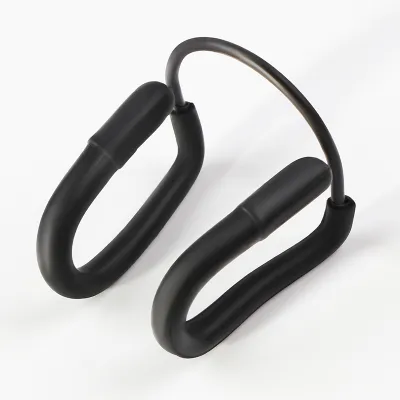
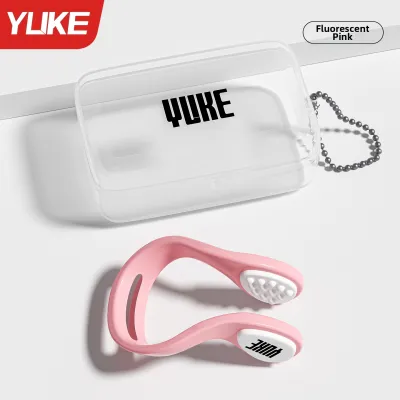
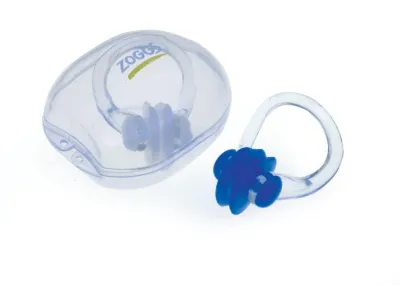
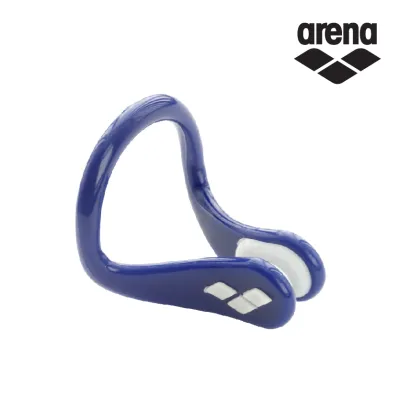
![[SG FREE ] Nose Clip Swim Supplies Quality High Elastic Silicone Diving Swiming Comfortable Soft Surfing Swim Nose Clip](https://img.lazcdn.com/g/p/433feee288fb05189854b364f6e42e33.jpg_400x400q80.jpg_.webp)
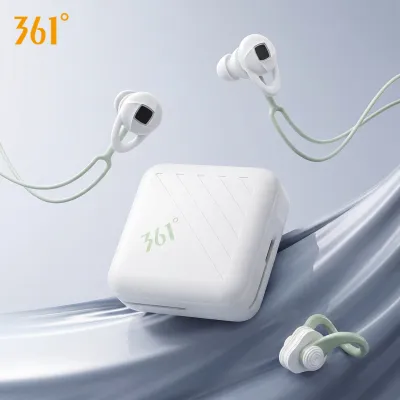
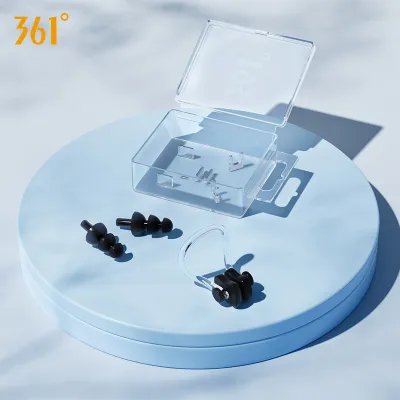
Prices are valid at publication and may change. Please refer to the product page for the latest price.
Furthermore, a one-size-fits-all approach rarely works for something as highly individualized as a human nose. Nose shapes vary dramatically across different heritages, featuring variations in bridge height, nostril width, and cartilage thickness. A clip designed with a narrow, fixed span will exert an agonizing amount of pressure on a wider nose, while a clip with a wide span will fail to seal a narrow nose, leading to constant water leakage. This mismatch forces the swimmer to constantly readjust the clip, leading to friction, chafing, and red marks.
Finally, prolonged exposure to chlorinated pool water or saltwater can sensitize the skin. When a tight, poorly fitting nose clip rubs against wet, softened skin, it creates friction that can quickly lead to painful chafing. Moisture trapped beneath non-breathable, rough pads can also cause localized skin irritation, making the prospect of wearing the clip for your next swim session highly unappealing.
Key Features to Look for in a Beginner-Friendly Nose Clip
When shopping for a beginner-friendly swimming nose clip, prioritizing specific design features can make the difference between a painful distraction and a seamless swim. The first and most critical feature to look for is the quality of the padding. High-grade, medical-grade silicone or soft thermoplastic rubber (TPR) pads are essential. These materials are incredibly soft, flexible, and hypoallergenic. Unlike cheap foam or hard plastic, quality silicone conforms to the exact shape of your nostrils, distributing the clamping force over a larger surface area. This significantly reduces pressure points while creating a superior, non-slip seal against the skin, even when wet.

Another vital feature is adjustable tension. Fixed-tension clips rely on a rigid plastic or steel spring that applies a set, unyielding force. For a beginner, this force is often far too high. Instead, look for clips with a customizable frame, such as those with a flexible, plastic-coated stainless steel wire core. These allow you to gently bend the frame outward to widen the span and reduce the pinch, or inward to tighten it. Having the ability to fine-tune the tension ensures you only apply the minimum amount of pressure required to keep water out, maximizing your comfort during long practice sessions.
Ergonomic contouring is also a game-changer for sensitive noses. Rather than utilizing flat, rectangular pads that press straight against the sides of the nose, ergonomically designed clips feature curved, cupped pads. These pads are shaped to mirror the natural flare of the nostrils, cradling them securely. This anatomical design prevents the clip from riding up toward the sensitive nasal bridge and keeps it locked in place on the fleshy part of the nose, where pressure is tolerated much more easily.
Lastly, ensure the materials used are completely hypoallergenic and latex-free. The skin on your face is highly sensitive, and the combination of pool chemicals, sweat, and friction can easily trigger allergic reactions or contact dermatitis if you use low-quality materials. Opting for reputable brands that specify latex-free, medical-grade silicone ensures your skin remains clear and irritation-free, allowing you to focus entirely on perfecting your freestyle or backstroke technique.
Best Nose Clip Designs and Alternatives for Sensitive Noses
Understanding the different design categories available on the market will help you narrow down the best option for your comfort needs. The most common and highly recommended style for beginners is the padded wire frame nose clip. These clips feature a lightweight, U-shaped wire core—usually made of stainless steel or memory metal—covered in a soft plastic sheath with thick silicone pads at the ends. The primary advantage of this design is its high adjustability. You can manually bend the wire to perfectly match the width of your nose, allowing for a highly personalized fit. However, they do require a gentle touch; bending them too aggressively can weaken the metal or cause the pads to sit at an awkward, uneven angle.
For those who struggle with the spring-back force of wire clips, adjustable strap or dial-locking nose clips offer an innovative alternative. These designs do not rely on spring tension at all. Instead, they feature a plastic strap or a small ratcheting mechanism that allows you to slide the pads closer together in precise, incremental steps until you achieve a comfortable seal. Once locked in place, the clip maintains that exact width without applying any active, squeezing force. This is incredibly beneficial for beginners who are highly sensitive to pressure, as it completely eliminates the sensation of being pinched.
If mechanical clips of any kind continue to cause discomfort or fail to fit your nose shape, you might want to consider moldable nose putty or waterproof adhesive strips. Moldable silicone putty, similar to the material used for noise-blocking earplugs, can be shaped and pressed gently over the nostrils to block water entry without applying any clamping force. Alternatively, specialized waterproof adhesive strips can be applied across the nose to gently hold the nostrils closed or seal the nasal passages. While these options are less common for high-intensity swim training and may require replacement after every swim, they offer a completely pain-free, zero-pinch solution for casual swimmers, water aerobics enthusiasts, or those with unique nasal structures that standard clips cannot accommodate.
How to Properly Fit and Adjust Your Nose Clip
Even the most comfortable, high-end nose clip will cause pain or slip off if it is not fitted correctly. To ensure a secure, painless, and watertight seal, follow a systematic application process. Start by thoroughly cleaning and drying your skin. In Singapore’s warm, tropical climate, natural facial oils, sweat, sunscreen, and moisturizers accumulate rapidly on the face. These substances act as lubricants, causing the nose clip to slide off almost immediately once you enter the water. Before putting on your clip, wash your nose with a mild soap and water, or wipe the area with a clean towel to remove any slippery residue.
Next, open the nose clip gently and position the pads directly onto the fleshy, lower part of your nostrils, just above the nasal openings. It is crucial to avoid placing the clip on the hard, bony bridge of your nose. The arch of the clip should point upward and sit comfortably in front of or slightly below the tip of your nose, without pressing down on it. The pads should press inward against the soft cartilage of the nostrils, gently compressing them to block airflow.
Once the clip is in place, conduct a simple seal test before diving into the pool. Take a breath through your mouth and exhale gently through your nose. You should feel a slight resistance, and no air should escape from your nostrils. If you feel air leaking out, do not immediately squeeze the clip tighter. Instead, try adjusting the angle of the pads or sliding the clip slightly lower on the nostrils to find a better seal. If you are using an adjustable wire clip, remove it from your nose before bending the frame to adjust the tension, then reapply and test again.
Always listen to your body during your swim. If you begin to experience a sharp, localized pain, a throbbing sensation, or if you notice the skin around the clip turning pale or blue, stop swimming and remove the clip immediately. These symptoms indicate that the clip is too tight and is restricting blood flow to the tissue. Allow your circulation to fully return, gently widen the clip to reduce the tension, and reapply it. Remember, the goal is to achieve a gentle, watertight seal, not a vice grip that cuts off circulation.
Maintenance and Hygiene Tips for Longevity
Proper maintenance of your swimming nose clip is essential not only for hygiene but also for preserving the softness and grip of the materials. After every swim session, make it a habit to rinse your nose clip thoroughly under clean, fresh running tap water. Pool water contains chlorine, bromine, and other sanitizing chemicals, while open water may contain salt, algae, and fine sand. If left on the clip, these elements will slowly degrade the silicone pads, causing them to become stiff, brittle, or sticky, which significantly reduces their comfort and lifespan.
Once rinsed, allow the nose clip to air-dry completely in a well-ventilated, shaded area. Avoid the temptation to leave your swim gear drying in direct sunlight, such as on an outdoor clothesline or a sunny windowsill. The intense ultraviolet (UV) rays and high heat can quickly warp plastic frames, weaken metal cores, and cause silicone padding to crack or melt. Storing your dry nose clip in a small, ventilated plastic case will protect it from getting crushed or dirty inside your swim bag.
When cleaning your nose clip, steer clear of harsh chemicals, alcohol-based sanitizers, or heavy-duty dish soaps. These substances can strip away any non-slip coatings on the pads and dry out the silicone, making it rough and irritating against your skin. If the clip requires a deeper clean to remove stubborn oils or buildup, use a tiny drop of mild, diluted hand soap and gently rub the pads with your fingers before rinsing thoroughly.
Finally, perform regular inspections of your gear. Over time, constant stretching and exposure to water will cause any nose clip to wear out. Look for signs of physical damage, such as tiny tears in the silicone pads, mold spots that cannot be washed away, or a noticeable loss of spring tension in the frame. If a wire clip’s metal core becomes exposed, discard it immediately to prevent scratches or rust contact with your skin. Replacing your nose clip at the first sign of degradation ensures you always maintain a comfortable, hygienic, and secure fit in the water.
Frequently Asked Questions (FAQ)
Can I swim without a nose clip if I just exhale through my nose?
Yes, many experienced swimmers do not use nose clips and instead rely on continuous, gentle exhalation through the nose whenever their face is submerged. This technique, known as active nasal exhalation, creates positive pressure that naturally keeps water out. However, for beginners, mastering this coordination while simultaneously learning stroke mechanics, body rotation, and bilateral breathing can be overwhelming. A nose clip acts as a helpful training aid, allowing you to focus entirely on your stroke and mouth-breathing patterns without the fear of inhaling water. As your confidence and technique improve, you can gradually practice swimming without the clip during warm-ups or easy drills.
Will a nose clip leave permanent marks on my nose?
A properly fitting nose clip will not leave permanent marks or cause lasting damage to your skin or nasal tissue. It is completely normal to see temporary, faint red indentations on your nostrils immediately after removing the clip, similar to the marks left by swim goggles or tight elastic. These marks are caused by temporary pressure on the skin’s surface and should fade completely within fifteen to thirty minutes. However, if you experience deep bruising, broken capillaries, or painful red welts that persist for hours, the clip is far too tight or is positioned incorrectly. Adjusting the tension wider or switching to a model with thicker, softer silicone padding will prevent these issues.
Are custom-molded nose clips worth the investment for beginners?
For the vast majority of beginners, custom-molded nose clips are not necessary and do not justify the higher investment. Custom-molded options, which are often used by elite artistic swimmers or deep freedivers, require taking a personalized impression of your nose to create a perfect, anatomical fit. While they offer unparalleled comfort and security, they are highly specialized and expensive. Beginners can almost always find an incredibly comfortable, watertight fit by choosing a high-quality, adjustable off-the-shelf nose clip with soft silicone padding. These retail for a fraction of the cost, typically under S$15, making them a much more practical and accessible starting point for your swimming journey.
Community discussion
Share your experience or ask a question. Comments are reviewed before publication.