
Finding space for fitness equipment in a compact Singapore HDB flat requires balancing workout efficiency with a minimal physical footprint. A compact stepper exercise machine offers an excellent solution, providing a low-impact cardiovascular workout without dominating your living room or bedroom floor. To choose the right model, you must evaluate how the machine’s physical dimensions, movement mechanics, and storage requirements align with your specific apartment layout and daily routine.
Unlike bulky treadmills or stationary bikes, a compact stepper can easily be tucked away when not in use. However, not all steppers are created equal when it comes to space efficiency. Selecting the right equipment involves understanding the different types of steppers available, measuring your active workout space, verifying key specifications, and taking steps to protect your flooring and maintain a quiet home environment.
Comparing Stepper Types for Limited Floor Space
When shopping for a stepper exercise machine, the design of the frame dictates how much floor space it will consume. Mini steppers and twist steppers are the most space-efficient options available, typically occupying less than 0.5 square meters of floor space. A standard mini stepper moves strictly in an up-and-down motion, mimicking a vertical climbing action. This linear movement keeps the machine’s lateral footprint exceptionally narrow, making it ideal for tight corners or narrow hallways.
Products mentioned in this guide
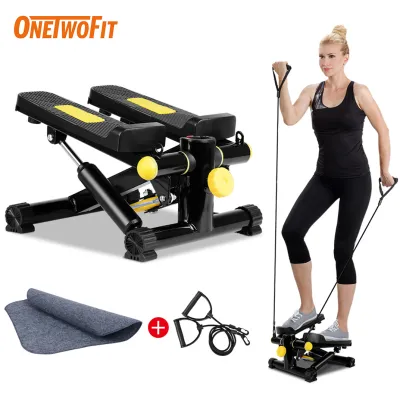
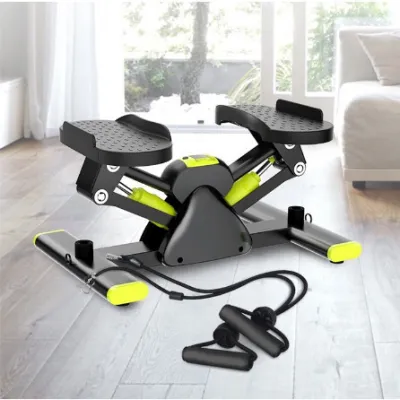
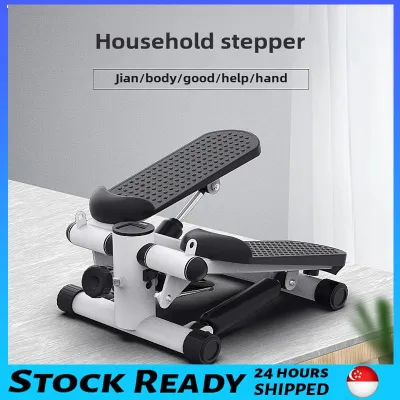
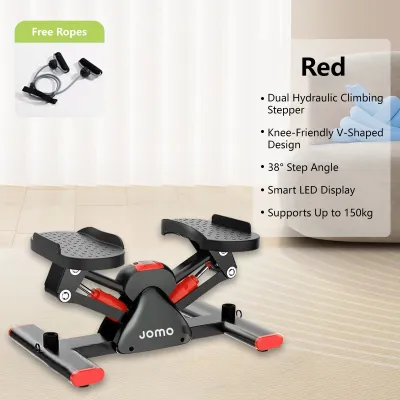
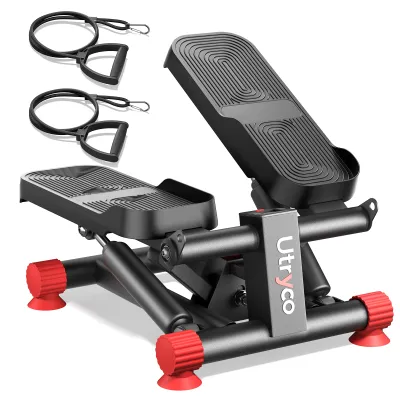
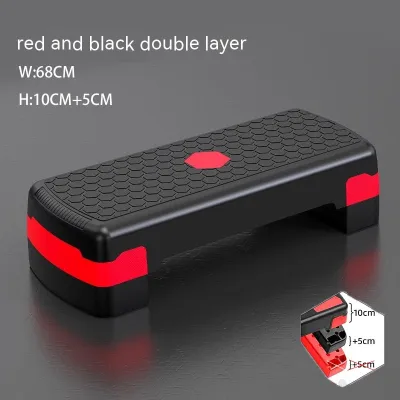
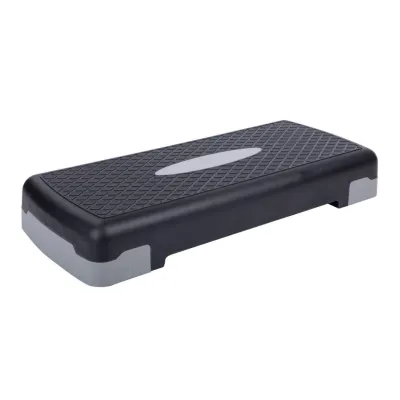
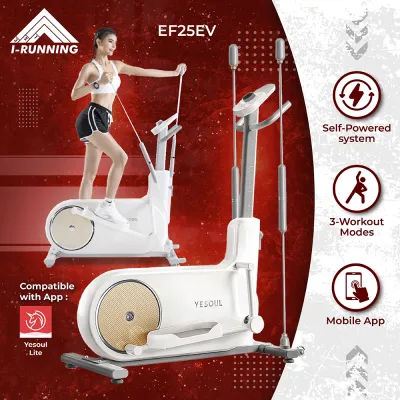
Prices are valid at publication and may change. Please refer to the product page for the latest price.
Twist steppers introduce a slight rotational angle to the stepping motion, engaging the core and obliques alongside the lower body. While the physical machine itself is comparable in size to a standard mini stepper, the twisting motion requires a slightly wider active clearance zone. You must ensure there is enough side-to-side space to accommodate your body’s natural lateral sway without bumping into nearby furniture or walls.
For multi-purpose rooms, under-desk or ultra-portable variants offer excellent flexibility. These low-profile models are designed without any upright structures, allowing them to slide completely under a desk, bed, or sofa when your workout is complete. If you choose a model with attached handlebars, keep in mind that the rigid frame significantly increases both the vertical height and the static footprint of the machine. Conversely, models that utilize detachable resistance bands provide a full-body workout option without adding permanent structural bulk, as the bands can be rolled up and stored separately.
Measuring Your Available Space and Storage Options
Before purchasing a stepper exercise machine, it is crucial to differentiate between its static storage footprint and its active workout footprint. The static footprint is the physical space the machine occupies when it is turned off and stored away. The active footprint, however, must account for your body’s movement, including your arm swings, hip sway, and the extension of any integrated resistance bands. Clear a designated workout zone that allows at least half a meter of open space on all sides of the machine to ensure safe, unobstructed movement.

Ceiling height is another critical factor that is often overlooked in high-rise apartments. When you step onto a machine, your body is elevated by the height of the pedals at their peak. In a typical HDB flat with standard ceiling heights, you must calculate your total elevated height to avoid safety hazards. Measure the maximum pedal height at its highest point, add your own height, and ensure you still have comfortable clearance from ceiling fans, light fixtures, and concrete beams.
Finally, identify potential storage zones within your flat before making a decision. Measure the height of the gap under your bed frame, the clearance at the bottom of your wardrobe, or the space behind your bedroom door. Many compact steppers have a height profile of 20 to 30 centimeters when flat, which easily fits under standard bed frames. Knowing these exact measurements beforehand prevents you from buying a machine that ends up permanently cluttering your living space.
Essential Specs to Verify Before Buying
To ensure your compact stepper is both safe and practical, you must carefully read the manufacturer’s specification labels rather than relying solely on product photos. Pay close attention to the base length and pedal width. A wider base generally offers greater lateral stability, but it also requires more floor space. Look for a balance where the base is wide enough to prevent rocking during use but compact enough to fit your designated storage spot.
Verify the maximum weight capacity of the machine against the weight of the heaviest user in your household. Compact fitness equipment often utilizes lighter steel frames and smaller hydraulic cylinders to keep the weight down. Ensuring the machine is rated for your weight is essential for maintaining structural stability and preventing premature wear on the internal components. Operating a stepper near or over its rated capacity can lead to frame bending or hydraulic fluid leaks.
Additionally, check the machine’s mechanism for folding or disassembly. Some compact models feature quick-release pins or folding handlebars that allow you to collapse the frame into a flatter profile. If you plan to store the machine after every use, verify how easy these mechanisms are to operate. A machine that requires complex tools to disassemble is more likely to be left out in the open, defeating the purpose of buying a space-saving design.
Minimizing Noise and Protecting HDB Flooring
In high-rise residential buildings, sound and vibration can easily travel through concrete floors to the units below. Compact steppers generate noise from two primary sources: the friction of the hydraulic cylinders and the physical impact of the footplates hitting the base frame at the bottom of each step. To maintain a peaceful environment for your family and neighbors, you must address these noise factors.
Placing a high-density equipment mat beneath your stepper is highly recommended. A dedicated rubber or dense foam mat absorbs the low-frequency vibrations caused by your stepping motion, preventing the sound from transferring through the floorboards. The mat also serves a dual purpose by protecting your flooring. The constant pressure and slight shifting of a metal-framed stepper can easily scratch or dent delicate vinyl, laminate, or polished tile surfaces.
When evaluating different stepper models, verify that the base of the machine is equipped with thick, non-slip rubber end caps or feet. These rubber components help absorb impact, reduce noise, and keep the machine firmly in place during vigorous workouts. If a model features bare metal feet or thin plastic caps, you will need to invest in additional protective padding to prevent floor damage and unwanted sliding.
Evaluating Stability and Build Quality in Compact Designs
While minimizing size is important, you should never compromise on stability and build quality. A flimsy machine can wobble or tip over during use, leading to potential injury. To assess the stability of a compact stepper, look at the ratio between the base width and the maximum pedal height. A machine with a very narrow base and high-stepping pedals has a higher center of gravity, making it more prone to tipping sideways if you lose your balance.
Inspect the construction materials and welding points of the frame. High-quality compact steppers are constructed from heavy-duty alloy steel rather than thin sheet metal or plastic. The hydraulic cylinders, which provide the stepping resistance, should be securely bolted to the frame with robust hardware. Avoid models that use thin plastic brackets to hold the cylinders, as these are common failure points under repeated stress.
Before purchasing, check user reviews on online marketplaces for feedback regarding long-term durability. Look for comments mentioning joint looseness, squeaking, or fluid leaks after several weeks of regular use. A well-built compact stepper should operate smoothly without excessive play in the pedals or joints. Investing in a structurally sound machine ensures a safer workout and a much longer product lifespan.
Frequently Asked Questions (FAQ)
Do I need a stepper with handlebars for a small space?
Handlebars are not strictly necessary unless you require assistance with balance or have mobility concerns. Fixed handlebars significantly increase both the vertical height and the overall storage footprint of the machine, making it difficult to slide under furniture or store in tight closets. If space is your primary constraint, choosing a model with detachable resistance bands is often a better option. The bands provide upper-body engagement and help with minor balance adjustments without adding permanent physical bulk to the machine’s frame.
Can I store a stepper upright against a wall?
Storing a stepper vertically against a wall is generally not recommended unless the manufacturer explicitly states that the machine is designed for vertical storage. Heavy, unbalanced fitness equipment can easily tip over if bumped, posing a safety hazard to children, pets, or nearby property. Furthermore, storing hydraulic steppers in non-standard vertical orientations can cause the hydraulic fluid inside the cylinders to shift or leak. This can result in uneven resistance, squeaking, or permanent damage to the seals. Always store your stepper flat on its rubber feet unless it features a dedicated, secure vertical stand.
Community discussion
Share your experience or ask a question. Comments are reviewed before publication.