
Finding a stepper exercise machine that fits comfortably inside a Singapore Housing & Development Board (HDB) flat requires balancing a compact physical footprint with sufficient clearance for safe, dynamic movement. The ideal machine must deliver an effective cardiovascular workout without obstructing daily foot traffic or disturbing neighbors living directly below. By evaluating the specific dimensions of your living space, understanding the spatial profiles of different stepper designs, and selecting appropriate noise-dampening accessories, you can maintain a consistent home fitness routine in even the most compact apartment layouts.
Assessing Your Available Floor Space and Clearance
Before purchasing any fitness equipment, you must measure the exact zone where you plan to exercise. A common mistake is measuring only the static footprint of the machine itself, which does not account for the space your body occupies during a workout. You need to factor in your full range of motion, including lateral arm swings and the natural forward or backward lean that occurs when stepping at a high intensity.
Overhead clearance is another critical factor in HDB flats, where ceiling heights typically range from 2.6 to 2.8 meters. Because a stepper elevates your body during use, you must calculate your height plus the maximum pedal height of the machine to ensure you do not hit your head. Additionally, verify that the workout zone does not interfere with nearby door swing paths, built-in wardrobe doors, or primary walkways.
Products mentioned in this guide
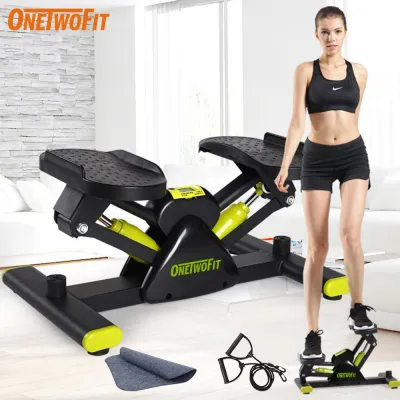
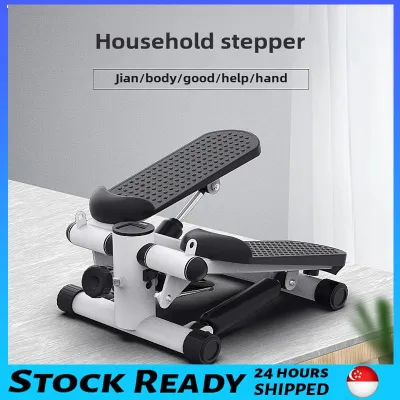
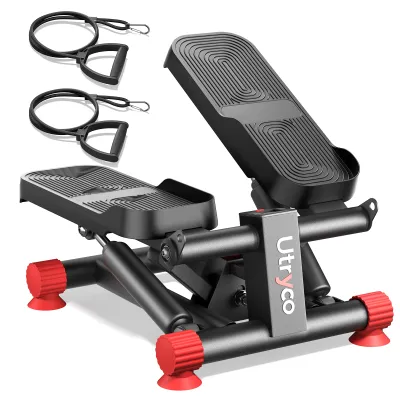
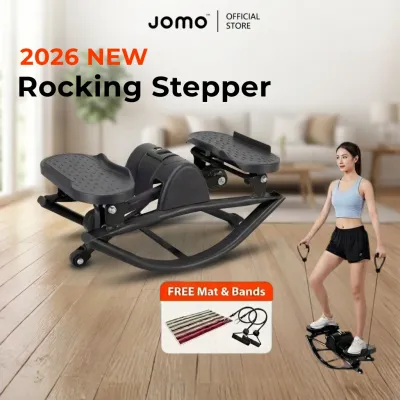
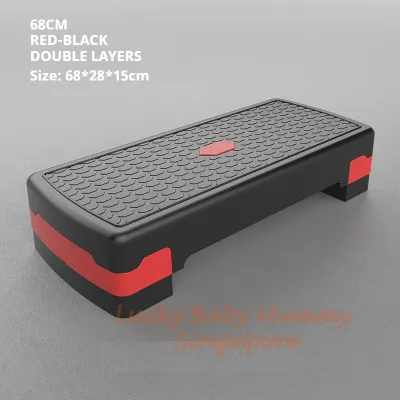
Prices are valid at publication and may change. Please refer to the product page for the latest price.
Finally, consider the logistics of getting the equipment into your home. Measure the width of your main entryway, hallway corridors, and lift doors to ensure the packaged box can be delivered without obstruction. While most compact steppers are highly portable, verifying these entry points beforehand prevents unexpected delivery challenges.
Types of Compact Steppers and Their Spatial Profiles
Compact steppers come in several distinct designs, each offering a unique balance of workout variety and spatial efficiency. Mini steppers are the most popular choice for tight spaces, featuring a highly compact base that easily tucks into a corner or under a coffee table. Some models include detachable resistance bands, allowing you to engage your upper body without increasing the machine’s physical footprint.

Under-desk elliptical steppers offer a low-profile alternative designed primarily for seated use. These units require minimal vertical clearance, making them excellent for home offices or living rooms where you want to pedal while working or watching television. Because they operate horizontally, they eliminate the overhead clearance concerns associated with standing models.
Folding or collapsible steppers feature a larger frame with upright handles that can be folded down flat when the workout is complete. These machines provide a more traditional climbing motion and greater stability during high-intensity sessions, but they require a dedicated storage spot that can accommodate their folded length.
Steppers with fixed, non-folding handlebars offer excellent stability but demand a permanent footprint in your home. These models require additional lateral and overhead clearance to ensure safe operation, meaning they must be placed away from walls and furniture. If you choose a fixed-handlebar model, ensure your room layout can permanently accommodate its full dimensions.
Key Features for Effective Cardio in Small Spaces
To get a high-quality cardiovascular workout from a smaller machine, you must look for specific design features that maximize intensity within a limited range of motion. Adjustable resistance is essential; look for models with hydraulic cylinders or magnetic tension systems that allow you to increase the difficulty. This ensures you can elevate your heart rate and challenge your muscles without needing a physically larger machine.
Pedal design and stride depth also play a significant role in both comfort and safety. Look for wide pedals with a textured, non-slip grip to prevent your feet from sliding during fast-paced workouts. A comfortable stride depth allows for a natural stepping motion that minimizes joint strain on your knees and ankles, which is especially important when using compact units that have shorter travel paths.
A built-in console display is highly beneficial for tracking your progress without the need for bulky external accessories. Look for a simple, clear screen that monitors key metrics such as step count, elapsed time, and estimated calories burned. Having these metrics integrated directly into the machine keeps your workout area clean, organized, and free of extra clutter.
Safety, Stability, and Floor Protection in HDB Flats
Using fitness equipment in a high-density residential building requires careful attention to safety and structural protection. Always verify the manufacturer’s maximum weight capacity before purchasing, ensuring it comfortably accommodates your body weight plus the dynamic downward force generated during a vigorous workout. A machine operating close to its weight limit is more likely to wobble or wear out prematurely.
Floor protection is non-negotiable when exercising on HDB tiles, vinyl, or laminate flooring. Placing a high-density rubber or PVC floor mat under your stepper is essential to prevent the machine from sliding, scratching the floor, or leaving permanent indentation marks. Furthermore, a quality mat acts as a crucial barrier that dampens impact noise and structural vibrations, keeping your workouts quiet for downstairs neighbors.
The base width of the stepper is a key indicator of its overall stability. Look for machines with wide, non-slip rubber feet and a low center of gravity to prevent tipping or rocking during high-cadence sessions. Testing the stability of the unit on a completely level surface before starting your workout ensures a safe and secure exercise experience.
Smart Storage and Placement Strategies
Integrating a stepper into an HDB flat requires a practical plan for when the machine is not in use. Low-profile mini steppers and folded collapsible models can easily slide into narrow gaps, such as under a bed, beneath a sofa, or behind a bedroom door. This keeps your living areas tidy and ensures your home remains a comfortable, multi-functional space.
If you plan to store your stepper vertically to save floor space, consult the manufacturer’s manual first to ensure the unit is designed for upright storage. Some hydraulic models may leak fluid if stored on their side or upside down, while others require specific locking mechanisms to prevent the frame from unfolding unexpectedly.
When positioning your machine for a workout, choose multi-purpose areas like the living room or home office, but ensure you do not block primary walkways or household emergency exits. Keeping the stepper easily accessible but out of the main traffic flow makes it much easier to maintain a consistent daily exercise routine without disrupting the rest of your household.
Frequently Asked Questions (FAQ)
Can I use a stepper on an HDB balcony or common corridor?
You should avoid using or storing a stepper in common corridors, as civil defense regulations strictly prohibit obstructing shared escape routes. While a private balcony is a viable option, you must protect the machine from humidity, rain, and direct sunlight to prevent rust and mechanical degradation. Always ensure the balcony floor is dry and slip-resistant before beginning your workout.
Do mini steppers provide the same cardio benefits as full-size machines?
Yes, mini steppers can provide an excellent cardiovascular workout that rivals larger machines if you adjust your training variables. Because compact steppers have a shorter stride length, you can compensate by increasing your stepping cadence or raising the hydraulic resistance. Incorporating upper-body movements or using integrated resistance bands will also help elevate your heart rate into target cardio zones.
How do I reduce noise and vibration for my downstairs neighbors?
To minimize noise transmission through the concrete floor slabs of an HDB flat, place a thick, high-density foam or rubber exercise mat directly beneath your stepper. Ensure the machine is placed on a completely level surface to prevent rocking, which causes unnecessary thumping sounds. Regularly lubricating the hydraulic joints and moving parts according to the manual’s instructions will also eliminate squeaks and mechanical friction.
Community discussion
Share your experience or ask a question. Comments are reviewed before publication.