
Selecting a cross body water bottle bag for running requires a careful balance between secure hydration storage and rapid access to mid-run nutrition. Unlike standard casual slings, a running-specific cross body bag must withstand the repetitive, high-impact vertical motion of your stride without bouncing, shifting, or causing painful chafing. In tropical, humid climates where sweat rates are high, carrying adequate fluids and electrolyte-rich sports drinks is essential for maintaining performance and preventing dehydration.
To find a bag that supports your training goals, you must evaluate how its physical design interacts with your body and your gear. The ideal sling keeps your water bottle stable against your torso, provides dedicated compartments to protect soft energy gel packets, and allows for seamless, one-handed access while you maintain your pace. By focusing on key structural features rather than aesthetic appeal, you can select a carrying system that feels like an extension of your running gear rather than an obstacle.
Matching Bottle Holder Size to Your Sports Drinks
Before evaluating bag designs, measure the physical dimensions of the specific sports drink bottles or flasks you use most frequently. Standard plastic sports bottles, insulated stainless steel flasks, and flexible soft flasks all have vastly different diameters, heights, and structural rigidities. A bottle holder that is too wide will allow a heavy, fluid-filled bottle to sway violently with every step, while a pocket that is too narrow will force you to struggle during retrieval and reinsertion.
Products mentioned in this guide
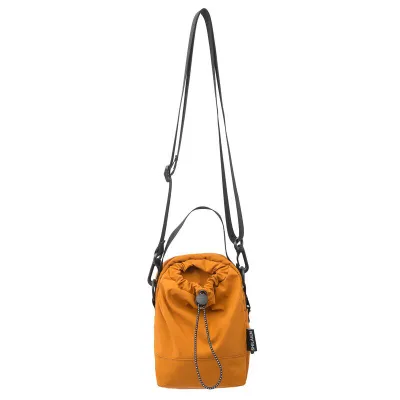
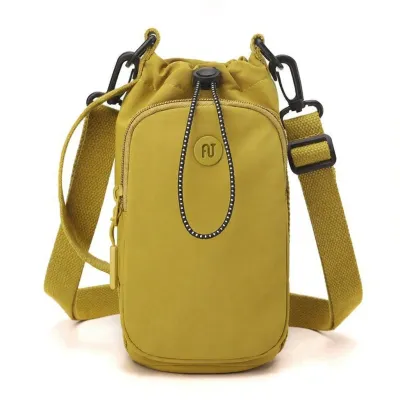
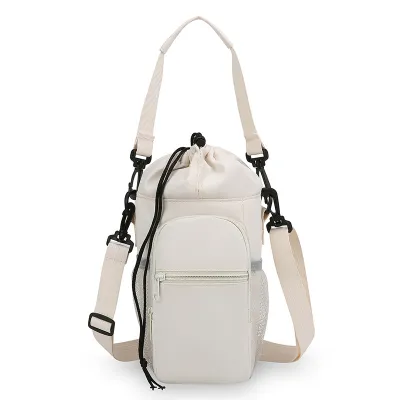
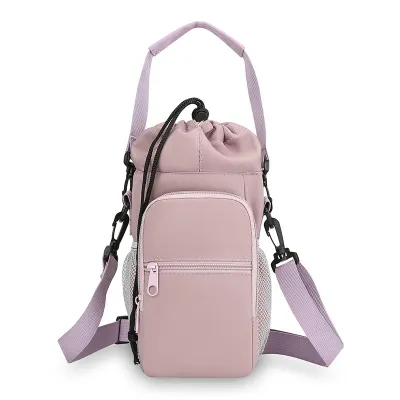
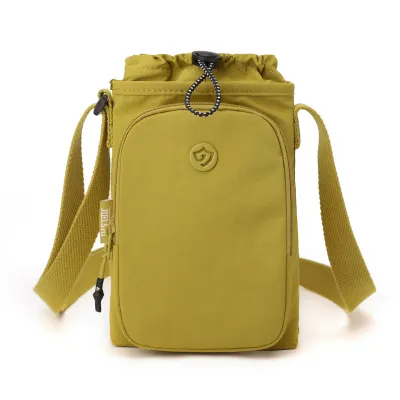
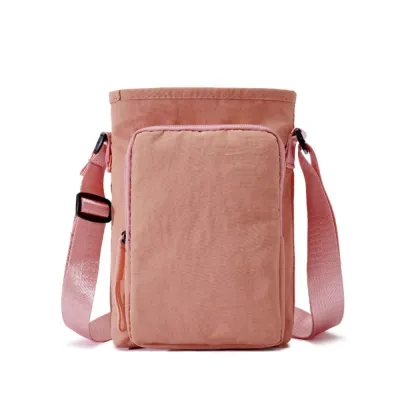

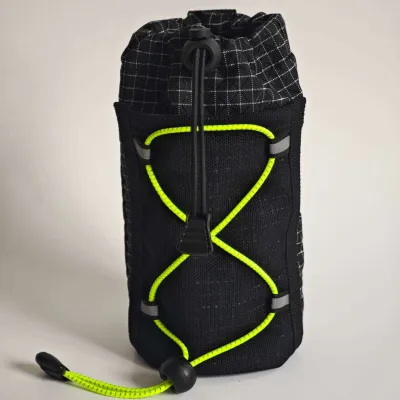
Prices are valid at publication and may change. Please refer to the product page for the latest price.
Look for adjustable retention systems that lock the bottle securely in place. Bungee cords with adjustable toggle locks, elasticized collars, or integrated compression straps are highly effective at adapting to different bottle shapes. These systems allow you to cinch the pocket tight around the neck or body of the bottle, preventing it from launching upward when you pick up your pace or navigate uneven terrain.
Verify the depth and structural reinforcement of the bottle sleeve itself. A deep sleeve that covers at least two-thirds of the bottle’s height keeps the center of gravity low and close to your body, which significantly reduces rotational movement. Additionally, semi-rigid foam backing or structured fabric panels within the sleeve prevent the pocket from collapsing when empty, making it much easier to slide the bottle back into place without looking down or stopping.
Consider how the weight of a full bottle impacts your running mechanics. A standard 500ml to 750ml bottle adds substantial weight to one side of your body, so the bag’s design must distribute this load evenly across your shoulder and back. Choosing a bag that positions the bottle pocket diagonally across your lower back or snugly against your side helps minimize lateral sway and reduces strain on your spine.
Compartment Layout for Energy Gels and Essentials
Energy gels require specific storage conditions to remain intact and easily accessible throughout a long-distance run. Look for a cross body bag that features dedicated external mesh pockets or stretch-fabric slots specifically designed to hold gel packets flat. These external compartments allow you to slide a gel out quickly with one hand, eliminating the need to fumble with zippers or dig through a crowded main compartment while running.

Evaluate the interior lining materials of the storage compartments to protect your gear from moisture. High humidity, heavy rain, and intense sweating can quickly saturate a basic fabric bag, potentially damaging electronic devices or causing paper-based packaging to disintegrate. Opt for bags with water-resistant TPU linings, internal laminate coatings, or dedicated dry pockets that isolate your phone, keys, and cards from sweat and condensation.
Ensure there is a clear physical separation between hard items and soft nutrition packets. Storing heavy metal keys, loose coins, or rigid phone cases in the same compartment as your energy gels poses a constant risk of puncturing the delicate plastic packaging of the gels. A ruptured gel packet not only ruins your mid-run nutrition plan but also creates a sticky, difficult-to-clean mess inside your bag.
Analyze the overall volume and weight distribution of the storage compartments. The pockets should be positioned in a way that keeps the bag balanced even when fully loaded with multiple gels, salt tablets, and personal essentials. Stretchable mesh panels are particularly useful because they expand to accommodate bulky items and compress flat when empty, keeping the bag’s profile as streamlined as possible.
Accessibility and Ergonomics During Runs
A running bag’s performance ultimately depends on how it behaves when your heart rate rises and your stride lengthens. Test the closure mechanisms of all pockets to ensure they can be operated effortlessly on the move. Oversized zipper pulls, textured cord loops, or magnetic quick-release clasps are highly beneficial, as they allow you to open and close compartments with sweaty hands or while wearing running gloves.
Pay close attention to the strap configuration, which is the most critical factor in controlling bounce and chafing. A wide, padded main strap distributes the weight of the water bottle across a larger surface area on your shoulder, reducing localized pressure points. Additionally, look for a bag that includes an adjustable stabilizer strap—often called a sternum or underarm strap—that clips securely to prevent the bag from sliding forward around your torso during arm swings.
Examine the back panel of the bag for breathability and comfort. Running in warm climates generates significant body heat, and a solid nylon back panel will trap sweat, leading to skin irritation and overheating. Seek out bags featuring raised mesh panels, channeled foam backing, or moisture-wicking fabrics that encourage airflow and minimize friction against your technical running shirts.
Before committing to a long run, perform a quick fit check at home. Adjust the straps so the bag sits snugly against your upper or lower back, depending on the design, and jog in place to identify any immediate pressure points or strap slippage. If the buckles press directly against your collarbone or rub against your underarms, adjust the positioning or consider a different strap layout to avoid painful chafing during high-mileage sessions.
Evaluating Cross-Scenario Compatibility
A versatile cross body water bottle bag should adapt to different training phases without requiring you to purchase multiple carrying systems. For short, high-intensity tempo runs, you may only need to carry a small bottle and a single gel. In these scenarios, the bag should be lightweight and compress down easily so it does not feel cumbersome or restrict your natural range of motion.
For long-distance endurance training or trail runs, your carrying requirements will increase significantly. The bag must have the capacity to hold extra fuel, hydration, and perhaps a lightweight windbreaker or emergency whistle. Evaluate whether the bag’s harness system can support this increased weight comfortably over several hours without sagging or causing shoulder fatigue.
Consider the durability of the materials and hardware if you plan to use the bag for activities beyond road running. Trail running, light hiking, and outdoor cycling expose your gear to dirt, mud, and abrasive foliage. Heavy-duty ripstop nylon, reinforced stitching at stress points, and robust plastic buckles ensure the bag can withstand rugged outdoor environments and frequent washing cycles.
Finally, check for integrated safety features that enhance your visibility during low-light conditions. Reflective detailing, high-visibility fabric accents, or dedicated attachment loops for clipping on a small LED safety light are invaluable additions for early morning or late evening runs along public roads, helping to ensure you remain visible to motorists and cyclists.
Frequently Asked Questions (FAQ)
Can I use a standard everyday cross body bag for running?
Standard everyday cross body bags are not designed to handle the repetitive, high-impact vertical forces of running. They typically lack the secondary stabilizer straps required to prevent the bag from bouncing and swinging forward with every stride, which can severely disrupt your running posture and arm swing. Furthermore, casual bags are often made from heavy, non-breathable materials like canvas, leather, or thick cotton that absorb sweat, become heavy, and cause severe skin chafing and overheating during workouts.
How do I keep energy gels from melting or getting damaged in the bag?
To protect soft energy gels from body heat and physical damage, store them in external mesh pockets or compartments that face away from your torso rather than in pockets pressed directly against your back. Avoid overpacking the main compartments, as excessive pressure can squeeze the gel packets and cause them to burst at the seams. Additionally, always check the storage temperature recommendations on your gel packaging, and make sure to wash your bag regularly to remove any accumulated sweat, salt, or sticky residue that could degrade the fabric over time.
Community discussion
Share your experience or ask a question. Comments are reviewed before publication.