
Selecting the ideal dive regulator for weekend trips to Bintan and Batam requires balancing travel convenience with reliable performance in warm, shallow tropical waters. For divers based in Singapore, these quick getaways demand gear that is lightweight, robust, and easily maintainable. Rather than relying on heavy, cold-water-rated equipment, your choice should focus on compact designs, corrosion-resistant materials, and effective particulate protection to handle the sandy, high-salinity environments typical of the Riau Archipelago.
Understanding the Dive Environment in Bintan and Batam
Bintan and Batam offer excellent weekend escapes, but understanding their specific marine environments is key to selecting the right gear. Dive profiles in these destinations are generally shallow, with most reef structures, slopes, and macro-heavy sites situated at depths under 20 meters. Water temperatures hover consistently between 28°C and 30°C year-round, which completely eliminates the need for heavy, cold-water-rated regulators designed to prevent internal freezing.
However, the local marine environment introduces other distinct challenges. Tidal currents can stir up fine silt and sand, particularly around shallow fringing reefs and beach entry points. Additionally, the warm tropical water has high salinity, which accelerates salt crystallization and mineral buildup on internal components. This means your dive regulator must be highly resistant to particulate intrusion and straightforward to flush clean, ensuring that fine sand and salt do not compromise the delicate sealing surfaces of your first and second stages.
Products mentioned in this guide
![[LA1R]Compact for Scuba Diving Cylinder Regulator with Copper Breathing Valve- Dive 2nd Stage Regulator for Scuba Diving](https://img.lazcdn.com/g/p/33acaef10c6d455104c224d36ce78755.jpg_400x400q80.jpg_.webp)
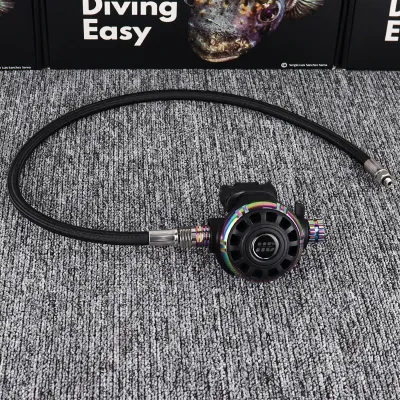
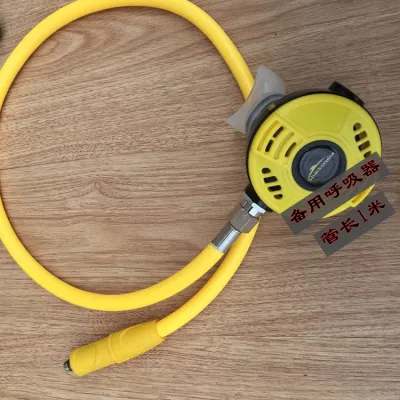
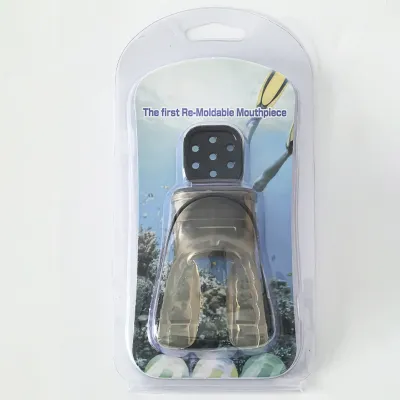
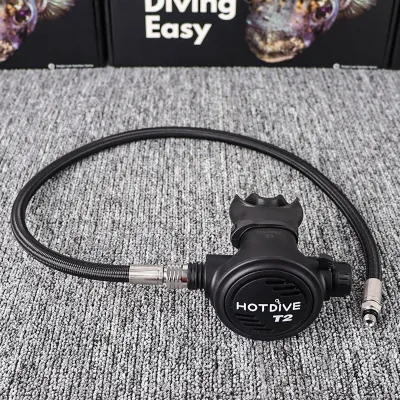
Prices are valid at publication and may change. Please refer to the product page for the latest price.
Essential Regulator Features for Warm, Shallow Tropical Diving
To optimize your diving experience in these warm, shallow waters, your regulator should feature a design tailored to both the physical environment and the logistics of weekend travel.

Lightweight and Compact Designs for Short Getaways
Weekend trips from Singapore to Bintan or Batam typically involve traveling by ferry from terminals such as Tanah Merah or HarbourFront. Ferry operators enforce strict baggage allowances, making heavy dive gear a logistical burden. Opting for a compact first stage and a lightweight second stage constructed from high-impact composite polymers or titanium significantly reduces your overall luggage weight.
Beyond travel convenience, a lightweight second stage offers immediate ergonomic benefits. Heavy regulators exert a constant downward pull, which requires you to grip the mouthpiece tightly, often leading to jaw fatigue or headaches during consecutive dives. A streamlined, lightweight setup sits comfortably in the mouth, allowing you to remain relaxed during multiple dives over a short weekend itinerary.
Warm Water Mechanics and Particle Protection
In cold-water environments, an environmentally sealed first stage is essential to keep water out of the main spring chamber and prevent freezing. For the warm tropical waters of Bintan and Batam, this freezing risk is non-existent, meaning a standard, non-sealed first stage is perfectly functional and often lighter and less expensive.
However, environmental sealing also serves a secondary purpose: keeping out silt, sand, and salt. If you frequently dive near sandy bottoms or participate in beach entries where sediment is suspended in the water column, a sealed first stage or a model with an advanced inlet filter can prevent fine particles from entering the high-pressure seat. When evaluating non-sealed options, check the manufacturer’s specifications for robust particulate filters and ensure you use a secure, dry dust cap immediately upon disconnecting from the cylinder.
Breathing Comfort for Shallow Reef Profiles
While extreme depth performance is not a priority for shallow tropical reefs, consistent and smooth breathing resistance remains vital for air conservation and comfort. A regulator that delivers air effortlessly at shallow depths allows you to maintain a calm, steady breathing pattern, which is especially important for macro photography where stability is key.
Look for second stages equipped with adjustable airflow features, such as a Venturi assist switch and an inhalation effort adjustment knob. The Venturi switch is particularly useful for preventing unwanted free-flows at the surface or during giant-stride entries, while the adjustment knob lets you fine-tune the breathing resistance as your depth changes. Additionally, pairing your regulator with a flexible, braided low-pressure hose can eliminate hose stiffness, reducing jaw strain and allowing freer head movement.
Material Durability and Post-Dive Maintenance
The combination of high salinity and warm temperatures makes tropical seawater highly corrosive to dive equipment. When selecting a dive regulator, prioritize materials known for exceptional corrosion resistance. Marine-grade chrome-plated brass is the industry standard, offering excellent durability and strength. For those willing to invest more, titanium components provide ultimate corrosion resistance and weight savings, though they require specific compatible lubricants during servicing.
Proper post-dive care is critical to preventing salt crystallization and mineral buildup from damaging your regulator’s internal valves. Ensure the second stage has smooth internal pathways and an easily accessible purge button, which allows fresh water to flow freely through the housing during cleaning.
To maintain your regulator’s performance after a weekend trip, follow this systematic rinsing routine:
- Pressurize the system: Whenever possible, soak and rinse the regulator while it is still attached to a pressurized scuba cylinder with the valve open. This internal pressure prevents water from accidentally entering the first stage.
- Secure the dust cap: If you must rinse the regulator unpressurized, ensure the first-stage dust cap is completely dry and screwed tightly into the inlet.
- Avoid the purge button: Never press the purge button while soaking or rinsing an unpressurized regulator. Pressing the button opens the second-stage valve, allowing water, salt, and loose sediment to backflow through the low-pressure hose directly into the first stage, which can damage the high-pressure seat.
- Dry thoroughly: Hang the regulator in a well-ventilated, shaded area to dry completely. Avoid leaving your gear in direct sunlight, as UV rays can degrade rubber hoses and composite components over time.
Travel Regulators vs. Standard Setups: Making the Right Choice
Choosing between a dedicated travel regulator and a standard, full-featured model involves evaluating your long-term diving habits against immediate travel convenience. Dedicated travel regulators are engineered to be ultra-lightweight, often utilizing smaller first stages and flexible, lightweight hoses. While they are exceptionally easy to pack, they may offer fewer low-pressure ports for accessories and might not perform as efficiently at extreme depths or in cold water.
To decide which setup is right for you, consider the following framework:
- Warm-Water Travel Only: If your diving is primarily limited to shallow, warm-water weekend trips in Southeast Asia, a dedicated travel regulator is an excellent choice. It minimizes baggage weight and provides all the performance you need for shallow reef profiles.
- Versatile Diving: If you plan to expand your diving to include deeper technical sites, cold-water destinations, or extended liveaboards with strong currents, a standard, balanced regulator with an environmentally sealed first stage is a more versatile long-term investment.
Regardless of the model you select, always check the manufacturer’s recommended service intervals and verify the availability of authorized service centers in Singapore. Brands with established local technicians make regular annual maintenance straightforward, ensuring your life-support equipment remains safe and reliable for years to come.
Pre-Trip Inspection and Safe Packing Practices
A successful weekend dive trip begins before you leave home. Because dive equipment is life-support gear, a thorough pre-trip inspection is essential to ensure everything is functioning correctly before you depart.
Perform the following visual and physical checks:
- Hose Inspection: Check all low-pressure and high-pressure hoses for cracks, dry rot, bulging, or loose fittings. Pay close attention to the areas directly adjacent to the hose protectors.
- O-Ring Check: Inspect the first-stage connection (whether Yoke or DIN) for a clean, intact O-ring. Look for flat spots, cracks, or embedded grit, and replace the O-ring if any wear is visible.
- Breathing Test: If you have access to a cylinder, connect the regulator, turn on the air slowly, and take a few breaths from both the primary and backup second stages. Listen closely for any hissing or whistling that might indicate a slow leak.
- Purge Test: Depress the purge buttons on both second stages to ensure they operate smoothly and seal completely when released.
When packing for your trip, always carry your regulator in your hand luggage rather than checking it in. Checked baggage on ferries and regional transfers can be subjected to rough handling or stacked under heavy suitcases, which can bend hoses or damage delicate analog gauges. Use a padded regulator bag to protect the first and second stages from impacts. Finally, ensure the first-stage dust cap is secured tightly to prevent dust, lint, or moisture from entering the inlet during transit.
Frequently Asked Questions (FAQ)
Do I need an environmentally sealed regulator for these destinations?
No, an environmentally sealed regulator is not strictly necessary for diving in Bintan and Batam, where water temperatures remain warm year-round. These seals are primarily designed to prevent internal freezing in cold-water environments. However, because they also block silt, sand, and salt from entering the first-stage spring chamber, they can reduce maintenance requirements in sediment-heavy waters. If you prefer a lighter, less complex travel setup, a non-sealed regulator with a high-quality internal filter is perfectly adequate, provided you maintain rigorous post-dive rinsing habits.
Is it better to rent or buy a regulator for frequent weekend trips?
For divers planning frequent weekend trips, purchasing your own regulator is highly recommended. Owning your regulator ensures you know its exact service history, guarantees consistent breathing performance, and offers far better hygiene than rental gear. It also allows you to customize the mouthpiece and hose lengths to fit your body perfectly. While renting is convenient for occasional divers, owning your personal, trusted life-support system provides peace of mind and a much more relaxed, comfortable diving experience on every quick getaway.
Community discussion
Share your experience or ask a question. Comments are reviewed before publication.