
Selecting the right dry bag is one of the most practical decisions a beginner snorkeler can make to protect valuable electronics, dry clothing, and personal items from the harsh marine environment. When you are out on the water, your gear is constantly exposed to saltwater spray, fine sand, and intense tropical sunlight. A standard backpack or casual tote bag will quickly saturate, leaving your phone, car keys, and dry towel vulnerable to water damage.
For beginners, navigating the wide variety of waterproof bags on the market can be overwhelming. Dry bags come in various materials, sizes, and closure styles, each designed for specific outdoor activities. Understanding which features directly address the challenges of snorkeling—such as boat splashes, sandy shore entries, and humid tropical climates—ensures you choose a bag that keeps your gear safe without paying for unnecessary, highly specialized diving specifications.
Why Snorkeling Demands Specific Dry Bag Features
Snorkeling presents a unique set of environmental challenges that differ significantly from land-based outdoor activities or deep-sea scuba diving. The primary threat to your gear during a snorkeling excursion is saltwater. Saltwater is highly corrosive and can permanently damage electronic ports, corrode metal zippers, and leave abrasive salt crystals on delicate fabrics. Additionally, fine sand on beaches can easily migrate into standard bags, scratching camera lenses and clogging mechanical closures.
Products mentioned in this guide
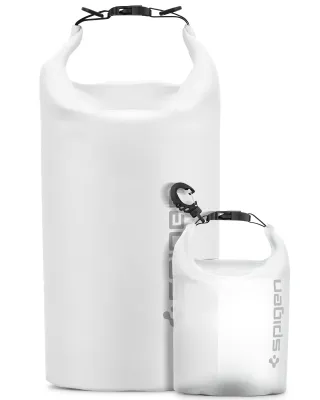
![[SG SELLER] VOZUKO Dry Bag Sports Waterproof Floating Shoulder Bag Backpack Lightweight Kayaking Swimming Camping Surf](https://img.lazcdn.com/g/p/59f4149ddf8cd839e0c3942ec0ce6810.jpg_400x400q80.jpg_.webp)
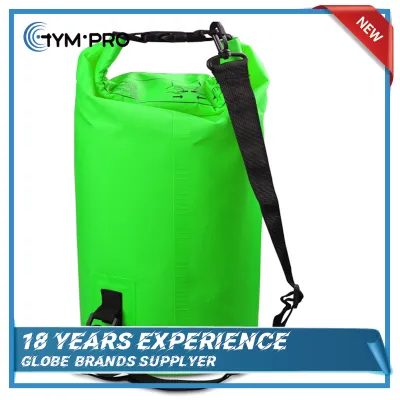
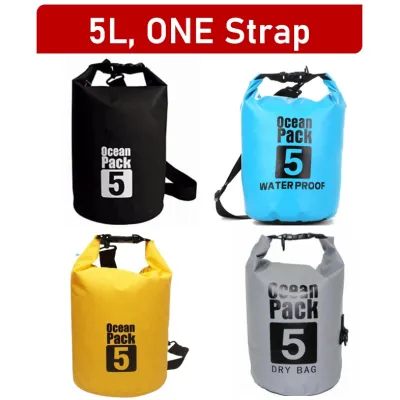
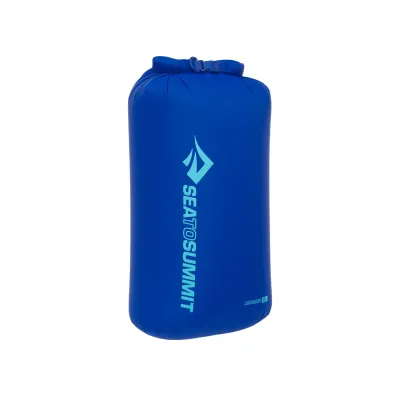
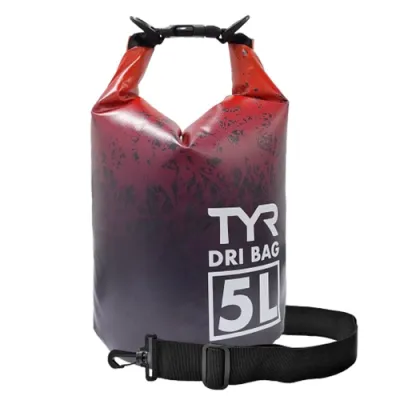
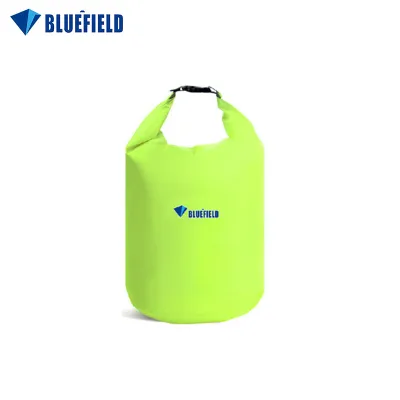
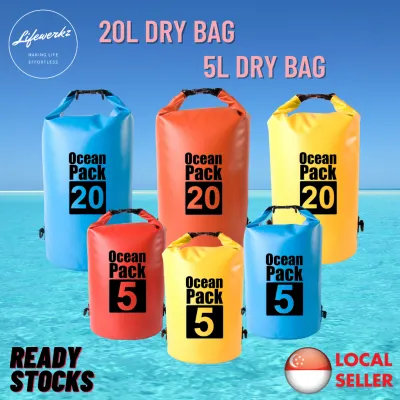
Prices are valid at publication and may change. Please refer to the product page for the latest price.
It is crucial to distinguish between surface splash protection and deep submersion ratings. Snorkeling is primarily a surface-level activity where your dry bag will spend most of its time on a boat deck, a sandy beach, or floating briefly alongside you. Unlike scuba diving, where equipment must withstand extreme hydrostatic pressure at depth, a snorkeling dry bag needs to excel at resisting heavy splashes, brief accidental drops into the water, and intense UV exposure.
Furthermore, the physical environments of snorkeling sites introduce significant abrasion hazards. Whether you are placing your bag on the rough fiberglass deck of a charter boat, dragging it across rocky shorelines, or resting it on sharp coral rubble, the outer material must withstand constant friction. A puncture in your bag’s base immediately compromises its waterproof integrity, turning a protective barrier into a container that traps water inside. Therefore, selecting a bag with reinforced wear points is essential for long-term durability.
While high-quality gear provides peace of mind, it is important to remember that equipment cannot replace proper water safety training, situational awareness, and personal judgment. Always assess sea conditions, currents, and weather patterns before entering the water, and ensure your bag is secured properly so it does not become a distraction or a safety hazard during your swim.
Evaluating Sealing Mechanisms: Roll-Top vs. Waterproof Zippers
The sealing mechanism is the most critical component of any dry bag, as it forms the barrier between your dry gear and the wet environment. The two primary closure systems available are roll-top seals and waterproof zippers, each offering distinct advantages and operational trade-offs for beginner snorkelers.

Roll-top closures are the classic and most common design for recreational dry bags. To seal a roll-top bag, you flatten the stiffened collar at the opening, roll it tightly downward at least three to four times, and then buckle the ends together to secure the roll. This folding action creates a highly reliable, mechanical barrier against water intrusion. The primary benefit of roll-top bags is their simplicity and durability; there are no teeth to break, jam, or misalign. They are also highly cost-effective and naturally trap air inside, which can provide temporary buoyancy if the bag falls overboard. However, accessing your gear requires unbuckling and unrolling the top, which can be tedious if you need to grab items frequently.
Waterproof zippers, on the other hand, offer rapid, direct access to your belongings. These specialized zippers use tightly interlocking teeth and rubberized coatings to seal out water completely. While they are highly convenient, they require meticulous maintenance to remain effective. Saltwater and fine sand are the natural enemies of waterproof zippers; if salt crystals or sand grains lodge in the zipper teeth, they can prevent a complete seal, leading to sudden leaks. Additionally, these zippers must be treated regularly with manufacturer-approved lubricants to slide smoothly and prevent the rubber from cracking.
For beginners, hybrid designs that combine a roll-top closure with secondary security features often provide the best balance. Some bags feature an inner zip-top seal beneath the main roll-top collar, offering double protection. When evaluating any bag, pay close attention to the quality of the buckles and clips. Look for heavy-duty, impact-resistant plastics that click securely into place, as a weak buckle can fail under tension, causing the roll-top to unravel and expose your gear to water.
Material Durability and Waterproof Construction
The fabric of your dry bag determines how well it resists punctures, tears, and environmental degradation over years of use. The three most common materials used in dry bag construction are PVC tarpaulin, TPU (thermoplastic polyurethane), and coated nylon.
PVC tarpaulin is a heavy-duty, thick material favored for its extreme durability and high resistance to abrasion. It is highly puncture-resistant, making it excellent for rough boat decks and rocky shore entries. However, PVC can be quite heavy, stiff, and bulky to pack when empty, and it can stiffen further in cooler temperatures. TPU is a modern, high-performance alternative that offers similar durability to PVC but at a fraction of the weight. TPU remains highly flexible in all temperatures, has excellent resistance to UV radiation and oils (such as sunscreens), and is more environmentally friendly to manufacture. Coated nylon is exceptionally lightweight and packable, making it ideal for travel. However, lightweight nylon is much more susceptible to punctures from sharp objects and abrasive surfaces, meaning it requires careful handling.
Beyond the fabric itself, how the seams are joined is critical to the bag’s waterproof performance. Cheap dry bags often use stitched seams that are covered with waterproof tape. Over time, the adhesive on this tape can degrade due to heat, humidity, and saltwater exposure, leading to seam separation and leaks. High-quality dry bags utilize high-frequency (HF) welded seams. This process uses electromagnetic energy to heat and fuse the fabric layers together at a molecular level, creating a seamless, permanent bond that is actually stronger than the surrounding material.
When researching dry bags, look for clear manufacturer specifications regarding waterproof ratings rather than relying on vague marketing terms like “fully waterproof.” Many reputable brands use the International Protection (IP) marking system. An IPX6 rating indicates the bag can withstand high-pressure water streams from any angle, making it perfect for heavy rain and boat splashes. An IPX7 rating means the bag can withstand temporary submersion in shallow water (typically up to one meter for 30 minutes), which provides an extra layer of safety if the bag accidentally falls into the sea.
Sizing Your Dry Bag for Snorkeling Essentials
Choosing the correct capacity for your dry bag is a balancing act. A bag that is too small will force you to leave essential items behind or overstuff the closure, while a bag that is too large becomes unnecessarily bulky to transport on small boats or carry down to the beach.
To determine the right size, categorize your gear into essential dry items and wet items. Your dry bag should only hold items that must stay dry, such as your phone, wallet, car keys, dry change of clothes, a compact microfiber towel, snacks, and medication. Wet items, such as your mask, snorkel, and fins, do not need to go inside the dry bag and are better carried in a breathable mesh gear bag that allows them to air-dry.
Dry bags are measured in liters, with standard capacities ranging from 5L to 30L for recreational use:
- 5L to 10L: These compact bags are ideal for solo snorkelers who only need to protect small personal valuables, a phone, keys, and perhaps a very light windbreaker or small microfiber towel. They are lightweight and easy to stow.
- 15L to 20L: This is the most versatile size range for a day-long snorkeling trip. A 20L bag comfortably holds a full change of dry clothes, a standard beach towel, sunscreen, snacks, a water bottle, and your personal electronics.
- 30L and above: These larger bags are best suited for couples sharing a single bag, families, or trips where you must carry bulky gear or professional camera housings.
It is vital to avoid overstuffing your dry bag. For a roll-top bag to seal effectively, you must leave enough empty space at the top (usually about one-third of the bag’s height) to complete the three to four tight folds. Overstuffing prevents you from making enough folds, which compromises the seal and allows water to seep in through the top under the slightest splash. If you are between sizes, it is always safer to choose the larger option and roll it down further.
Carrying Options and Boat Attachment Features
How you transport your dry bag to and from the water is just as important as how dry it keeps your gear. Depending on whether you are hiking to a secluded cove or boarding a crowded charter boat, the carrying configuration can make a significant difference in comfort and convenience.
For short walks from a car to a beach, a single, adjustable shoulder strap is usually sufficient. However, if you plan to hike along rocky coastal trails to reach remote snorkeling spots, look for a dry bag equipped with dual, padded backpack straps. These straps distribute the weight evenly across your shoulders and back, keeping your hands free to carry your fins and maintain your balance on uneven terrain. Some advanced models even feature breathable mesh back panels to prevent sweat buildup in hot, humid climates.
When you are on a boat, kayak, or stand-up paddleboard, securing your dry bag is essential to prevent it from sliding into the water during rough transits. Look for bags equipped with external D-rings, lash points, or heavy-duty grab handles. These features allow you to use carabiners, bungee cords, or straps to tie the bag securely to a boat cleat, kayak deck rigging, or a paddleboard’s cargo area. A bag that is securely lashed down will not float away even if the vessel capsizes or encounters heavy swells.
The materials used in the bag’s hardware must also be carefully inspected. Saltwater is highly corrosive to metals and can degrade low-grade plastics quickly. Ensure all clips, D-rings, and buckles are made from high-impact, UV-resistant plastics (such as nylon or polyoxymethylene) or marine-grade metals like anodized aluminum or stainless steel. Avoid any bags with cheap, unrated metal components that will rust, seize, or snap after a few exposures to sea spray.
Building Your Snorkeling Dry Bag Shortlist
To help you evaluate and compare different dry bags during your research, use the following condition-based checklist to match specific features to your typical snorkeling scenarios.
| Snorkeling Scenario | Recommended Capacity | Ideal Material | Key Features to Prioritize |
|---|---|---|---|
| Boat-Based Day Trips | 15L to 20L | Heavy-duty PVC or TPU | D-rings for lashing, grab handles, IPX6 or IPX7 rating, bright high-visibility colors. |
| Shore Entries & Beach Hikes | 10L to 20L | Lightweight TPU or Coated Nylon | Dual padded backpack straps, roll-top closure (to resist sand), external mesh pockets. |
| Quick Solo Snorkels | 5L to 10L | TPU or PVC | Single shoulder strap, compact profile, internal zippered pocket for keys/cards. |
When browsing online marketplaces or local outdoor stores, watch out for red flags that indicate a low-quality product. Basic 10L dry bags often start around S$15 to S$30, while heavy-duty technical bags can range from S$50 to over S$100. Avoid bags that use ambiguous terms like “water-resistant” or “shower-proof” without providing an actual IP rating or clear construction details. Be wary of extremely cheap bags with thin, unreinforced base materials, as these are highly prone to pinhole punctures when set down on sand or rocks. Flimsy, thin plastic buckles that bend easily under hand pressure are another sign of poor manufacturing and are likely to fail when the bag is packed tight.
Before making your final purchase, verify the manufacturer’s warranty terms and return policies. Reputable outdoor brands often offer guarantees on their welded seams and seals, reflecting confidence in their manufacturing quality. Once you purchase your bag, always perform a pre-use test at home: place a dry piece of paper towel inside the bag, seal it according to the instructions, and submerge it in a bathtub or sink for a few minutes. If the paper towel remains bone-dry, your bag is ready for the ocean.
Frequently Asked Questions (FAQ)
Can I take a standard dry bag underwater while snorkeling?
No, you should not take a standard recreational dry bag underwater while snorkeling. Standard dry bags, especially roll-top models, are designed to protect against surface splashes, rain, and brief accidental submersions. They are not pressure-rated. When you submerge a roll-top bag underwater, the increasing hydrostatic pressure forces the air out and pushes water past the folds of the seal. For underwater swimming or diving, you require specialized, pressure-rated diving canisters or dry bags specifically certified for deep submersion.
How do I clean and store a dry bag after exposure to saltwater?
To prolong the lifespan of your dry bag, always rinse it thoroughly with clean, fresh water inside and out after every trip to wash away salt crystals, sand, and sunscreen residue. Hang the bag to air-dry completely in a shaded, well-ventilated area, keeping it inside out first to dry the interior, then turning it right side out. Avoid exposing the bag to direct, intense sunlight for extended periods when drying, and never use harsh chemical detergents, washing machines, or tumble dryers, as the heat and agitation can melt welded seams and strip away waterproof coatings.
Do I need a separate waterproof phone pouch if I have a dry bag?
Using a separate waterproof phone pouch inside your dry bag is highly recommended as a double layer of protection. This redundancy is crucial for expensive electronics that cannot survive even brief exposure to saltwater. When you are on a wet boat deck or sandy beach, you will frequently open your main dry bag to grab a snack, towel, or sunscreen, which can let in drops of water or wet sand. Keeping your phone in its own sealed pouch ensures it remains protected even when the main bag is open.

Community discussion
Share your experience or ask a question. Comments are reviewed before publication.