
To choose the right fishing backpack as a beginner, prioritize four core elements: robust weather resistance (such as TPU-coated fabrics or integrated rain covers), dedicated tackle tray organization, secure external rod and tool attachment points, and ergonomic ventilation suited for long days on the water. Unlike standard daypacks, a dedicated fishing backpack keeps your gear organized, dry, and instantly accessible while keeping your hands free to cast, wade, or climb.
Selecting your first pack requires matching these features to your specific fishing style and local environment. Whether you are trekking along coastal rock walls or casting in freshwater reservoirs, the right gear storage prevents damage to expensive tackle and reduces physical fatigue.
Why You Need a Dedicated Fishing Backpack
Using a standard school or hiking backpack for fishing quickly reveals major functional gaps. Standard daypacks are typically constructed from lightweight nylon or canvas that easily absorbs water, retains fish slime, and traps moisture inside the compartments. When exposed to coastal environments, these fabrics hold onto salt crystals, which accelerate material rot and cause standard metal zippers to seize and corrode within a few trips.
Products mentioned in this guide
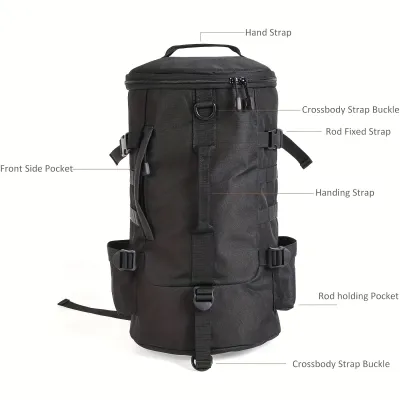
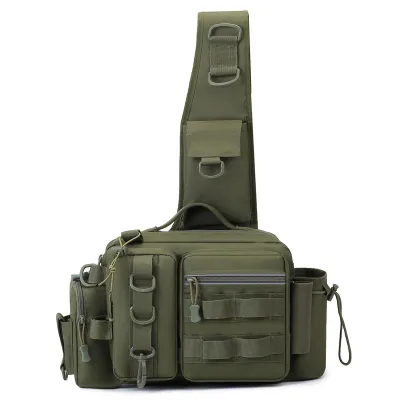
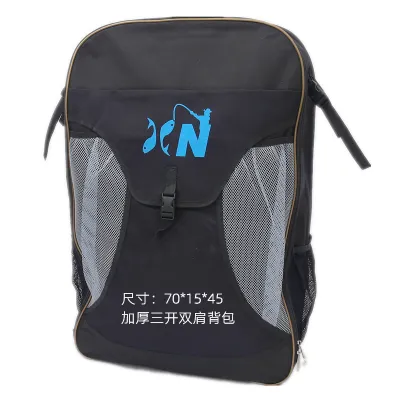
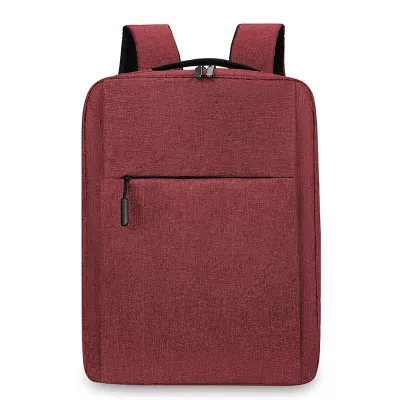
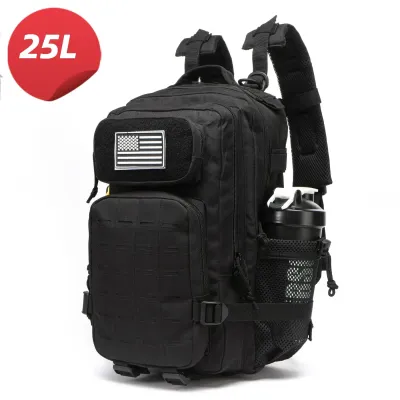
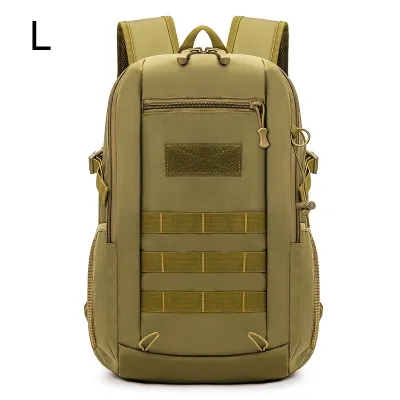
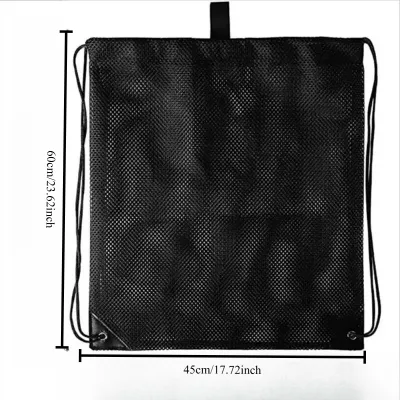
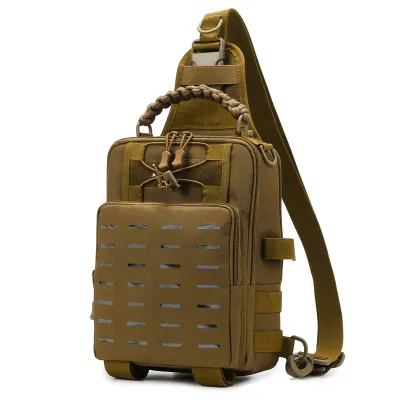
Prices are valid at publication and may change. Please refer to the product page for the latest price.
Furthermore, standard bags lack specialized internal structure. Without rigid tackle box sleeves or dedicated trays, plastic utility boxes shift, slide, and stack awkwardly. This lack of organization forces you to unpack the entire bag just to find a specific lure, increasing the risk of dropping loose hooks or delicate terminal tackle into the water or dirt. Reaching blindly into a disorganized main compartment also poses a safety hazard when loose hooks or knives are stored inside.
Finally, standard backpacks do not feature external attachment systems designed for awkward angling gear. Trying to strap a fishing rod, a wet landing net, or long aluminum pliers to a standard hiking pack usually results in gear slipping out, scratching, or snapping. Dedicated fishing backpacks solve these problems by integrating specialized holsters, reinforced tool loops, and corrosion-resistant materials designed specifically for wet, salty, and demanding outdoor conditions.
Essential Features to Look for in a Fishing Backpack
An effective fishing backpack relies on four design pillars: weather protection, tackle organization, external carrying systems, and ergonomic comfort. A failure in any of these areas can lead to damaged gear, waterlogged personal items, or physical discomfort that cuts your fishing trip short.

Because no single backpack excels in every environment, your feature priority should be driven by where and how you plan to fish. An angler walking long distances along sandy beaches will prioritize sand-proof zippers and rod security, while a kayak angler will focus almost entirely on compact waterproofing and non-corrosive hardware.
Weather Resistance and Material Durability
When evaluating weather resistance, understand the difference between water-resistant coatings, waterproof roll-top designs, and integrated dry bags. Water-resistant backpacks are typically made of high-denier polyester or nylon treated with a Durable Water Repellent (DWR) coating. These packs easily handle light spray and brief showers, but they will eventually leak during heavy downpours or if submerged. Waterproof roll-top designs and TPU-coated dry bags use welded seams instead of stitched threads, creating an airtight seal that protects your gear even if the bag accidentally falls into the water.
Zippers are the most common failure point on any outdoor bag. Look for heavy-duty, molded plastic zippers or zippers treated with a water-repellent polyurethane coating. For saltwater fishing, completely avoid exposed metal zippers, as salt crystallization will quickly jam the teeth and corrode the slider. Oversized zipper pulls or loop cords are also essential, allowing you to open compartments easily with wet, cold, or slimed hands.
Lastly, verify that the backpack utilizes UV-resistant and abrasion-resistant materials. Constant exposure to intense sunlight can degrade cheap fabrics, causing them to fade, crack, and lose their water resistance over time. Look for base panels reinforced with heavy-duty materials like 1000D nylon or molded EVA plastic, which protect the bottom of your pack when placed on rough rocks, wet concrete, or abrasive sand.
Tackle Organization and Accessibility
Efficient tackle organization prevents wasted time on the water. High-quality fishing backpacks often feature a structured, lower compartment designed specifically to hold standard plastic utility trays (such as 3600 or 3700 size tackle boxes). These compartments should be padded and reinforced to prevent the heavy plastic boxes from cracking each other when the bag is dropped or jarred. Front-loading access allows you to slide individual trays out horizontally without disturbing the gear stored in the upper sections of the bag.
For external tool management, look for laser-cut MOLLE webbing, daisy chains, or specialized hook-and-loop straps. These systems allow you to customize your bag by securely mounting external pouches, plier holsters, and knife sheaths. Having these tools mounted externally ensures they are immediately accessible when you need to unhook a fish quickly, minimizing stress on the animal.
Quick-access top or side pockets are equally important for storing frequently used personal items. Look for dedicated, fleece-lined pockets to protect polarized sunglasses from scratches, and easily accessible mesh pockets for sunscreen, insect repellent, and leader line spools. Keeping these items separated from your main tackle ensures you do not have to dig through lures and sinkers to find basic necessities.
Rod Holders and External Attachment Systems
Carrying multiple rods or walking through thick brush requires a secure rod-carrying system. Most fishing backpacks utilize side compression straps paired with a bottom pocket or cup to hold the rod butt. This system keeps the rod vertical and close to your center of gravity, preventing it from swaying or snagging on low-hanging branches while you walk.
When evaluating these systems, consider whether you need them for long-distance transit or active fishing. For long-distance hiking, a fully enclosed rod tube or a highly secure dual-strap system is necessary to prevent the rod from slipping out. For active wading or shore casting, a quick-release bungee cord or a magnetic rod holder is preferred, allowing you to secure your rod temporarily while tying knots or releasing a fish.
Always check that the bottom cups or loops designed to hold the rod handle are reinforced with heavy-duty webbing or molded rubber. This area experiences significant friction and impact from rod butts and reels. Without reinforcement, the weight and movement of the rod can quickly wear holes through the bottom of the pocket.
Comfort, Weight Distribution, and Frame Design
Carrying heavy lead sinkers, full tackle trays, water bottles, and tools can easily add up to several kilograms of gear. To manage this weight, look for wide, contoured shoulder straps with thick, closed-cell foam padding. An adjustable chest strap (sternum strap) and a padded waist belt are also essential for transfering the load from your shoulders to your hips, reducing upper back strain during long treks.
In hot and humid tropical environments, such as Singapore, proper ventilation is critical to prevent heat rash and excessive sweating. Look for backpacks featuring suspended mesh back panels or deep ventilation channels molded into EVA foam. These designs create an air gap between your back and the pack, allowing heat to escape and air to circulate freely.
Finally, check the internal frame or structural backing of the bag. A completely soft, frameless backpack will sag and collapse under the weight of heavy tackle boxes, causing the pack to pull backward and strain your shoulders. An internal frame sheet or structured back panel keeps the bag upright when placed on the ground and ensures the load remains balanced against your back while walking.
Matching Backpack Features to Your Fishing Environment
To avoid overbuying unnecessary features or under-equipping yourself, match the backpack’s design to your primary fishing environment. Different venues present unique challenges that dictate which features are mandatory and which are optional.
Shore and Surf Fishing
Anglers fishing from sandy beaches, breakwaters, or rocky coastlines face constant exposure to salt spray, wind-blown sand, and abrasive surfaces. For these environments, prioritize high sand resistance and robust external rod holders. Sand can easily ruin standard zippers, so look for oversized, self-cleaning plastic zippers.
Because you will often be walking long distances along the shoreline, secure rod holders are essential to keep your hands free for balance on slippery rocks. A reinforced, molded plastic base is also highly beneficial, as it keeps the bottom of the bag dry and clean when set down on wet sand or jagged rocks.
Boat and Kayak Fishing
Fishing from a boat or kayak requires a compact, low-profile backpack that minimizes the risk of snagging on rigging, rod holders, or kayak seats. Space is at a premium on watercraft, so look for a bag with a rigid structure that can sit upright at your feet or behind your seat without tipping over.
Waterproofing is the primary concern here, as deck spray, bilge water, and sudden downpours are common. A fully waterproof roll-top bag or a pack with a highly rated waterproof TPU coating is ideal. Ensure all hardware is completely non-corrosive, as kayak decks are constantly damp and exposed to saltwater.
Hike-in and Stream Fishing
If your fishing style involves hiking along freshwater reservoirs, streams, or forested trails, focus on lightweight frames and streamlined exteriors. Avoid bags with excessive external straps, loops, or dangling cords, as these will easily snag on thick brush and branches.
Look for a pack that features hydration bladder compatibility (a dedicated sleeve and hose port) to ensure you stay hydrated during long walks in tropical heat. A lightweight internal frame and a supportive hip belt are critical for comfort when walking several kilometers, allowing you to carry your gear, water, and a lightweight rain jacket effortlessly.
Safety Warning: Before heading out to any fishing location, always check local tide tables, swell reports, and weather forecasts. Sudden tropical downpours and rising tides can create hazardous conditions. Note that a fishing backpack is not a personal flotation device (PFD). If you are wading in deep water, fishing near strong currents, or angling from a kayak, you must wear an approved life jacket or PFD, regardless of your swimming ability.
How to Inspect and Test a Fishing Backpack Before Buying
Before finalizing your purchase, perform a hands-on inspection to verify the build quality, fit, and functionality of the backpack. If purchasing online, use these steps to evaluate the bag immediately upon delivery so you can utilize the return policy if the quality does not meet your expectations.
Step 1: Inspect Stress Points
Examine the connection points where the shoulder straps, grab handle, and waist belt attach to the main body of the backpack. Look for reinforced bar-tack stitching (dense, parallel rows of stitches) or double-stitching. Pull firmly on the straps to check for any fabric separation, loose threads, or weak seams. Ensure the rod holder attachments and external tool loops are securely stitched into the main seams of the bag rather than just the outer fabric layer.
Step 2: Test Hardware
Open and close every zipper multiple times. The movement should be smooth and free of catching, even around tight corners. Check that the zipper teeth align perfectly without gaps. Pull on the plastic buckles, chest clips, and strap adjusters to ensure they lock tightly and do not slip under tension. Verify that any metal components, such as D-rings or grommets, are labeled as marine-grade, brass, or treated stainless steel to prevent rapid rusting.
Step 3: Load and Balance
Pack the bag with representative weight to simulate a real fishing trip. You can use water bottles, heavy books, or your existing tackle trays to load the pack to around 5 to 8 kilograms. Put the backpack on, adjust all the straps, and walk around. The weight should sit comfortably on your hips rather than pulling backward on your shoulders. Lean forward and side-to-side; the bag should remain securely aligned with your body without shifting excessively.
Step 4: Verify Rod Security
Insert a fishing rod (or a similarly sized object, like a broom handle) into the rod holder system. Secure the compression straps or bungee cords according to the manufacturer’s instructions. Gently shake the backpack from side to side and tilt it forward. The rod should remain firmly upright and should not slip downward, bounce excessively, or tilt away from the pack. If the rod slides or feels loose, the holder system is inadequate for active walking.
Frequently Asked Questions (FAQ)
Can I use a regular hiking backpack for fishing?
While you can use a regular hiking backpack, it is not recommended for long-term use. Hiking bags lack specialized, rigid compartments to protect tackle trays, meaning your gear will constantly shift and become disorganized. Additionally, standard hiking fabrics easily absorb water and fish slime, leading to mold and bad odors, while their standard metal zippers will quickly corrode and seize when exposed to saltwater spray.
How do I clean and maintain a fishing backpack after saltwater use?
To prolong the life of your fishing backpack, empty all contents after every saltwater trip and rinse the entire bag thoroughly with cool, fresh water. Pay special attention to the zippers and plastic buckles to wash away salt crystals and sand. Leave all compartments and zippers completely open, and hang the backpack to air dry in a shaded, well-ventilated area. Avoid using harsh detergents, bleach, or hot water, as these can strip the fabric’s water-resistant coatings.
What size fishing backpack is best for a standard day trip?
For a standard day trip, a fishing backpack with a capacity of 20 to 35 liters is ideal. This size provides enough space to carry three to four medium-sized tackle trays, essential tools, a rain jacket, snacks, and water. If you are fishing from a kayak or boat where space is limited, stick to the smaller end of this range (20L to 25L). For long hike-in trips where you must carry extra water and gear, opt for a larger 30L to 35L pack.
Community discussion
Share your experience or ask a question. Comments are reviewed before publication.