
Selecting the right gear is one of the first challenges you face when picking up golf. While clubs, balls, and tees naturally command most of your attention, small accessories play a critical role in your performance and enjoyment on the course. Among these, a dedicated sports towel is an essential tool that directly impacts how clean your equipment stays and how securely you can grip your clubs.
A golf towel serves three primary tasks during a round: cleaning debris from clubfaces, drying moisture from grips, and wiping dirt off golf balls. When dirt or grass settles into the grooves of your clubface, it alters the spin and trajectory of your shots. Similarly, a wet or sweaty grip can cause the club to slip mid-swing, leading to inconsistent contact and frustrating mishits.
Many beginners assume any household towel will suffice, but standard bath or gym towels lack the specific features required for the golf course. Dedicated golf towels are engineered with specialized attachment systems, durable textures, and weather-resistant fabrics designed to withstand outdoor elements. They are built to clean rugged surfaces without shedding lint or holding onto excessive moisture.
Products mentioned in this guide
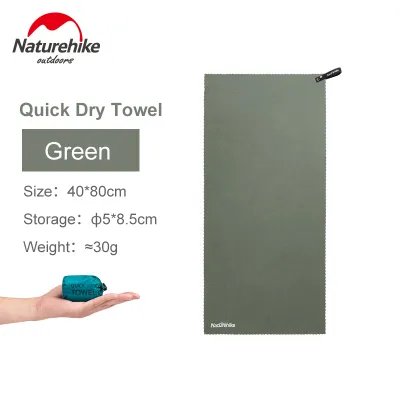
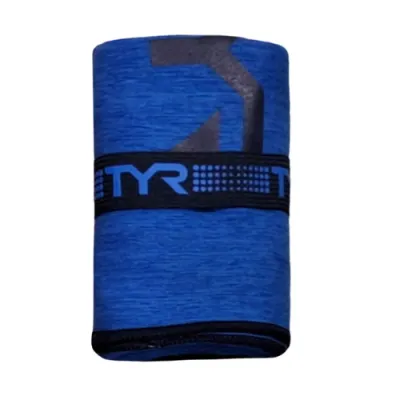
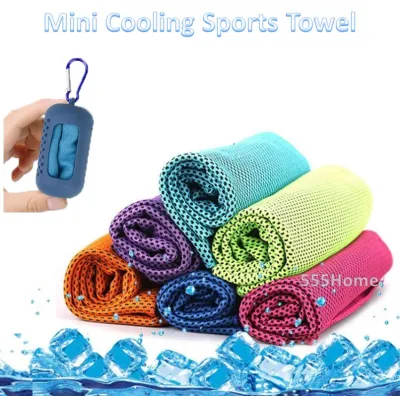
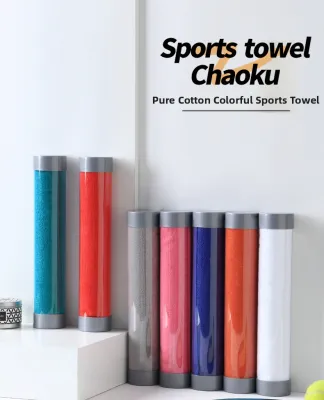
Prices are valid at publication and may change. Please refer to the product page for the latest price.
Evaluating key specifications before making a purchase ensures you select a towel that matches your playing style, local climate, and bag setup. By focusing on material composition, size, attachment mechanisms, and ease of maintenance, you can find a reliable accessory that keeps your gear in optimal condition throughout your round.
Core Material and Absorbency Features
The material of your sports towel determines how effectively it absorbs moisture and lifts stubborn dirt from your equipment. Microfiber and cotton blends are the two most common fabrics you will encounter. Microfiber is highly favored in modern golf design due to its split-fiber structure, which creates millions of tiny pockets that trap dust, sand, and moisture far more efficiently than natural fibers.
Cotton blends offer a traditional, soft feel and excellent initial absorbency, making them highly effective for drying wet hands or wiping down grips. However, cotton tends to hold onto water longer than synthetic materials, which can leave the towel heavy and damp during humid rounds or sudden rain showers. Microfiber, by contrast, dries rapidly, allowing it to remain functional even during extended outdoor sessions.
Texture is another critical factor when evaluating fabric performance. Many golf towels feature a waffle-weave pattern, which uses a raised grid design to scrape away mud, grass, and sand from club grooves without scratching the metal. Some advanced models even incorporate dedicated scrubbing patches or heavy-duty nylon brush inserts on one corner to tackle hardened dirt.
When reviewing product specifications, look for explicit lint-free claims from the manufacturer. Standard cotton towels often shed tiny fibers that can cling to the clubface or transfer to your golf ball, potentially affecting the aerodynamics of your shot. A high-quality microfiber sports towel minimizes lint transfer, ensuring a completely clean surface after every wipe.
Finally, consider the thickness and density of the fabric, which is often measured in grams per square meter (GSM). A thicker, high-GSM towel offers superior absorbency and can hold more water, which is ideal if you prefer to keep one half of the towel wet for cleaning and the other half dry for wiping. However, thinner towels are lighter, dry much faster, and are easier to pack into tight bag compartments.
Size, Shape, and Portability Considerations
Golf towels come in several shapes and sizes, each offering distinct advantages depending on how you navigate the course. Standard rectangular towels are highly versatile and provide a large surface area for cleaning multiple clubs. However, specialized shapes like tri-fold, tube, or bib styles are specifically tailored to streamline your routine and save space.

Tri-fold towels are pre-folded into three vertical sections and secured at the top with a grommet or clip. This design keeps the towel compact while ensuring the dirty inner surfaces remain folded away, preventing mud and moisture from rubbing off onto your clothes or golf bag. Tube or pocket-style towels allow you to wet the inside while keeping the outside dry, providing a self-contained cleaning system.
Choosing between a large towel and a compact option involves a clear trade-off between cleaning capacity and portability. Large towels, often measuring around 50 by 100 centimeters, offer plenty of clean fabric for an entire 18-hole round but can be bulky and heavy when wet. Compact towels, typically around 40 by 40 centimeters, are lightweight and easy to carry but may require more frequent washing during muddy rounds.
Many specialized golf towels feature center slits or heavy-duty grommets. A center slit allows you to drape the towel securely over the top of your clubs or alignment sticks, keeping it easily accessible at waist height. Grommets provide a reinforced hole for attaching clips, ensuring the fabric does not tear under the weight of a wet towel.
Before finalizing your purchase, measure the available storage space on your golf bag or pushcart. If you prefer to store your towel inside a zippered pocket when not in use, a compact, highly compressible microfiber towel is ideal. If you plan to hang it externally, ensure the length of the towel does not drag on the ground or get caught in the wheels of your cart.
Attachment Mechanisms and Course Convenience
How your towel attaches to your gear is just as important as the fabric itself. A towel that constantly falls off or is difficult to detach quickly becomes a distraction. The most common attachment systems include carabiner clips, magnetic backers, and Velcro straps, each offering different levels of convenience and security.
Carabiner clips are the traditional choice, offering a secure, mechanical lock that connects directly to the accessory ring on your golf bag. This system ensures your towel will not fall off, even when walking through rough terrain or transporting your bag in a vehicle. However, detaching a carabiner can sometimes require two hands, which can slow you down when you need to take the towel to the green.
Magnetic attachments have grown in popularity because they allow for effortless, one-handed operation. These systems use a powerful magnet embedded in the towel that snaps onto a metal receiver on your bag, cart frame, or even the clubhead itself. While highly convenient, you must verify that the magnet is strong enough to withstand the bumps of a motorized cart without dropping the towel.
Velcro straps offer a lightweight, simple alternative that can wrap around cart handles, bag straps, or umbrella ribs. While highly adjustable, Velcro can wear out over time and may snag on certain delicate clothing fabrics or knit headcovers. Ensure the strap is made of high-quality, tightly woven nylon to maximize its lifespan.
Regardless of the attachment type, prioritize rust-resistant hardware such as anodized aluminum, stainless steel, or heavy-duty plastics. Golf accessories are frequently exposed to rain, morning dew, and high humidity, which can quickly corrode cheap metal clips. A sturdy, weather-resistant mechanism ensures your towel remains securely attached season after season.
Maintenance, Durability, and Care Requirements
Proper maintenance is essential to preserve the absorbency and cleaning power of your sports towel. Over time, dirt, sweat, and grass stains clog the fibers, reducing the towel’s ability to hold water and trap debris. Regular washing is necessary, but you must follow specific care guidelines to avoid damaging the technical fabrics.
When washing microfiber towels, always avoid using fabric softeners or dryer sheets. Fabric softeners coat the synthetic fibers with a thin, water-resistant silicone layer, which severely clogs the micro-pores and ruins the towel’s natural absorbency. Instead, use a mild liquid detergent and wash the towel with similar synthetic fabrics to prevent cotton lint from transferring onto the microfiber.
Frequent washing can also impact the attachment hardware. If your towel features a built-in magnet or a non-removable metal clip, place the towel inside a mesh laundry bag before throwing it into the washing machine. This protects both the hardware and your washing machine drum from loud banging and potential scratches.
Inspect your towel regularly for visual signs of wear that indicate it is time for a replacement. Fraying edges, thinning fabric, a loss of the original waffle texture, or persistent, musty odors that survive a wash cycle are clear indicators that the fibers have degraded. A worn-out towel will smear dirt across your clubface rather than lifting it away.
Always check the manufacturer’s care label for specific temperature limits and drying instructions. While some synthetic towels can handle low-temperature tumble drying, air drying is generally recommended to prevent heat damage to the fibers and any rubberized scrubbing elements. Hanging the towel in a well-ventilated area ensures it dries thoroughly without developing mold.
Building Your Beginner Shortlist
To find the perfect golf towel without overspending, start by defining your primary on-course needs. If you play mostly in dry, dusty conditions, prioritize a waffle-weave microfiber towel with a sturdy carabiner clip to brush away sand and dry soil. If you frequently play in wet weather or highly humid environments, look for a highly absorbent, quick-drying towel that can easily wipe down wet grips.
Next, establish a realistic budget for your accessories. High-quality, durable sports towels generally range from S$15 to S$40, depending on the size, material technology, and attachment system. While budget-friendly options are widely available, investing slightly more in a towel with rust-resistant hardware and reinforced stitching will save you money in the long run by reducing the need for frequent replacements.
Before making a final decision, read verified user reviews on online marketplaces or golf specialty sites. Pay close attention to feedback regarding the durability of the attachment clip and how well the fabric holds up after multiple wash cycles. Avoid products with frequent complaints about weak magnets, rusting clips, or excessive lint shedding.
As a beginner, it is best to start with a versatile, mid-sized microfiber tri-fold towel. This style offers an excellent balance of portability, cleaning surface, and secure attachment. Once you establish your personal on-course routine and understand your specific preferences, you can easily upgrade or expand your setup to include specialized towels.
Frequently Asked Questions (FAQ)
Can I use a regular gym or bath towel instead of a dedicated golf towel?
While you can technically use a standard gym or bath towel as a temporary substitute, it is not ideal for regular course use. Standard towels lack secure attachment mechanisms, meaning you will have to stuff them into pockets or drape them loosely over your bag, where they are highly likely to fall off and get lost. Additionally, household cotton towels lack the specialized waffle-weave textures needed to clean deep club grooves and often leave behind excessive lint that can interfere with clean ball contact. A dedicated sports towel is highly recommended for its durability, convenience, and superior cleaning performance.
How many golf towels should a beginner carry in their bag?
For most beginners, carrying one versatile, mid-sized golf towel is perfectly sufficient to handle standard course conditions. This single towel can be divided into a wet zone for cleaning clubfaces and a dry zone for wiping hands and grips. However, if you frequently play in highly humid conditions or wet weather, carrying a second, smaller towel is highly beneficial. You can keep this second towel stored in a dry pocket of your bag, reserving it exclusively for drying your hands and club grips to maintain a secure hold during your swing.
Community discussion
Share your experience or ask a question. Comments are reviewed before publication.