
Selecting your first home reformer pilates machine is a significant step toward establishing a consistent, low-impact strength and mobility practice. For a beginner, the sheer variety of equipment options—ranging from lightweight folding models to heavy, studio-style wooden frames—can feel overwhelming. The ideal home machine must balance structural safety, smooth mechanical operation, and progressive resistance, while also fitting practically into your living space.
While the appeal of studio workouts is undeniable, a dedicated home machine allows you to practice at your own pace, target specific muscle groups, and fit sessions around a busy schedule. However, because reformer pilates involves dynamic suspension, spring tension, and moving parts, prioritizing build quality and safety features is essential. This guide outlines the key specifications, structural elements, and practical considerations to help you select a reliable home reformer that supports your fitness journey.
Assessing Your Space and Commitment Before Buying
Before diving into technical specifications, you must evaluate your physical home environment and your long-term practice goals. A reformer pilates machine is a large piece of furniture that requires dedicated floor space, not just for the machine itself, but for your body to move freely around it.
Products mentioned in this guide
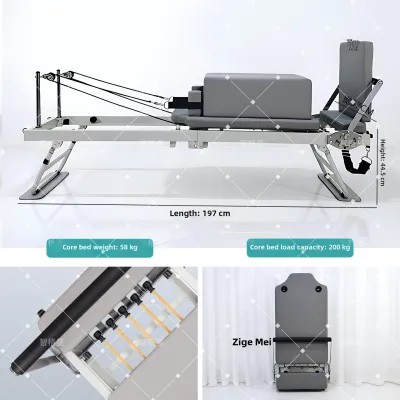
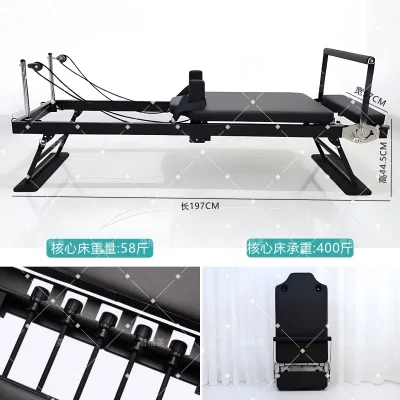
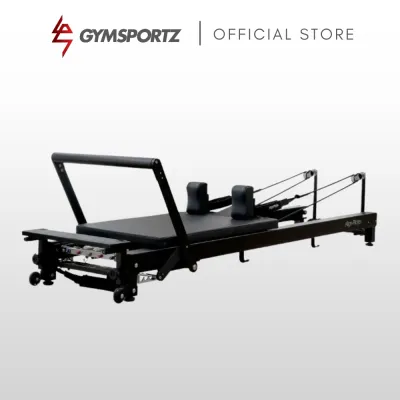
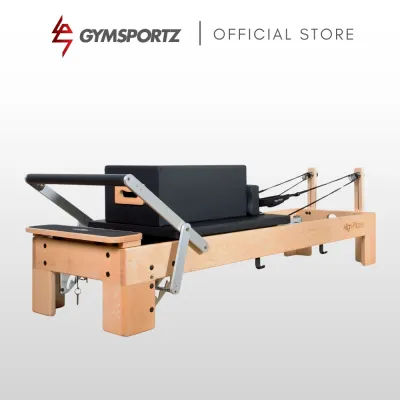
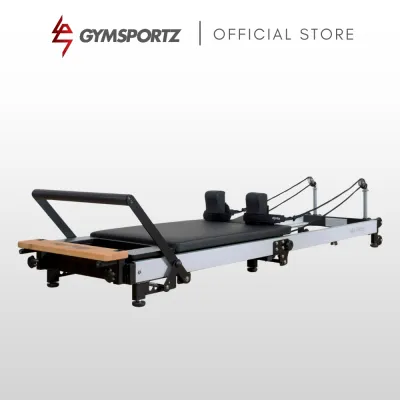
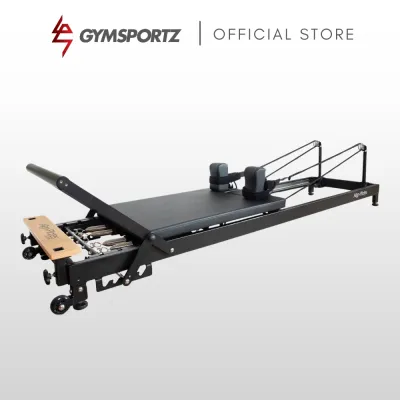
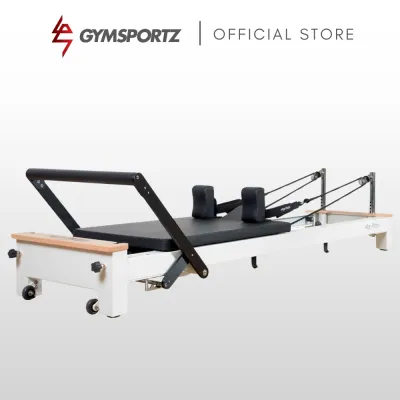
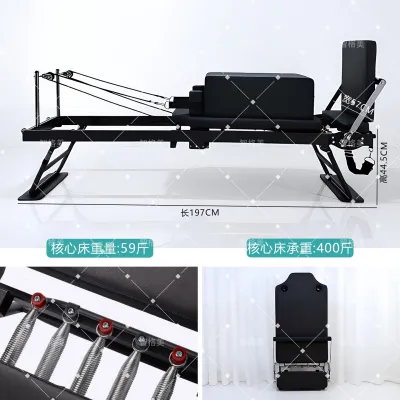
Prices are valid at publication and may change. Please refer to the product page for the latest price.
Start by measuring your intended workout area with a tape measure. A standard home reformer typically spans between 2.2 and 2.5 meters in length and 60 to 70 centimeters in width. Beyond these base dimensions, you must factor in a safety clearance zone. You will need enough space to extend your arms and legs fully to the sides and overhead without hitting walls, furniture, or low-hanging ceiling fixtures like fans.
Your practice frequency and commitment level should dictate your budget. If you are committed to practicing three or more times a week, investing in a mid-to-high-tier machine with durable components is highly cost-effective compared to ongoing studio membership fees. In Singapore, entry-level folding reformers generally cost between S$800 and S$1,800, while high-quality metal or solid wood machines range from S$2,500 to over S$5,000.
While budget-friendly options on online marketplaces can be tempting, structural stability should never be compromised. Flimsy frames can flex or slide during dynamic movements, which disrupts your balance and increases the risk of injury. Investing in a solid, reputable brand ensures the machine remains stable under load and retains its resale value if your needs change.
Evaluating the Carriage and Frame for Stability and Comfort
The frame and the sliding carriage are the core structural components of any reformer. They bear your full body weight and must withstand the dynamic forces generated during pulling, pushing, and balancing exercises. Understanding how these components are constructed will help you assess their durability and safety.

Frame Materials and Weight Capacity
Home reformer frames are typically constructed from either solid wood or reinforced metals like aluminum and steel.
- Solid Wood Frames: Often crafted from maple, beech, or oak, wood frames are favored for their exceptional stability, natural shock absorption, and quiet operation. They also offer a warm, premium aesthetic that blends well with home decor. However, wood is heavier, rarely foldable, and requires a dedicated, permanent space. In Singapore's humid tropical climate, ensure any wooden frame is treated with a high-quality, moisture-resistant sealant to prevent warping over time.
- Metal Frames: Aluminum and steel frames are highly durable, sleek, and often lighter than wood. Many metal models are designed with folding mechanisms or vertical storage stands, making them ideal for space-constrained apartments. High-grade anodized aluminum resists corrosion and is easy to wipe down after sweaty sessions.
Regardless of the material, always verify the manufacturer’s stated maximum weight capacity. This limit must comfortably accommodate your body weight plus the dynamic load of active movement. Dynamic force—such as the momentum generated during jumping or rapid carriage returns—exerts significantly more pressure on the frame than your static standing weight.
Carriage Glide and Track Quality
The carriage is the padded platform that slides along the frame’s parallel tracks. For a beginner, a smooth, silent glide is critical for maintaining control and focus.
- Wheel and Bearing Systems: Look for carriages equipped with high-quality polyurethane wheels and precision sealed ball bearings. These materials ensure the carriage glides smoothly without friction, stuttering, or grinding noises. A jerky carriage can cause sudden, jarring stops that strain your joints and disrupt your alignment.
- Carriage Stoppers and Safety Locks: Ensure the machine features adjustable carriage stoppers at the head and foot of the rails. These physical blocks allow you to limit the carriage's range of motion, which is highly beneficial for beginners who are still developing the core strength needed to control extreme extensions. Safety locks or travel limiters prevent the carriage from accidentally rolling off the tracks during heavy use.
Understanding the Spring and Resistance System
Unlike traditional gym equipment that uses weight stacks, a reformer pilates machine relies on progressive spring tension. This resistance system can either assist you by supporting your body weight or challenge you by adding load to your movements.
Most high-quality reformers utilize a color-coded spring system, where each color represents a different level of tension. A standard configuration includes five springs: one heavy (typically red), three medium (typically blue), and one light (typically yellow). This variety allows you to fine-tune the resistance for different exercises. For example, leg work generally requires heavier springs, while core stabilization and arm exercises require lighter tension.
As a beginner, look for a machine that includes a full set of commercial-grade steel springs. High-quality springs provide smooth, linear resistance, meaning the tension increases evenly as the spring stretches. Avoid budget machines that use bungee cords or low-grade elastic bands; these degrade quickly, offer uneven resistance, and do not provide the progressive feedback necessary to develop proper muscle memory.
Additionally, inspect the spring anchoring system. The springs should hook securely onto a gear bar, and the mechanism must allow you to swap or adjust springs easily mid-workout without the risk of pinching your fingers. An adjustable gear bar is also valuable, as it allows you to change the starting position of the carriage to accommodate your height and flexibility levels.
Checking Essential Accessories for Beginner Workouts
To perform foundational reformer exercises safely and effectively, several integrated accessories are required. While some advanced attachments can be purchased later, certain components must be high-quality from day one.
The Footbar
The footbar is your primary point of contact for many foundational exercises, including footwork, bridging, and planks. It must be sturdy, well-padded, and offer multiple height or angle adjustments. A quick-release locking mechanism is essential so you can adjust the footbar height safely between exercises without the risk of it collapsing under pressure.
Straps and Ropes
The ropes connect the carriage to the pulleys, ending in hand and foot straps. Look for double-loop straps, which feature a short loop for hands and a longer loop for feet. This design eliminates the need to adjust rope lengths constantly during your workout. The straps should be made of durable, washable cotton webbing or cleanable vinyl, with heavy-duty carabiners and secure rope-locking cleats that prevent slipping under tension.
Shoulder Rests and Headrest
Padded shoulder rests keep your body aligned on the carriage and prevent you from sliding backward when pushing off the footbar. They should be contoured, well-cushioned, and securely anchored to the carriage frame. An adjustable headrest is also vital; it should offer at least two or three height positions to support your neck and preserve natural spinal alignment when lying flat.
Optional vs. Necessary Upgrades
Advanced accessories like jump boards, sitting boxes, and tower attachments add versatility but are not immediate necessities for absolute beginners. When buying your first machine, focus on whether the base unit is compatible with these accessories so you can purchase and add them later as your strength and skills progress.
Measuring for Fit: Dimensions, Folding, and Storage Options
Living in urban environments like Singapore often means managing limited floor space. If your reformer cannot remain permanently set up in a dedicated room, storage and portability features should be high on your checklist.
Before purchasing, carefully review the machine’s dimensions in both its active and stored states. If space is tight, look for one of the following space-saving designs:
- Folding Reformers: These machines feature a hinged frame that folds in half, reducing the length of the machine by nearly 50%. While highly convenient, ensure the folding mechanism includes robust safety pins or locking bars that prevent the frame from flexing or buckling when unfolded.
- Vertical Storage Reformers: Some rigid-frame reformers are designed to stand vertically against a wall when not in use. This option is excellent because it preserves the structural rigidity of a single-piece frame while occupying minimal floor space. Ensure the machine has a secure base stabilizer and a safety strap to prevent it from tipping over.
- Stackable Reformers: If you plan to own more than one machine or have a dedicated workout alcove, stackable low-profile models can be piled on top of one another to clear the floor.
Regardless of the storage style, built-in transport wheels are non-negotiable. A quality home reformer can weigh anywhere from 40 to over 90 kilograms. Dual caster wheels integrated into one end of the frame allow you to lift the opposite end and roll the machine smoothly across hard floors for storage or cleaning.
Verifying Safety Features and Assembly Requirements
Because reformer pilates involves moving parts and high-tension springs, verifying the safety and assembly details of your chosen machine is crucial before finalizing your purchase.
When evaluating assembly requirements, download the user manual from the manufacturer’s website beforehand. Check the estimated setup time, the complexity of the instructions, and the tools required. Some high-quality reformers arrive almost fully assembled, requiring you only to attach the shoulder rests and thread the ropes. If the assembly process looks overly complex or requires specialized tools, look for local retailers in Singapore that offer professional delivery and in-home installation services.
Before your first workout, run through a safety checklist on your machine:
- Strap and Rope Locks: Ensure the cleats or locking mechanisms grip the ropes tightly and do not slip when pulled with force.
- Non-Slip Feet: The base of the frame must have rubberized, non-slip feet to prevent the machine from shifting on timber, laminate, or tiled floors.
- Spring Security: Check that all springs hook completely onto the gear bar and that the safety retaining clips (if present) are functional.
Finally, review the manufacturer’s warranty terms and customer support policies. A reputable brand should offer a multi-year warranty on the frame and at least a one-year warranty on wear-and-tear components like springs, ropes, and upholstery. Ensure that the retailer can easily supply replacement parts over the lifespan of the machine, as springs and straps naturally degrade over time and must be replaced to maintain a safe home practice environment.
Frequently Asked Questions (FAQ)
Can I use a reformer pilates machine without prior studio experience?
While you can start your pilates journey at home, it is highly recommended to take at least a few beginner-specific studio classes or work with a certified instructor first. Learning the fundamental principles of core engagement, spinal alignment, and carriage control under professional supervision significantly reduces your risk of injury. If you must start entirely at home, utilize slow-paced, high-quality instructional videos and focus on mastering your form at low resistance before attempting complex movements.
How much clearance space do I need to leave around the reformer during use?
Always consult your specific machine’s user manual for manufacturer-recommended clearances. As a general safety guideline, you should maintain at least 50 to 60 centimeters of clear, unobstructed space on all sides of the reformer. This buffer ensures you can step off the machine safely, perform wide arm or leg sweeps, and use accessories like a sitting box without colliding with walls, furniture, or low-hanging ceiling fans.
Community discussion
Share your experience or ask a question. Comments are reviewed before publication.