
Selecting the right hunchback corrector requires matching the device’s physical design to your daily activities, physical comfort limits, and the underlying cause of your slouching. Rather than acting as a permanent structural cure, a posture brace serves as a sensory training aid that prompts your muscles to self-correct. The ideal choice depends on whether you spend your day sitting at a desk, moving actively, or recovering under professional guidance.
To find a model that you will wear consistently, you must evaluate how a brace fits under your clothing, how easily you can put it on alone, and how its materials handle heat and moisture. Choosing the wrong style can lead to underarm chafing, restricted breathing, or muscle weakness from over-reliance. By analyzing your daily routine and physical needs first, you can select a supportive tool that complements your lifestyle and actively aids your posture journey.
Understanding Your Posture Needs and Daily Routine
Before purchasing any posture support, you must distinguish between temporary postural fatigue and structural spinal conditions. Daily habits, such as slouching over a computer or leaning forward while looking at a phone, cause functional posture issues. These habits fatigue the upper back muscles, but they can generally be corrected through awareness and targeted exercise.
Products mentioned in this guide
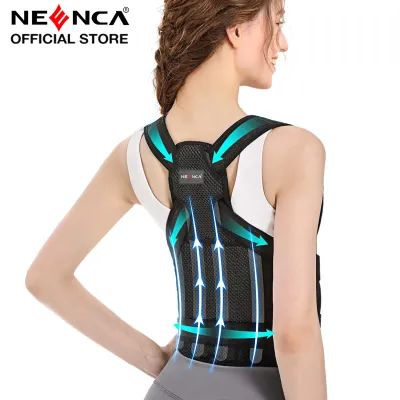
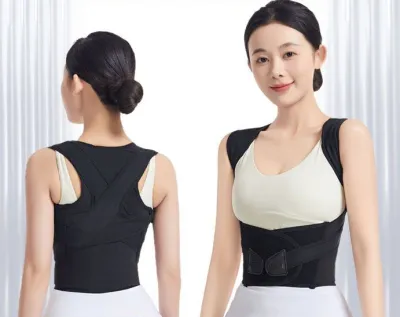
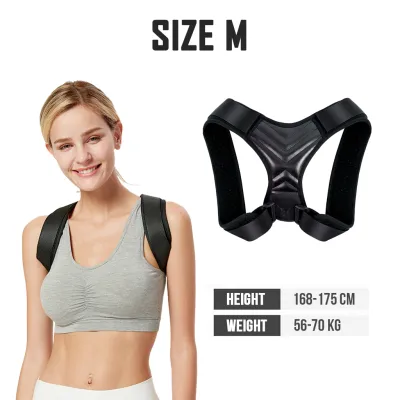
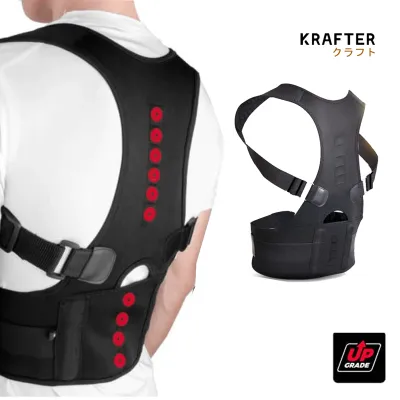
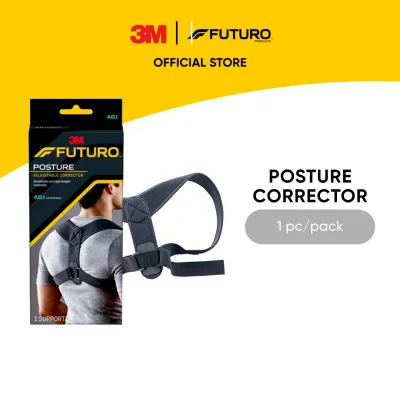
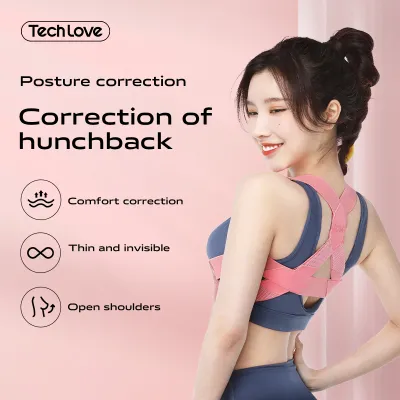
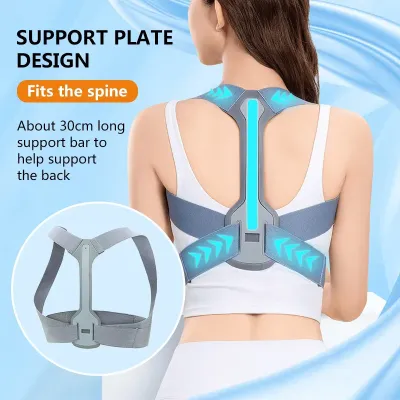
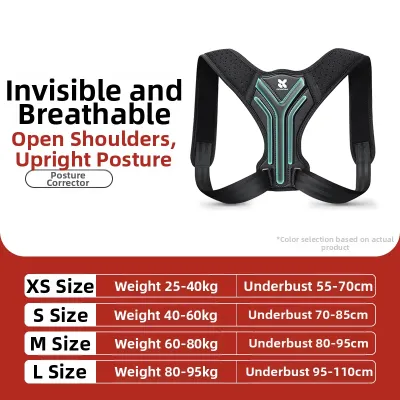
Prices are valid at publication and may change. Please refer to the product page for the latest price.
In contrast, structural conditions like scoliosis, severe kyphosis, or spinal injuries involve physical changes to the bones and ligaments. A standard, off-the-shelf hunchback corrector cannot fix these structural issues and may even worsen discomfort by applying pressure to the wrong areas. If you experience persistent back pain, numbness, tingling, or a curve that does not improve when you try to stand up straight, you should bypass retail braces and seek a professional medical evaluation.
Your daily routine dictates the level of support and mobility your body requires throughout the day. A desk worker sitting for eight hours needs a brace that gently pulls the shoulders back without restricting arm movement for typing. An active individual or manual laborer requires a flexible, highly breathable support that allows the torso to twist and bend safely.
Using a brace as a universal solution for every activity can lead to discomfort or injury. For instance, wearing a highly restrictive, rigid brace during physical exercise can limit your breathing and prevent your core muscles from engaging naturally. Knowing when to wear a support—and when to rely on your own muscle strength—is the first step toward long-term posture improvement.
If you are unsure about the root cause of your slouching, consulting a physiotherapist or orthopedic specialist is highly recommended. A professional can assess your spinal alignment, identify specific muscle imbalances, and recommend a targeted rehabilitation plan. They can also advise you on whether a brace is appropriate for your body and specify the exact type of support you need.
Key Selection Criteria for Hunchback Correctors
When evaluating different hunchback correctors, material selection is one of the most critical factors for long-term comfort. Because these devices fit tightly against the body, they can trap heat and sweat, leading to skin irritation, redness, or heat rashes. This is especially true in warm, humid climates like Singapore, where lightweight, highly breathable, and moisture-wicking fabrics are essential.

Look for correctors made from perforated neoprene, mesh, or lightweight cotton blends that allow air to circulate freely. Hypoallergenic materials are also beneficial if you have sensitive skin or plan to wear the brace directly against your body. Checking the inner lining for soft, non-abrasive textures can prevent painful friction during movement.
Adjustability and sizing are equally vital to ensure the brace provides effective support without cutting off circulation. A corrector that is too tight can compress nerves in the armpits, restrict deep breathing, and cause numbness in your hands. Conversely, a brace that is too loose will fail to provide the sensory feedback needed to keep your shoulders aligned.
Always consult the manufacturer’s sizing chart and measure your chest circumference accurately before buying. Look for models with adjustable hook-and-loop straps, forward-facing buckles, or elastic tension bands that allow you to customize the fit. The closure mechanisms should remain secure during movement without slipping or losing tension over time.
Concealability is another practical consideration if you plan to wear your posture corrector at work, school, or in public settings. Clavicle braces and figure-eight designs are typically low-profile and can easily be hidden under loose-fitting shirts or professional uniforms. Full back braces, which feature longer vertical panels and waist straps, are bulkier and much harder to conceal under everyday clothing.
Finally, you must assess how easy the corrector is to put on and take off independently. Some designs require you to reach behind your back or have someone else pull the straps to tighten the brace. If you live alone or need to adjust the brace throughout the day at work, prioritize front-adjustable straps that you can easily reach and tighten without assistance.
Matching Corrector Types to User Profiles
Different brace architectures are engineered to serve distinct lifestyles, physical demands, and levels of postural support. Understanding how figure-eight straps, rigid stays, and elastic bands interact with your body allows you to narrow down your options quickly. Matching the structural design of the corrector to your primary daily activities ensures both comfort and effectiveness.
For Desk Workers and Students (Sedentary Routines)
If you spend the majority of your day sitting at a desk, studying, or working on a computer, your primary posture challenge is the forward creep of your shoulders and head. For this sedentary routine, lightweight clavicle braces and figure-eight designs are highly effective. These correctors loop around your shoulders and cross at the upper back, gently pulling your shoulders back into alignment without compressing your lower back or ribcage.
When sitting for long periods, the skin around your armpits is highly susceptible to pinching and chafing from tight straps. To prevent this, look for desk-friendly correctors that feature thick, padded underarm straps or include removable comfort pads. The straps should distribute pressure evenly across your chest and shoulders rather than digging into a single spot.
Ergonomics and productivity require that your posture corrector does not interfere with your daily tasks. The brace must allow a full range of motion in your arms and hands so you can type, write, use a mouse, and reach for items on your desk without feeling restricted. If a brace forces your arms into an awkward position or limits your reach, it will quickly become too frustrating to wear during work hours.
For Active Individuals and Athletes (Dynamic Routines)
For those who lead active lifestyles, participate in sports, or perform physical labor, a standard rigid brace is highly unsuitable. Active routines require posture correctors made from ultra-lightweight, moisture-wicking, and quick-drying fabrics. These materials help manage sweat and prevent overheating during physical exertion, keeping your skin dry and comfortable.
Dynamic movement demands a high degree of flexibility to allow for natural torso rotation, bending, and reaching. Look for correctors that utilize elastic bands or flexible, non-rigid stays rather than stiff metal or plastic inserts. These flexible designs provide gentle resistance to remind you to keep your back straight while still allowing your muscles to move through their full range of motion.
Before wearing any posture support during exercise or heavy lifting, always review the manufacturer’s guidelines to confirm the model is approved for dynamic use. Some braces are strictly designed for static sitting and can cause muscle strain or restricted breathing if worn during high-intensity activities. If your routine involves heavy lifting, a specialized lumbar support belt with integrated upper-back straps may be more appropriate than a simple shoulder corrector.
For Severe Posture Issues or Rehabilitation (Targeted Support)
Individuals dealing with severe postural deviations, chronic back pain, or post-injury recovery require a much higher level of support than standard elastic bands can provide. In these scenarios, soft elastic correctors are rarely sufficient. Instead, semi-rigid or rigid medical-grade braces featuring integrated steel or plastic splints are often necessary to hold the spine in a stable position.
However, using high-support, rigid braces carries a significant risk of muscle dependency and atrophy. When a brace does all the work of supporting your spine, your natural stabilizing muscles—such as your core and erector spinae—stop engaging. Over time, these muscles can weaken, making your posture even worse once the brace is removed.
Because of these risks, heavy-duty posture correctors should never be purchased blindly from online marketplaces for self-treatment. They require professional fitting, customized adjustment, and a structured usage plan supervised by a physiotherapist or orthopedic specialist. A professional will ensure the brace supports your recovery without causing long-term muscle weakness.
How to Safely Test and Wear Your Corrector
To get the most benefit from your hunchback corrector without causing injury, you must follow a gradual break-in schedule. Your muscles and ligaments need time to adapt to the corrected alignment, especially if you have slouched for years. Start by wearing the brace for just 15 to 30 minutes once or twice a day during your most sedentary hours.
Over the course of two to three weeks, you can slowly increase the wear time by 10 or 15 minutes per session, up to a maximum of two hours per day. Wearing a posture corrector for longer periods or all day is highly discouraged, as it promotes muscle laziness and dependency. The goal is to train your brain and muscles to recognize correct alignment, not to rely on the brace as a permanent crutch.
When putting on the brace, adjust the tension so that it feels like a gentle, supportive hug rather than a restrictive bind. You should still be able to breathe deeply from your diaphragm, move your arms comfortably, and rotate your neck without restriction. If you feel any numbness, tingling, or coldness in your hands or fingers, the straps are too tight and are compressing your nerves or blood vessels; loosen them immediately.
Pay close attention to your body’s feedback and watch for warning signs that indicate you should stop using the brace. Sharp pain in your spine, shoulders, or neck, increased muscle fatigue, or skin breakdown and blistering are clear red flags. If you experience any of these symptoms, remove the corrector immediately and consult a healthcare professional before attempting to wear it again.
Always remember that a hunchback corrector is a temporary training tool, not a standalone solution for poor posture. To achieve lasting, long-term results, you must pair the use of a brace with active back-strengthening and chest-stretching exercises. Strengthening your rhomboids, traps, and core muscles while stretching tight chest muscles is the only way to build a naturally upright posture that lasts.
Frequently Asked Questions (FAQ)
Can a hunchback corrector permanently fix my posture?
No, a hunchback corrector cannot permanently fix your posture on its own. These devices function as passive feedback tools; they pull your shoulders back to remind you of what correct alignment feels like. When you slouch, the brace tightens, prompting you to engage your own muscles to sit or stand up straight.
To make posture improvements permanent, you must build muscle memory and physical strength. This requires consistent, active exercises to strengthen your upper back, shoulders, and core, alongside regular stretching of your chest muscles. Relying solely on a brace without active physical conditioning will not lead to lasting structural changes once the device is removed.
Should I wear a posture corrector while sleeping?
No, you should never wear a posture corrector while sleeping. Manufacturers and medical professionals strongly advise against nighttime use because your body needs to relax completely during sleep. Wearing a tight, structured brace while lying down can severely restrict your breathing, compress nerves, and impair blood circulation.
Furthermore, when you are asleep, you cannot feel or respond to discomfort, numbness, or pain caused by shifting straps. This increases the risk of skin damage, nerve irritation, and muscle stiffness. For safe and effective posture correction, limit brace usage to your waking hours when you can actively monitor your body’s feedback.
Community discussion
Share your experience or ask a question. Comments are reviewed before publication.