
Finding the right kids’ swimming bag requires balancing moisture control, gear protection, and carrying comfort. In Singapore’s hot, humid climate, a wet swimsuit left in an unventilated bag quickly becomes a breeding ground for bacteria and mildew. To properly store a child’s swimwear, goggles, and swim cap, a bag must feature reliable wet-dry separation, heavy-duty ventilation, and dedicated protective pockets. Choosing the correct bag ensures that wet gear remains isolated from dry school uniforms or books, while fragile accessories like anti-fog goggles and delicate silicone caps are shielded from scratches and tears.
Quick Guide: Must-Have Features for Kids' Swim Bags
When evaluating options for your child’s swimming lessons or weekend pool visits, certain features are non-negotiable for maintaining hygiene and protecting equipment. A standard school backpack is structurally insufficient for regular swim training; it lacks the necessary moisture barriers and ventilation, leading to damp books, rusted zippers, and persistent odors.
Look for these essential features to ensure a practical and hygienic experience:
Products mentioned in this guide
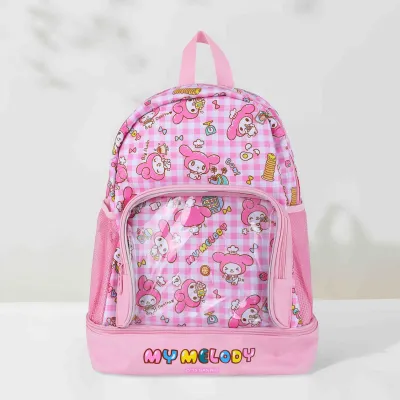
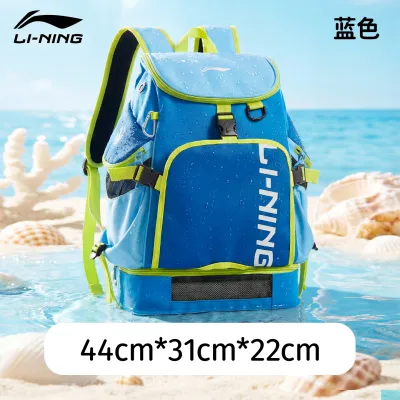
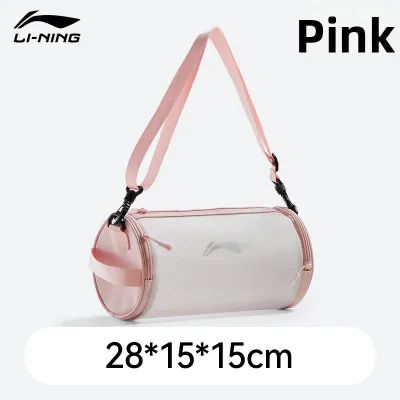
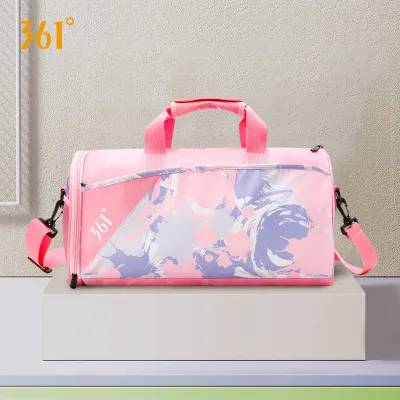
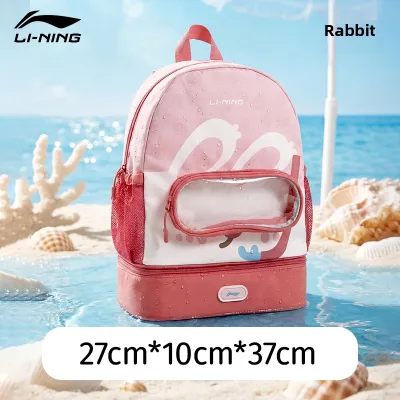
Prices are valid at publication and may change. Please refer to the product page for the latest price.
- Dedicated Wet/Dry Separation: A fully sealed, waterproof compartment that isolates wet swimsuits and towels from dry clothes and schoolwork.
- Mesh Ventilation Panels: Strategically placed mesh sections or grommets that promote continuous airflow, preventing stagnant moisture from cultivating mildew.
- Protective Goggle Pockets: Soft-lined or rigid compartments that prevent lenses from rubbing against rough surfaces or sharp objects.
- Resilient Materials: Lightweight, quick-drying fabrics like nylon or polyester that resist water absorption and chlorine degradation.
- Ergonomic Straps: Padded, adjustable shoulder straps designed to distribute the heavy, uneven weight of wet gear comfortably across a child's shoulders.
Managing Wet Swimwear: Waterproofing and Wet-Dry Separation
The primary challenge of any swim bag is managing wet gear post-swim. Parents must distinguish between “water-resistant” and “waterproof” materials when selecting a bag. Water-resistant outer shells are designed to repel light rain or minor splashes from the pool deck, keeping the bag’s exterior dry. However, they are not designed to hold standing water. For the interior, you need a true waterproof-lined compartment. This wet pocket must feature sealed or welded seams and be lined with materials such as Thermoplastic Polyurethane (TPU) or heavy-duty tarpaulin. These materials act as an absolute barrier, ensuring that a soaking wet swimsuit or towel does not leak moisture into adjacent compartments containing dry school uniforms, homework, or electronic devices.

Relying on a simple single-use plastic bag inside a standard backpack is an unreliable long-term solution. Plastic bags tear easily, are prone to leaking at the knots, and trap heat. In Singapore’s tropical climate, trapping warm, chlorinated moisture inside a sealed plastic bag accelerates bacterial growth and fabric degradation. This can ruin the elasticity of expensive swimwear within weeks. Furthermore, a dedicated wet compartment built directly into the bag ensures the weight is distributed evenly rather than shifting loosely.
When inspecting a bag’s wet compartment, pay close attention to the zippers. Chlorinated pool water and saltwater are highly corrosive. Standard metal zippers will quickly rust, seize, or break under these conditions. Look for heavy-duty plastic zippers, resin zippers, or specially coated water-resistant zippers with rust-proof sliders. These components ensure the bag remains functional throughout semesters of swimming lessons.
Ventilation Strategies to Prevent Mildew and Odors
Even with excellent wet-dry separation, trapped moisture will inevitably cause musty odors and mildew if the bag lacks proper ventilation. Airflow is critical, especially when a child cannot immediately empty their bag after a Co-Curricular Activity (CCA) or school swim session. High-quality kids’ swim bags incorporate mesh panels or metal grommets to facilitate cross-ventilation. Optimal placement for these ventilation features is at the bottom or along the side panels of the bag. When the bag sits on a bench or locker floor, these vents allow damp air to escape and fresh air to circulate, significantly reducing the rate of bacterial colonization.
The choice of primary bag material directly impacts how well the bag manages moisture. Lightweight synthetic fabrics, such as high-density nylon and polyester, are highly recommended. These materials dry rapidly, do not absorb water into their fibers, and naturally resist mildew. Conversely, heavy canvas, cotton blends, or untreated denim should be avoided. These natural fibers absorb moisture from both the wet gear inside and the humid ambient air, taking a long time to dry and quickly developing stubborn, unpleasant odors that are difficult to wash out.
To maintain the bag’s integrity and hygiene, establish clear daily maintenance boundaries. Instruct your child to empty their bag immediately upon returning home. Rinse the interior of the wet compartment with fresh tap water if it has been exposed to heavy chlorine or saltwater, as chemical residues can slowly degrade waterproof coatings. Leave all compartments fully unzipped and hang the bag to air dry in a shaded, well-ventilated area. Never leave wet swimwear, towels, or caps inside a closed bag overnight; doing so can permanently ruin the bag’s inner lining, degrade the heat-sealed seams, and cause irreversible mold growth on both the gear and the bag itself.
Protecting Fragile Gear: Goggles and Swim Caps
While swimsuits and towels require moisture management, accessories like goggles and swim caps demand physical protection. These items are highly susceptible to mechanical damage when mixed with heavier gear.
Goggle Storage Solutions
Swim goggles are delicate optical instruments. Most modern swim goggles feature internal anti-fog coatings and soft silicone gaskets that are easily damaged. Tossing loose goggles into a main bag compartment exposes them to scratches from keys, coins, hair clips, or the rough textures of other gear. Once the anti-fog coating is scratched or rubbed off, the goggles will fog up rapidly during use, impairing your child’s vision and comfort in the water.
To prevent this, evaluate the bag’s specific storage solutions. A high-quality swim bag should feature a dedicated, fleece-lined top pocket or a rigid, padded front compartment designed specifically for eyewear. If the bag does not have a built-in protective pocket, parents should invest in a hard-shell Ethylene Vinyl Acetate (EVA) goggle case that can be clipped to the exterior or stored securely inside. While soft microfiber pouches protect against minor scratches, they offer no protection against crushing when a heavy water bottle or textbook is packed on top of the bag. A rigid compartment or hard case ensures the goggles maintain their shape and optical clarity even when the bag is squeezed into a tight school locker.
Swim Cap Care and Storage
Swim caps made of silicone or latex require careful storage to prevent premature tearing. A common mistake is leaving a wet swim cap crumpled at the bottom of a wet pocket. When silicone or latex is folded while damp and subjected to heat, the material can bond to itself or other fabrics, leading to tears when you attempt to peel it open. Additionally, damp, dark folds are ideal environments for black mold to develop.
Look for a swim bag that includes a separate, small mesh pocket or a highly breathable fabric pouch specifically for accessories. Storing the cap in a dedicated, ventilated space allows it to dry independently without sticking to wet towels or swimsuits. As a crucial maintenance step, remind your child to rinse their swim cap with fresh water after every use to remove chlorine, wipe it dry with a clean towel, and store it flat or slightly inflated. For long-term storage between swimming seasons, verify the manufacturer’s care label; many recommend applying a light dusting of talc-free baby powder or cornstarch to the dry cap to prevent the sides from sticking together.
Ergonomics and Daily Practicality for Kids
A kids’ swimming bag must be physically manageable for a child to carry independently. Wet gear is significantly heavier than dry gear; a single soaked cotton towel can double in weight, placing considerable strain on a child’s developing spine and shoulders.
To ensure comfort and prevent injury, prioritize ergonomic strap designs. Look for wide, padded, and adjustable shoulder straps that distribute weight evenly across the shoulders and upper back. Backpack-style bags are generally superior to single-strap duffel bags for daily commutes, as they keep the load centered. For older children carrying heavier gear, an adjustable chest strap (sternum strap) helps stabilize the load and prevents the shoulder straps from slipping off during movement.
Exterior storage options greatly enhance the bag’s daily practicality. External mesh side pockets are ideal for holding water bottles, keeping hydration easily accessible without needing to open the main compartment. These mesh pockets are also perfect for storing damp flip-flops, sandals, or wet swim diapers for younger children, keeping soiled footwear completely separate from clean items.
When choosing the bag’s capacity, match the volume to your child’s age and specific needs. For toddlers and preschool-aged children, a compact bag of 10L to 15L is sufficient for a small towel and swimsuit. For primary school children attending regular lessons, a capacity of 20L to 30L is optimal. This size comfortably accommodates a standard bath towel, a change of clothes, goggles, a cap, a water bottle, and a small snack without becoming overly bulky or dragging on the ground. If your child is involved in competitive swim training and needs to carry training aids such as a foam kickboard or pull buoy, look for a bag equipped with external bungee cords or adjustable compression straps. Securing these bulky items to the exterior of the bag saves valuable internal space and prevents the damp foam from crushing fragile gear inside.
Feature Evaluation Checklist for Your Next Purchase
To help you select the ideal bag for your child’s routine, use the following comparison checklist. It evaluates three common bag configurations against the core requirements of storage, protection, ventilation, and daily commuting.
| Feature / Criteria | Standard Backpack | Dedicated Swim Mesh Duffel | Hybrid Swim Backpack with Wet Pocket |
|---|---|---|---|
| Wet Storage Capability | Poor (No waterproof barrier; moisture leaks to other compartments) | Moderate (Drains water quickly, but cannot isolate wet items from dry clothes) | Excellent (Dedicated waterproof-lined compartment with sealed seams) |
| Goggle Protection | Poor (No dedicated safe pocket; risk of scratching from school supplies) | Poor (Requires a separate hard-shell case to prevent crushing) | Good to Excellent (Often features fleece-lined or rigid protective pockets) |
| Ventilation | Poor (Traps moisture and odors; high risk of mildew) | Excellent (Full mesh construction allows maximum airflow and rapid drying) | Good (Incorporates targeted mesh panels and grommets for air circulation) |
| Daily Commute Suitability | Good (Comfortable for school, but unsuitable for wet gear) | Moderate (Awkward to carry on public transport when fully loaded) | Excellent (Ergonomic backpack straps; keeps wet and dry gear separate during travel) |
| Best Suited For | Daily school use only; not recommended for swim days | Quick trips where gear is rinsed and dried immediately at home | Regular swim lessons, school CCAs, and multi-purpose school/pool days |
Before making your final purchase, always verify the manufacturer’s care and washing instructions. Some high-tech waterproof coatings and structured panels can be damaged by machine washing or tumble drying. Opt for bags that can be easily wiped down or hand-washed to preserve their water-resistant integrity and extend their lifespan.
Frequently Asked Questions (FAQ)
How do I clean a kids' swimming bag to remove chlorine smell?
To safely remove stubborn chlorine odors without damaging the bag’s protective features, hand-wash the bag in lukewarm water using a mild, pH-neutral liquid detergent. Gently scrub the interior and exterior with a soft sponge or microfiber cloth, paying close attention to the wet compartment and seams. Avoid using harsh chemical bleach, fabric softeners, or high-heat machine cycles, as these can strip the internal waterproof coatings, degrade the mesh panels, and weaken the adhesive on sealed seams. Rinse the bag thoroughly with clean water, unzip all compartments, and hang it to air dry completely in a shaded, well-ventilated area away from direct sunlight.
Can I put a wet kickboard inside a standard swim backpack?
It is not recommended to force a wet foam kickboard inside a standard swim backpack’s internal compartments. Internal wet pockets are typically sized and shaped for flexible items like swimsuits and towels; forcing a rigid, bulky kickboard inside can stretch the fabric, stress the zippers, and crush fragile items like goggles. Furthermore, storing a damp foam board inside the main compartment traps moisture against the bag’s back panel, leading to mold. Instead, choose a swim bag equipped with external bungee cords, straps, or an expandable mesh sleeve designed specifically to secure kickboards and training fins to the exterior of the bag.
Community discussion
Share your experience or ask a question. Comments are reviewed before publication.