
To choose the right lacrosse ball for muscle recovery, you must evaluate its density, surface texture, material composition, and size against your personal pain tolerance and the specific muscle groups you target. A standard lacrosse ball offers a firm, non-yielding surface ideal for deep tissue release, but variations in material and texture allow you to customize the pressure. By understanding how these physical characteristics interact with your body, you can select a tool that effectively relieves tension without causing unnecessary bruising or tissue damage.
Self-myofascial release has become a cornerstone of modern athletic recovery, allowing individuals to manage muscle tightness and improve mobility from the comfort of home. While foam rollers are excellent for sweeping across large muscle groups like the quadriceps and IT bands, they often lack the precision required to target smaller, deeper knots. This is where the lacrosse ball excels. Its compact size and dense structure allow it to penetrate deep into localized areas of tension, providing a highly targeted form of trigger point therapy.
However, the very characteristics that make a lacrosse ball effective—its hardness and small surface area—also make it a tool that requires careful selection. Using a ball that is too firm for your current tissue sensitivity can lead to muscle guarding, where the body tenses up to protect itself, defeating the purpose of the recovery session. Conversely, a ball that is too soft will fail to reach the deeper layers of fascia. Finding the perfect balance is key to establishing a safe, consistent, and productive recovery routine.
Products mentioned in this guide
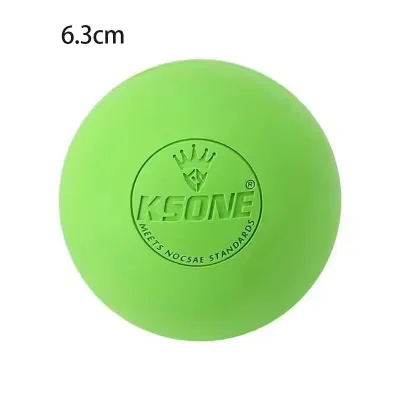
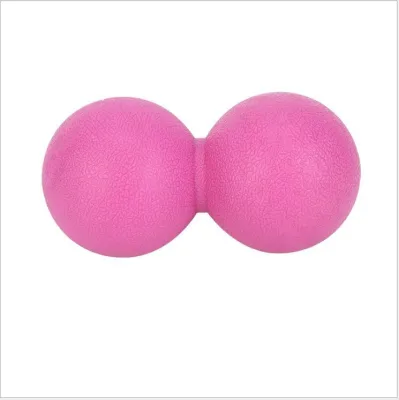
![⭐[Sg Seller] Single/Double Hard Lacrosse Ball Body Massage Muscle Peanut/Round Shape Roll Ball](https://img.lazcdn.com/g/p/056d8d1f23ae5682d18f080dc9484d22.png_400x400q80.png_.webp)
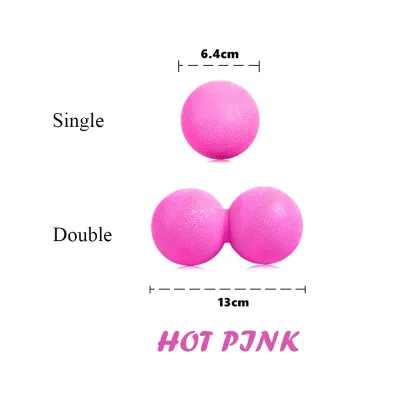
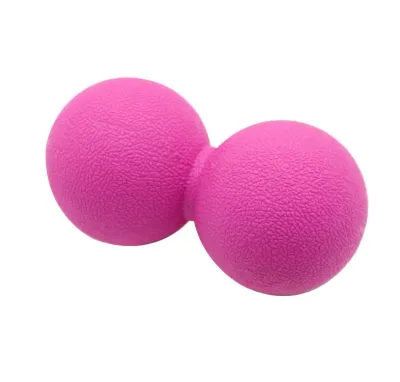
Prices are valid at publication and may change. Please refer to the product page for the latest price.
Quick Selection Guide for Recovery Lacrosse Balls
When selecting a lacrosse ball for recovery, your primary decision points should be your experience level with self-massage and the specific muscle groups you plan to target. Beginners should generally avoid standard, ultra-firm vulcanized rubber balls, as the intense pressure can be overwhelming and counterproductive. Instead, starting with a slightly yielding silicone ball or a high-density foam alternative allows your nervous system to adapt to the sensation of localized pressure. Advanced users, or those with dense muscle mass, will benefit most from the uncompromising firmness of a traditional rubber ball.
To quickly match density and texture to your needs, consider your personal pain tolerance. If you find deep tissue massages uncomfortable, opt for a smooth, medium-density ball that distributes pressure more evenly. If you are accustomed to intense physical therapy and need to address stubborn, localized knots, a textured or dimpled ball will provide the necessary grip to perform cross-friction massage.
Safety must always be your top priority when performing self-myofascial release. You should immediately stop using the ball if you experience sharp, shooting pain, numbness, tingling, or a “pins and needles” sensation. These are clear indicators of nerve compression rather than muscle release. Additionally, never use a lacrosse ball on areas that are visibly swollen, bruised, hot to the touch, or inflamed, as applying heavy pressure to an acute injury can worsen tissue damage and delay the healing process.
Matching Density to Your Muscle Tissue and Sensitivity
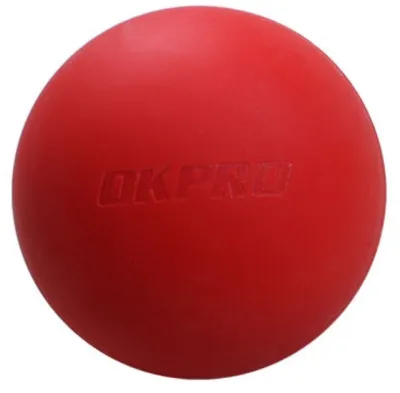
The density of your recovery tool directly dictates how deeply the pressure will penetrate your muscle tissue. A standard lacrosse ball is made from vulcanized rubber, a material designed to withstand high-impact sports without deforming. When used for recovery, this means the ball has virtually zero “give” under your body weight. This extreme firmness is highly effective for breaking up deep-seated tension, but it is not universally suitable for every muscle group or every individual.

Before purchasing a ball, or before placing your full weight onto it, you should perform a simple manual firmness test. Hold the ball in your hand and press your thumb firmly into the center of its surface. A standard lacrosse ball should remain completely rigid, showing no visible indentation. If you prefer a tool with a slight yield, look for massage balls made from high-grade silicone or thermoplastic elastomers (TPE). These materials will compress slightly under heavy pressure, providing a built-in safety buffer that protects sensitive tissues from excessive force.
Adjusting your density choice based on the target muscle group is essential for a safe recovery session. Large, thick muscle groups like the gluteus maximus, hamstrings, and piriformis require a high-density ball to penetrate the outer layers of tissue and reach deep trigger points. Attempting to roll these areas with a soft ball will yield minimal results. On the other hand, sensitive regions like the upper trapezius, neck (suboccipitals), and calves feature thinner muscle layers situated close to bones and major nerve pathways. For these delicate areas, a softer silicone ball or a specialized therapy ball is much safer and more comfortable.
Surface Texture and Grip for Targeted Release
The surface texture of a lacrosse ball determines how it interacts with your skin, clothing, and the floor. Standard lacrosse balls feature a smooth, slightly matte surface. This smooth profile is ideal for performing broad, gliding strokes across larger muscle areas. When you roll a smooth ball along your hamstrings or upper back, it slides easily, allowing you to map out areas of tension without pulling on your skin or snagging your clothing.
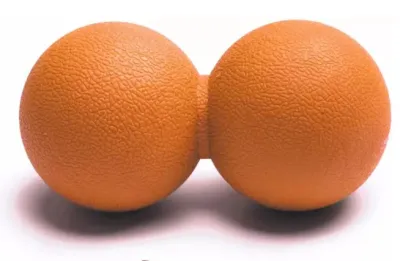
In contrast, textured or dimpled massage balls are designed specifically for pinpoint trigger point therapy and breaking up myofascial adhesions. These balls may feature raised bumps, deep grooves, or a high-friction grid pattern. The primary advantage of texture is its ability to “grip” the superficial layers of skin and fascia. By pinning the ball against a tight spot and gently shifting your body side to side, you can apply shear force. This lateral stretching of the tissue helps separate stuck layers of fascia, which is highly effective for chronic tightness.
Grip is also a critical safety consideration depending on where you perform your recovery routine. In warm, humid environments like Singapore, sweat can quickly accumulate on both your skin and the floor. A smooth rubber ball can easily slip out from under you when used on polished surfaces like tile, marble, or varnished wood, potentially causing a sudden fall or joint strain. To mitigate this risk, look for balls with a high-grip matte finish, or perform your rolling on a high-friction yoga mat. If you plan to use the ball against a wall to roll out your shoulders, a textured surface will prevent the ball from sliding down the wall, allowing you to maintain precise control over the pressure.
Material, Size Standards, and Durability Checks
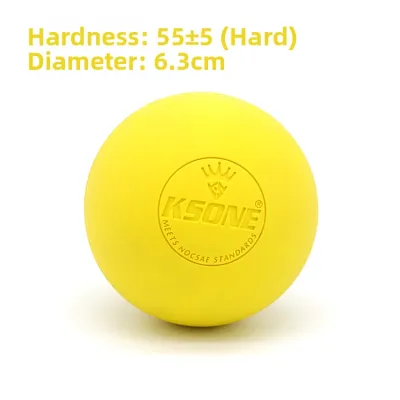
When shopping for a recovery ball, verifying the manufacturer’s specifications regarding size and weight is crucial for ensuring an ergonomic fit. Official lacrosse balls must adhere to strict standards, typically measuring between 62.7 and 64.7 mm in diameter and weighing approximately 140 to 147 grams. This specific size is not accidental; it is small enough to isolate individual trigger points, yet large enough to prevent you from rolling directly onto bony prominences in most areas of the body.
The material composition of the ball affects not only its performance but also its longevity. Vulcanized rubber is the traditional material; it is incredibly durable, heavy, and inexpensive. However, cheap rubber balls can emit a strong, unpleasant chemical odor that lingers on your hands and clothing. Over time, exposure to body oils and UV light can cause the rubber to become sticky or brittle. High-grade silicone balls are hypoallergenic, odorless, and highly resistant to temperature and moisture. They offer a slightly more premium, skin-friendly feel and maintain their structural integrity for years without degrading. Synthetic blends and TPE are often used to create lightweight, medium-density balls, but they may not offer the same long-term durability under daily bodyweight pressure.
To ensure your safety during use, you should perform regular visual and tactile checks on your recovery ball. Inspect the surface for any signs of material degradation, such as deep cracks, gouges, or a sticky, tacky residue that cannot be washed away. If you notice that the ball has lost its perfectly spherical shape or feels soft and squishy, the internal structure has broken down. Using a compromised ball can lead to uneven pressure distribution, which increases the risk of tissue irritation.
Building Your Shortlist: Matching the Ball to Your Routine
To finalize your purchase, you should match the physical characteristics of the ball to your specific lifestyle, recovery habits, and environment. Rather than looking for a single “best” option, consider which of the following profiles best aligns with your daily routine.
Profile A: The High-Intensity Athlete
- User Needs: Deep, firm pressure to penetrate thick muscle groups after heavy lifting or endurance training.
- Recommended Specifications: Solid vulcanized rubber, official size and weight, smooth or lightly textured matte finish.
- Verification Step: Look for balls certified for official play, as these guarantee the maximum density and weight required for deep tissue work.
Profile B: The Beginner or Sensitive User
- User Needs: Moderate density and smooth textures to minimize pain and avoid tissue bruising.
- Recommended Specifications: High-grade silicone or TPE material, smooth surface, medium density with a slight physical yield under thumb pressure.
- Verification Step: Check product descriptions for terms like "therapy ball" or "flexible massage ball" and read user reviews to ensure the material is described as having some "give."
Profile C: The Traveler or Office Worker
- User Needs: Portable, multi-angle tools to address upper back and neck tension caused by prolonged sitting.
- Recommended Specifications: A double-lacrosse ball (often called a "peanut" roller) or a lightweight TPE ball. The peanut shape is specifically designed to cradle the spine, allowing you to roll the muscles on either side of the vertebrae without putting pressure on the bones themselves.
- Verification Step: Ensure the double-ball setup is molded as a single piece of silicone or rubber, as taped-together balls can easily separate under body weight.
When browsing online marketplaces, always verify the seller’s material claims. Avoid listings that use vague terms like “high-quality plastic” or fail to specify the weight of the ball. A genuine, solid recovery ball should feel substantial in your hand; lightweight, hollow plastic imitations will split under your body weight and should be avoided entirely.
Safe Usage Boundaries and Tool Maintenance
Self-myofascial release is a highly effective self-care practice, but it must be performed within strict safety boundaries to prevent injury. The most important rule of using a lacrosse ball is to avoid placing it directly on bones, joints, or the spine. The ball is designed exclusively for soft muscle tissue. Applying heavy body weight to bony structures can cause severe bruising, joint inflammation, and periosteal irritation. When rolling your back, always position the ball on the muscular tracks running parallel to your spine, never directly on the vertebrae.
Furthermore, you must manage your time carefully. It is a common misconception that rolling a painful knot for a long period will make it release faster. In reality, keeping heavy pressure on a single spot for too long can restrict localized blood flow and compress underlying nerves, leading to tissue damage. Limit your rolling to 60 to 90 seconds per muscle group. If a knot does not release within this timeframe, move on to surrounding areas and return to the tight spot later in the session or the following day.
Proper maintenance of your recovery ball is also essential for hygiene and material longevity. During a rolling session, the ball accumulates sweat, body oils, dead skin cells, and dust from the floor. To clean your ball, wash it with warm water and a mild dish soap after every few uses. Avoid using harsh chemical solvents, bleach, or alcohol-based sanitizing wipes, as these chemicals can break down the molecular structure of vulcanized rubber and silicone, leading to premature cracking or stickiness. After washing, wipe the ball with a clean towel and allow it to air dry completely in a shaded, well-ventilated area. Never leave your ball in direct sunlight or inside a hot car, as extreme heat and UV exposure will rapidly degrade the material.
Frequently Asked Questions (FAQ)
Can I use a tennis ball instead of a lacrosse ball for muscle recovery?
Yes, but the results will differ significantly due to the structural differences between the two balls. A tennis ball is hollow, felt-covered, and designed to compress easily under pressure. This high level of yield makes it an excellent starting tool for absolute beginners, highly sensitive areas, or rolling out delicate muscles around the neck and shoulders. However, for deeper muscle groups like the glutes or hamstrings, a tennis ball will collapse under your body weight, failing to provide the deep, targeted pressure necessary to release stubborn knots. A solid lacrosse ball does not deform, making it far more effective for deep tissue work.
How often should I replace my massage lacrosse ball?
You should replace your massage lacrosse ball as soon as you observe physical signs of material degradation. For a solid vulcanized rubber ball, look out for a sticky or tacky surface texture that persists even after washing, visible cracking, or a loss of its perfectly spherical shape. If you use the ball daily, the constant application of body weight and exposure to sweat will typically degrade the material within 12 to 18 months. High-grade silicone balls generally last longer, but they should still be replaced if they develop deep gouges or if the surface becomes compromised, as these imperfections can harbor bacteria and cause uneven pressure.
Community discussion
Share your experience or ask a question. Comments are reviewed before publication.