
Finding a single air pump that can seamlessly transition from inflating a high-pressure road bike tire to a high-volume pool float or a soccer ball is a common challenge for active households. The key to choosing the right multi-purpose pump lies in understanding how different inflatable items require entirely different air delivery methods. Instead of buying three separate tools, you can find a versatile solution by matching the pump’s mechanical capabilities with the specific pressure, volume, and valve requirements of your gear.
Understanding the Different Inflation Requirements
To select a truly versatile pump, you must first understand the physical differences between high-pressure, low-volume items and low-pressure, high-volume items. Bicycle tires, particularly road bike tires, require high pressure—often ranging from 80 to over 100 PSI (pounds per square inch)—but contain a relatively small volume of air. To fill these safely and efficiently, a pump must be capable of compressing air to high levels without leaking or requiring excessive physical effort.
Conversely, recreational inflatables like pool floats, air mattresses, and inflatable kayaks require low pressure but an immense volume of air. These items typically operate at less than 1 or 2 PSI. If you attempt to fill a large pool float with a standard high-pressure bicycle hand pump, the process will be incredibly slow and exhausting because the pump moves only a tiny amount of air with each stroke.
Products mentioned in this guide
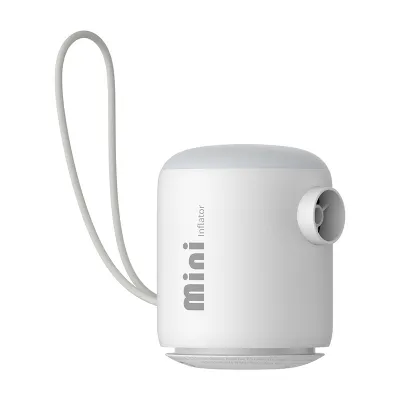
![[SG STOCK] Ball Air Pump with Needle](https://img.lazcdn.com/g/p/68529c3a4e15f53d0ddf08e7dc2c6925.png_400x400q80.png_.webp)
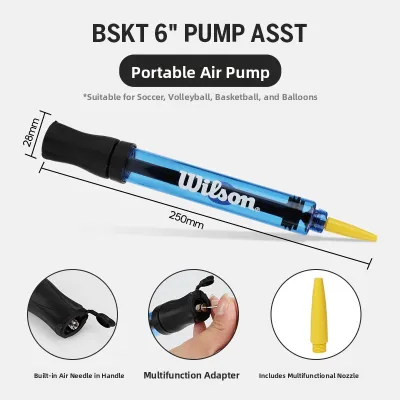
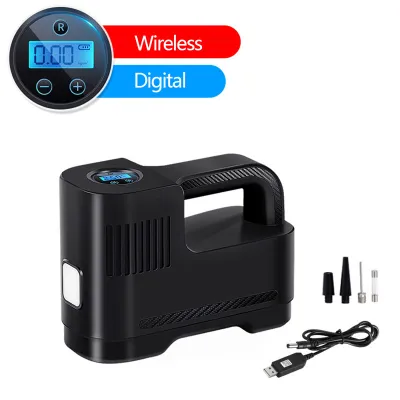
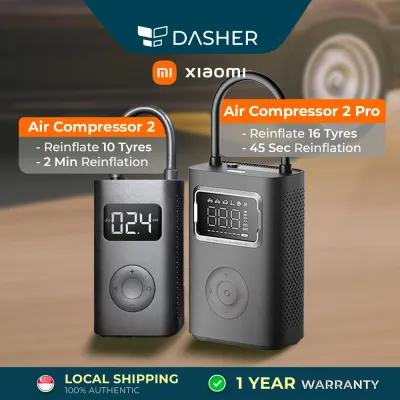
Prices are valid at publication and may change. Please refer to the product page for the latest price.
Sports balls, such as basketballs, soccer balls, and volleyballs, occupy a middle ground. They require moderate pressure—typically between 8 and 15 PSI—and a relatively low volume of air. Because of these moderate requirements, they are highly sensitive to sudden pressure spikes, which can easily damage their internal bladders.
The connection point is another critical variable. Bicycle tires generally use either a Presta valve (common on high-performance and road bikes) or a Schrader valve (standard on mountain bikes and utility bicycles). Sports balls require a narrow, hollow metal inflation needle to bypass their self-sealing rubber valves. Pool floats and beach toys utilize wide plastic pinch valves or larger Boston valves that require tapered plastic nozzles to hold the valve open during inflation.
Using a high-pressure pump on a low-pressure inflatable without proper control poses a significant risk of over-inflation. High-pressure pumps can deliver air with enough force to rupture the seams of a vinyl pool float in seconds. Understanding these distinct requirements highlights why a multi-purpose pump must offer adaptable pressure delivery and a comprehensive set of valve adapters.
Essential Features for True Multi-Purpose Versatility
A truly versatile air pump must feature a robust, interchangeable nozzle system to accommodate various valves. Look for pumps that include a secure storage compartment or an integrated clip on the body to keep these small adapters organized. Losing a tiny ball needle or a plastic pool float adapter renders the pump useless for those specific tasks, making onboard storage a highly practical design element.

The attachment mechanism at the end of the pump hose is equally important. Threaded nozzle connectors screw directly onto the valve, providing an airtight seal that is ideal for high-pressure bicycle tires. However, thumb-lock or lever-clamp connectors are often faster and more convenient for frequent use across different items, provided the internal rubber gaskets are durable enough to prevent air leakage under pressure.
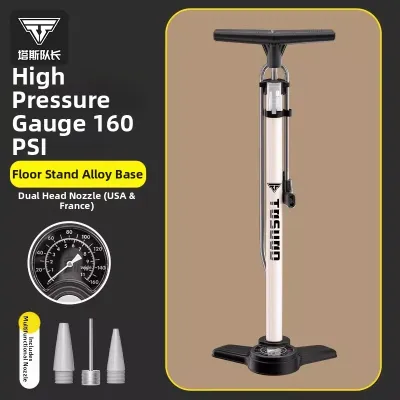
When evaluating a pump’s specifications, check the maximum pressure rating. A pump rated up to 120 or 160 PSI is excellent for bicycle tires but may require extra caution when used on low-pressure items. To manage this risk, a built-in or inline pressure gauge is an essential feature. For precision tasks like inflating sports balls or bicycle tires to exact specifications, an easy-to-read analog or digital gauge helps prevent under-inflation, which degrades performance, and over-inflation, which can cause catastrophic failure.
Consider the physical build and materials of the pump. A metal barrel, typically made of aluminum or steel, offers superior durability and heat dissipation compared to thin plastic alternatives. This is particularly important because compressing air generates heat, and a pump that runs hot can experience premature wear on its internal seals.
Hose length and flexibility also impact usability. A longer, flexible hose allows you to inflate bicycle tires while the bike is mounted on a stand or standing upright, and it provides the reach needed to access awkward valves on large pool floats. Look for hoses reinforced with braided nylon or thick rubber to withstand bending and high pressures without kinking or cracking over time.
Choosing the Right Power Source for Your Activities
Selecting the right power source depends heavily on where and how often you plan to use the pump. Manual pumps, which include traditional floor pumps and smaller hand pumps, remain the most reliable option. They require no batteries, electrical outlets, or charging cables, making them always ready for use. Floor pumps utilize your body weight to generate high pressure quickly and offer excellent manual control, allowing you to feel the resistance and stop inflating before an item is damaged.
Corded electric pumps are ideal for high-volume tasks at home or near a vehicle. These pumps typically plug into a standard household wall outlet or a 12V car accessory socket. They excel at moving large volumes of air rapidly, making them the preferred choice for inflating large pool floats, air beds, or multiple sports balls in rapid succession. However, their reliance on an active power source limits their portability, and they are generally too bulky to carry on a bicycle ride.
Battery-operated and rechargeable portable pumps offer the ultimate convenience for on-the-go use. These compact devices use rechargeable lithium-ion batteries and can easily fit into a backpack or a bicycle frame bag. When evaluating cordless models, pay close attention to the battery capacity, typically measured in milliampere-hours (mAh), and the charging interface. Models that charge via standard USB-C ports offer great flexibility, as they can be recharged using power banks, car chargers, or laptop ports.
Many modern battery-powered pumps feature digital screens with auto-shutoff capabilities. This function allows you to preset your desired pressure, and the pump automatically stops running once that limit is reached. While highly convenient, users must verify that the battery has sufficient charge before heading out, as cold weather or long periods of storage can drain lithium-ion batteries.
Building Your Shortlist: A Buyer's Decision Checklist
When searching for a multi-purpose pump on e-commerce platforms, building a structured checklist will help you filter out low-quality options. Start by identifying your primary use case. If you primarily inflate bicycle tires and occasionally pump up a basketball, prioritize a high-pressure floor pump or a precise digital mini-pump. If your main goal is inflating large pool toys for weekend trips to Sentosa, prioritize a high-volume electric pump that includes a high-pressure adapter.
Next, carefully verify the product specifications in the description. Ensure the pump explicitly lists compatibility with Presta, Schrader, and sports ball valves. Check the package contents to confirm that the necessary adapters—such as the metal ball needle and tapered plastic nozzles—are included in the purchase price, which typically ranges from S$20 to S$80 depending on the power source and build quality.
Do not rely solely on promotional images; instead, read user reviews to assess real-world durability. Look for feedback regarding how well the nozzle attachments fit and whether they leak under pressure. Pay attention to comments about the accuracy of the pressure gauge, as some budget models may have gauges that deviate significantly from actual pressures.
Finally, check the warranty terms and customer support options. A reliable manufacturer will typically offer a warranty of at least one year, which provides peace of mind regarding the durability of the internal motor or manual seals. Avoid products with vague warranty descriptions or those from unbranded sellers with no clear path for customer service inquiries.
Safe Operation and Routine Maintenance
Operating your air pump safely is crucial to protect both the equipment and yourself. When using high-speed electric pumps, never leave the inflating item unattended. Because these pumps deliver air rapidly, a pool float or sports ball can reach its maximum capacity and burst within seconds if not monitored closely. Always monitor the inflation progress manually by checking the firmness of the material frequently.
Routine maintenance will significantly extend the lifespan of your pump. Keep the nozzle attachments and hose connectors clean and free of dirt, sand, or grass, which can compromise the airtight seal or enter the pump mechanism and cause internal damage. Periodically inspect the hose for micro-cracks or wear, especially near the connection joints where bending occurs most frequently.
For battery-operated models, proper battery care is essential. Avoid storing the pump in areas with extreme temperatures, such as inside a hot car trunk during a humid afternoon, as excessive heat can degrade lithium-ion batteries and reduce their overall capacity. Charge the battery fully before long periods of storage, and try to recharge it every few months to maintain battery health.
Stop using the pump immediately if you notice unusual motor noises, excessive heat radiating from the housing, or sudden gauge failures. These symptoms often indicate internal mechanical strain or electrical faults. In such cases, consult the manufacturer’s manual or contact a qualified professional rather than attempting to disassemble the pump yourself, as improper repairs can compromise safety.
Frequently Asked Questions (FAQ)
Can I use a car tire pump for bicycle tires and sports balls?
Yes, you can use a car tire pump, but it requires specific precautions and adapters. Car tire pumps typically use Schrader valves, so you will need a Presta adapter if your bicycle uses Presta valves, and a metal needle adapter for sports balls. Because automotive pumps are designed to deliver high pressure and can move air quickly, you must monitor the inflation process extremely closely. Sports balls and bicycle tires have much smaller air volumes than car tires, meaning they can over-inflate and burst almost instantly if the pump does not have an accurate, real-time pressure gauge or an auto-shutoff feature.
How do I know when a pool float or sports ball is fully inflated without a gauge?
When inflating a pool float without a gauge, rely on visual and tactile checks. The float should look fully formed with smooth seams, and the material should feel firm but still have a small amount of give when pressed with your thumb. Avoid inflating it until it is rock-hard, as the air inside will expand when exposed to direct sunlight and heat, which can rupture the seams. For sports balls, use the classic bounce and squeeze tests. A properly inflated basketball or soccer ball should feel firm with very little squeeze, and when dropped from shoulder height, it should bounce back up to approximately waist height. Always refer to the manufacturer’s general guidelines printed near the inflation valve for specific physical indicators.
Community discussion
Share your experience or ask a question. Comments are reviewed before publication.