
Sports are a vital part of active life in Singapore, with enthusiasts gathering at community clubs, school fields, and futsal courts across the island. Keeping your equipment properly inflated is essential for performance and safety. A flat or over-inflated ball can ruin a game, alter play dynamics, and even lead to unnecessary injuries. Instead of purchasing separate inflation tools for every sport, investing in a high-quality, multi-purpose air pump is a practical and cost-effective solution. Finding the right football air pump requires understanding the specific technical needs of different sports balls, evaluating key pump features, and choosing a mechanism that fits your lifestyle and storage space.
Understanding Inflation Needs for Different Sports Balls
To get the most out of your sports equipment, it is crucial to recognize that not all balls are created equal when it comes to air pressure. A standard football, for instance, typically requires a pressure range between 8.5 and 15.6 PSI (pounds per square inch), which translates to roughly 0.6 to 1.1 bar. In contrast, a basketball demands a slightly lower but firmer pressure of 7.5 to 8.5 PSI, while a volleyball requires a much gentler 4.26 to 4.61 PSI to ensure a soft touch and optimal bounce without causing pain to the players’ forearms. These recommended pressure ranges are not arbitrary; they are carefully calculated by manufacturers to optimize the ball’s shape, weight, and flight characteristics. You can almost always find these specifications molded directly into the rubber casing surrounding the inflation valve of any high-quality ball.
The internal construction of the ball also dictates how it responds to inflation and how frequently it needs to be pumped. Most sports balls utilize either a butyl bladder or a latex bladder. Butyl bladders are highly durable and offer excellent air retention, meaning they can hold their pressure for weeks or even months without needing a top-up. Latex bladders, which are common in professional-grade match balls, provide superior responsiveness, bounce, and a softer feel, but they are highly porous and naturally lose air pressure daily. This means if you own high-end match balls, you will find yourself using your air pump far more frequently.
Products mentioned in this guide
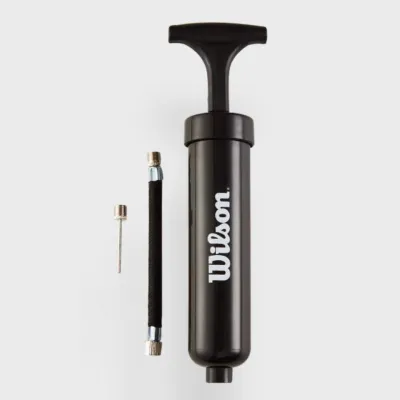
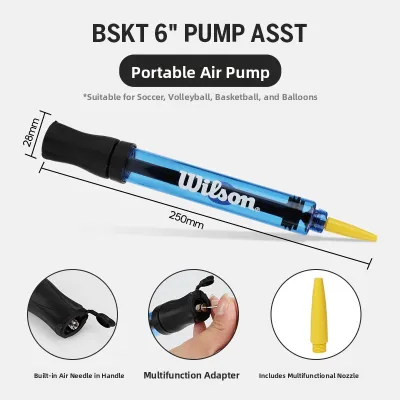
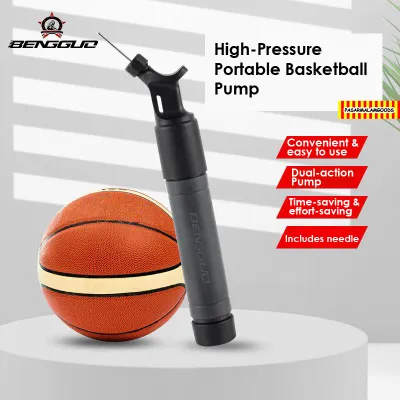
![[LOCAL SELLER] ROCKBROS A320 120PSI Bicycle Air Pump Aluminum Alloy Bike Mini Pump for Balloon Football Basketball Bicycle](https://img.lazcdn.com/g/p/4cdf88dce9570556e1ae5796568391e5.png_400x400q80.png_.webp)
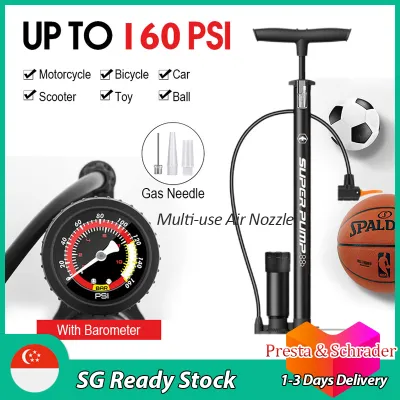
![[SG Stock] Air Pump Car Inflator Compressor Portable Ball Bike Bicycle Rechargeable Basketball Soccer Volleyball Tyre Wheel Tire 12V LED Fast Auto Shut-off Emergency](https://img.lazcdn.com/g/p/cc7d92c566c3860fbbfa1d535cc6f3bb.jpg_400x400q80.jpg_.webp)
Prices are valid at publication and may change. Please refer to the product page for the latest price.
Furthermore, environmental factors in Singapore, such as high humidity and rapid temperature transitions, can influence internal ball pressure. Moving a ball from a cool, air-conditioned indoor storage room to a hot, sun-drenched outdoor pitch causes the air inside the bladder to expand, slightly increasing the internal pressure. Conversely, playing in cooler evening conditions or storing balls in air-conditioned spaces can cause the air to contract, leading to a drop in pressure.
Ignoring these pressure guidelines carries significant risks. Over-inflating a ball stretches the outer panels, warps the internal bladder, and creates an excessively hard surface that can cause foot, hand, or head injuries during play. It also puts immense strain on the seams, leading to premature splitting and warping. Under-inflation, on the other hand, results in a sluggish bounce, poor aerodynamic stability, and a heavy feel that makes accurate passing and shooting incredibly difficult.
Key Features to Look for in a Multi-Purpose Air Pump
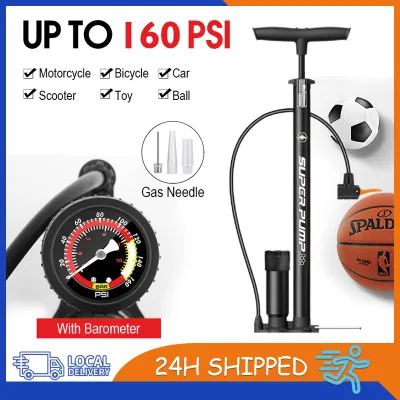
When searching for a versatile air pump, several critical features determine whether a tool is a reliable long-term investment or a source of constant frustration. The first and most important feature to consider is the pressure gauge. Attempting to inflate a ball by “feel” or by squeezing it is highly inaccurate and often leads to over-inflation. A built-in pressure gauge provides real-time, accurate readings as you pump. Analog gauges are highly durable, require no batteries, and are excellent for outdoor use, though you should look for one with a clear, high-contrast dial that displays both PSI and bar. Digital gauges offer precise decimal readings, which are incredibly helpful for low-pressure balls like volleyballs where a fraction of a PSI makes a noticeable difference. However, digital gauges rely on battery power, meaning you must monitor battery levels to avoid being left with a non-functional gauge pitch-side.

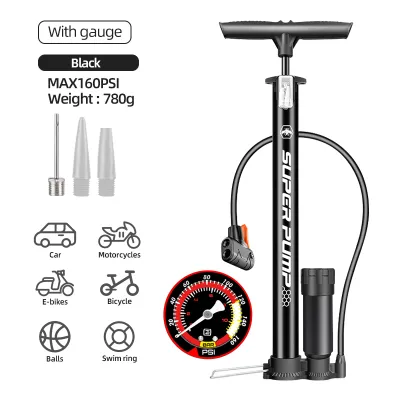
Another essential consideration is the nozzle and adapter kit. A truly multi-purpose pump must accommodate various inflation valves. While standard sports balls use a universal metal inflation needle, other inflatables like yoga balls, pool floats, or air mattresses require plastic cone nozzles of varying sizes. If you also ride a bicycle, finding a pump that includes a dual-valve head or a brass Presta-to-Schrader adapter adds immense value, allowing you to service your bike tires and sports gear with a single tool. Ensure the pump features an integrated storage compartment or clip to keep these small adapters secure, as losing a needle is one of the most common issues sports enthusiasts face.
The physical build quality of the pump directly impacts its lifespan and ease of use. Look for pumps constructed with aluminum or reinforced steel barrels rather than thin, flexible plastics. Metal barrels dissipate heat more effectively and withstand the physical rigors of being tossed into gear bags or car trunks. The hose should be made of flexible, braided rubber rather than stiff plastic, ensuring it remains pliable and resistant to cracking in Singapore’s warm, humid climate. Additionally, look for ergonomic handle designs, such as textured T-handles or contoured grips, which provide a secure hold and reduce hand strain during rapid pumping sessions.
Manual vs. Electric vs. Foot Pumps: Which Type Fits Your Routine?
Choosing the right pump mechanism depends heavily on your usage frequency, portability requirements, and how much physical effort you are willing to exert.
Manual hand pumps are the traditional choice for individual athletes and casual players. They are incredibly lightweight, highly portable, and easily slide into a backpack or sports duffel bag. Because they require no electricity or batteries, they are exceptionally reliable and always ready for action. Within the manual category, dual-action hand pumps are highly efficient because they compress and push air into the ball on both the push and pull strokes, cutting your inflation time in half compared to standard single-action pumps. The main drawback of hand pumps is the physical effort required, especially if you need to inflate multiple flat balls from scratch.
Foot pumps offer a middle ground between manual effort and high-volume efficiency. These pumps feature a larger air cylinder mounted on a stable metal frame that rests on the ground. By using your leg muscles rather than your arms, you can generate significantly more downward force with less fatigue, making the inflation process much faster. Foot pumps are ideal for home garages, school sports departments, or club storage rooms where multiple balls need to be serviced before a session. However, their bulkier design and heavier weight make them less practical for carrying to the pitch for quick touch-ups.
Electric and battery-operated air pumps represent the modern standard for convenience and precision. These compact, handheld devices are powered by rechargeable lithium-ion batteries and often feature digital screens where you can preset your desired PSI. Once you connect the pump and press start, the device automatically inflates the ball to the exact target pressure and shuts off, completely eliminating the risk of over-inflation. This is an invaluable tool for coaches, physical education teachers, or sports coordinators who manage large inventories of balls. The trade-offs include the necessity of keeping the battery charged, a higher initial cost, and the vulnerability of electronic components to heavy rain or drops on hard concrete surfaces.
How to Build Your Shortlist and Verify Compatibility
To find a reliable air pump without falling for unverified marketing claims, you should establish a systematic evaluation framework when browsing online marketplaces or visiting local sports retailers in Singapore.
First, carefully inspect the manufacturer’s technical specifications. Check the maximum PSI output of the pump; while sports balls only require up to 15 PSI, a pump rated for higher pressures (such as 100 to 120 PSI) indicates a robust internal piston mechanism that will easily handle low-pressure ball inflation without straining. Verify the exact list of included accessories to ensure you do not have to make separate purchases for needles or specific valve adapters. Look for models that explicitly state they use standard thread sizes for their needles, making it easy to find replacements at any local sports store if you lose the originals.
Second, analyze user reviews critically, focusing on long-term reliability rather than immediate out-of-the-box impressions. Look for specific feedback regarding the accuracy of the pressure gauge over several months of use. Pay close attention to comments about the durability of the hose connection and whether the needle threads strip easily under pressure. If multiple reviews mention air leaking from the pump body or the hose connection after a few weeks, it is a strong indicator of poor seal quality and low-grade materials.
Finally, compare price-to-feature ratios to ensure you are getting genuine value. In Singapore, basic manual hand pumps typically range from S$5 to S$15, while high-quality foot pumps or digital electric pumps can range from S$20 to S$50 or more. While it may be tempting to opt for the cheapest available option, investing slightly more in a pump with a metal barrel, a flexible hose, and a reliable gauge will save you money in the long run by preventing damaged ball valves and avoiding frequent pump replacements. Always verify the seller’s warranty terms and return policies, particularly for electronic models, to protect your purchase against manufacturing defects.
Proper Inflation Techniques and Equipment Maintenance
Even the highest-quality air pump can cause damage to your sports balls or fail prematurely if used incorrectly or neglected. Proper inflation technique is essential to preserve the lifespan of both your ball and your pump.
Before inserting the inflation needle into the ball’s valve, always lubricate the needle. You can use specialized valve oil, glycerin, silicone spray, or even a drop of soapy water. Inserting a dry needle into a dry rubber valve creates immense friction, which can tear the internal rubber valve core or push it entirely inside the ball, causing an immediate and irreversible air leak. Gently insert the lubricated needle using a straight, downward motion; never force it in at an angle, as this can bend the needle or damage the valve housing.
Proper storage is equally critical for maintaining your pump’s performance. Store your pump in a cool, dry indoor environment away from direct sunlight. Singapore’s high humidity and heat can accelerate the degradation of rubber hoses, causing them to dry-rot, crack, and leak air. It can also cause the internal lubricants of manual pumps to dry out, leading to a loss of compression. Keep your inflation needles and adapters stored in the pump’s dedicated compartment or a secure container to prevent them from bending, rusting, or getting lost.
Recognizing when to stop pumping and when to seek professional advice can save your equipment from catastrophic failure. If you experience extreme resistance while pumping, hear air escaping from the pump body, or notice that the ball’s valve is visibly damaged, misaligned, or pushed inward, stop immediately. Forcing air into a compromised valve can rupture the internal bladder. If a high-value match ball has a failing valve seal, consult a professional sports repair service or the manufacturer rather than attempting to fix it with makeshift sealants, which can permanently ruin the ball.
Frequently Asked Questions (FAQ)
Can I use a bicycle pump to inflate a football?
Yes, you can use a bicycle pump to inflate a football, but you must use a standard metal ball needle adapter. Bicycle pumps are natively designed to fit Presta or Schrader valves found on bike tires, so they cannot connect directly to a sports ball’s valve. When using a bicycle floor pump, exercise extreme caution; these pumps are designed to move large volumes of air quickly and can easily reach pressures over 100 PSI. Because a football only requires around 8.5 to 15.6 PSI, a few rapid strokes of a high-volume bike pump can quickly over-inflate and rupture the ball’s bladder if you do not monitor the pressure gauge carefully.
How often should I check the air pressure of my sports balls?
You should check the air pressure of your sports balls before every training session or match. Sports balls naturally lose air pressure over time due to the microscopic pores in their bladders. Balls with latex bladders lose pressure daily and require topping up before every use, while those with butyl bladders retain air much longer but still experience gradual pressure drops over several weeks. Additionally, if you plan to store your balls for an extended period, inflate them to their recommended pressure beforehand to help them maintain their structural shape and prevent the outer casing from creasing or warping.
Why does my pressure gauge read zero when attached to the ball?
If your pressure gauge reads zero when connected, it usually means the inflation needle has not been inserted deeply enough to open the ball’s internal one-way valve, preventing air from reaching the gauge sensor. Gently push the needle slightly further in to ensure a proper connection. Another common cause is an air leak at the connection point between the needle, the hose, or the pump body; if air is escaping before it reaches the gauge, the reading will remain at zero. Finally, check for physical blockages in the needle or the ball’s valve, and inspect the gauge itself for signs of mechanical failure or loose internal connections.
Community discussion
Share your experience or ask a question. Comments are reviewed before publication.