
Quick Guide: Selecting a Versatile Air Pump
Finding a single air pump that can inflate a high-pressure road bicycle tire to 100 PSI and also fill a high-volume backyard pool float requires balancing two very different mechanical designs. High-pressure bicycle tires require a narrow piston cylinder to reduce the physical force needed to push air against high resistance. Conversely, large recreational inflatables require a wide cylinder to move large volumes of air quickly at very low pressures. A versatile pump must bridge this gap, either through dual-chamber engineering or by utilizing adaptable valve connections that prevent air loss during high-pressure tasks.
When selecting a multi-purpose pump, the valve head is your primary point of interaction. A universal valve head that automatically adjusts to different valve stems, or a comprehensive adapter kit that securely locks onto the pump nozzle, is essential for seamless transitions between tasks. Without these, you risk damaging delicate valve stems or losing air pressure during inflation.
The choice between a manual floor pump, a portable hand pump, and an electric inflator depends heavily on where and how you plan to use it. Manual floor pumps offer the best balance of speed, pressure capacity, and reliability for home use. Portable hand pumps provide emergency backup on the road but require significant physical effort for large items. Electric inflators offer hands-free convenience and precise pressure control but rely on battery life and require careful thermal management.
Products mentioned in this guide
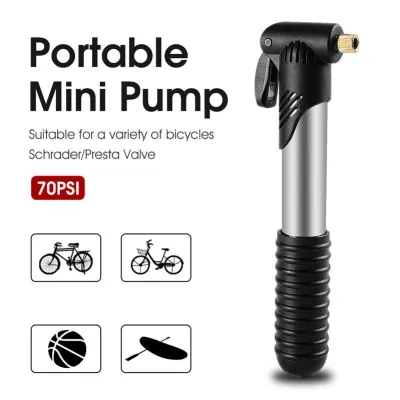
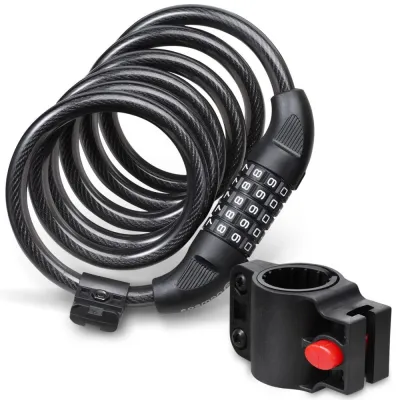
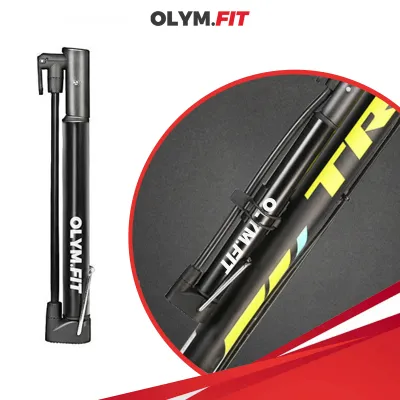
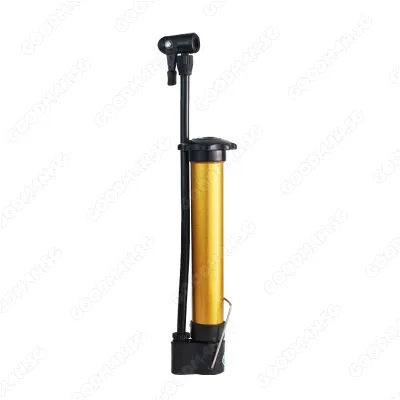
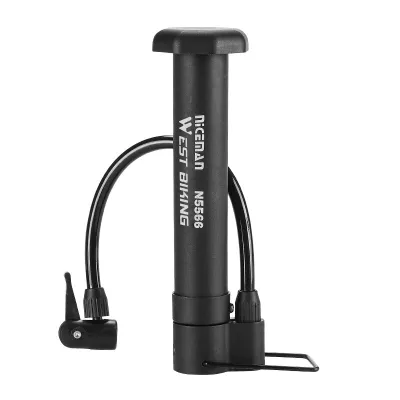
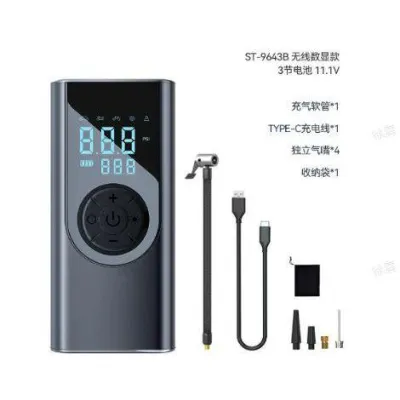
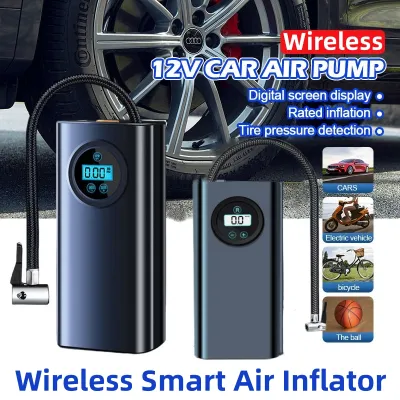
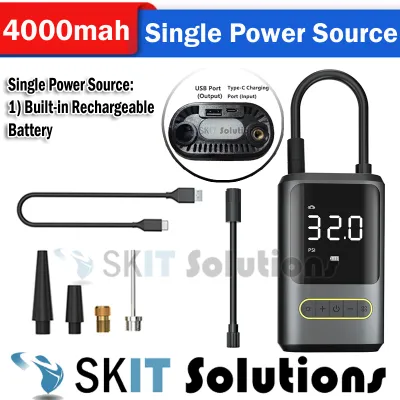
Prices are valid at publication and may change. Please refer to the product page for the latest price.
Before purchasing, verify these items on the product label:
- Maximum Pressure Rating: Ensure the pump can exceed your highest-pressure tire requirement by at least 10 to 20 PSI.
- Valve Compatibility: Confirm native support for both Presta and Schrader valves without needing separate, easily lost adapters.
- Included Accessories: Look for dedicated compartments housing ball needles and plastic inflation cones.
- Construction Materials: Check for a steel or aluminum barrel and a reinforced base rather than lightweight plastic.
Essential Features for Bicycles and Everyday Inflatables
To select a pump that handles both your bicycle and your household inflatables, you must understand how to read and interpret manufacturer specifications. The maximum PSI (pounds per square inch) rating indicates the limit of the pump’s pressure capability, which is critical for narrow bicycle tires. However, high PSI ratings often come at the expense of volume output per stroke. If you frequently inflate large items like air mattresses or kayak floats, a pump with a high volume-per-stroke rating will save you considerable time and physical fatigue, even if its maximum pressure limit is lower.

The physical layout of the pump also dictates its daily usability and storage convenience. A long, flexible hose allows you to reach bicycle valves when the wheel is positioned awkwardly or when the bike is mounted on a work stand. The flexibility of the hose material is crucial; stiff hoses tend to kink, crack, or pull on the valve stem, which can cause leaks or damage. Additionally, a wide, heavy base footprint ensures the pump remains stable on uneven outdoor surfaces, preventing it from tipping over mid-stroke.
Finally, always inventory your specific household items before purchasing a pump. A pump is only as useful as its connection to your gear. Ensure the manufacturer explicitly lists compatibility with your specific sports equipment, pool toys, and tire types, and verify that any necessary adapters are included in the package.
Valve Compatibility and Adapter Kits
Bicycles and recreational inflatables utilize several distinct valve designs, each requiring a specific connection style. Presta valves are narrow, threaded brass or aluminum stems commonly found on high-pressure road and gravel bicycle tires. Schrader valves are wider, rubber-coated stems with a spring-loaded internal pin, identical to those used on automotive tires and many mountain bikes. Dunlop valves, though less common, are occasionally found on utility and city bicycles. A versatile pump must accommodate these variations without requiring tedious manual disassembly of the pump head.
For non-bicycle items, specialized adapters are necessary to bridge the gap between the pump head and the inflation port. Sports balls, such as footballs and basketballs, require a thin, hollow metal needle to bypass the self-sealing rubber valve. Large recreational items like pool floats, beach balls, and camping air mattresses utilize wide plastic push-in valves that require tapered plastic cone adapters of varying diameters.
When evaluating a pump’s adapter kit, pay close attention to the durability and storage of these small components. Threaded brass adapters generally offer superior wear resistance compared to cheap plastic alternatives, which can strip or crack under pressure. Furthermore, look for pumps that feature integrated storage compartments on the body or handle. Loose adapters are easily misplaced in a garage or gear bag, rendering the pump useless for specialized tasks when you need it most.
Balancing High Pressure and High Volume
The physics of inflation create a direct conflict between high-pressure and high-volume requirements. To achieve high pressures, such as the 80 to 110 PSI required for narrow road bike tires, a pump must use a narrow cylinder. This design reduces the surface area of the piston, lowering the physical force required to compress the air. However, this narrow cylinder moves very little air volume per stroke, making the inflation of a large pool float or air mattress incredibly slow and exhausting.
To address this conflict, some advanced manual pumps incorporate dual-chamber designs or adjustable stroke mechanisms. These systems allow you to switch between a high-volume mode (using both chambers to move maximum air at low pressure) and a high-pressure mode (isolating a single narrow chamber to reach high pressures with minimal physical effort). If you do not choose a dual-mode pump, you must accept a compromise: a standard medium-diameter cylinder that can reach moderate pressures but requires more strokes for large inflatables.
Setting realistic expectations is key to avoiding frustration. Attempting to inflate a double-sized camping air mattress with a standard high-pressure bicycle floor pump can take several hundred strokes and significant physical exertion. Understanding the cylinder volume of your chosen pump helps you gauge the time and effort required for your typical household tasks.
Base Stability and Hose Durability
A pump’s structural integrity directly influences its safety, efficiency, and lifespan. When operating a manual floor pump at high pressures, you must exert significant downward force. A wide, heavy base made of steel, cast iron, or thick composite material is essential to keep the pump anchored firmly to the ground. Look for bases that feature non-slip rubber pads or textured footplates, which prevent your feet from slipping off during rapid pumping.
The hose is often the first component to fail on a multi-purpose pump due to constant bending, stretching, and exposure to the elements. Inspect the hose for external reinforcement, such as a braided nylon mesh sleeve, which protects the inner rubber tube from expanding or bursting under high pressure. The connection points where the hose meets the pump base and the valve head should be reinforced with flexible strain-relief collars to prevent kinking and eventual cracking at these high-stress joints.
Ergonomics and mechanical alignment also play a vital role in long-term durability. An ergonomically shaped handle with a comfortable rubber or composite grip reduces hand fatigue and blisters during extended pumping sessions. Furthermore, ensure the steel piston shaft remains perfectly aligned within the cylinder during the entire stroke; any lateral play or bending of the shaft will accelerate wear on the internal seals, leading to air bypass and loss of pressure.
Comparing Pump Types for Mixed Use
Selecting the right pump style requires matching its mechanical advantages to your specific lifestyle, storage space, and portability needs. No single pump type excels at every task, so understanding the inherent trade-offs is crucial. For instance, a pump designed for maximum garage utility will look and perform very differently from one meant to be carried in a hydration pack during a long-distance trail ride.
Manual floor pumps, portable hand pumps, and electric inflators each occupy a distinct niche in the multi-purpose landscape. While one user might prioritize the raw speed and reliability of a manual floor pump, another might require the compact, emergency utility of a frame-mounted hand pump. Meanwhile, those who frequently inflate multiple high-volume items at campsites or sports fields may find the hands-free convenience of a battery-powered inflator indispensable.
When considering electric options, power management becomes a primary selection factor. You must verify the availability of power sources, whether that means keeping a lithium-ion battery charged, having access to a 12V DC car outlet, or operating near a standard AC wall socket. Battery-powered models offer the greatest freedom of movement but require disciplined charging habits to ensure they are ready when needed.
Floor Pumps with Smart or Dual Heads
Floor pumps are the workhorses of the inflation world, offering the largest cylinder volumes and the most stable operating platforms. The long barrel allows for a full-body stroke, utilizing your body weight rather than just arm strength to compress air. This makes them highly efficient for both high-pressure bicycle tires and medium-volume inflatables. Their large, easy-to-read analog or digital pressure gauges are typically mounted near the base or top of the barrel, providing clear visibility during operation.
The valve head design on a floor pump significantly impacts its ease of use. “Smart” heads feature a single internal mechanism that automatically adjusts its seal to fit either Presta or Schrader valves when pressed onto the stem. Dual heads, on the other hand, feature two distinct, clearly labeled ports on opposite sides of the nozzle. Both designs eliminate the need to unscrew and reverse internal rubber gaskets, saving time and reducing wear on the valve components. Reversible heads require manual disassembly, which can be tedious and increases the risk of dropping small internal parts in the dirt.
Despite their performance advantages, floor pumps have clear limitations. Their bulky, rigid construction makes them difficult to transport on a bicycle or pack into a crowded gear bag. They require dedicated storage space in a closet, garage, or car trunk, and their weight makes them impractical for mobile, on-the-go trailside repairs.
Portable Hand Pumps for On-the-Go Needs
Portable hand pumps, often referred to as mini pumps, are designed specifically for emergency use and maximum portability. They are compact enough to fit into a jersey pocket, a frame bag, or mount directly to your bicycle’s water bottle bosses using an included bracket. For cyclists who venture far from home, carrying a portable pump is a fundamental safety precaution against flat tires.
However, the trade-off for this compact size is a dramatic reduction in cylinder volume. Inflating a standard bicycle tire with a mini pump requires hundreds of short, arm-intensive strokes, and attempting to inflate a large pool toy or sports ball can be an exhausting, time-consuming endeavor. To mitigate this, look for portable pumps that feature foldable T-handles, which provide a more ergonomic grip, or integrated flexible hoses that pull out from the pump body. A flexible hose is particularly important because it isolates the pumping motion from the valve stem, preventing you from accidentally bending or snapping the delicate Presta valve during vigorous pumping.
While portable hand pumps can technically inflate sports balls and small toys using adapters, they should be viewed as secondary, emergency-only tools for high-volume items. They are best suited for keeping in your backpack during outdoor excursions where weight and space are at a premium.
Electric and Battery-Powered Inflators
Electric and battery-powered inflators have grown rapidly in popularity due to their hands-free operation and advanced electronic features. The most significant benefit of these devices is the ability to preset your target pressure. Once the pump reaches the specified PSI, it automatically shuts off, preventing over-inflation and protecting delicate bicycle tires or sports equipment from bursting. This feature is especially useful for users who may not have the physical strength or experience to gauge pressure manually.
However, electric inflators require careful consideration of their technical specifications. You must verify the battery capacity (typically measured in milliampere-hours, or mAh) and the charging method, with USB-C being the most convenient modern standard. Additionally, pay close attention to the manufacturer’s stated duty cycle and thermal limits. Small electric pumps generate significant heat during operation; most require a cool-down period of 10 to 15 minutes after continuous runtimes to prevent internal motor damage.
Operational noise is another factor to keep in mind, as these small motors can be surprisingly loud, especially in quiet residential areas or campsites. They also require carrying specific charging cables or 12V car adapters to ensure you do not run out of power in remote locations.
Building Your Multi-Purpose Pump Shortlist
To build a practical shortlist of potential pumps, begin by documenting the specific items you need to inflate regularly. Create a simple inventory list that includes the valve type (Presta, Schrader, needle, or plastic cone) and the recommended pressure range for each item. For example, a road bicycle might require 90 PSI, a mountain bike 30 PSI, a basketball 8 PSI, and a pool float less than 2 PSI. This inventory will immediately rule out pumps that cannot reach your maximum required pressure or lack the necessary high-volume capacity.
Next, cross-reference your inventory against the specifications of the pumps you are considering. Do not rely solely on marketing claims of “universal” compatibility; instead, look for explicit listings of maximum PSI, cylinder volume, and the exact adapters included in the box. If you have a budget in mind, expect to invest between S$30 and S$80 for a high-quality manual floor pump that offers durable metal construction and an accurate gauge, while reliable electric inflators may require a higher investment.
Warranty terms and the availability of replacement parts are critical indicators of a manufacturer’s commitment to quality. High-quality pumps are designed to be serviced rather than thrown away when a seal wears out. Prioritize brands that offer readily available replacement parts, such as internal O-rings, piston gaskets, replacement hoses, and valve head rebuild kits. Checking user feedback specifically for long-term seal durability and gauge accuracy over months of mixed use will help you avoid models prone to premature failure.
Maintenance and Safe Operation Practices
Regular maintenance is essential to keep your multi-purpose pump operating safely and efficiently. Perform a quick visual inspection before each use, checking the hose for surface cracks, dry rot, or loose fittings at the connection points. Inspect the gauge glass to ensure it is not cracked or clouded, and verify that the needle rests at zero when the pump is not under pressure. A bent piston shaft or loose handle should be addressed immediately, as operating a misaligned pump can permanently score the cylinder walls.
Proper storage conditions are vital for preserving the delicate rubber and plastic components of your pump. Store the pump in a cool, dry environment away from direct sunlight, as UV exposure rapidly degrades rubber hoses and causes plastic valve heads to become brittle. Avoid storing the pump in areas subject to extreme temperature fluctuations, such as an uninsulated metal shed or the trunk of a car during hot weather, which can dry out internal lubricants and cause seals to shrink or crack.
Periodically lubricate the internal piston mechanism according to the manufacturer’s instructions. This typically involves unscrewing the top cap of the cylinder and applying a thin layer of silicone grease to the rubber plunger or leather cup washer; never use petroleum-based lubricants, as they can degrade rubber seals. If you experience unusual physical resistance during a stroke, hear significant air escaping from the body, or notice erratic gauge readings, stop using the pump immediately. Consult the user manual or contact a qualified professional to diagnose and repair the issue before attempting further inflation.
Frequently Asked Questions (FAQ)
Can one pump handle both high-pressure road bike tires and large pool floats?
Yes, a high-quality manual floor pump can handle both tasks, but you must manage your expectations regarding physical effort. While the pump has the pressure capacity to easily inflate a road bike tire to 100 PSI, its cylinder volume is relatively small. This means inflating a large pool float or air mattress will require a significant number of strokes and physical exertion. For frequent mixed use, look for a pump with a dual-chamber design that allows you to switch between high-volume and high-pressure modes, or consider using a dedicated low-pressure electric pump for large inflatables and a manual pump for your bicycle.
Do I need a separate pressure gauge for sports balls?
In most cases, yes. The built-in pressure gauges on bicycle floor pumps are designed to measure high pressures, often ranging from 0 to 120 or 160 PSI. Because of this wide scale, the gauge lacks the resolution and precision required to accurately measure the very low pressures needed for sports balls, which typically range from 5 to 15 PSI. Over-inflating a sports ball can damage its internal bladder or distort its shape. If accuracy is critical for your sport, use a dedicated low-pressure pocket gauge to verify the pressure after using your multi-purpose pump.
Community discussion
Share your experience or ask a question. Comments are reviewed before publication.