
To maintain a secure grip during hot and humid yoga sessions in Singapore, an effective non-slip yoga towel must combine moisture-activated grip technology or physical anti-slip backings with high-absorbency fabrics. In a tropical climate where humidity levels regularly exceed 80%, standard mats can quickly become slick, making a specialized towel an essential safety and stability layer. Choosing the right towel requires evaluating the grip mechanism, verifying physical dimensions and anchoring features, matching the material to your sweat volume, and maintaining the fabric correctly to preserve its friction over time.
A high-quality yoga towel does more than just absorb sweat; it acts as a dynamic interface between your body and your mat. When practicing in high-temperature environments, such as hot yoga studios or outdoor spaces, perspiration can compromise your stability, leading to minor slips that disrupt your alignment or cause joint strain. By placing a specialized non-slip towel over your mat, you create a reliable barrier that manages moisture while enhancing your overall traction.
Evaluating these products requires looking past marketing claims and focusing on physical specifications, material compositions, and structural designs. Many prominent yoga apparel brands offer specialized towels, but their performance in humid conditions depends entirely on how well their technical features align with your specific practice style. Understanding these technical details allows you to make an informed decision that protects your safety and enhances your practice.
Products mentioned in this guide
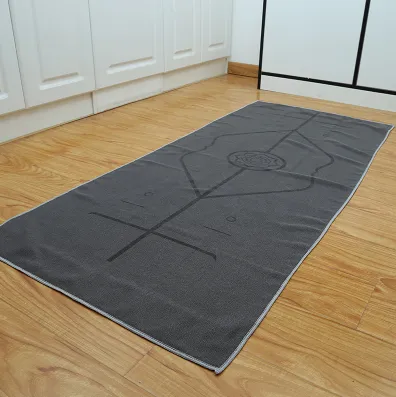
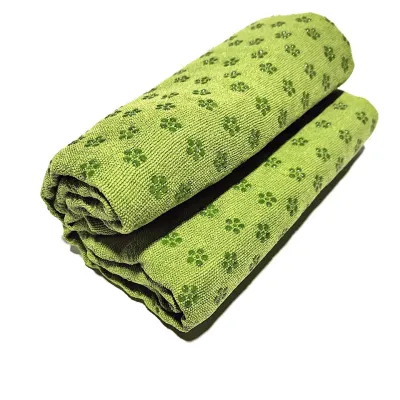
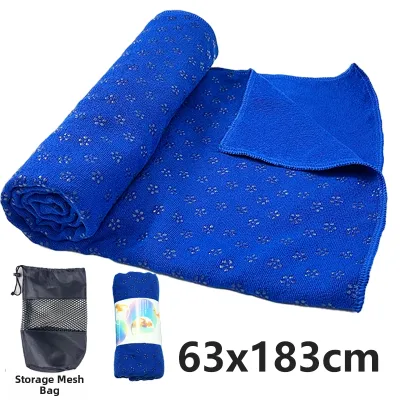
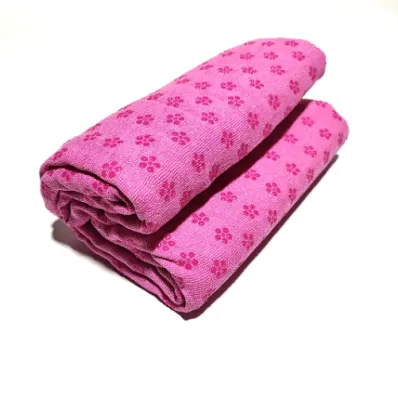
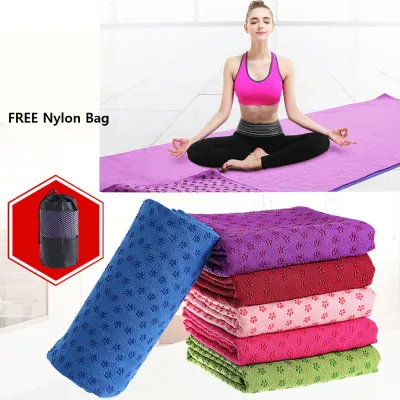
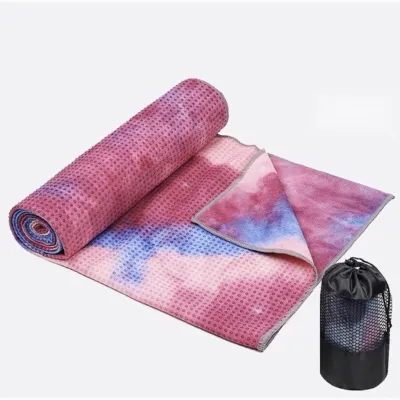
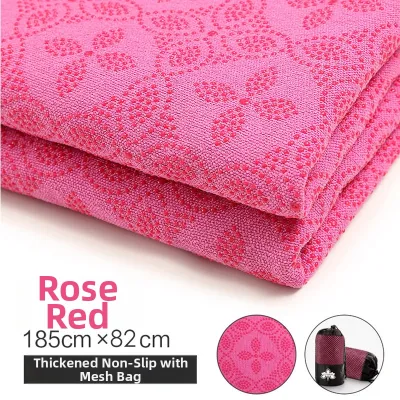
Prices are valid at publication and may change. Please refer to the product page for the latest price.
Evaluating Grip Technologies for Sweaty Sessions
When browsing options from various yoga apparel brands, the first technical specification to analyze is the grip mechanism on the underside of the towel. Manufacturers utilize several distinct technologies to keep the fabric from sliding across the top of your yoga mat. Understanding how these mechanisms interact with moisture and pressure is essential for selecting a towel that remains anchored during dynamic transitions.
Silicone dot patterns are a common and highly visible anti-slip solution. These towels feature hundreds of small, raised silicone or thermoplastic elastomer (TPE) dots printed across the bottom surface. When you place weight on the towel, these dots compress against the mat, creating localized points of high friction that prevent the fabric from shifting. This design is particularly effective for dry practices or the beginning of a session before you start to sweat heavily, though the dots do add a small amount of weight and bulk to the folded towel.
Another robust option is a continuous rubberized backing, which typically utilizes a thin layer of natural or synthetic rubber laminated to the underside of the microfiber. This construction provides high, uniform traction across the entire surface of the mat, making it virtually impossible for the towel to bunch up during vigorous movements. However, because rubber is heavier than silicone dots, these towels are less compact and may require extra care during washing to prevent the backing from cracking or peeling over time.
For practitioners who prefer a lightweight and highly packable option, textured microfiber weaves offer a non-slip solution without any added physical backings. These towels rely on specialized weaving patterns, such as waffle, herringbone, or ribbed textures, to create mechanical friction against both the mat and your skin. Because they lack silicone or rubber components, they fold down to a fraction of the size of backed towels, making them exceptionally easy to pack into a daily commuter bag.
Many of these textured microfiber towels feature moisture-activated grip claims on their manufacturer labels. This technology utilizes split-fiber synthetic yarns that expand and become grippier as they absorb water or sweat. While highly effective once your practice is underway, these towels can feel surprisingly slippery when completely dry. If you choose a moisture-activated model, you must be prepared to lightly mist the surface with water at the start of your session to engage the grip before your body heat and sweat take over.
In contrast, standard cotton bath towels or smooth, non-specialized microfiber fabrics have severe structural limitations during high-sweat practices. Standard cotton lacks the engineered fiber structure to lock onto a mat, meaning it will slide and bunch up under lateral forces, such as during a downward-facing dog or a warrior pose. Using an unanchored, non-specialized textile not only disrupts the flow of your practice but also increases the risk of sudden slips that can strain your wrists, shoulders, or hamstrings.
Essential Features to Check Before Purchasing
Beyond the grip technology itself, several physical attributes and dimensions dictate how well a yoga towel will perform on your specific mat. Verifying these details on product specification sheets or online retailer listings before making a purchase prevents the frustration of using ill-fitting gear. A practical checklist of these features ensures that your towel remains flat, secure, and easy to transport.

One of the most effective structural features to look for is the inclusion of corner pockets or elastic anchor straps. Corner pockets are triangular sleeves sewn into the underside of the towel’s corners, allowing you to slip the towel over the ends of your yoga mat. This physical anchoring system prevents the corners from curling up or shifting during jump-backs and active transitions. If you use a thicker mat, such as a 5mm or 6mm cushioned model, verify that the towel’s corner pockets are deep enough to accommodate the extra thickness without warping the mat.
Matching the towel’s exact dimensions to your yoga mat is another critical step that is often overlooked. Standard yoga mats typically measure approximately 68 inches (173 cm) by 24 inches (61 cm), but many modern mats are designed with extra length or width, such as 71 inches (180 cm) or 26 inches (66 cm). A towel that is too small will leave sections of your mat exposed and slippery, while a towel that is too large will hang over the edges, creating a tripping hazard and collecting dust from the studio floor. Always measure your mat and compare it directly to the towel’s specified dimensions rather than relying on generic sizing labels.
Fabric weight and thickness are also key considerations, especially for practitioners who commute regularly to local studios. Towel weight is often indicated by grams per square meter (GSM), with lighter towels falling around 200 to 300 GSM and heavier, plush options exceeding 400 GSM. A lighter towel is highly compressible, dries quickly, and adds minimal weight to your gear bag, making it ideal for active commuters. However, a heavier towel provides additional cushioning for sensitive knees and elbows, which can be highly beneficial if you frequently practice on thin mats or hard studio floors.
When evaluating prices on online marketplaces, you will find options ranging from budget-friendly towels around S$20 to premium, brand-name models costing S$50 to S$80 or more. While budget options can perform adequately for light use, premium models often feature reinforced stitching along the borders to prevent fraying and higher-quality silicone or rubber compounds that resist degradation from repeated washing. Inspecting close-up product photos for double-stitched edges and reading manufacturer warranties can help you determine if a higher-priced towel offers better long-term value.
Matching Material Profiles to Your Practice Intensity
The material composition of a yoga towel directly influences how it manages sweat and how it feels against your skin during different styles of practice. Aligning the fabric profile with your personal perspiration levels and the intensity of your yoga routine is essential for maintaining both comfort and stability. Different fiber blends and surface textures offer distinct advantages depending on the environment and the pace of your session.
For high-sweat practices like Hot Hatha, Bikram, or intense Vinyasa flow, suede-like microfiber is often a suitable choice. This material has a flat, densely woven surface that feels incredibly soft to the touch when dry, yet provides reliable traction the moment it absorbs moisture. The tight weave prevents the fabric from stretching or distorting under heavy lateral pressure, ensuring that your hands and feet remain firmly planted even during the most challenging balancing sequences.
When reviewing product tags and material breakdowns, look for specific synthetic fiber blends that optimize moisture-wicking and quick-dry performance. Most high-quality yoga towels are made from a blend of polyester and polyamide (nylon), typically in an 80/20 or 85/15 ratio. Polyester provides the structural strength and quick-drying capabilities, while polyamide is highly absorbent and soft. In Singapore’s humid climate, where ambient moisture slows down natural evaporation, a higher percentage of polyamide can help the towel absorb large volumes of sweat quickly, while a well-engineered polyester base ensures the fabric does not remain waterlogged for hours after your practice.
The texture thickness and pile length of the fabric also play a significant role in balancing comfort with stability. Waffle-weave towels feature a raised, three-dimensional grid pattern that offers excellent absorbency and a cushioned, tactile feel underfoot. This extra texture can provide a comforting grip for beginners and extra padding for joint-heavy poses. However, some advanced practitioners find that a thicker pile slightly reduces their direct connection to the mat, making standing balance poses feel less stable. If you prioritize maximum stability and a flat, solid foundation, a thin, flat-woven microfiber towel is generally more suitable.
Additionally, consider how the towel’s material handles odor retention, which is a common issue in warm, humid environments. Synthetic fibers can sometimes trap bacteria and develop persistent odors if they remain damp in a gym bag. Some manufacturers treat their towels with antimicrobial finishes or incorporate specialized charcoal-infused fibers to help manage odor. While these features can be helpful, verifying that the fabric is safe for regular warm-water washing is the most reliable way to ensure long-term freshness and hygiene.
Maintaining Grip and Fabric Integrity Over Time
Investing in a high-quality non-slip yoga towel is only half the battle; preserving its technical performance requires strict adherence to proper care and maintenance routines. Over time, improper washing and drying can degrade the synthetic fibers, melt silicone backings, or coat the fabric in residues that destroy its natural friction. Following a few key maintenance guidelines will ensure your towel remains grippy and functional for years.
Always begin by consulting the manufacturer’s care label for specific washing instructions, paying close attention to temperature limits and cycle recommendations. Most technical microfiber fabrics should be washed in cold or lukewarm water, typically not exceeding 30°C or 40°C. High water temperatures can weaken the synthetic polymers, causing the fibers to lose their split structure and reducing their overall absorbency. Use a gentle cycle with a mild, liquid detergent, and avoid washing your yoga towel with heavy cotton items like denim or bath towels, which can shed lint that clogs the microfiber pores.
The most critical rule of yoga towel maintenance is to completely avoid fabric softeners, dryer sheets, and liquid bleach. Fabric softeners and dryer sheets work by depositing a thin, waxy chemical film over the surface of fabric fibers to make them feel softer. While this is desirable for household linens, it is disastrous for technical microfiber, as the waxy coating clogs the microscopic channels that absorb sweat and create friction. Once coated, a yoga towel will lose its moisture-activated grip and become permanently slippery. Bleach should also be avoided, as it can break down the synthetic fibers and cause silicone or rubber backings to discolor, crack, or peel.
Drying your towel correctly is equally important for preserving its structural integrity, particularly if it features physical non-slip elements. High heat from a clothes dryer can easily melt or warp silicone dots, degrade elastic corner straps, and cause rubberized backings to become brittle and lose their stickiness. The safest method is to hang the towel to air-dry, which is highly efficient in Singapore’s warm climate. If you must use a dryer, select a low-heat or air-fluff setting and remove the towel as soon as the cycle finishes to prevent prolonged exposure to residual heat.
Finally, establish a healthy post-practice routine to prevent mold and mildew growth, which thrive in humid conditions. Never leave a damp, sweat-soaked towel rolled up inside your yoga mat or stuffed at the bottom of a gym bag for extended periods. If you cannot wash the towel immediately after class, hang it up in a well-ventilated area to dry completely before placing it in a laundry hamper. This simple habit prevents the buildup of odor-causing bacteria and protects both your towel and your yoga mat from premature wear.
Frequently Asked Questions (FAQ)
Do I need to wet my yoga towel before practice?
Whether you need to wet your yoga towel depends entirely on its specific grip technology. You should always read the manufacturer’s instructions on the product tag or manual to determine if your towel features a dry-grip backing or a moisture-activated surface. Towels with silicone dots or rubber backings generally provide reliable traction right away without any preparation. However, lightweight, unbacked microfiber towels often rely on moisture to expand their fibers and engage their slip-resistant properties. If you are using a moisture-activated model, the fabric may feel slippery during your initial warm-up before you begin to sweat. To prevent sliding during the first few minutes of your practice, use a spray bottle to lightly mist the areas of the towel where your hands and feet will be placed.
Can I use a regular bath towel instead of a specialized yoga towel?
Using a regular bath towel as a substitute for a specialized yoga towel is not recommended due to significant structural and safety differences. Standard household bath towels lack essential mat-anchoring features, such as silicone grip backings, rubberized layers, or corner pockets, which means they will easily slide, bunch up, and fold under the lateral forces of dynamic yoga movements. Additionally, bath towels are typically made of looped cotton pile, which is designed for drying off after a shower rather than maintaining traction under pressure. This looped cotton structure is heavy, slow to dry, and creates a thick, unstable barrier that reduces your stability during balance poses. Specialized yoga towels are engineered with flat-woven, high-density microfiber that lies flat, absorbs sweat rapidly, and maintains a high-friction connection to both your body and your mat, ensuring a much safer and more focused practice.
Community discussion
Share your experience or ask a question. Comments are reviewed before publication.