
Selecting the right patellar knee strap is not a one-size-fits-all decision. The ideal strap depends entirely on your primary sport, as running, cycling, and weightlifting subject your knees to completely different mechanical forces. By matching the strap’s design to your specific movement patterns, you can ensure targeted support without restricting your performance.
Running subjects your joints to repetitive, high-impact ground reaction forces. Cycling demands thousands of continuous, low-impact revolutions through a wide range of motion. Weightlifting requires managing massive static and dynamic loads under deep knee flexion.
To choose effectively, you must evaluate how a strap manages these distinct stresses. A runner needs a lightweight, highly breathable strap that will not slip as sweat builds up. A cyclist requires a low-profile, flexible design that avoids friction during rapid pedaling. A weightlifter needs a wide, rigid strap that delivers maximum compression under heavy loads.
Products mentioned in this guide
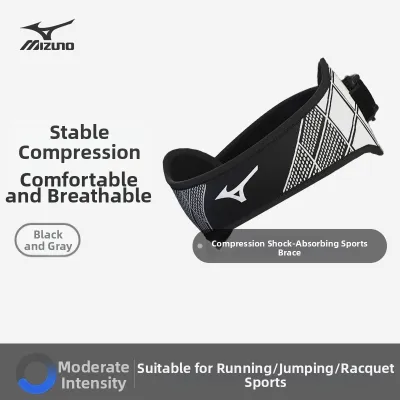
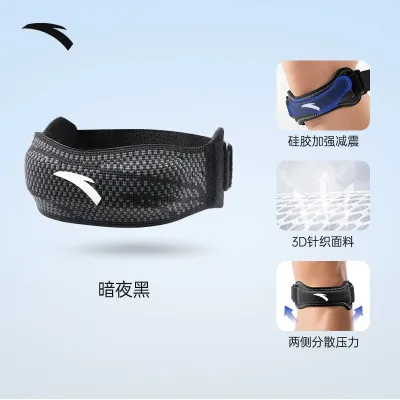
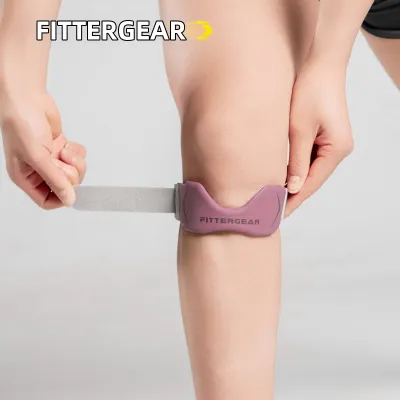
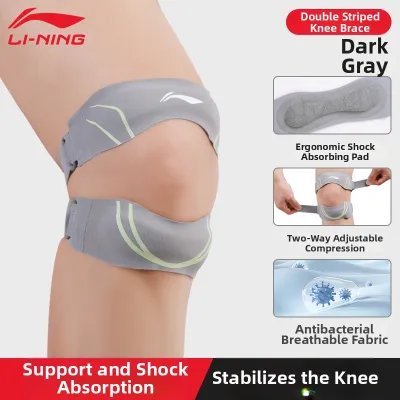
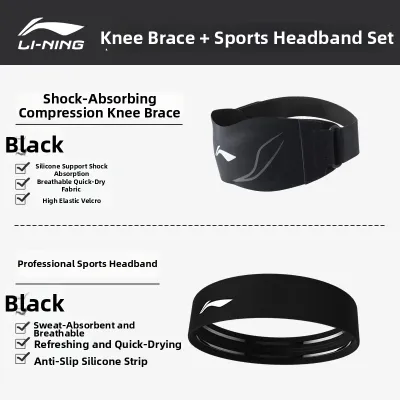
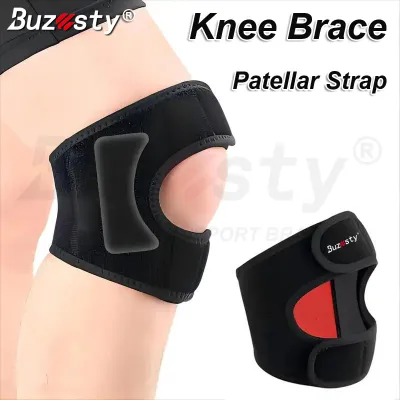
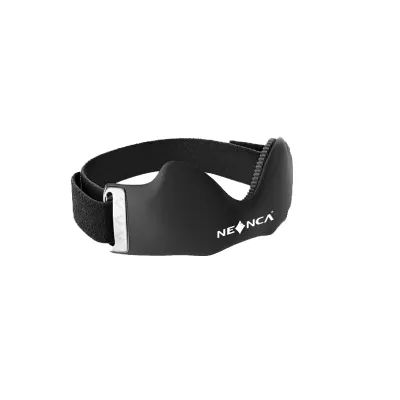
Prices are valid at publication and may change. Please refer to the product page for the latest price.
It is important to clarify that a patellar tendon strap is designed solely to provide targeted compression to the patellar tendon. It is not a substitute for a full hinged knee brace, nor is it a medical cure for underlying joint issues.
Core Features to Look for in Running, Cycling, and Lifting Straps
When shopping at local sporting goods stores or browsing an online marketplace, you will find a wide variety of designs. Understanding how strap width, padding shape, and closure mechanisms interact with your body is essential for making an informed purchase.
The width of the strap determines how pressure is distributed across your tendon. A narrow strap concentrates pressure on a highly specific area, while a wider strap spreads the force across a larger surface. The shape of the internal padding—whether it is a contoured silicone tube, a flat foam insert, or a molded gel pad—directly affects how comfortably the strap sits against your anatomy.
If you participate in multiple sports, selecting a single strap requires a strategic compromise. You should prioritize the activity that places the highest repetitive stress on your patellar tendon. For instance, if you run three times a week but only lift weights occasionally, a lightweight running strap is your best overall choice.
Running: Lightweight and Breathable Support
For runners, managing moisture and heat is a primary concern, especially when training in warm, humid climates like Singapore. Sweat accumulation under a non-breathable strap can quickly lead to skin chafing, rashes, and slipping.
Material Selection Look for straps constructed from moisture-wicking fabrics such as perforated neoprene, nylon blends, or breathable mesh. These materials allow air to circulate and help sweat evaporate quickly, keeping your skin dry during long-distance runs. Avoid solid, thick rubber or non-perforated synthetic bands that trap heat.
Closure and Grip A running strap must stay securely in place despite constant, repetitive impact. Look for closure systems featuring high-quality hook-and-loop fasteners combined with textured silicone grip strips on the interior. These non-slip elements prevent the strap from sliding down your shin as your cadence increases.
Profile and Chafing Prevention The overall profile of the strap should be thin and streamlined. A bulky strap can rub against your opposite leg or cause friction against your running shorts. Verify that the edges of the strap are soft and rounded to prevent the material from digging into the back of your knee during deep strides.
Cycling: Low-Profile and Unrestricted Movement
Cyclists require a strap that accommodates continuous, rapid knee flexion and extension without altering their pedaling mechanics or cutting off circulation.
Contoured and Low-Profile Design Choose a strap with a highly contoured shape that sits flush against the skin. A bulky closure mechanism can catch on your cycling shorts, bibs, or knee warmers, disrupting your rhythm. The front padding should be slim yet firm enough to apply consistent pressure to the tendon without bulk.
Material Elasticity Unlike runners who need rigid tension, cyclists benefit from materials with a slight, controlled stretch. The strap must expand slightly as your knee bends at the top of the pedal stroke, then recover its shape as you extend. This elasticity ensures that blood flow is not restricted during hours in the saddle.
Friction Reduction Friction is the cyclist’s enemy. Check product specifications for seamless construction or flat-lock stitching along the edges. Any raised seams or rough borders can cause severe skin irritation when subjected to thousands of pedal revolutions.
Weightlifting: Maximum Stability and Load Bearing
Weightlifters, powerlifters, and functional fitness athletes subject their knees to extreme forces during heavy squats, cleans, and lunges. The primary requirement here is maximum compression and structural stability.
Strap Width and Dense Padding Opt for a wider strap that covers a larger portion of the patellar tendon. The internal padding should be made of dense, firm foam or solid silicone rather than soft gel. This firmness ensures that the strap does not bottom out or flatten when you are lifting heavy loads at the bottom of a squat.
Heavy-Duty Closure Systems The closure mechanism must withstand immense dynamic pressure. Look for double-strap adjustment systems or heavy-duty hook-and-loop closures that loop through a rigid plastic or metal buckle. This design allows you to pull the strap exceptionally tight before a heavy set and easily loosen it between sets.
Functional Testing When trying on a lifting strap, perform a slow, deep bodyweight squat to test its performance. The strap should provide a firm, supportive “hug” below your kneecap without pinching the back of your knee or preventing you from reaching your desired lifting depth.
How to Measure and Verify the Correct Fit
An improperly fitted patellar strap is at best useless and at worst harmful. To ensure the strap functions as intended, you must measure your leg accurately before making a purchase.

Step-by-Step Measurement
- Sit on a chair with your leg extended straight in front of you, keeping your thigh muscles completely relaxed.
- Use a flexible fabric tape measure to find the circumference of your leg directly below your kneecap. This is the precise location of your patellar tendon.
- Do not measure around the center of the knee joint or around the thickest part of your calf, as this will result in an incorrect size.
Sizing Chart Verification Always compare your measurement to the manufacturer’s specific sizing chart. Sizing is not standardized across brands; a “Medium” in one brand may be a “Large” in another. If your measurement falls on the boundary between two sizes, check user reviews or manufacturer guidelines. Generally, choosing the smaller size is recommended if you need high compression, while the larger size is better for comfort and flexibility.
The Two-Finger Tightness Check Once you put the strap on, perform a quick tightness check. The strap should feel snug and secure, applying direct pressure to the tendon below your kneecap. You should be able to slide two fingers flat underneath the strap with some resistance. If you cannot fit your fingers, the strap is too tight and may restrict circulation. If your fingers slide in easily without resistance, the strap is too loose and will slip during exercise.
Trial Workouts and Return Policies Before committing to a specific strap, check the retailer’s return and exchange policy. Wear the strap around your home or during a light, low-intensity trial workout. If you experience pinching, slipping, or skin irritation within the first ten minutes, the fit is incorrect, and you should exchange it for a different size or design.
Safety Limits: When to Stop Using the Strap
While a patellar knee strap is an excellent tool for managing minor discomfort, it is not a cure-all. Understanding when to stop using the strap is critical for preventing long-term joint damage.
Immediate Stop Conditions You must remove the strap immediately if you experience any of the following warning signs:
- Sharp, stabbing pain in or around the knee joint.
- Numbness, tingling, or a "pins and needles" sensation in your lower leg or foot.
- Visible swelling, redness, or deep skin indentations that persist long after removing the strap.
- A cold sensation in your toes, which indicates restricted blood circulation.
Addressing Persistent Pain A patellar strap is designed to assist with mild, activity-related tendon irritation. It should never be used to mask severe or chronic pain so that you can push through an injury. If your knee pain persists, worsens, or is present even when you are resting, stop using the strap and consult a qualified physiotherapist or sports medicine professional.
The Role of Biomechanics Equipment cannot replace proper training, mobility, and form. A strap is a temporary aid, not a permanent solution for poor movement patterns. Ensure you are dedicating time to dynamic warm-ups, quadriceps and hamstring flexibility, and correcting any biomechanical issues in your running stride, pedaling alignment, or squat form.
Frequently Asked Questions (FAQ)
Can I wear a patellar knee strap all day for general knee pain?
No, you should not wear a patellar knee strap continuously throughout the day. These straps are designed specifically to apply targeted pressure during active movement. Wearing one for prolonged periods while sitting or resting can restrict local blood circulation, cause skin irritation from trapped moisture, and potentially lead to muscle dependency. It is best to wear the strap only during the specific physical activities that place stress on your patellar tendon, and remove it immediately once your workout is complete.
Should I wear the strap on both knees if only one hurts?
You should only wear the strap on the knee that is actively experiencing patellar tendon discomfort. Wearing a strap on a healthy knee provides no preventive benefit and does not protect the joint from future injury. In fact, applying unnecessary compression to a healthy joint can cause discomfort, restrict natural movement, or distract you during your workout. Focus on supporting the affected knee while maintaining balanced movement patterns across both legs.
Community discussion
Share your experience or ask a question. Comments are reviewed before publication.