
Choosing a pelvic muscle trainer for a compact Housing & Development Board (HDB) flat requires balancing physical size, privacy, noise levels, and maintenance needs. The ideal device must fit seamlessly into limited storage spaces, operate quietly in shared multi-generational households, and be easy to clean and dry discreetly without cluttering shared bathrooms. By identifying your specific physical constraints and daily habits, you can select a trainer that supports your pelvic health goals without introducing friction into your home life.
Pelvic floor exercises are highly personal, and consistency is the key to seeing results. In a typical Singapore household where space is at a premium and family members or flatmates share common areas, the practical logistics of using and storing a fitness device can make or break your routine. A trainer that is too loud, difficult to clean, or awkward to dry will likely end up forgotten in the back of a cupboard. Evaluating these practical factors beforehand ensures your investment remains a functional part of your daily routine.
Quick Guide: Key Selection Criteria for HDB Living
Living in an HDB apartment means navigating specific spatial realities. Most flats feature compact bedrooms, shared bathrooms, and close living quarters where sound travels easily. When selecting a pelvic muscle trainer, standard fitness reviews often overlook these domestic dynamics, focusing solely on technical features. For an HDB dweller, however, the physical footprint, noise output, cleaning process, and storage privacy are the most critical factors to consider.
Products mentioned in this guide
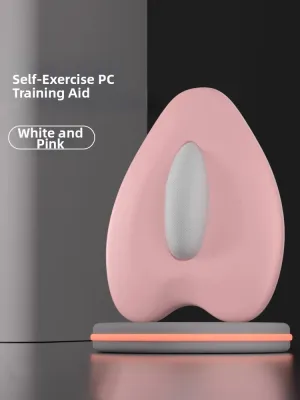


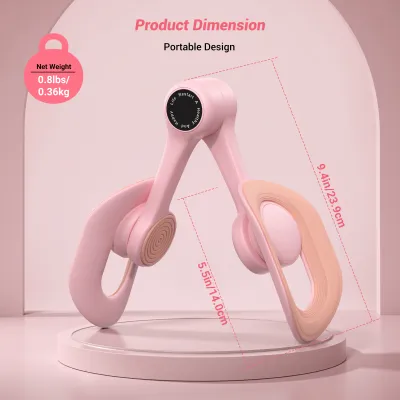
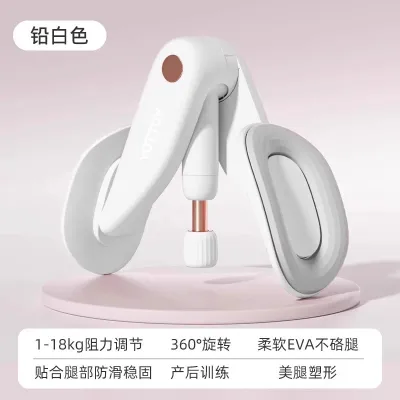
Prices are valid at publication and may change. Please refer to the product page for the latest price.
Your decision-making framework should prioritize how easily the device integrates into a shared environment. If you live with parents, in-laws, or children, a motorized device that hums loudly or requires you to leave it air-drying on the bathroom sink can cause unnecessary awkwardness. You need a solution that can be used quietly in your bedroom, washed quickly, dried out of sight, and stored in a small drawer or personal bag.
Ultimately, the most effective pelvic muscle trainer is the one you can use consistently without anxiety. By focusing on low-profile designs, silent operations, and highly portable form factors, you can maintain your pelvic health routine discreetly and comfortably, regardless of your flat’s layout or the number of people sharing your living space.
Comparing Trainer Types for Space-Constrained Homes
Different pelvic muscle trainers utilize distinct mechanisms, resulting in varying physical sizes and storage requirements. Understanding how these types compare helps you select a form factor that aligns with your available storage and comfort levels.

Smart Biofeedback Sensors and Wearables
Smart biofeedback sensors are high-tech, internal or external devices that connect wirelessly to your smartphone via Bluetooth. These sensors detect muscle contractions in real-time and guide you through interactive workouts, games, or structured training programs displayed on an app. This immediate visual feedback helps ensure you are engaging the correct muscles rather than straining your abdomen or glutes.
From a spatial perspective, smart sensors are incredibly efficient. They feature a very small physical footprint, often measuring no more than a few centimeters in length, and typically come with a compact charging case or a small travel pouch. This makes them exceptionally easy to store out of sight in a bedside table, a vanity drawer, or a personal cosmetic bag.
However, these devices do come with specific operational requirements. They rely entirely on smartphone compatibility and require regular battery charging, meaning you must keep track of a charging cable or dock. Additionally, because the app guides you through active sessions, you need a private, quiet space where you can focus on your phone screen without interruption. If you share a bedroom, you will need to use wireless headphones to keep the app’s audio prompts and sound effects completely private.
Traditional Kegel Weights and Cones
Traditional Kegel weights and cones are physical, non-electronic resistance tools. Typically sold in progressive sets, these silicone-coated weights are inserted internally, requiring your pelvic floor muscles to contract naturally to keep them in place. As your strength improves over weeks or months, you graduate to a heavier weight in the set.
These physical weights offer excellent storage advantages. Because they contain no electronic components, they require no charging cables, power outlets, or software updates. A complete set of weights takes up very little space and can easily be tucked away in a small, opaque pouch in your wardrobe or drawer.
The primary challenge with traditional weights in an HDB home is the cleaning and drying process. Because they are used internally, they must be thoroughly washed with soap and water and left to air-dry completely after every use to maintain hygiene. In a shared household, leaving a set of pelvic weights to air-dry openly on a bathroom shelf is rarely desirable. You must plan for a private, well-ventilated space inside your bedroom or personal wardrobe where they can dry safely away from public view and household dust.
External Resistance Pillows and Squeeze Balls
External resistance tools, such as pelvic floor squeeze balls, resistance rings, or specialized thigh exercisers, work by targeting the adductor muscles of the inner thighs. Squeezing these devices between your knees or thighs helps co-activate the deep pelvic floor muscles without the need for internal insertion.
These tools represent a significant space trade-off. Unlike tiny internal sensors or weights, external resistance trainers are relatively bulky and cannot be easily hidden in a small bedside drawer. They require dedicated storage space in a wardrobe, under the bed, or alongside other home workout gear like yoga mats and resistance bands.
Despite their size, external trainers offer distinct benefits. They do not require internal insertion, making them an excellent option for individuals who find internal devices uncomfortable or those recovering from specific gynecological or postpartum conditions. If you are recovering from childbirth, surgery, or experiencing pelvic pain, always consult a healthcare professional or a pelvic floor physiotherapist before introducing any resistance equipment to your routine.
Matching the Trainer to Your Daily Routine and Privacy Needs
Your daily schedule and household setup dictate which type of trainer will be the most practical to use over the long term. Aligning the equipment with your lifestyle prevents it from becoming a chore.
- Time Commitment and Focus: Consider whether you prefer dedicated, active training sessions or passive, multi-tasking exercises. Smart biofeedback sensors require 10 to 15 minutes of undivided attention where you sit or lie down and focus on the app interface. Conversely, traditional weights can sometimes be worn passively during light, low-impact daily activities around the room, though active focus is still recommended to maximize muscle engagement.
- Privacy and Discretion: In a bustling, multi-generational household, finding a quiet moment can be difficult. If you select a device with vibration feedback or app audio, check if the vibrations are quiet enough to remain unheard through thin bedroom walls. Always use headphones for app-guided sessions to keep the exercise prompts private from family members in the next room.
- Portability for Commuters: If you travel frequently for work or want to maintain your routine during long days away from home, portability is key. Look for trainers that include a discreet, opaque, and hygienic travel case. The case should look like a standard cosmetic pouch or tech accessory bag, allowing you to carry it in your handbag or luggage without drawing attention.
- Tracking and Motivation: Busy schedules make it easy to forget daily exercises. App-connected devices are highly beneficial for tracking progress, setting discreet push-notification reminders, and visualizing your strength improvements over time. Ensure the companion app allows you to disable lock-screen notifications or customize them so they do not display sensitive health terms publicly on your phone screen.
Crucial Specifications to Verify Before Buying
Before purchasing a pelvic muscle trainer, you must verify several technical and safety specifications on the product label or the manufacturer’s website. Because these devices are used in highly sensitive areas, material safety and build quality are paramount.
First, verify the material composition. The trainer must be made of body-safe, medical-grade silicone or non-porous ABS plastic that is free from phthalates, BPA, and latex. Avoid cheap, generic plastics or porous elastomeric materials (often labeled as TPE), as these can harbor microscopic bacteria over time, presenting significant hygiene risks in Singapore’s warm, humid climate.
Second, check the waterproof rating. For any internal device, a high waterproof rating of at least IPX7 is essential. This rating indicates that the device can withstand complete immersion in water, allowing you to wash it thoroughly under running tap water without damaging internal electronics, batteries, or wireless transmitters.
Third, evaluate the adjustability and progression options. Your pelvic floor strength will change over time. If you choose physical weights, ensure the set offers a wide range of increments (for example, starting at 20 grams and progressing up to 70 grams or more). If you choose a smart biofeedback trainer, verify that the companion app dynamically adjusts the difficulty levels and contraction targets based on your daily performance metrics rather than relying on a static, unchangeable routine.
Fourth, assess the power and connectivity specifications. Rechargeable devices utilizing magnetic charging connections are highly recommended over those with open DC plug-in jacks. Magnetic connectors eliminate deep ports where water, soap, and body oils can accumulate and cause bacterial buildup. If purchasing an app-connected device, verify that the Bluetooth connection is stable and that the app is fully compatible with your specific smartphone operating system (iOS or Android) by checking recent user reviews.
Finally, always read the manufacturer’s care instructions, safety warnings, and contraindications before use. If you have an intrauterine device (IUD), are pregnant, or are in the early weeks of postpartum recovery, consult your gynecologist or a qualified pelvic floor physiotherapist to ensure the trainer is safe for your specific body.
Hygiene and Discreet Storage in Shared Bathrooms
Maintaining impeccable hygiene is critical when using pelvic muscle trainers. In a shared HDB bathroom, you must establish a cleaning and drying routine that protects your health while respecting the privacy of everyone in the household.
To clean your device safely, follow these low-risk steps immediately after every use:
- Wash the trainer thoroughly with warm water and a mild, unscented, antibacterial soap. Avoid using dishwashing liquids, body scrubs, or harsh chemical cleaners, as these can degrade medical-grade silicone and cause skin irritation.
- Do not use rubbing alcohol, boiling water, or microwave sterilizers unless the manufacturer's instructions explicitly state that the device is designed to withstand high temperatures. Excessive heat can warp plastic components and destroy internal batteries or sensors.
- Pat the device dry immediately using a clean, lint-free microfiber cloth. Avoid using standard bath towels or toilet paper, which can leave tiny fibers on the silicone surface.
Once the device is clean, do not leave it to air-dry on a shared bathroom counter or windowsill. Instead, transport it to your bedroom inside a clean, dry container. Place it on a fresh towel inside a well-ventilated wardrobe drawer or on a high shelf to finish air-drying out of sight. This prevents exposure to airborne bathroom bacteria and avoids any awkward encounters with family members.
For long-term storage, use the manufacturer-provided opaque storage bag or purchase a small, lockable fabric pouch. Avoid storing silicone devices in airtight plastic containers or zip-lock bags, as trapped moisture can encourage mold and mildew growth in Singapore’s high humidity. Keep the storage pouch in a cool, dry place out of reach of children and pets.
Lastly, monitor your equipment for signs of wear. Regularly inspect the silicone surface under good lighting. If you notice any stickiness, surface cracking, deep scratches, or permanent discoloration, the material may be degrading. A compromised silicone surface can harbor bacteria and should be replaced immediately. Most manufacturers recommend replacing active silicone trainers every two to three years, depending on how frequently they are used and maintained.
Frequently Asked Questions (FAQ)
Can I use a pelvic muscle trainer while doing other household chores?
It depends entirely on the type of trainer you are using. Passive weighted cones are designed to be held in place while standing or walking slowly, which can accommodate light, low-impact chores like folding laundry. However, you should avoid wearing them during high-impact activities, heavy lifting, or prolonged standing, as these actions increase downward intra-abdominal pressure and can strain your pelvic floor muscles. Active smart trainers require your full concentration and a stable, quiet posture—such as sitting or lying down—to accurately measure your contractions. Always defer to the manufacturer’s usage guidelines and consult a healthcare professional for personalized advice.
How do I discreetly dry and store the device in a shared HDB bathroom?
To maintain privacy and hygiene in a shared HDB toilet, do not leave your trainer to air-dry in the open. After washing the device, immediately dry it thoroughly with a dedicated, quick-dry microfiber towel kept in your personal toiletry kit. Once dry to the touch, place the device inside an opaque, breathable travel pouch and transfer it to your bedroom wardrobe or a private drawer to finish airing out. This simple routine prevents exposure to bathroom humidity, protects your privacy, and keeps the device safe from cross-contamination.
Community discussion
Share your experience or ask a question. Comments are reviewed before publication.