
A Pilates stick, often referred to as a portable Pilates bar, serves as a highly versatile resistance training tool designed to mimic many of the core-strengthening exercises typically performed on a studio reformer. By combining a structured bar with elastic resistance bands, this compact equipment allows you to perform full-body workouts, improve postural alignment, and enhance flexibility without dedicating a large footprint to heavy machinery. For fitness enthusiasts looking to maintain a consistent routine at home or on the go, understanding the technical specifications of these devices is the first step toward a safe and effective workout.
While traditional Pilates reformers rely on complex spring-and-pulley systems mounted on a large wooden or metal frame, a Pilates stick distills this resistance training concept into a lightweight, highly transportable format. This makes it an exceptional space-saving alternative for those who want to practice Pilates but lack the physical space for permanent studio installations. However, because you are relying on a single rod and elastic bands to support your body weight and movement control, choosing a model with the correct structural integrity, adjustable tension levels, and ergonomic features is essential to ensure your safety and long-term progress.
Key Features to Evaluate Before You Buy
Resistance Levels and Band Mechanics
When evaluating a pilates stick, the resistance band system is the most critical component governing both safety and exercise progression. Resistance bands generally fall into two categories: fixed-tension bands and adjustable-tension setups. Fixed-tension bands provide a pre-determined level of resistance (often labeled in kilograms or pounds, such as 15 pounds / 6.8 kilograms of pull force) that only increases as the band is stretched further. While simple, fixed bands can limit your ability to progress as your strength improves, and they may not accommodate different muscle groups that require varying levels of load.
Products mentioned in this guide
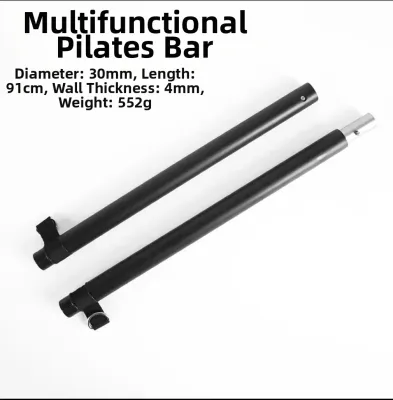
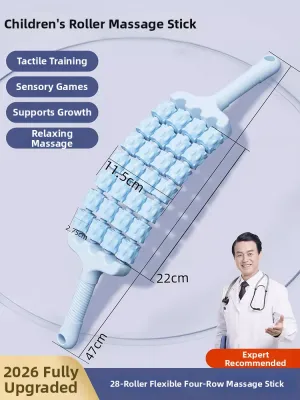
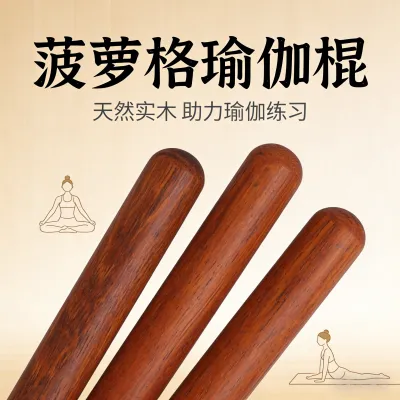
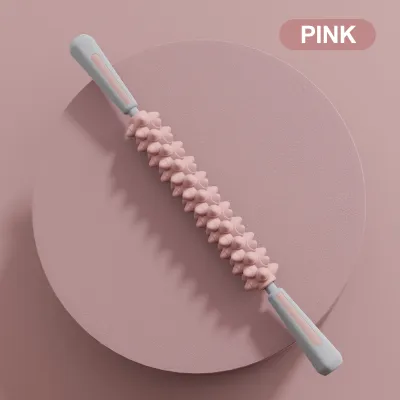

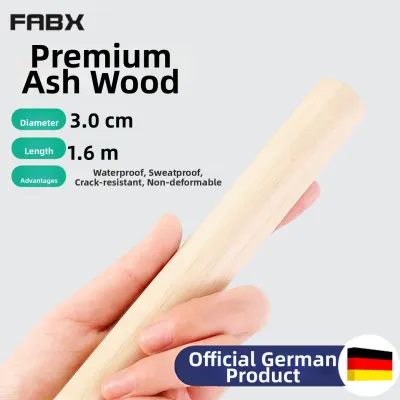
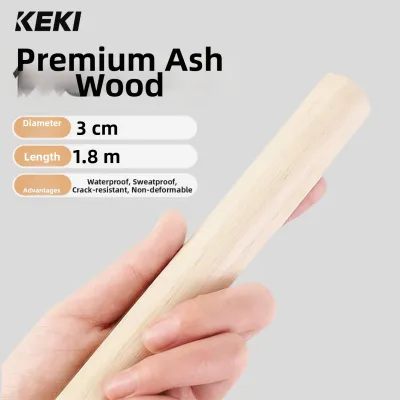
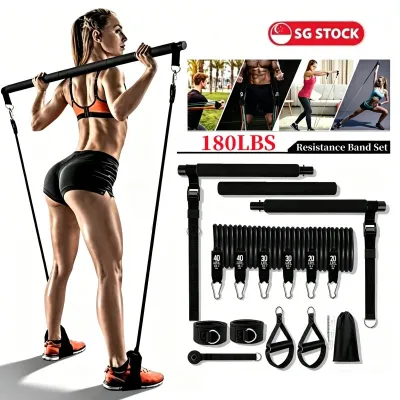
Prices are valid at publication and may change. Please refer to the product page for the latest price.
Adjustable-tension systems offer far greater versatility by allowing you to clip multiple bands onto the bar simultaneously or adjust the length of the bands via integrated cam buckles or wrapping mechanisms. When shopping, you must verify the manufacturer’s stated maximum tension capacity against your current fitness level and physical strength. For safety, always select a system that allows you to start at a lower, manageable tension level while offering room to scale up. Before beginning any high-repetition movement, check the bands for micro-tears, discoloration, or physical wear, as compromised elastomer bands can snap under tension, risking serious injury.
Length and Adjustability of the Rod
The physical dimensions of the bar itself dictate how comfortably you can perform wide-grip or overhead movements. Standard Pilates sticks typically measure between 90 and 100 centimeters in length. A fixed-length bar offers maximum structural rigidity because it lacks internal joints, making it highly stable for heavy-duty workouts. However, fixed bars are more difficult to transport and store, especially if you plan to carry your equipment to outdoor training sessions or local studios.
To address portability, many modern designs feature telescopic or sectional rods. Sectional bars typically split into two or three pieces that connect via spring-loaded push buttons or threaded screw joints, while telescopic models slide inward to compress their overall length. If you opt for a multi-piece bar, you must inspect the locking mechanisms to ensure there is no structural play or wobbling when the bar is fully assembled. Taller users should pay close attention to the maximum extended length of both the bar and the bands; if the bands are too short for your height, they will stretch beyond their safe limit, increasing the risk of structural failure.
Handle Ergonomics and Slip Resistance
Because Pilates exercises require sustained gripping and precise hand placement, the texture and material of the bar’s outer grip directly impact your control and comfort. During high-repetition exercises like chest presses or bicep curls, sweat can quickly make a smooth bar slippery, compromising your form and grip safety. Look for bars wrapped in high-density, textured foam or non-slip thermoplastic elastomer (TPE) sleeves that provide a secure hold even when your hands are wet.
In addition to texture, consider the circumference of the grip. A bar that is too thick can cause premature forearm fatigue, while a bar that is too thin may not distribute pressure evenly across your palms, leading to joint discomfort. If possible, verify the outer diameter of the bar on the manufacturer’s specification sheet to ensure it matches your hand size. A grip with integrated ridges or ergonomic contours can further assist in maintaining correct hand alignment throughout your routine.
Included Accessories and Quality Verification
A comprehensive Pilates bar kit often comes bundled with several accessories designed to expand your exercise repertoire, including foot loops, door anchors, and carrying cases. Foot loops should feature wide, padded webbing straps to prevent the material from digging into your arches or ankles during leg circles and kickbacks. Heavy-duty metal carabiners and reinforced stitching at all connection points are essential for securing the bands to both the bar and the foot straps.
Door anchors are particularly useful for replicating high-to-low pulley movements, but they require strict safety checks. When using a door anchor, always install it on the side of the door that closes away from you, ensuring that the physical door frame acts as a backup barrier if the latch fails. Upon unboxing any new kit, perform a thorough visual inspection of all accessories, checking for loose threads, cracked plastic buckles, or compromised metal clips before attempting to use the equipment under load.
Material Guide: Choosing the Right Rod and Grip
Rod Materials: Fiberglass vs. Metal Alloys
Fiberglass Bars Fiberglass is a popular material choice for Pilates sticks due to its lightweight profile and natural elasticity. A fiberglass rod can bend slightly under load, providing a dynamic, spring-like feel that closely mimics the subtle resistance curves of a traditional Pilates ring or reformer tower. This flexibility can be advantageous for fluid, low-impact movements where absolute rigidity is not required.

However, because fiberglass is designed to flex, you must verify the manufacturer’s stated weight limits and bend tolerance before purchasing. Exceeding these structural limits can cause the fiberglass to splinter or crack over time. If your fitness routine involves high-resistance strength training or exercises where you must stand directly on the bar, a flexible fiberglass rod may not provide the stable, unyielding platform necessary for secure foot placement.
Metal and Aluminum Alloys For users who prioritize structural durability and high load capacities, metal alloys—specifically structural steel or anodized aluminum—are the gold standard. Aluminum alloy bars offer an excellent balance of strength and portability, providing a completely rigid platform that will not bend or warp under heavy resistance. Anodized aluminum also features superior resistance to corrosion, which is a vital consideration in humid tropical environments where sweat can quickly degrade unprotected metals.
Steel bars are heavier and offer unmatched durability, but their increased weight can make them less convenient for travel. When choosing a metal bar, check the product specifications for anti-corrosion coatings or rust-resistant treatments. Regardless of whether you choose fiberglass or metal, remember that material names alone do not guarantee absolute safety; you must always adhere strictly to the manufacturer’s recommended load limits and usage instructions to prevent equipment failure.
Grips and Pedals: TPE, Rubber, and Foam
Thermoplastic Elastomer (TPE) TPE is a synthetic material that combines the performance characteristics of rubber with the recycling capabilities of plastics. TPE grips are highly durable, resistant to tearing, and do not absorb moisture, making them incredibly hygienic and easy to sanitize after a sweaty workout. They provide a firm, tactile grip that remains slip-resistant even during intense exercise sessions.
Natural Rubber Natural rubber offers exceptional grip traction and a premium, solid feel. It is highly elastic and resilient, making it an excellent material for both bar grips and foot pedal linings. However, natural rubber is heavier than TPE and foam, and it can trigger allergic reactions in individuals with latex sensitivities. Additionally, natural rubber can degrade and become sticky if exposed to direct sunlight or body oils over extended periods.
High-Density Foam Foam grips are lightweight, soft to the touch, and provide comfortable cushioning for your hands and feet. They are highly effective at absorbing initial impact and pressure, making them a comfortable choice for beginners. However, open-cell foam acts like a sponge, absorbing sweat, dirt, and bacteria over time, which can lead to unpleasant odors and rapid material degradation. If you prefer foam, look for closed-cell EVA foam, which resists moisture absorption and is much easier to wipe clean.
Quality Inspection Checklist To ensure your grips and pedals are safe to use upon delivery, perform this quick visual and tactile inspection:
- Seam Integrity: Examine the edges where the grip material meets the rod; there should be no peeling, loose adhesive, or visible gaps.
- Odor Check: A strong, acrid chemical smell often indicates the use of low-grade plastics or adhesives that may cause skin irritation.
- Adhesion Test: Grasp the grip firmly and attempt to twist it around the bar; it should remain completely stationary without sliding or rotating.
How to Find Trusted Brands and Retailers in Singapore
Criteria for Identifying Reliable Brands
When searching for a high-quality pilates stick in Singapore, look for brands that demonstrate complete transparency in their engineering and material sourcing. A reputable fitness brand will clearly list the exact materials used in their rods (such as 6061 aircraft-grade aluminum or reinforced fiberglass) and the composition of their resistance bands (such as 100% natural Malaysian latex). Avoid brands that use vague marketing terms like “heavy-duty polymer” or “premium elastic” without providing specific technical data sheets.
Furthermore, trusted brands back their products with clear warranty policies and accessible customer support. A standard warranty should cover manufacturing defects, structural failures of the rod, and premature snapping of the resistance bands for at least six months to a year. Clear instruction manuals, safety guidelines, and online exercise libraries are also strong indicators of a brand that prioritizes user safety and product satisfaction.
Safe Purchasing Channels
To ensure you receive an authentic product backed by a valid warranty, purchase your Pilates equipment directly from brand official websites or established local sports and wellness retailers. Many international fitness brands maintain dedicated local distribution networks or physical showrooms in Singapore, allowing you to test the equipment’s weight and grip comfort in person before committing to a purchase.
If you prefer the convenience of online shopping, look for verified flagship stores on major e-commerce platforms. These official digital storefronts are directly managed by the brands or authorized distributors, ensuring that you receive genuine merchandise rather than counterfeit goods. When buying online, always read the seller’s profile to confirm they offer local customer service and hassle-free return shipping within Singapore.
Red Flags to Avoid
Be highly skeptical of online listings that feature unusually low prices (such as kits priced under S$15) paired with generic, unbranded product descriptions. These ultra-cheap kits often utilize thin-walled plastic rods that can bend or snap under moderate pressure, and their resistance bands are frequently made from low-grade synthetic rubber that degrades rapidly and snaps without warning.
Other critical red flags include:
- Missing Specification Sheets: A complete lack of information regarding maximum weight limits, band tension levels, or physical dimensions.
- No Local Return Policy: Sellers who do not offer a local return address or clear refund terms for defective items.
- Absent Safety Documentation: Kits that do not include basic safety warnings, installation instructions for door anchors, or guidelines on how to inspect the bands for damage.
Always retain your physical or digital invoice as proof of purchase, as local distributors in Singapore will require this documentation to process any warranty claims or replacement requests.
Matching the Equipment to Your Space and Fitness Level
Tailoring Resistance to Your Experience
Your current fitness level should dictate the resistance profile and accessory options of the Pilates stick you choose. If you are a beginner, look for kits that offer low-to-moderate resistance bands (ranging from 5 to 15 kilograms of tension) to allow your muscles and joints to adapt to the movements. Beginners also benefit greatly from brands that include comprehensive instructional guides, video tutorials, or workout charts to ensure proper form and prevent injury during early training sessions.
Advanced users, on the other hand, should seek out modular Pilates bars that support high-tension bands (up to 30 kilograms or more) and feature heavy-duty carabiner connection points. These modular setups allow you to stack multiple bands on a single hook, enabling you to perform progressive overload training for larger muscle groups. Advanced kits may also include specialized accessories like rotational handles or stability straps that allow for highly complex, multi-planar athletic movements.
Space and Storage Solutions for Singapore Homes
Living in a compact urban environment, such as a high-rise HDB apartment or condominium in Singapore, requires careful consideration of how your fitness gear is stored. Traditional fitness equipment can quickly clutter valuable living space, making a sectional or foldable Pilates stick an ideal choice. A three-piece detachable bar can be easily disassembled and stored inside a standard shoe cabinet, under a bed, or in a shallow drawer, keeping your living area clean and organized.
If you prefer to keep your bar assembled, look for models that include a wall-mounting bracket or a vertical storage stand. This allows you to store the stick upright in a corner, minimizing its physical footprint. Always measure your intended storage space before buying to ensure the disassembled pieces or the fully assembled bar will fit comfortably without obstructing daily foot traffic.
Portability for Outdoor and Travel Workouts
For those who enjoy taking their workouts outdoors to Singapore’s scenic green spaces, such as East Coast Park, the Singapore Botanic Gardens, or local active hubs, portability is a key decision factor. A lightweight aluminum or fiberglass bar that weighs under 1.5 kilograms is highly recommended for easy transport. Ensure the kit comes with a dedicated, moisture-resistant carrying bag equipped with comfortable shoulder straps.
If you travel frequently for business or leisure, look for ultra-compact, break-down models that can easily fit into a standard carry-on suitcase. These travel-friendly kits allow you to maintain your fitness routine in hotel rooms or outdoor parks without adding significant weight or bulk to your luggage. When training outdoors, always place a protective mat or towel beneath your resistance bands to prevent them from rubbing against abrasive surfaces like concrete or gravel, which can cause micro-abrasions and lead to premature band failure.
Frequently Asked Questions (FAQ)
Can a Pilates stick fully replace a traditional reformer?
While a Pilates stick is an excellent, cost-effective tool for home-based resistance training, it cannot fully replicate the precise mechanics of a studio reformer. Reformers utilize a sliding carriage, adjustable spring tensions that remain constant throughout the range of motion, and complex pulley systems that support your body weight in multiple planes. A Pilates stick provides variable resistance that increases as the bands stretch, making it a highly valuable complementary tool or a practical alternative for home use, rather than a complete replacement for professional studio equipment.
How should I clean and store the resistance bands?
To prolong the lifespan of your resistance bands and grips, wipe them down with a damp, soft cloth after every workout to remove sweat, body oils, and dust. Avoid using harsh chemical cleaners, bleach, or alcohol-based sanitizers, as these substances can rapidly degrade natural rubber and TPE, causing the materials to become brittle and prone to snapping. Always store your Pilates stick and bands in a cool, dry indoor environment away from direct sunlight, as UV rays and high humidity can accelerate the breakdown of elastic materials.
Community discussion
Share your experience or ask a question. Comments are reviewed before publication.