
Selecting the right pool bag is key to a seamless transition between the water and your daily routine. The primary challenge of any swim commute is managing the boundary between wet, chlorinated gear and dry personal items. A standard backpack often falls short, leaving you with damp clothes, fogged goggles, and a lingering musty smell.
To find a bag that works, look for three core elements: reliable wet-and-dry separation, dedicated protective compartments for delicate gear, and adequate ventilation. By evaluating how a bag handles moisture, organizes accessories, and distributes weight, you can protect your investment in swimwear and swim accessories while keeping your daily essentials dry and secure.
Managing Wet and Dry Gear: Decoding Materials and Compartments
The foundation of any high-performing pool bag is its ability to isolate moisture. When evaluating potential bags, look closely at the material specifications of the wet compartment. High-quality options typically feature heavy-duty, water-resistant linings made from polyurethane-coated nylon or thermoplastic polyurethane (TPU). Some bags utilize tarpaulin-style fabrics, which offer excellent water resistance and are easy to wipe clean after use.
Products mentioned in this guide

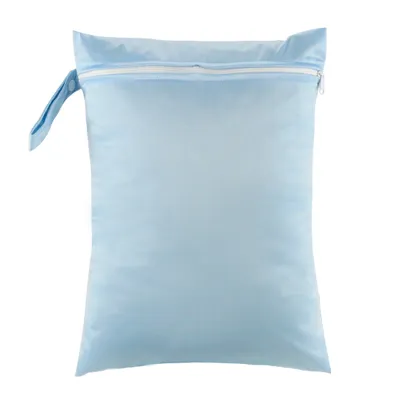
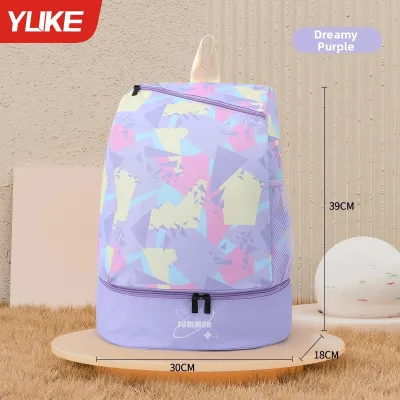
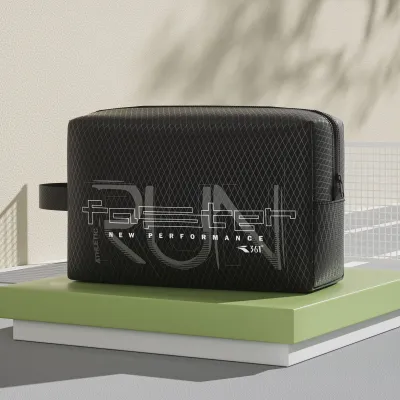
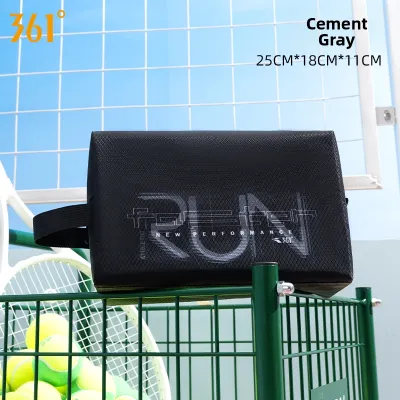
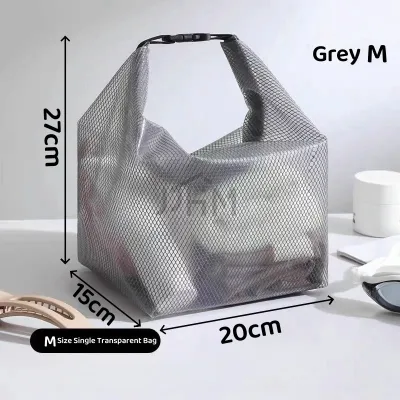
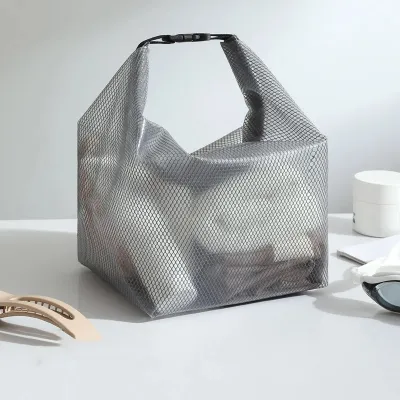
Prices are valid at publication and may change. Please refer to the product page for the latest price.
Beyond the fabric itself, pay close attention to the construction of the seams. Standard stitched seams can allow moisture to seep through over time, especially when carrying a fully saturated swimsuit and towel. Look for welded or sealed seams in the wet compartment, which act as a true barrier against leaks. This ensures that the water from your wet gear remains contained and does not migrate into the dry sections of your bag.
The layout and number of compartments are equally critical. A simple single-cavity bag with a loose wet bag insert is rarely sufficient for regular swimmers. Instead, seek out bags with built-in, structurally isolated wet/dry pockets. A dedicated bottom compartment or an external roll-top pocket keeps damp items completely separate from your clean clothes, electronics, and paperwork.
Finally, do not overlook the zippers. Zippers are common failure points for water resistance. Inspect the bag for water-resistant coated zippers or protective storm flaps that cover the zipper track. These features prevent external splashes from entering the dry compartments and stop internal moisture from escaping through the zipper teeth during your commute.
Protecting Fragile Accessories: Evaluating Padding and Structure
Swimwear is not the only gear that needs careful handling; delicate accessories like goggles and swim caps require specialized protection. Goggles are highly susceptible to scratching, and their anti-fog coatings can easily degrade if rubbed against rough surfaces. Swim caps, particularly those made of latex or thin silicone, can tear if punctured by sharp objects or keys floating loosely in a bag.

To safeguard these items, look for a pool bag that incorporates structured protection. Some advanced swim backpacks feature integrated hard-shell cases or reinforced ethylene-vinyl acetate (EVA) pockets. These molded compartments act as a protective vault, preventing your goggles from being crushed when your bag is packed tightly or placed in a crowded locker.
Internal organization is another key factor in preventing damage. A bag with a single, unstructured main cavity forces all your gear to settle at the bottom, leading to friction and potential damage. Look for bags equipped with dedicated mesh dividers, elastic loops, or fleece-lined sleeves. These features keep your goggles, swim caps, nose clips, and earplugs securely in place, preventing them from shifting and rubbing against each other during transit.
If your routine involves carrying delicate accessories, avoid entirely soft, unstructured bags. A bag that collapses completely under its own weight offers minimal protection against external impacts. A semi-rigid structure or a reinforced base not only protects your gear but also helps the bag stand upright on wet locker room floors, making it much easier to pack and unpack.
Sizing and Carrying Comfort: Interpreting Capacity and Ergonomics
Choosing the right bag size depends entirely on your typical gear load. To estimate the capacity you need, list everything you carry to the pool. A basic swim workout might only require a swimsuit, goggles, a cap, and a compact microfiber towel, which easily fits into a 20-liter to 25-liter bag. However, if you carry a plush cotton towel, training fins, kickboards, toiletries, and a change of clothes, you will likely need a bag with a capacity of 35 liters to 45 liters.
If you use your pool bag as a daily commuter pack, you must also account for non-swimming essentials. Ensure the bag has enough dry space for a laptop, shoes, and lunch boxes. Many modern swim bags feature dedicated, padded laptop sleeves that are suspended away from the bottom of the bag to protect your electronics from impact and potential moisture pooling.
The carrying style you choose significantly impacts your comfort during your commute. Backpacks are generally the most popular choice for swimmers who walk, cycle, or use public transport, as they distribute weight evenly across both shoulders and keep your hands free. Duffel bags offer a wider opening for easy access to large gear but can be cumbersome to carry over long distances. Totes are convenient for quick trips to a backyard or hotel pool but lack the ergonomic support needed for heavy loads.
When evaluating a backpack-style pool bag, check the ergonomic specifications. Look for wide, adjustable shoulder straps with thick padding to prevent the straps from digging into your shoulders. A sternum strap is highly beneficial for stabilizing heavy loads, while a breathable, padded back panel with air-mesh channels helps reduce sweat and heat buildup during warm commutes.
Ventilation and Odor Control: Understanding Mesh and Airflow Specs
While keeping water contained is crucial, trapping moisture inside a sealed bag for too long creates a breeding ground for mold, mildew, and unpleasant odors. This is where ventilation features become essential. A well-designed pool bag balances water containment with strategic airflow to help damp gear begin drying even while you are on the move.
Look for bags that feature exterior mesh panels or dedicated ventilated side pockets. These mesh zones allow air to circulate freely around damp items like swim caps, sandals, or training aids. Some bags utilize breathable fabric zones or metal grommets at the bottom of compartments to facilitate drainage and airflow, preventing the buildup of stagnant, humid air inside the bag.
Understanding the design trade-off between water resistance and ventilation is key to choosing the right bag. A completely waterproof dry bag will keep external water out and internal water in, but it offers zero ventilation, meaning your wet gear will quickly develop odors if left inside. Conversely, a fully mesh bag provides maximum airflow but offers no protection for your dry items or electronics. The ideal solution is a hybrid design that features a sealed, waterproof compartment for wet gear alongside ventilated mesh pockets for items that need to breathe.
It is important to recognize that bag ventilation is a temporary measure during your commute. Even the most highly ventilated pool bag cannot replace a proper post-swim drying routine. Once you arrive home, always remove your wet swimwear, towels, and accessories from the bag and hang them up to dry completely in a well-ventilated area. This simple habit, combined with a well-ventilated bag, will significantly extend the lifespan of both your gear and the bag itself.
Building Your Pool Bag Shortlist: Matching Features to Your Routine
To finalize your choice, it helps to match your specific swimming habits to a user profile. If you are a casual swimmer who visits the pool once or twice a week for leisure, a lightweight tote or a compact backpack with basic wet/dry separation will likely suffice. Your focus should be on simplicity, ease of cleaning, and a style that fits your casual routine.
For fitness and training swimmers who hit the pool multiple times a week, a high-volume backpack is often the best fit. You will need a bag with robust wet/dry separation, dedicated compartments for training aids like kickboards or pull buoys, and excellent ventilation to handle frequent use. Look for durable materials that can withstand daily exposure to chlorinated locker room benches.
If you are a competitive swimmer, your requirements are highly specialized. You will need a large-capacity bag with advanced protective features to safeguard expensive tech suits, multiple pairs of goggles, and specialized training gear. Look for bags with reinforced, crush-proof compartments, heavy-duty zippers, and a highly structured design that keeps your gear organized and easily accessible during fast-paced swim meets.
Before making your final purchase, establish a verification checklist to inspect the bag’s build quality. Check that all zippers glide smoothly and feature pull tabs for easy operation with wet hands. Examine the stitching along the seams and strap attachment points to ensure they are reinforced for durability. Finally, verify that the compartments are easily accessible and that the bag’s dimensions comply with any locker size restrictions at your local pool.
Frequently Asked Questions (FAQ)
Can I use a regular gym bag instead of a dedicated pool bag?
While you can use a regular gym bag, it often lacks the specialized features required to handle wet swim gear. Standard gym bags are typically made from absorbent fabrics like cotton canvas or basic polyester, which can easily soak through when in contact with wet swimwear, potentially damaging your dry items. Furthermore, generic sports bags rarely feature sealed wet compartments or dedicated ventilation, leading to trapped moisture and rapid odor buildup. If you must repurpose a regular gym bag, it is highly recommended to use separate, waterproof dry bags or wet bags inside to isolate your damp gear and protect the rest of your belongings.
How do I clean and maintain a pool bag to extend its lifespan?
To extend the lifespan of your pool bag, establish a regular cleaning routine to remove chlorine, salt, and moisture buildup. After each use, rinse the bag’s wet compartments with fresh, clean water to wash away residual chlorine or salt water, which can degrade fabrics over time. Always allow the bag to air-dry completely in a shaded, well-ventilated area with all compartments zipped open. Before applying any cleaning agents, check the manufacturer’s care labels and instructions. Avoid machine washing, harsh chemical detergents, or tumble drying unless explicitly approved by the manufacturer, as excessive heat and agitation can damage water-resistant coatings and sealed seams.

Community discussion
Share your experience or ask a question. Comments are reviewed before publication.