
A reliable grip is the foundation of a consistent golf swing. When playing in warm, humid climates, moisture from sweat or sudden tropical showers can quickly compromise your connection to the club. A high-quality quick-dry sports towel is an essential piece of gear that keeps your hands dry, your grips tacky, and your club grooves free of debris. Choosing the right one requires looking beyond basic aesthetics to evaluate material composition, weave patterns, size, and attachment systems.
Evaluating Quick-Dry Materials for the Golf Course
Microfiber is the industry standard for quick-dry performance on the golf course. It is typically constructed from a blend of polyester and polyamide, which work together to balance durability and water absorption. Polyester provides the structural framework and allows the fabric to dry rapidly by shedding water quickly. Polyamide adds softness and enhances the towel’s capacity to pull moisture away from your hands and equipment.
When comparing options, check the fabric weight, measured in grams per square meter (GSM), on the product label. A lower GSM, typically between 200 and 250, indicates a thin, lightweight towel that dries exceptionally fast in humid air. A higher GSM, ranging from 350 to 450, offers a plusher feel and greater total water capacity, though it will take longer to dry completely on your bag.
Products mentioned in this guide
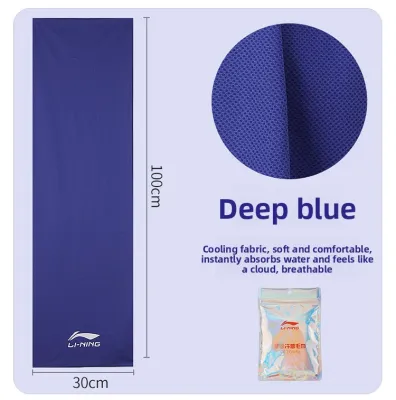
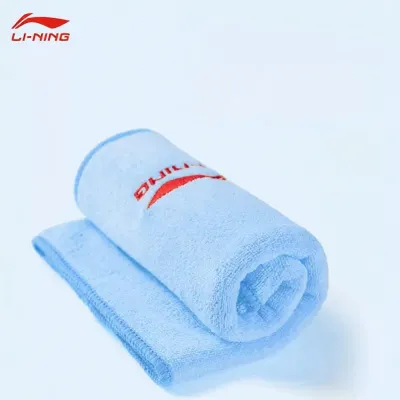
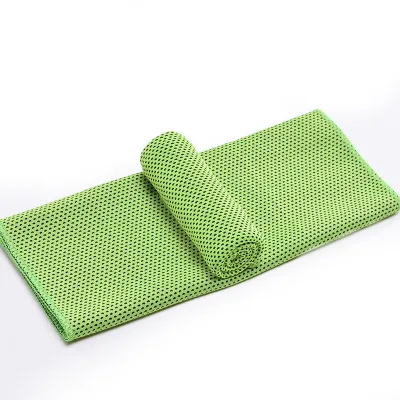
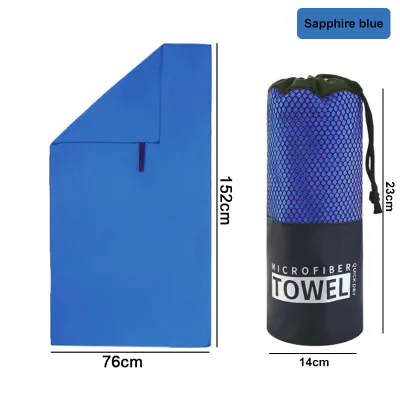
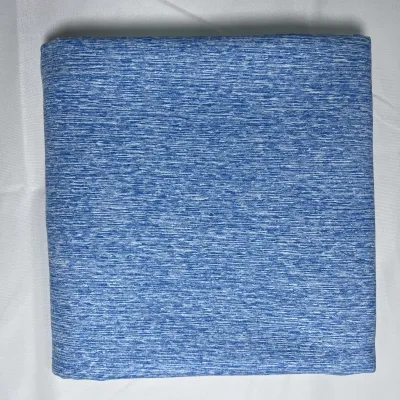
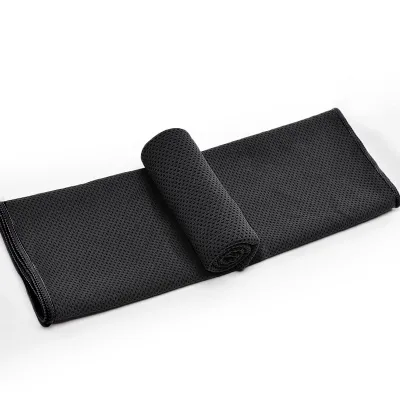
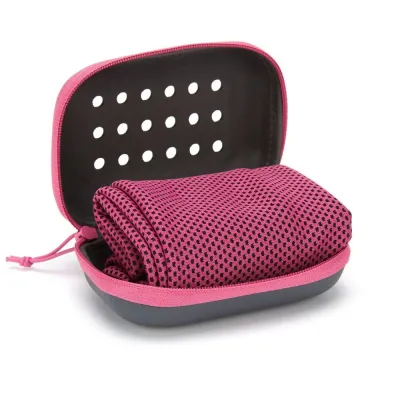
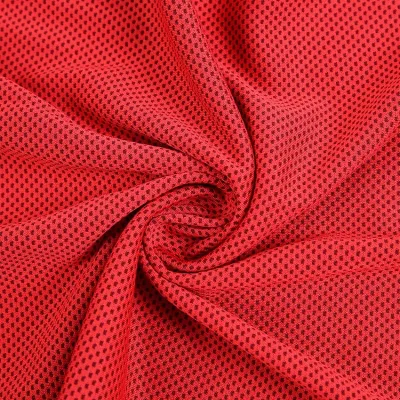
Prices are valid at publication and may change. Please refer to the product page for the latest price.
The physical texture of the fabric also dictates how effectively it performs on the course. Waffle weave fabrics feature a recessed grid pattern that acts like tiny scrapers to lift mud, sand, and grass clippings out of your iron grooves. In contrast, traditional terry cloth has looped fibers that can easily snag on club heads and trap dirt deep within the fabric, making it much harder to shake clean during a round.
Selecting the Right Size and Fold Design
Golf towels come in various dimensions, and the ideal size depends on your playing style and how you navigate the course. Standard sizes, usually around 40 by 60 centimeters, offer a balanced surface area for wiping hands and cleaning clubs without hanging too low. Oversized towels provide maximum surface area, which is highly beneficial on rainy days when you must repeatedly dry off wet grips, but they add noticeable weight when saturated.

Fold designs, such as tri-fold configurations, offer excellent structural utility for organizing your cleaning tasks. A tri-fold towel is secured at a single point at the top, allowing it to hang in three distinct vertical sections. This design allows you to dedicate the inner folds to dirty tasks, like wiping mud off golf balls and club faces, while keeping the outer panels clean and dry for your hands and face.
Consider the weight and bulk trade-off based on how you carry your gear. If you prefer walking the course with a lightweight carry bag, a bulky, heavy towel can become a physical nuisance over 18 holes. Conversely, if you ride in a buggy, a larger towel is easily accommodated and provides ample coverage for a full round without weighing you down.
Choosing a Secure Attachment for Your Golf Bag
How your towel attaches to your bag determines its accessibility and security during a round. Carabiner clips are highly popular because they lock securely onto the D-rings of your golf bag, ensuring the towel won’t fly off in high winds. Grommet loops offer a simple and traditional attachment method, but they can wear out or tear the fabric if the towel is pulled forcefully from the bag.
Magnetic attachment systems provide a modern, high-convenience alternative. These systems use a strong magnet that allows you to detach the towel instantly to take it with you to the putting green. When choosing a magnetic system, verify that the magnet is strong enough to withstand the bumps of a golf cart and compatible with the metal frames of your pushcart.
A secure attachment ultimately prevents the towel from dragging on wet grass or falling onto the fairway unnoticed. A lost towel is a major inconvenience that leaves you without a way to keep your equipment clean for the rest of your round.
Verifying Drying Speed and Absorbency Claims
Marketing terms can be misleading, so it is important to verify performance claims by checking the physical specifications of the towel. Look at the material composition on the care label; a higher percentage of polyamide generally increases absorbency, while polyester accelerates drying.
Understand the physical trade-off between water retention and drying speed. A towel designed to hold a massive volume of water will naturally take longer to dry in humid air. For golf, a moderate absorbency towel that dries rapidly is often superior to a highly absorbent towel that remains damp and heavy for hours.
When researching options, look for user feedback that specifically mentions performance in humid conditions or after multiple wash cycles. Real-world observations can reveal whether a towel retains its quick-dry properties or becomes stiff and less absorbent over time.
Washing and Maintaining Quick-Dry Performance
To preserve the technical properties of synthetic quick-dry fabrics, proper maintenance is crucial. Always consult the manufacturer’s care label for specific temperature limits and washing instructions. Most synthetic towels perform best in cool or warm water on a gentle cycle.
Avoid using fabric softeners, as they deposit a thin, waxy silicone coating over the fibers. This coating clogs the microscopic channels in microfiber, drastically reducing its ability to wick moisture and dry quickly. Bleach should also be avoided, as it can break down the synthetic polymers, leading to premature shedding and loss of structural integrity.
Proper drying and storage are essential to prevent mildew. Air drying is the safest method for synthetic fibers, as high heat in a tumble dryer can melt or warp the delicate microfibers. Ensure the towel is completely dry before folding it and storing it in your golf bag to avoid musty odors and mold growth.
Frequently Asked Questions (FAQ)
Can I use a regular gym towel instead of a specific golf towel?
While a standard gym towel can dry your hands, it lacks the specialized features required on the golf course. Gym towels are often made of cotton, which retains moisture far longer than synthetic quick-dry fabrics, leaving you with a heavy, damp cloth in humid weather. Additionally, they rarely feature attachment clips or specialized textures like waffle weave, making them less effective at cleaning club grooves and more prone to falling off your bag.
How often should I wash my quick-dry golf towel?
The frequency of washing depends on your playing conditions and how dirty the towel gets. If you are playing in dry, dusty conditions, a simple shake and rinse might suffice for a few rounds. However, if you are playing in high humidity, sweating heavily, or wiping mud off your clubs, you should wash the towel after every round to prevent bacteria and mildew buildup. Always refer to the manufacturer’s care label to ensure you are using the correct washing cycle and temperature.
Community discussion
Share your experience or ask a question. Comments are reviewed before publication.