
When flying a kite regularly in Singapore’s coastal parks and open spaces, the reliability of your kite reel is the single most important factor determining whether your session is a relaxing escape or a frustrating struggle against tangled lines and mechanical failures. The steady sea breezes at popular spots like Marina Barrage and East Coast Park place continuous, high-tension demands on your equipment. Furthermore, Singapore’s tropical climate—characterized by intense humidity, high temperatures, and salt-laden air—creates a highly corrosive environment that can rapidly degrade sub-par gear.
Identifying a reliable kite reel requires looking past flashy marketing and focusing on structural integrity, material quality, and mechanical design. Because many high-quality reels are imported under various distributor names or sold without prominent branding, learning how to evaluate the physical components of a reel is far more valuable than relying on brand names alone. By understanding what makes a reel durable, you can confidently select a model that will withstand regular use and keep your kite safely anchored in the sky.
Quick Guide to Evaluating Kite Reel Reliability
For regular recreational flying, a reliable kite reel must deliver three core performance traits: consistent braking, smooth line payout, and a warp-resistant spool. When a kite catches a strong gust of wind, the reel experiences sudden, intense kinetic energy. If the spool material is too flexible or the braking system is poorly constructed, the reel can deform, jam, or spin out of control, risking injury to your hands or the loss of your kite.
Products mentioned in this guide
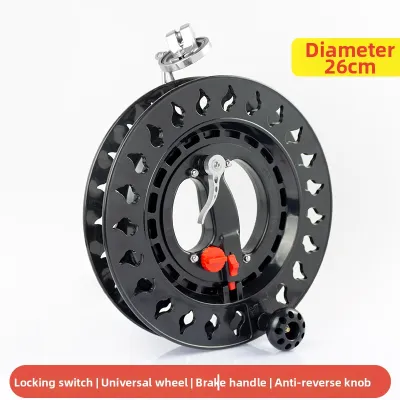
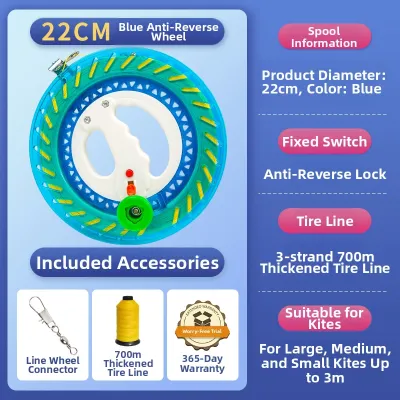
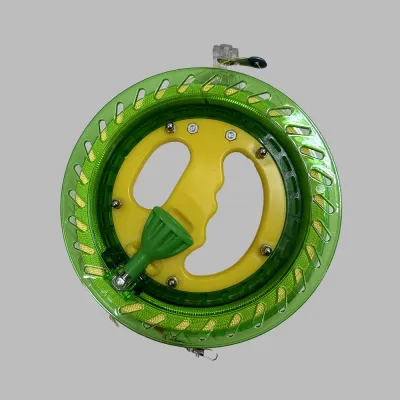
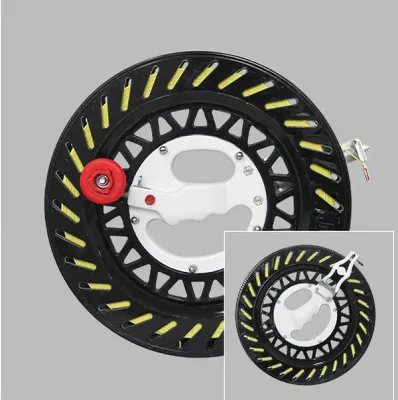
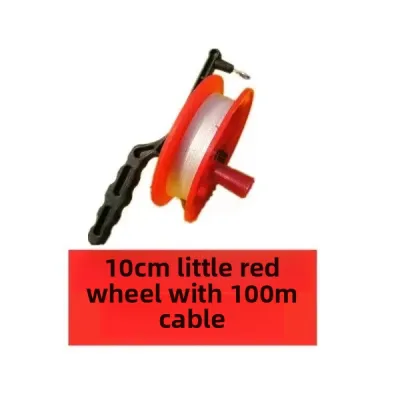
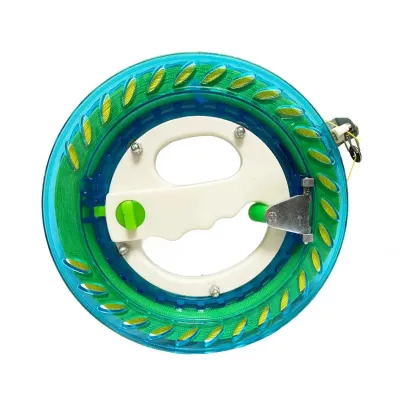
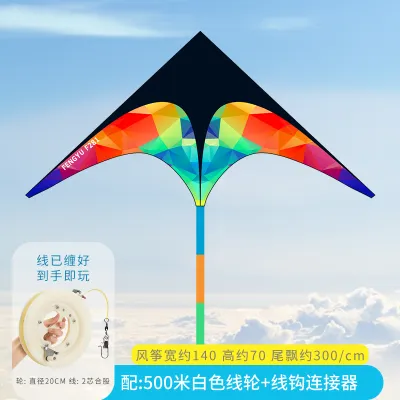
Prices are valid at publication and may change. Please refer to the product page for the latest price.
Rather than choosing a reel based solely on popularity or attractive packaging, you should prioritize manufacturer specifications and observable build quality. Reliable manufacturers provide clear details about the materials used, the type of bearings installed, and the maximum line tension the reel can safely handle. Before making a purchase, take the time to inspect the physical components of the reel, paying close attention to the thickness of the frame, the smoothness of the rotation, and the responsiveness of the locking mechanisms.
To quickly assess a kite reel’s reliability, use the following physical inspection checklist:
- Frame Rigidity: Press against the sides of the reel frame to ensure there is no noticeable flexing or bending.
- Spool Alignment: Spin the spool and observe it from the side to verify that it rotates evenly without wobbling or rubbing against the frame.
- Fastener Quality: Check that all screws, bolts, and rivets are made of corrosion-resistant materials and are securely tightened.
- Handle Play: Wiggle the winding handle to ensure it is firmly attached to the spool with minimal lateral movement.
Key Mechanical Features to Inspect Before Buying
Spool and Frame Materials
The choice of material directly impacts both the durability and the weight of your kite reel. Most recreational reels are constructed from either reinforced plastics or metal alloys, each offering distinct characteristics under regular use.

Reinforced plastics, such as high-impact ABS or polycarbonate, are highly popular for their lightweight design and natural resistance to rust. Polycarbonate reels, in particular, offer excellent impact resistance, making them highly durable if accidentally dropped on hard surfaces like concrete paths. However, lower-grade plastics can degrade over time when exposed to Singapore’s intense UV radiation, becoming brittle and prone to cracking.
Metal alloys, primarily anodized aluminum, provide the ultimate structural rigidity and are highly favored for larger kites. An aluminum frame will not warp under the immense crushing pressure of tightly wound flying line. The anodized coating is essential, as it protects the metal from the corrosive effects of salt air and moisture. The primary trade-off with metal reels is their increased weight, which can lead to arm fatigue during extended flying sessions.
Bearing Systems
Smooth rotation is critical for both letting out and retrieving line efficiently. High-quality kite reels utilize ball bearing systems to minimize friction and ensure a fluid spinning motion. When evaluating a reel, avoid models that rely on simple plastic bushings, as these wear down quickly under tension, leading to a wobbly spool and uneven line winding.
In Singapore’s coastal environments, sand and salt spray are constant threats to mechanical parts. Look for reels equipped with sealed or shielded stainless steel ball bearings. Sealed bearings feature rubber or metal shields that prevent dust, sand, and moisture from entering the bearing race, preserving the lubricant and preventing internal corrosion. Spin the reel manually; it should glide silently and coast to a gradual stop without any grinding sensations or squeaking noises.
Braking and Locking Mechanisms
Controlling the speed of your line payout is essential for safe kite flying, especially when managing sudden wind gusts. Kite reels generally feature one of three braking systems: manual lock pins, ratchet locks, or adjustable disc drag systems.
Manual lock pins are simple and highly reliable for locking the reel completely in place once your kite has reached the desired altitude. However, they do not allow you to slow down a spinning reel gradually. Ratchet locks allow the line to pay out in only one direction while preventing the spool from backward rotation, which is useful during launch.
For larger kites, an adjustable disc drag system—similar to those found on fishing reels—is highly recommended. This system applies consistent friction to the spool, allowing the line to feed out smoothly under tension without backlashing. Test the brake lever or knob to ensure it engages smoothly and holds the spool firmly without slipping under moderate hand pressure.
Line Capacity and Guide Rings
The spool must be deep and wide enough to hold your chosen flying line without overfilling. Overfilling a reel can cause the line to slip over the edges of the spool, leading to severe tangles and jams inside the frame.
Additionally, inspect the line guide ring, which directs the line onto the spool. As the kite pulls at various angles, the line rubs against this guide under high tension. A high-quality reel will feature a smooth, polished ceramic or stainless steel guide ring. These materials minimize friction heat, which can otherwise melt or weaken synthetic flying lines like nylon, polyester, or Dyneema.
Matching the Reel to Your Kite Size and Flying Conditions
Selecting the right kite reel is not a one-size-fits-all decision; the reel must be carefully matched to the size of your kite and the specific wind conditions of your flying venue. The larger the surface area of your kite, the more wind resistance it generates, resulting in a stronger pull that your reel must support.
| Kite Category | Typical Surface Area | Recommended Reel Material | Recommended Braking System |
|---|---|---|---|
| Small Single-Line (e.g., Diamond, Pocket Sled) | Under 1 square meter | High-impact ABS Plastic | Simple Manual Lock Pin |
| Medium Delta / Foil (e.g., 1.5m to 2m wingspan) | 1 to 2.5 square meters | Polycarbonate or Light Alloy | Ratchet Lock or Basic Drag |
| Large Show / Power Kites (e.g., Over 2.5m wingspan) | Over 2.5 square meters | Anodized Aluminum Alloy | Adjustable Disc Drag |
| Stunt / Dual-Line Kites | Variable | Specialized Dual-Spool / Straps | Direct Manual Control |
When flying small single-line kites in light park breezes, such as at Bishan-Ang Mo Kio Park, a lightweight plastic reel is often the most practical choice. It is easy to carry, comfortable for children to hold, and provides sufficient strength for low-tension flying.
Conversely, if you plan to fly larger delta or foil kites in the stronger, gustier winds of Marina Barrage or East Coast Park, a heavy-duty metal reel with an adjustable drag system is essential. The structural strength of an aluminum frame prevents the spool from collapsing inward under the cumulative pressure of tightly wound line, while the robust brake allows you to manage the high pull force safely.
Navigating Purchase Channels and Verifying Authenticity
To ensure you are purchasing a genuine, high-quality kite reel, it is important to source your equipment from reputable sellers and carefully verify the product upon receipt.
In-Person Shopping
Visiting local hobby shops, sporting goods stores, or specialized kite retailers in Singapore is the highly recommended method for purchasing a kite reel. Shopping in person allows you to physically handle the reel, test the smoothness of the bearings, and assess the weight and balance of the frame. You can also seek advice from experienced staff who understand the local wind conditions and can recommend the appropriate reel size for your specific kite.
Online Marketplaces
If you choose to purchase your kite reel from an e-commerce platform or online marketplace, take extra precautions to verify the seller’s credibility. Look for listings that provide comprehensive technical specifications, including exact dimensions, weight, material grades, and bearing types. Avoid listings with vague descriptions or those that rely solely on generic stock photos. Read customer reviews carefully, paying close attention to feedback regarding long-term durability, brake reliability, and how well the reel handles exposure to salt water.
Post-Delivery Verification
Once your reel arrives, perform a thorough inspection before winding any line onto the spool or taking it to the field. Check for official brand labels, quality control stamps, and manufacturer contact information on the packaging. Inspect the reel for any signs of shipping damage, such as hairline cracks in plastic frames or scratches in the anodized coating of metal reels. Ensure all screws and fasteners are tight and that the spool rotates freely without any catching or grinding.
Routine Maintenance and Safety Checks for Longevity
Regular maintenance is essential to keep your kite reel operating smoothly and to extend its lifespan, especially when exposed to Singapore’s humid and salty coastal air.
Cleaning Procedures
After every flying session at the beach, salt spray and fine sand will inevitably find their way into the reel’s moving parts. To prevent corrosion and abrasive wear, establish a post-flight cleaning routine:
- Rinse: Gently rinse the reel with fresh, clean water to dissolve salt deposits and wash away loose sand. Avoid using high-pressure water sprays, as these can force sand particles deeper into the bearing assemblies.
- Dry: Wipe the reel down with a soft, dry cloth and allow it to air dry completely in a well-ventilated indoor area away from direct sunlight.
- Lubricate: Periodically apply a drop of marine-grade synthetic lubricant or light machine oil to the bearings and moving joints of the brake mechanism to ensure continued smooth operation.
Line Inspection
Your flying line is the only link between you and your kite, making regular inspections crucial for safety. Before and after each flying session, run the line through your fingers to check for signs of wear, such as fraying, thinning, or discoloration caused by UV degradation. Inspect all knots and connections to ensure they remain secure. If you detect any weak points, cut away the damaged section and re-tie the line, or replace the entire line if it shows widespread wear.
Critical Failure Signs
Never ignore signs of mechanical distress in your kite reel. If you hear grinding or squeaking noises during rotation, it indicates that the bearings are dry or contaminated with sand and require immediate cleaning or replacement. A slipping brake or a lock pin that fails to engage securely poses a serious safety hazard, as the reel could spin out of control under high tension. If you discover any cracks in a plastic frame or bent components on a metal reel, discontinue use immediately and repair or replace the reel to prevent a catastrophic failure during your next flight.
Frequently Asked Questions (FAQ)
Can I use a fishing reel instead of a dedicated kite reel?
While it is technically possible to use a fishing reel for kite flying, it is generally not recommended for regular use due to significant design differences. Fishing reels feature narrow spools and complex drag systems optimized for retrieving line against a moving fish, whereas kite reels are designed to hold a constant, high-tension pull for hours at a time. The narrow spool of a fishing reel can cause thicker kite lines to pinch and jam, and the small handle can lead to rapid hand fatigue when retrieving hundreds of meters of line. Furthermore, the line guides on fishing reels are not designed to handle the continuous friction heat generated by a kite’s steady pull, which can damage both the line and the reel.
How much flying line should I spool for typical park flying?
For typical park flying in Singapore, a line length of 100 to 150 meters is usually sufficient and safe. This length allows your kite to reach a stable altitude where the wind is steadier, without encroaching on restricted airspace or risking tangles with tall trees, light poles, or other park users. Always ensure that the thickness of your flying line matches the capacity of your reel; overfilling the spool can lead to line slippage, tangles, and mechanical jams inside the reel frame. Additionally, always be mindful of local aviation regulations regarding maximum flying heights, especially when operating near airports or military bases.
Community discussion
Share your experience or ask a question. Comments are reviewed before publication.