
Finding a single inflator pump that can seamlessly transition from inflating high-pressure road bicycle tires to high-volume pool floats and precise sports balls is a matter of matching the pump’s mechanical capabilities with your specific gear. A truly versatile multi-purpose pump must feature universal valve compatibility, an accurate pressure gauge, and a design that balances high-pressure output with high-volume airflow.
In Singapore’s active sporting landscape, where weekend outings range from cycling along the Park Connector Network (PCN) to paddleboarding at Sentosa, having one reliable tool saves storage space in compact residential apartments and ensures you are always prepared. By understanding the key specifications, power sources, and maintenance requirements, you can select a pump that keeps all your equipment performing at its best.
Quick Answer: What Defines a Truly Versatile Inflator Pump?
A versatile inflator pump is defined by its ability to deliver both high pressure and high volume while accommodating various valve types. Sports equipment varies wildly in its inflation needs; a road bicycle tire requires high pressure (often exceeding 80 PSI) but very little air volume, whereas a large pool float or air mattress requires a massive volume of air at extremely low pressure (typically under 2 PSI).
Products mentioned in this guide
![[SG Stock] Air Pump Car Inflator Compressor Portable Ball Bike Bicycle Rechargeable Basketball Soccer Volleyball Tyre Wheel Tire 12V LED Fast Auto Shut-off Emergency](https://img.lazcdn.com/g/p/cc7d92c566c3860fbbfa1d535cc6f3bb.jpg_400x400q80.jpg_.webp)
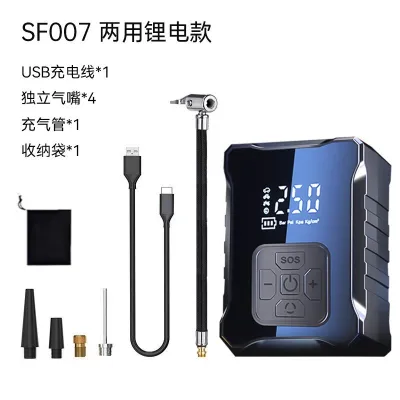
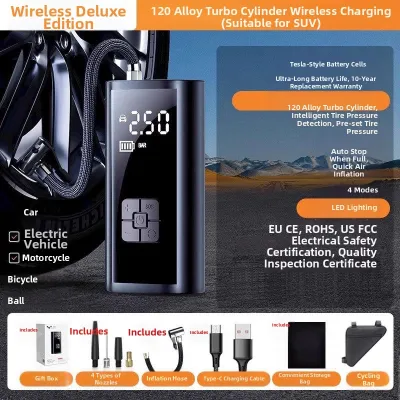
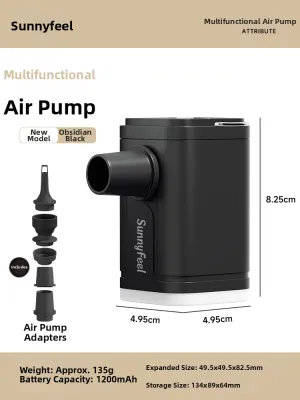
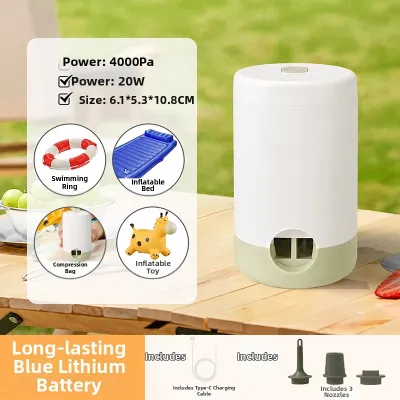
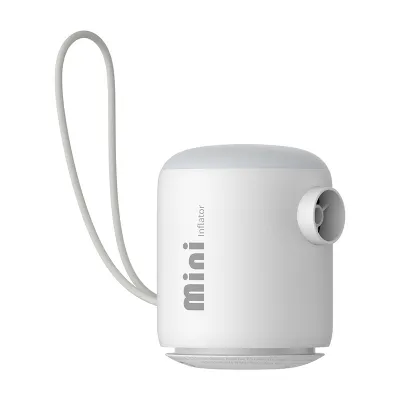
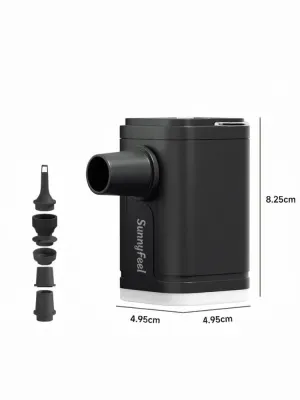
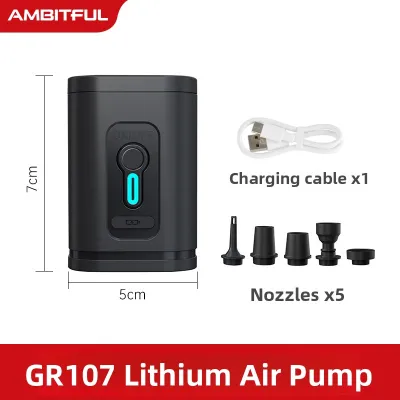
Prices are valid at publication and may change. Please refer to the product page for the latest price.
To handle these diverse tasks safely, a multi-purpose pump must feature a universal valve head compatible with both Schrader and Presta valves, alongside dedicated adapters for sports needles and plastic pinch valves. An integrated, easy-to-read pressure gauge is also essential to prevent over-inflation, which can permanently damage sensitive bladders in basketballs or soccer balls. The ideal pump bridges these mechanical gaps, allowing you to switch between high-pressure and high-volume tasks without needing separate, specialized tools.
Core Features to Look for in Multi-Purpose Pump Brands
When evaluating different pump manufacturers and brands available in Singapore, focusing on build quality and material durability is paramount. High-quality brands construct their pump cylinders from seamless aluminum or powder-coated steel rather than thin plastics, which can warp or crack under high pressure. The hose is another critical failure point; look for pumps equipped with reinforced, braided rubber hoses that resist swelling and can withstand Singapore’s warm, humid climate without dry-rotting.

Nozzle attachment design and storage are equally important when assessing a brand’s usability. Premium brands design their pumps with integrated storage compartments or clip-on brackets to keep ball needles and plastic adapters securely attached to the pump body, preventing them from getting lost in transit. For manual pumps, look for wide, stable base plates and ergonomic, non-slip handles that provide comfortable leverage during high-pressure pumping.
If you are considering cordless electric pump brands, pay close attention to the battery capacity indicators and charging interfaces. Reliable brands utilize clear LED or LCD screens that display real-time pressure readings and remaining battery life, ensuring you do not head out to the field with a flat battery. Additionally, prioritize brands that offer local warranty support and readily available replacement parts, such as gaskets and hose assemblies, through physical retail partners in Singapore.
Matching the Pump Mechanism to Your Sports Gear
To get the most utility out of a multi-purpose pump, you must match its mechanical design to the primary types of sports gear you own. Different activities demand distinct pressure and volume profiles, and understanding these differences will prevent equipment damage and physical exhaustion.
High-Pressure, Low-Volume Gear
Road bicycles, hybrid bikes, and certain high-performance commuter tires require high inflation pressures to minimize rolling resistance and prevent pinch flats. For these applications, a pump with a narrow cylinder is highly effective because it allows you to push against high resistance with relative ease. Electric pumps designed for tires excel here, as their internal motors are geared to build pressure steadily up to 100 PSI or more.
High-Volume, Low-Pressure Gear
Leisure equipment such as pool floats, beach balls, giant exercise balls, and camping air mattresses require a large quantity of air to fill their physical space, but they operate at very low pressures. Using a narrow-cylinder bicycle pump for these items is incredibly tedious and can take a long time. For these items, look for manual double-action pumps that push air on both the downward and upward strokes, or electric pumps with a dedicated high-volume blower mode.
Precision Sports Balls
Basketballs, netballs, footballs, and rugby balls require precise pressure regulation to ensure consistent bounce and flight characteristics. Over-inflating these balls can stretch the outer casing or rupture the internal butyl bladder. A pump used for sports balls must have a highly sensitive gauge—preferably digital—that allows you to monitor increments as small as 0.5 PSI, ensuring you stop exactly at the manufacturer’s recommended inflation level.
Specialized Water Sports Equipment
Inflatable stand-up paddleboards (SUPs) and rigid inflatable kayaks present a unique challenge because they require both high volume and relatively high pressure (often between 12 and 15 PSI) to achieve structural rigidity. Standard multi-purpose pumps are generally not rated for these extreme demands. If you regularly use inflatable watercraft, you must verify that your chosen pump brand specifically supports high-pressure marine inflatables, or opt for a specialized dual-stage pump.
Manual vs. Electric Pumps: Choosing the Right Power Source
Deciding between a manual floor pump and a cordless electric inflator depends on where you plan to use the device and how much physical effort you want to exert. Both power sources offer distinct advantages and trade-offs for everyday sports enthusiasts.
Manual pumps, including traditional floor pumps and foot pumps, offer unmatched reliability. Because they do not rely on batteries or electrical outlets, they are always ready for use and can be stored indefinitely in a home bomb shelter or car trunk without maintenance. They operate silently, allowing you to inflate gear early in the morning without disturbing neighbors in close-quarters HDB estates. However, manual pumping requires physical exertion, which can be tiring before a strenuous workout or cycling session.
Cordless electric pumps offer maximum convenience and portability. These compact devices are often small enough to fit into a backpack or a bicycle frame bag, making them ideal for on-the-go adjustments along Singapore’s outdoor trails. They inflate tires and sports balls automatically to a pre-set pressure, stopping when the target is reached. The trade-offs include operational noise, longer inflation times for high-volume items, and the necessity of keeping the battery charged.
When choosing an electric model, look for USB-C charging compatibility, which allows you to easily top up the battery using standard phone chargers or portable power banks. Additionally, be mindful of storage conditions; lithium-ion batteries should not be exposed to the extreme heat of a parked car trunk under direct sunlight, as this can accelerate battery degradation and pose safety risks.
Verifying Product Claims When Shopping Online
When browsing online marketplaces for multi-purpose inflator pumps, it is easy to be misled by exaggerated specifications and low-cost listings. To ensure you receive a reliable product that performs as advertised, use a systematic verification process before making a purchase.
First, cross-reference the manufacturer’s maximum PSI claims with independent user feedback. Many generic electric pumps claim to reach 150 PSI, but user reviews often reveal that the motor struggles or overheats when attempting to inflate road bike tires past 80 PSI. Look for reviews written by active cyclists or sports players who share real-world performance observations.
Second, pay close attention to feedback regarding the durability of the included nozzle attachments. Cheap plastic adapters can easily strip their threads or snap off inside the pump head under pressure. Brands that utilize brass or high-strength composite materials for their needles and valve connectors generally offer much better longevity.
Third, confirm the seller’s return policies and warranty terms. Prioritize listings that offer local Singapore warranties over overseas-only support. A local warranty ensures that if the pump arrives with a faulty pressure sensor, a leaking hose, or a defective battery, you can easily obtain a replacement without paying high international shipping fees.
Finally, evaluate the overall price-to-performance ratio in S$. While a high-quality multi-purpose pump may cost between S$40 and S$100, it often represents better long-term value and saves valuable storage space compared to buying three separate, low-quality pumps for your bikes, balls, and pool toys.
Essential Maintenance to Keep Your Pump Reliable
Proper maintenance ensures your inflator pump remains reliable across different sports seasons and prevents premature failure of internal seals and electronic components.
Keep all nozzle attachments and valve heads clean and dry. After using the pump at sandy beaches or muddy outdoor fields, wipe down the connectors with a dry microfiber cloth. Debris or sand entering the pump head can cause air leaks, damage the internal gaskets, or transfer dirt into the valves of your sports equipment.
When storing your pump, avoid wrapping the hose tightly around the body at sharp angles. Instead, coil the hose loosely to prevent the internal rubber from kinking, cracking, or splitting over time. For manual floor pumps, periodically apply a thin layer of silicone-based lubricant to the metal plunger shaft to ensure a smooth stroke and protect the internal rubber O-rings from drying out. Avoid petroleum-based lubricants, as they can degrade rubber components.
For cordless electric models, battery care is essential. Avoid storing the pump with a completely depleted battery, as deep discharge can permanently reduce battery capacity. If you store the pump for several months without use, charge the battery to approximately 50% to 80% and keep it in a cool, dry place away from direct sunlight and high humidity.
Frequently Asked Questions (FAQ)
Can a high-pressure bicycle pump damage a standard sports ball?
Yes, a high-pressure bicycle pump can easily damage a standard sports ball if used without care. Because bicycle floor pumps are designed to move air efficiently into high-pressure tires, they can quickly over-inflate a sports ball, causing the inner bladder to warp or burst. To prevent this, always use a dedicated ball needle adapter, insert it fully into the valve, and monitor the pump’s pressure gauge closely. Stop inflating immediately once you reach the manufacturer’s recommended PSI, which is typically printed directly on the ball’s surface near the inflation valve.
Do I need a separate pump for large inflatable stand-up paddleboards (SUPs)?
In most cases, yes. Standard multi-purpose pumps are not designed to handle the unique requirements of inflatable stand-up paddleboards. A typical SUP requires a massive volume of air to fill its shape, followed by high pressure (usually 12 to 15 PSI) to make the board rigid enough to stand on. Attempting to inflate a SUP with a standard bicycle pump or a small portable electric pump is extremely difficult, often resulting in physical exhaustion or pump motor overheating. For SUPs, it is highly recommended to use a dedicated high-pressure manual dual-action pump or a specialized electric SUP pump that plugs into a vehicle’s power outlet.
Community discussion
Share your experience or ask a question. Comments are reviewed before publication.