
Selecting a reliable shoulder ice pack in Singapore requires looking beyond marketing claims to evaluate physical design, fit, and material safety. Because the shoulder is a complex, highly mobile ball-and-socket joint, a standard flat ice pack rarely provides the contouring or compression needed for effective recovery. To manage sports-related swelling, rotator cuff strains, or post-workout soreness, you need a specialized wrap that stays securely in place while maintaining direct contact with the affected muscles.
For athletes and active individuals, the recovery process is just as critical as the training itself. A poorly fitting ice pack can prolong recovery times by failing to deliver consistent cold therapy to the deep tissues of the joint. By understanding the key design elements, sizing requirements, and safety protocols, you can make an informed decision that supports your rehabilitation and gets you back to your sport safely.
Key Features to Evaluate in a Shoulder Ice Pack
The effectiveness of cold therapy depends heavily on how well the ice pack conforms to the unique shape of your shoulder. A high-quality shoulder wrap features an anatomical design that drapes over the joint, covering the rotator cuff, deltoid, collarbone, and surrounding upper arm muscles. Look for wraps with adjustable straps, typically utilizing hook-and-loop fasteners, which allow you to customize the compression level and secure the pack hands-free.
Products mentioned in this guide
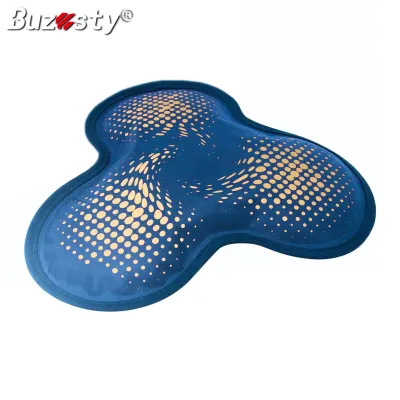
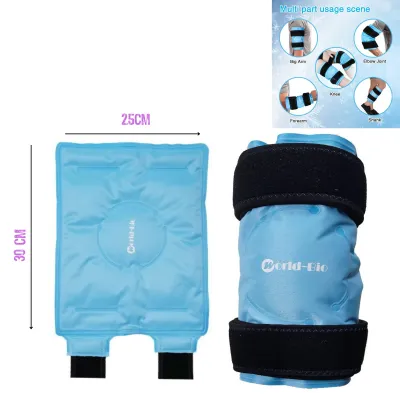
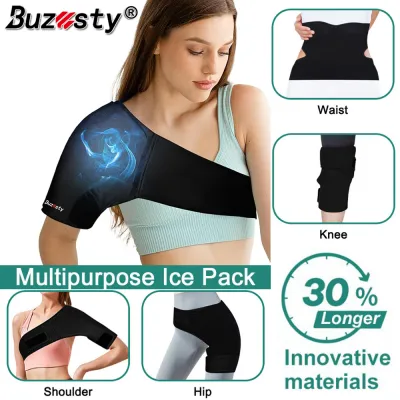
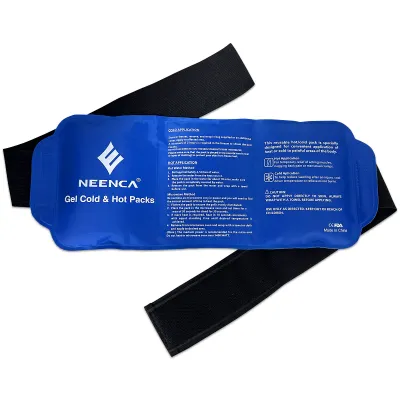
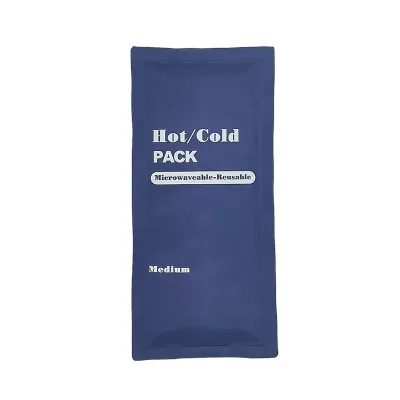
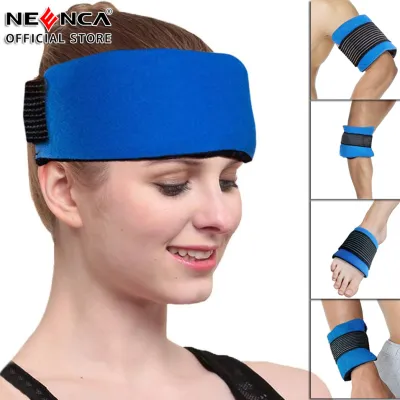
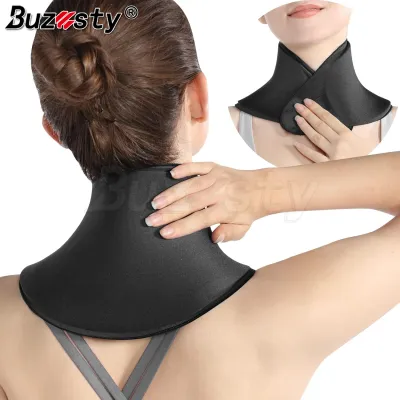
Prices are valid at publication and may change. Please refer to the product page for the latest price.
Compression is a critical component of the recovery process because it helps minimize localized swelling and keeps the cold source pressed firmly against the skin. An adjustable strap system ensures that you can tighten the wrap sufficiently to maintain contact with the skin without cutting off circulation or restricting your breathing. Ensure the straps are long enough to wrap comfortably around your chest and under the opposite armpit without causing chafing or discomfort.
The type of cooling medium inside the pack determines both its flexibility and how long it retains its cold temperature. Traditional ice bags filled with cubes provide intense cold but can be bulky, heavy, and prone to leaking as the ice melts. Modern gel packs are generally preferred because they remain pliable even when frozen, allowing them to contour closely to the curved surfaces of the shoulder joint.
When evaluating gel packs, check whether the manufacturer uses a non-toxic, double-sealed casing to prevent leaks under pressure. Some wraps feature multiple smaller gel inserts rather than one large sheet, which can improve overall flexibility and make it easier to target specific areas of pain. Ensure the coverage area matches your specific injury site, whether you need to target the front of the shoulder, the back, or the entire joint capsule.
Additionally, consider the fabric material that houses the gel packs. Neoprene is a popular choice because of its durability, stretch, and excellent insulation properties, which help maintain the cold temperature for longer periods. However, if you have sensitive skin, you may want to look for wraps that feature a soft plush lining or a microfiber backing to provide a gentler contact surface.
Matching the Ice Pack to Your Injury and Activity
Your choice of shoulder ice pack should align with the specific nature of your physical activity and recovery needs. For acute sports injuries, such as a sudden strain or sprain sustained during a match, immediate cold application and firm compression are vital. In these scenarios, a heavy-duty wrap that offers maximum coverage and high compression is ideal for stabilizing the joint and limiting initial swelling.

For post-workout muscle recovery or chronic overuse issues, such as mild tendinitis from swimming, tennis, or gym training, a lighter and more flexible wrap may be more practical. These wraps allow for quicker application and slightly more mobility, making it easier to integrate cold therapy into your daily post-training routine. They are designed for convenience, allowing you to relax or move around the house while managing minor aches.
Body size and shoulder circumference are critical factors that dictate the success of your recovery gear. A wrap that is too large will slip, reducing the contact area and rendering the cold therapy ineffective, while a wrap that is too small will pinch and restrict breathing. Always measure your chest and upper arm circumference, then compare these measurements against the manufacturer’s sizing chart before purchasing.
Portability is another key consideration for active individuals in Singapore who train at outdoor fields, courts, or gyms. If you need to apply cold therapy immediately after exercise before traveling home, look for a system that includes a portable insulated carry bag. This allows you to keep the gel inserts cold in your sports bag for several hours, ensuring they are ready for use the moment your session ends.
Furthermore, consider your level of independence when applying the wrap. Some complex designs require assistance from another person to secure the straps properly behind your back. If you live alone or train solo, prioritize wraps that feature a simple, front-adjusting strap system that you can easily put on and tighten with one hand.
What to Check When Evaluating Brands in Singapore
When shopping for a shoulder ice pack in Singapore, it is important to verify the technical specifications and material safety labels of the product. Look for manufacturers that explicitly state their gel packs are non-toxic, puncture-resistant, and free from hazardous chemicals. The fabric wrap should be made of breathable, skin-friendly materials like neoprene or plush lining to prevent irritation during extended wear.
Before finalizing your purchase on local ecommerce platforms or at medical supply stores, review the seller’s return policy and warranty terms. High-quality recovery gear often comes with a warranty against manufacturing defects, such as leaking seams or failing straps. Additionally, check if the brand offers individual replacement gel inserts, which allows you to swap out packs for continuous cold therapy without buying an entirely new wrap.
Consider the total cost of the product, including any potential shipping fees or import taxes if ordering specialized sports medical gear from overseas. Prices in Singapore can vary widely, with basic wraps starting around S$20, while advanced, multi-strap compression systems can exceed S$80. Factor in the durability of the materials and the frequency of your training sessions to determine if a premium option offers better long-term value.
It is also wise to check the availability of customer support and local distributors. Purchasing from a brand with a local presence in Singapore often means faster shipping times, easier returns, and more reliable customer service if you encounter any issues with your product. Avoid buying unbranded, extremely cheap alternatives that lack clear safety labeling, as these are more prone to leaking and may not maintain cold temperatures long enough to be effective.
Lastly, read user reviews specifically from other athletes or individuals with similar recovery needs. Look for feedback regarding the durability of the hook-and-loop fasteners over time, as cheap velcro can lose its grip after a few weeks of regular use. A reliable brand will have consistent positive feedback regarding the longevity of both the fabric wrap and the gel inserts.
Safe Usage and Maintenance Guidelines
To ensure safe recovery and prevent tissue damage, you must adhere to strict application guidelines when using cold therapy. Never apply an ice pack directly to bare skin for an extended period, as this can lead to frostbite or localized nerve damage. Limit each cold therapy session to a maximum of 15 to 20 minutes, and allow your skin temperature to return completely to normal before applying the pack again.
Always use a protective barrier between the ice pack and your skin, especially if the wrap does not feature a built-in plush lining. A thin towel or a clean t-shirt works well to shield your skin while still allowing the cold to penetrate the muscle tissue. If you experience any numbness, burning, or increased pain during use, remove the wrap immediately and consult a healthcare professional.
Proper maintenance of your shoulder wrap will prolong its lifespan and maintain hygienic conditions. Most fabric wraps should be hand-washed in cold water with a mild detergent and air-dried to preserve the elasticity of the straps and the integrity of the hook-and-loop fasteners. Avoid machine washing or tumble drying unless the manufacturer’s care label explicitly permits it, as high heat can degrade the materials.
For the gel inserts, store them flat in the freezer to ensure they freeze in a uniform shape that easily conforms to your shoulder. Keep them in a sealed plastic bag when not in use to prevent them from absorbing food odors or moisture from the freezer. Regularly inspect the inserts for any signs of wear, thinning spots, or leaks, and discard them immediately if the outer casing is compromised.
Additionally, avoid placing heavy objects on top of the gel packs while they are in the freezer, as this can cause the seams to burst. If you are using a dual-purpose hot and cold pack, always follow the manufacturer’s heating instructions precisely, as overheating can cause the pack to rupture and cause severe burns.
Frequently Asked Questions (FAQ)
Can I use a standard ice bag instead of a specialized shoulder wrap?
While a standard ice bag or a bag of frozen peas can provide cold, they lack the structural design needed to wrap around the complex curves of the shoulder joint. A specialized shoulder wrap provides targeted, even coverage across the entire joint capsule while securing the pack in place with adjustable straps. This hands-free design allows you to remain mobile and comfortable during your recovery session, rather than having to manually hold an ice bag against your shoulder.
Furthermore, standard ice bags do not offer the beneficial compression that a specialized wrap provides. Compression helps to restrict blood flow to the injured area, which is essential for reducing swelling and inflammation in the early stages of recovery. Investing in a dedicated shoulder wrap ensures you get the combined benefits of cold therapy and compression.
How long and how often should I apply ice to a sports injury?
For acute sports injuries, cold therapy is typically applied for 15 to 20 minutes every two to three hours during the first 48 hours. It is crucial to allow your skin and underlying tissues to warm up completely between sessions to prevent cold-induced skin damage. If your symptoms persist beyond a few days, or if you experience severe pain or joint instability, stop using the ice pack and seek professional medical evaluation.
For chronic conditions or post-workout recovery, applying ice once or twice a day immediately after your training session is usually sufficient. Always listen to your body and avoid over-icing, as excessive cold exposure can actually hinder the natural healing process by overly restricting blood circulation.
Community discussion
Share your experience or ask a question. Comments are reviewed before publication.