
Finding space for strength training equipment in a compact Housing & Development Board (HDB) flat requires balancing exercise utility with spatial efficiency. A Roman chair gym bench is an effective tool for targeting the posterior chain, lower back, glutes, and hamstrings, but its physical footprint can easily overwhelm a multi-purpose living room or spare bedroom. To select a model that fits seamlessly into your home, you must prioritize collapsible frames, verify the exact clearance required for safe movement, and evaluate the stability of the base against your specific flooring. By focusing on smart storage features and adjustable designs, you can maintain a highly functional home gym setup without sacrificing your daily living space.
Measure Your Available Space and Clearance
Before browsing online marketplaces or local fitness stores, you must map out the physical boundaries of your designated workout area. A Roman chair requires more than just its static footprint; you must account for the dynamic space your body occupies during a full range of motion. When performing hyperextensions, your torso extends well beyond the front edge of the machine, meaning you need to add at least 60 to 80 centimeters of clearance to the manufacturer’s listed length.
Vertical clearance is another critical factor that is often overlooked in typical residential layouts. While HDB ceilings generally offer standard heights, performing exercises on a highly inclined or vertical Roman chair can bring your head or upper body close to ceiling fans, light fixtures, or low-hanging beams. Measure the vertical path of your head during the peak of the movement to ensure you maintain a safe distance from any overhead hazards.
Products mentioned in this guide
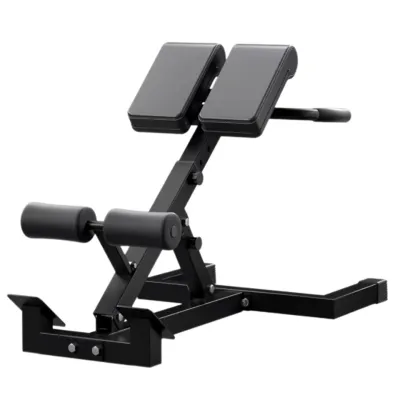
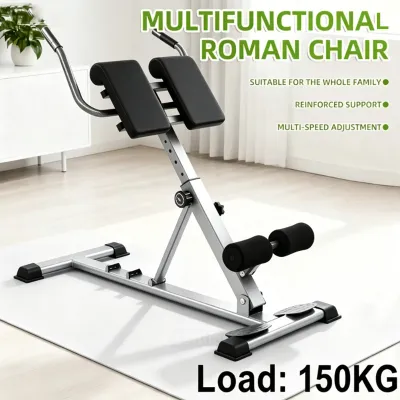
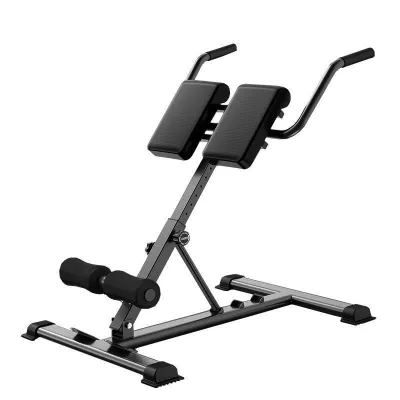
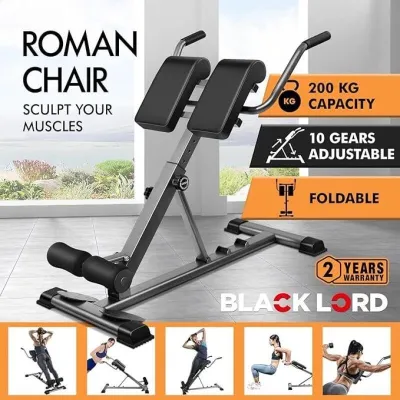
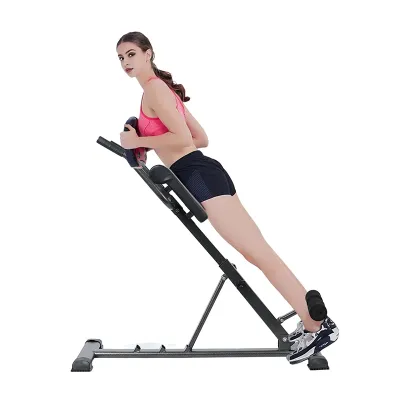
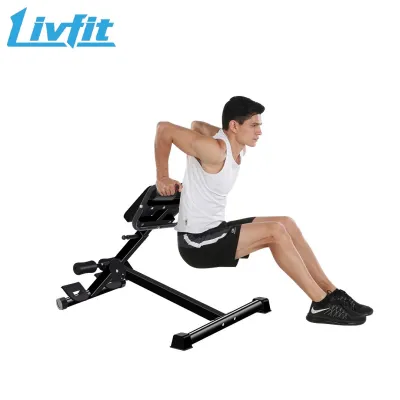
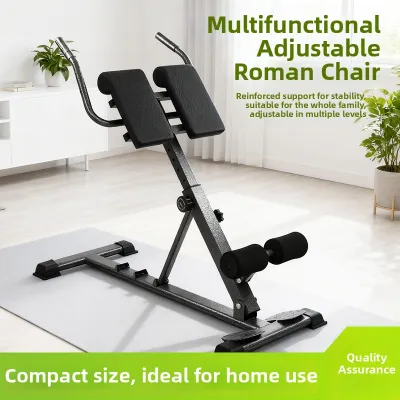
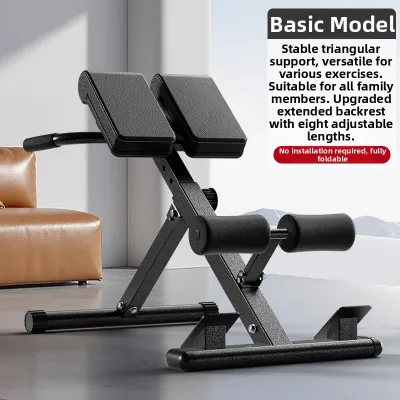
Prices are valid at publication and may change. Please refer to the product page for the latest price.
Finally, consider the logistics of moving the equipment within your home. If you do not plan to leave the bench permanently assembled in one spot, you must measure the width of your doorways, hallway turns, and the clearance around bulky furniture. A bench that is too wide or awkward to maneuver through a standard bedroom door will quickly become a permanent, inconvenient fixture in your living room.
Evaluate Footprint and Foldability Features
When space is at a premium, the choice between a fixed-frame Roman chair and a foldable model is often the deciding factor for HDB dwellers. Fixed benches generally offer excellent structural rigidity, but they occupy a constant block of floor space that can disrupt the flow of a compact room. For most apartment settings, a foldable or collapsible design is the most practical choice, as it allows you to reclaim valuable floor area immediately after your workout.

However, not all folding mechanisms are created equal, and you must carefully inspect the design before purchasing. Look for models that utilize heavy-duty locking pins, secure spring-loaded knobs, or reinforced hinges that lock tightly into place during use. A loose or poorly designed hinge can compromise the stability of the frame, leading to dangerous wobbling when you are suspended mid-exercise. Always verify the manufacturer’s instructions regarding how the unit folds and whether it requires tools to collapse.
Portability features are equally important if you need to transition the bench from a storage closet to your active workout zone. Benches equipped with integrated transport wheels allow you to tilt and roll the frame with minimal effort, protecting your back from unnecessary strain before your actual training session begins. Ensure the wheels are made of a non-marring material like polyurethane to prevent leaving dark streaks or scratches on your floors.
Check Weight Capacity and Structural Stability
Safety must always be a primary concern when selecting any piece of fitness equipment that suspends your body off the ground. You must verify the manufacturer’s stated maximum weight capacity and ensure it comfortably accommodates your body weight plus any additional resistance you plan to use, such as dumbbells or weight plates. Avoid pushing a bench to its absolute limit; leaving a generous safety margin is essential for high-force movements.
The stability of the base is what prevents the machine from tipping sideways or sliding forward during intense extensions. Look for a Roman chair with a wide, flared base design and thick rubber end caps or non-slip feet. These feet not only grip the floor to keep the unit anchored but also act as a protective barrier for your apartment’s flooring, preventing metal edges from grinding into tiles or concrete.
Examine the frame construction details provided in the product specifications. High-quality benches typically feature heavy-gauge steel tubing and welded joints rather than relying solely on bolted connections. While bolted frames are easier to ship, welded joints generally offer superior long-term rigidity and are less prone to loosening over time under repeated stress.
Assess Adjustability and Multi-Function Designs
A Roman chair must be highly adjustable to accommodate different body heights and proportions safely. Look for models that feature adjustable hip pads and ankle rollers, allowing you to align the pivot point of the machine with your hip crease. Proper alignment is crucial for preventing excessive spinal flexion and helping target the glutes and hamstrings effectively.
In a small HDB flat, choosing multi-functional equipment is a smart way to maximize the utility of every square meter. Some modern Roman chairs are designed to convert into flat or decline utility benches, sit-up stations, or even feature integrated dip handles. This versatility allows you to perform a wide variety of upper body, core, and lower body exercises using a single piece of equipment, eliminating the need to purchase and store multiple bulky machines.
When evaluating these multi-functional options, check how easy it is to transition between different configurations. The adjustment mechanisms should be intuitive, quick to operate, and secure. Look for clear markings or pre-drilled holes that allow you to quickly find your preferred settings without guessing, ensuring that the locking pins click firmly into place before you begin your set. Remember that equipment cannot replace proper training and judgment; always start with bodyweight to master the form before adding resistance.
Plan for Safe Storage and Daily Workflow
Having a clear storage plan is just as important as finding the space to work out. If the manufacturer’s instructions explicitly support vertical storage, look for a model that can stand upright on its end or lean securely against a wall. This vertical orientation dramatically reduces the floor footprint, allowing you to tuck the bench behind a door, inside a wardrobe, or in a utility closet when it is not in use.
To protect your living environment, always place a high-density equipment mat underneath the storage area to catch any residual lubricant from the hinges and prevent the metal frame from scuffing your walls. Check the folded unit for any protruding bolts, sharp adjustment knobs, or loose parts that could scratch nearby furniture or pose a tripping hazard to family members.
Establishing a quick, consistent setup and teardown routine will help you maintain your workout consistency. If getting your equipment out of storage takes too much time or effort, you are far less likely to stick to your training schedule. Choose a bench that can be unfolded and secured in under two minutes, making it easy to integrate your strength training into your daily household routine.
Frequently Asked Questions (FAQ)
Can I use a roman chair gym bench on vinyl or laminate flooring?
Yes, you can use a Roman chair on vinyl or laminate flooring, but you must take precautions to prevent permanent damage. These flooring materials are susceptible to pressure indentations and scratches from heavy metal frames. Always place a thick, high-density rubber or foam equipment mat beneath the bench to distribute the weight evenly and absorb vibrations. Additionally, verify that the bench has soft, non-slip rubber feet, and avoid dragging the frame across the floor when moving it.
Is a 45-degree or horizontal roman chair better for small spaces?
For small HDB flats, a 45-degree Roman chair is generally the better option. Because of its angled design, a 45-degree bench has a shorter horizontal footprint compared to a traditional horizontal hyperextension bench, making it easier to fit into tight corners. Furthermore, many 45-degree models are specifically engineered with folding frames that collapse into a highly compact, flat profile, whereas horizontal benches often feature bulkier, fixed frames that are difficult to store vertically.
Community discussion
Share your experience or ask a question. Comments are reviewed before publication.