
Choosing a bicycle child seat requires a systematic approach to safety, prioritizing structural integrity, secure restraint systems, and verified testing standards over aesthetics or price. While cycling along park connectors or neighborhood paths is an excellent way to travel with your child, it introduces unique physical forces and risks that only a properly designed seat can mitigate. To protect your child, you must evaluate how a seat manages impact, secures the passenger, and integrates with your specific bicycle frame.
Understanding Safety Certifications and Standards
Before looking at colors or comfort features, verify that the seat complies with recognized international safety standards. Look for physical certification marks stamped directly onto the plastic or printed on the manufacturer’s label. The European standard EN 14344 and the American standard ASTM F1625 are the primary benchmarks for bicycle child seats, governing load capacities, chemical safety of materials, and structural durability.
A genuine certification label indicates that the seat has undergone rigorous testing, including roll-over simulations, drop tests, and buckle endurance trials. Do not rely on vague marketing phrases like “tested to safety standards” or “certified safe” on online marketplaces. Instead, locate the specific standard code and ensure it is permanently molded or printed on the seat body.
Products mentioned in this guide
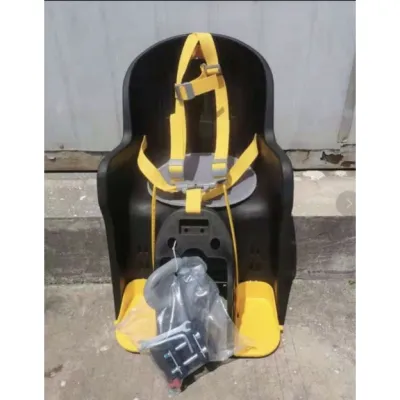
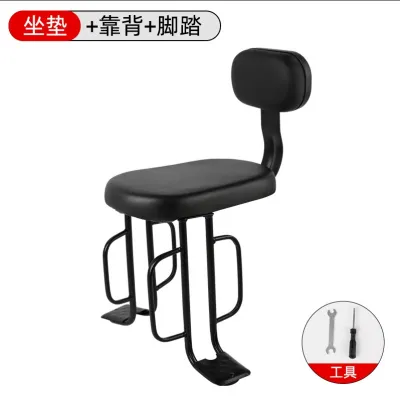
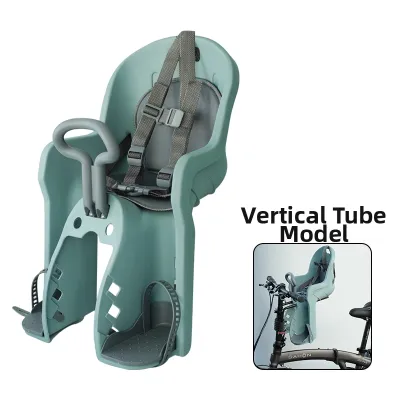
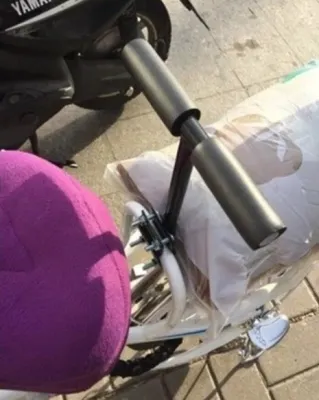
![[✅SG Ready Stock] Safety Child Bicycle Seat Bike Front Baby Seat Kids Saddle Pedals Support Back Rest Bike](https://img.lazcdn.com/g/p/301adb33eba92b4498e8d5595fbae296.jpg_400x400q80.jpg_.webp)
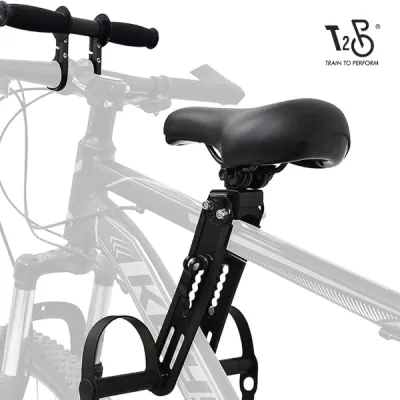
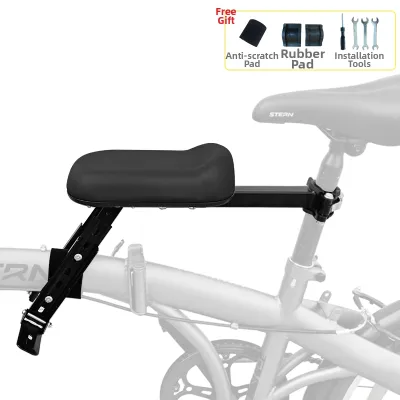
Prices are valid at publication and may change. Please refer to the product page for the latest price.
Once you locate the certification, cross-reference its specified limits with your child’s current physical measurements. Every certified seat is rated for a strict weight and age range, which you must verify against your child’s height and weight rather than relying on age estimates alone. Exceeding these limits compromises the seat’s structural integrity and alters your bicycle’s balance.
Avoid unbranded, unusually cheap seats sold on generic ecommerce platforms that lack verifiable testing documentation. These products often use brittle plastics that degrade quickly under intense tropical sunlight and humidity, leading to sudden structural failure. Investing in a certified seat ensures the materials can withstand environmental stress and physical impacts.
Evaluating Harness and Restraint Systems
The harness is the most critical component keeping your child secured inside the protective shell of the seat. When evaluating restraint systems, you will primarily choose between three-point and five-point harnesses. A three-point harness secures the child at the shoulders and crotch, which is generally sufficient for older, more stable children who do not fall asleep during rides.

A five-point harness provides more comprehensive containment by adding waist straps to the shoulder and crotch restraints. This configuration prevents the child from sliding sideways or wriggling out of the seat, making it a highly reliable choice for younger toddlers. The additional points of contact distribute deceleration forces more evenly across the child’s strongest skeletal areas in the event of a sudden stop.
Examine the shoulder straps to ensure they offer straightforward height adjustment to accommodate your child’s growth. The straps should feature non-slip, weather-resistant padding that stays in place over the shoulders. In warm, humid climates, look for breathable padding materials that prevent chafing without slipping off the child’s shoulders when they sweat.
The buckle mechanism must require a multi-step action or a high force threshold to open, ensuring it is entirely child-proof. A curious toddler should not be able to press the release button mid-ride. Conversely, the mechanism must allow an adult to release the buckle quickly, ideally with one hand, so you can maintain a firm grip on the bicycle with your other hand during stops.
Checking Physical Protection and Design Features
The physical shell of the seat must act as a protective cocoon around your child. High side-wings and a recessed headrest are essential design features that shield the child’s head and torso from lateral impacts. The headrest should feature a recessed area or helmet pocket that allows the child’s helmeted head to rest naturally without being pushed forward uncomfortably.
Foot protection is another critical safety area that requires careful inspection. Ensure the seat features deep, integrated footwells with adjustable footrests and independent, secure foot straps. These straps must be fastened during every ride to prevent your child’s feet from swinging into the spinning wheel spokes, which is a common cause of severe cycling injuries.
Evaluate the shock-absorption capabilities of the seat materials. High-quality seats utilize flexible, impact-resistant plastics or integrated suspension systems that damp road vibrations before they reach your child’s developing spine. Ensure all hard edges, metal brackets, and adjustment joints are fully enclosed or covered with soft, durable padding.
Visibility is vital when riding on shared paths or near traffic. Look for seats with integrated rear reflectors, mounting points for safety lights, or high-visibility color accents. These features ensure that drivers and other cyclists can easily spot your wider profile from a distance, especially during sudden downpours or early evening rides.
Ensuring Mounting Compatibility and Installation Safety
A safety seat is only as secure as its connection to your bicycle. You must choose between front-mounted and rear-mounted configurations, each of which alters your bicycle’s handling differently. Front-mounted seats place the child between your arms, keeping them within your field of vision but reducing your knee clearance and steering quickness.
Rear-mounted seats are positioned over the rear wheel, either attached to a dedicated luggage rack or cantilevered from the seat tube. This position handles higher weight limits and keeps the child shielded from wind, but it shifts your center of gravity backward. You must practice riding with an empty seat first to adapt to the altered balance and steering dynamics.
Before purchasing, verify your bicycle frame’s material and structural limits. Carbon fiber frames are highly susceptible to clamping damage and generally prohibit the installation of clamp-on child seats. Aluminum and steel frames are much more resilient, but you must still check the manufacturer’s manual to confirm the frame and seat post can support the combined weight of the seat and your child.
Establish a strict post-installation inspection routine. Perform a vigorous shake test before every single ride to ensure there is no play or movement in the mounting brackets. Verify that all quick-release levers are fully locked, safety pins are engaged, and threaded fasteners are tightened to the manufacturer’s specified torque settings.
Establishing Safe Riding Boundaries and Stop Conditions
No safety feature can compensate for improper use or hazardous riding conditions. A properly fitted, certified bicycle helmet is mandatory for your child on every journey, regardless of how short the distance. Ensure the helmet sits level on the child’s head, covers the forehead, and does not rock side to side, with the chin strap adjusted to fit snugly.
You must establish clear stop conditions under which you will immediately cease riding. Stop using the seat the moment your child exceeds the manufacturer’s maximum weight or height limits, or if you notice any structural cracks, deep scratches, or frayed harness straps. Never attempt to repair a cracked plastic seat shell or a damaged buckle with tape or DIY adhesives.
Environmental factors also dictate when it is unsafe to ride. Avoid carrying a child in heavy rain, strong winds, or low-visibility conditions, as wet paths significantly increase braking distances and the risk of skidding. High-traffic roads without dedicated cycling paths present elevated risks that should be avoided when carrying a young passenger.
Remember that safety equipment is a secondary line of defense; your defensive riding skills and sound judgment are the primary safeguards. Ride at moderate speeds, anticipate obstacles well in advance, and allow extra stopping distance. By combining a certified, properly installed seat with cautious riding habits, you can enjoy safe and memorable journeys together.
Frequently Asked Questions (FAQ)
At what age or weight can a child safely ride in a bicycle seat?
A child can safely ride in a bicycle seat once they can sit upright unassisted and support the weight of their own head while wearing a certified helmet. This physical milestone typically occurs around 9 to 12 months of age, but development rates vary. Always consult your pediatrician if you are unsure, and strictly adhere to the minimum weight and age thresholds specified in your specific seat’s instruction manual.
Are front-mounted or rear-mounted child seats safer?
Neither configuration is universally safer; instead, each offers distinct safety advantages depending on your riding style and bicycle type. Front-mounted seats keep the child close for easy monitoring and maintain a more central weight distribution, but they support less weight and can restrict the rider’s leg movement. Rear-mounted seats accommodate larger children and offer more physical protection from wind and debris, but they make the bicycle’s rear end heavier and require careful balance management. Choose the option that matches your bicycle’s frame specifications and your comfort level with altered steering dynamics.
Community discussion
Share your experience or ask a question. Comments are reviewed before publication.