
Selecting the right pool float in Singapore requires balancing personal relaxation goals with strict safety considerations. While adults generally seek ergonomic support, high weight capacities, and durable materials for lounging, children require specialized designs focused on stability, secure seating, and active safety features. Because water conditions and user abilities vary, matching the float design to the specific age group, swimming proficiency, and local environmental factors is essential for a safe and enjoyable experience.
Quick Answer: Matching Pool Floats to Age and Skill Levels
Adults and children use pool floats in fundamentally different ways, which dictates their structural designs. Adult floats prioritize weight distribution, physical comfort, and leisure, often featuring open layouts like loungers, hammocks, or large ride-on platforms. In contrast, children’s floats focus on keeping the child upright and secure, utilizing enclosed seats, leg holes, and low centers of gravity to prevent accidental tipping.
Swimming proficiency must guide your selection. For non-swimmers and young children, a float is a recreational aid, not a safety device, meaning it must feature high-stability designs that keep the user’s head well above water. Confident adult swimmers might opt for low-profile mesh hammocks that keep the body partially submerged, whereas less confident adults should choose high-buoyancy lounge chairs that offer robust physical support.
Products mentioned in this guide
![[SG Stock] Adult Inflatable Giant Party Float Floatie Swimming Pool Swim Fun](https://img.lazcdn.com/g/p/88b2d5abc4276afcd53c5663d49e1487.jpg_400x400q80.jpg_.webp)
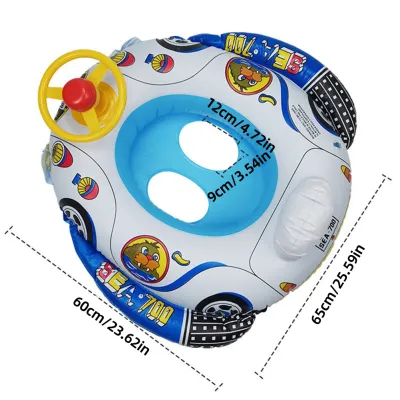
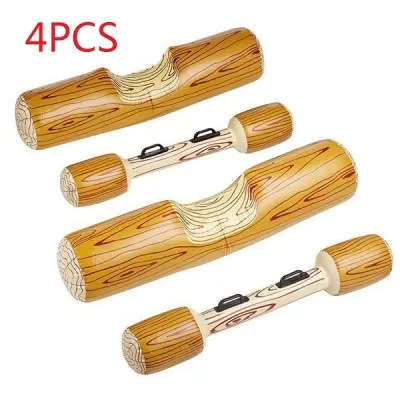
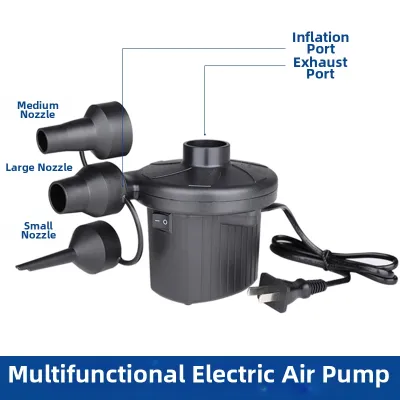
Prices are valid at publication and may change. Please refer to the product page for the latest price.
Age and weight limits are critical indicators of structural integrity. Children’s floats are engineered with specific weight thresholds to maintain their balance on the water, while adult floats use thicker materials and reinforced seams to handle higher physical stress. Using a float outside its designated age or weight category compromises its balance, increases the risk of sudden deflation, and poses significant safety hazards.
Safety Standards and Buoyancy Checks for Children
When selecting water gear for toddlers and young children, safety features must take precedence over whimsical designs. High-quality children’s floats incorporate safety valves, which are designed with an internal flap that prevents rapid air loss even if the outer cap is accidentally pulled open. Multiple independent air chambers are another crucial feature; if one chamber suffers a puncture, the remaining inflated sections provide enough residual buoyancy to keep the float from sinking immediately.

Secure seating configurations are vital for preventing slips and capsizing. Look for floats with deep, integrated seats and smooth leg holes that keep the child’s center of gravity low in the water. Some models feature removable canopy covers, which provide essential shade against the intense tropical sun, but these must be used with caution in breezy conditions, as the canopy can act as a sail and increase the risk of the float tipping over.
Before purchasing, always locate and verify the manufacturer’s maximum weight capacity and age recommendations, which are typically printed directly on the product packaging or the float itself. These guidelines are calculated based on the float’s physical volume and stability limits. Exceeding these recommendations can cause the float to sit too low in the water, making it highly susceptible to swamping by small waves or pool splashes.
It is vital to remember that pool floats are recreational toys and never a substitute for life-saving equipment. They do not provide the guaranteed upright flotation of a certified personal flotation device (PFD) or life jacket. Parents and guardians must maintain constant, active, touch-distance supervision whenever a child is in or near the water, regardless of the float’s design or the child’s perceived water confidence.
Comfort, Support, and Weight Capacity for Adults
Adult pool floats are available in several distinct styles, each catering to different preferences for water contact and relaxation. Lounge chairs offer a dry-riding experience, keeping most of the body out of the water, which is ideal for reading or sunbathing. Hammock-style floats feature inflatable ends with a central fabric mesh bed, allowing the user to remain partially submerged and cool in warm weather. Large ride-ons and novelty shapes offer spacious platforms but require more effort to balance and mount.
To ensure longevity and prevent sudden sinking, inspect the float’s material specifications and seam construction. High-quality adult floats are typically constructed from heavy-duty polyvinyl chloride (PVC) or vinyl, often measured in millimeters or gauge thickness. Look for models with wide, double-welded seams rather than thin, single-heat seals, as reinforced seams are far less likely to split under the pressure of shifting body weight.
Ergonomic features greatly enhance the comfort of extended lounging sessions. Built-in headrests, contoured backrests, and armrests help distribute body weight evenly, reducing neck and back strain. Additional conveniences, such as integrated cup holders, built-in coolers, or grab handles, add practical value, but they should be positioned in a way that does not compromise the float’s overall balance or structural stability.
Material Durability and Tropical Climate Considerations
Singapore’s tropical climate, characterized by high humidity, intense ultraviolet (UV) radiation, and warm temperatures, places unique demands on inflatable materials. Standard PVC and vinyl can degrade quickly when exposed to a combination of chlorine, saltwater, and strong sunlight. Over time, UV exposure breaks down plasticizers, causing the material to become brittle, sticky, or prone to microscopic cracks that lead to slow air leaks.
Heat retention is another significant factor in tropical environments. Dark-colored plastics absorb heat rapidly under direct sunlight, making the surface uncomfortably hot against bare skin and causing the air inside the chambers to expand. This thermal expansion can over-pressurize the seams, leading to sudden ruptures. Opting for lighter colors, reflective surfaces, or fabric-covered designs helps mitigate heat absorption and protects the skin from contact burns.
When evaluating a float’s durability, perform visual and tactile checks. Feel the thickness of the material; high-durability floats feel substantial and slightly rubbery, rather than thin and crinkly like cheap disposable plastics. Check product specifications for mentions of UV-resistant coatings or fabric-topped layers, which shield the underlying inflatable bladder from direct sun damage and provide a more comfortable, non-stick surface for the user.
Pre-Purchase Checklist and Building Your Shortlist
Before buying a pool float from an online marketplace or a local sports retailer, systematic verification can save you from poor-quality purchases. Use the following step-by-step inspection checklist to evaluate your options:
- Check the Valve Design: Ensure the float features recessed safety valves or rapid-inflation valves with secure, multi-stage caps that prevent accidental opening.
- Verify Safety Certifications: Look for compliance marks such as EN71 (European toy safety standard), ASTM F963 (US standard), or ISO certifications in the product description, indicating the item has undergone standardized safety testing.
- Read User Reviews for Air Retention: Search customer feedback specifically for mentions of slow leaks, seam splits, or valves that pop open under pressure.
- Assess Inflation Requirements: Determine if the float requires a high-volume electric pump, a manual hand pump, or if it can be easily inflated by mouth, and factor this into your carrying setup.
- Evaluate Storage and Portability: Compare the deflated dimensions and weight of the float to ensure it fits easily into your beach bag or storage closet, especially if you rely on public transport to reach the pool.
- Review the Return Policy: Confirm that the retailer offers a return or exchange policy for manufacturing defects, as slow leaks are often only detectable upon the first inflation at home.
Frequently Asked Questions (FAQ)
Can adults safely use children's pool floats?
No, adults should never use pool floats designed specifically for children. Exceeding the manufacturer’s designated weight limit puts immense stress on the seams and material, which can lead to sudden seam bursting, valve failure, and rapid deflation. Furthermore, because children’s floats have a much smaller surface area and volume, an adult’s weight will completely disrupt the float’s center of gravity. This mismatch makes the float highly unstable, causing it to tip over or submerge unexpectedly, which poses a safety hazard, particularly in deep water.
How do I properly clean and store inflatable floats to prevent mold?
To prevent mold, mildew, and material degradation, always rinse your pool float thoroughly with clean, fresh water after every use to remove chlorine, salt, and sunscreen residues. Wash away stubborn dirt using a soft sponge and mild dish soap, avoiding abrasive scrubbers or harsh chemical cleaners that can damage the plastic. Allow the float to air-dry completely in a shaded, well-ventilated area before deflating it; folding a damp float traps moisture, leading to rapid mold growth. Store the deflated, folded float in a cool, dry place away from direct sunlight and sharp objects.
Are mesh or fabric pool floats safer than inflatable ones for toddlers?
For toddlers, specialized inflatable floats with secure, integrated seats and multiple air chambers are generally safer than open mesh or fabric designs. Infant and toddler floats are engineered to keep the child’s body upright and stable, whereas open mesh hammocks or simple fabric mats lack the structured support and secure leg holes needed to prevent a young child from slipping through or tipping over. Always choose a float that matches your toddler’s specific age and weight, check for safety certifications, and maintain constant, hands-on supervision in the water.
Community discussion
Share your experience or ask a question. Comments are reviewed before publication.