
Starting a Pilates journey in Singapore is an excellent way to build core strength, refine posture, and enhance overall body awareness. For beginners, targeting shoulder alignment is often a primary focus, especially for those spending long hours at a desk. A shoulder posture strap serves as a valuable tool to assist in opening up the chest, stabilizing the scapulae, and guiding the body into correct alignment during various exercises. However, finding the right strap requires understanding your specific physical needs and the unique demands of Pilates movement.
Selecting the ideal strap involves balancing material comfort, adjustability, and durability. Because Pilates emphasizes controlled, fluid motion rather than rigid restriction, your equipment must support active stretching rather than forcing your joints into fixed positions. By focusing on key physical attributes and verifying retail options in Singapore, you can find a reliable strap that safely integrates into your beginner routine.
Quick Guide to Choosing a Shoulder Posture Strap
When shopping for a shoulder posture strap as a Pilates beginner in Singapore, your primary goal should be improving shoulder mobility and maintaining proper alignment during your exercises. The strap acts as an extension of your arms, helping you complete movements with correct form even if your flexibility is currently limited. Rather than searching for a single, universally recommended product, it is far more effective to choose a strap based on your individual flexibility, arm span, and the specific requirements of your Pilates routine.
Products mentioned in this guide
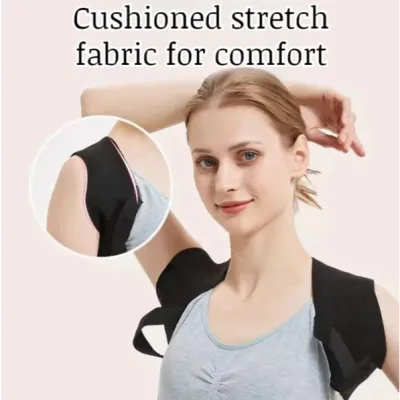
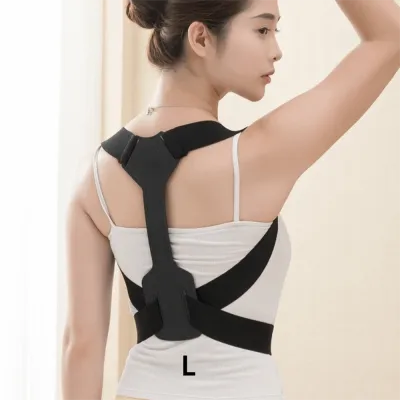
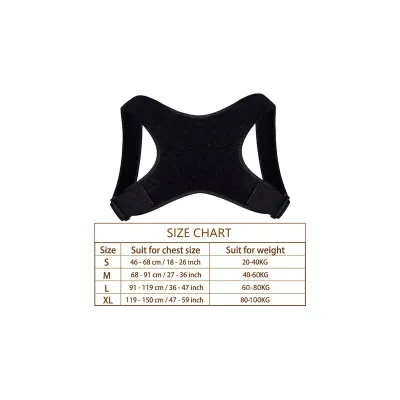
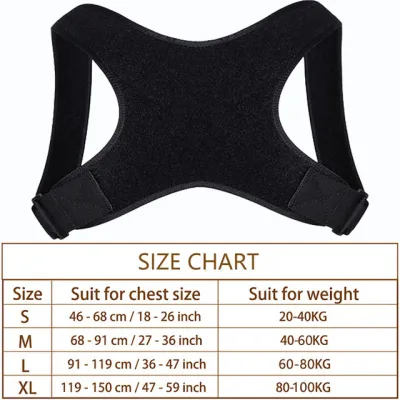
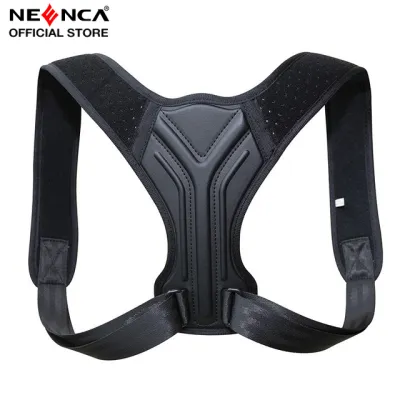
![[Sg Seller] Adjustable Posture Corrector Shoulder Lumbar Brace Support Brace Back Support Belt Back Shoulder Adult Corset Posture Correction](https://img.lazcdn.com/g/p/f47985cc9cfc0416883841cb76f8ecff.png_400x400q80.png_.webp)
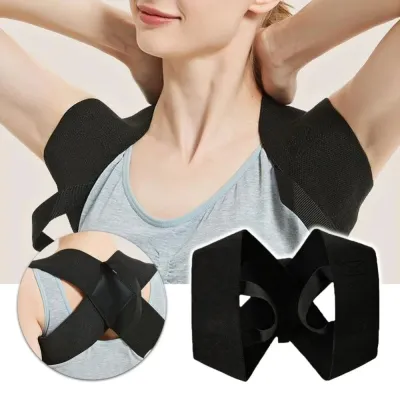
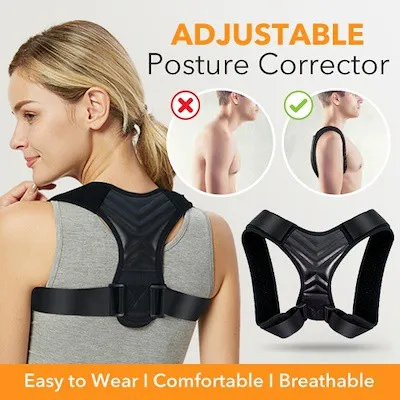
Prices are valid at publication and may change. Please refer to the product page for the latest price.
To make an informed decision, prioritize three core factors: material durability, loop adjustability, and reliable retail channels. In Singapore’s warm and humid climate, the material must withstand sweat and frequent washing without losing its structural integrity. Adjustability is equally crucial, as a strap with multiple grip points allows you to gradually increase your range of motion as your flexibility improves. Finally, sourcing your strap from reputable local retailers or verified fitness brands ensures you receive a durable product that will not snap or fray under tension.
Identifying the Correct Strap Type for Pilates
It is common for beginners to confuse different types of posture-support products, which can lead to purchasing equipment that is unsuitable for Pilates. The most versatile option for active movement is the multi-loop stretch strap. These straps feature several pre-stitched loops along their length, allowing you to easily adjust your grip distance without having to stop and adjust a buckle. In contrast, fixed-length shoulder openers are simple bands with loops only at the ends, which offer less versatility for progressive stretching.

It is vital to distinguish Pilates stretch straps from medical posture correctors. Medical correctors are typically wearable harnesses designed to pull the shoulders back and restrict movement throughout the day. While they may seem helpful, they do not assist in active stretching and can actually weaken muscles over time by doing the work for them. Pilates, on the other hand, relies on active muscle engagement; therefore, you need a flexible or semi-rigid strap that guides your movement rather than a brace that immobilizes your joints.
To ensure you are buying the correct equipment, always check the product descriptions carefully. Look for terms such as “Pilates strap,” “yoga strap,” “multi-loop stretch strap,” or “active stretching band.” Avoid products labeled as “posture braces,” “clavicle supports,” or “medical correctors” unless specifically advised by a healthcare professional. Focusing on active-use straps ensures you have the freedom of movement required for dynamic Pilates exercises.
Key Features to Prioritize as a Beginner
Evaluating the physical attributes of a shoulder posture strap is essential to ensure comfort, safety, and longevity. The material of the strap directly impacts your grip and comfort during repetitive movements. Cotton is a highly popular choice because it is soft against the skin, provides an excellent grip, and does not slip when your hands get sweaty. However, in Singapore’s humid environment, cotton straps take longer to dry after washing. Nylon straps are incredibly durable and dry quickly, but they can feel rough against bare skin and may become slippery when wet. Neoprene-padded straps offer a comfortable compromise, providing cushioning around the shoulders and underarms, though they tend to be bulkier to carry in a gym bag.
Length and adjustability are the next critical factors to consider. To estimate the required length of your strap, use your arm span as a general baseline. For most overhead shoulder-opening exercises, beginners require a strap that is at least as long as their arm span, if not slightly longer, to accommodate tight shoulder joints. A strap with multiple built-in loops is highly recommended for beginners because it provides clear, visual progress markers. As your shoulders become more flexible, you can transition your grip to closer loops, allowing you to track your improvement over time.
Finally, pay close attention to the stitching and hardware of the strap. Because you will be applying consistent tension to the strap, the seams must be highly secure. Look for reinforced stitching, such as double-stitched edges or box-stitch patterns at the loop junctions, which prevent the fabric from tearing. If the strap uses a buckle system rather than pre-stitched loops, ensure the hardware consists of sturdy metal D-rings or heavy-duty composite buckles. Flimsy plastic adjusters can slip or break under tension, posing a safety risk during deep stretches.
Evaluating Brands and Retailers in Singapore
When looking to purchase a shoulder posture strap in Singapore, you will find a wide range of options, from established global sports brands to generic listings on online marketplaces. While generic online listings often present a lower upfront cost, purchasing from recognized fitness and wellness brands generally offers better quality assurance. Established brands use standardized manufacturing processes and high-grade materials, reducing the risk of the strap snapping unexpectedly during use.
To protect yourself from low-quality counterfeits, take the time to verify product authenticity when shopping online. Look for official brand stores on local ecommerce platforms, and read through verified buyer reviews. Pay close attention to feedback regarding the strap’s stiffness, seam strength, and how well it holds up after washing. Additionally, check if the seller offers a clear return policy or a local warranty, which provides peace of mind if the product arrives with manufacturing defects.
For beginners, visiting a physical sports retailer in Singapore is highly advantageous. Stores located in major shopping districts, such as Orchard Road, Kallang, or Queensway, allow you to handle the equipment in person. By visiting a physical store, you can feel the texture of the fabric, test the stiffness of the strap, and verify that the loop sizes comfortably fit your hands and feet. This hands-on evaluation eliminates the guesswork of online shopping and ensures you select a strap that feels comfortable against your skin.
Safe Usage and Routine Integration for Beginners
Integrating a shoulder posture strap into your Pilates routine must be done gradually and safely to prevent muscle strain or joint injury. Before applying any tension with the strap, it is essential to warm up your shoulder joints. Spend a few minutes performing gentle joint mobilizations, such as shoulder rolls, arm circles, and light chest openers, to increase blood flow and prepare the muscles for stretching. Attempting deep stretches with cold muscles significantly increases the risk of injury.
During your exercises, maintain a strong focus on your overall body alignment. Keep your spine in a neutral position, engage your core muscles, and avoid arching your lower back to compensate for tight shoulders. When using the strap to open your chest, do not force your arms into hyperextension; instead, move slowly and stop as soon as you feel a gentle, comfortable stretch. The strap should act as a supportive guide, not a tool to force your body beyond its natural limits.
As a beginner, you must listen to your body and recognize when to stop. If you experience sharp pain, joint clicking, pinching sensations, or numbness in your arms or hands, stop the exercise immediately. These symptoms indicate that the joint is under improper stress or that a nerve is being compressed. If these issues persist, discontinue using the strap and consult a certified Pilates instructor or a physiotherapist to assess your form and joint health.
Frequently Asked Questions (FAQ)
Can I use a regular resistance band instead of a dedicated posture strap?
While it is possible to perform some shoulder stretches with a resistance band, it is generally not recommended for beginners focusing on static alignment. Resistance bands are elastic, meaning they provide variable tension that increases as the band is stretched. This elasticity requires constant muscular control to keep the band stable, which can cause beginners to compromise their form or overcompensate with other muscles.
In contrast, a dedicated shoulder posture strap is non-elastic and provides a fixed length. This lack of stretch offers a stable, consistent support system, allowing you to focus entirely on your alignment and joint positioning. Furthermore, non-elastic straps eliminate the risk of the band snapping back unexpectedly, making them a safer and more predictable tool for those who are new to Pilates.
How do I clean and maintain my shoulder posture strap?
Proper maintenance is essential to keep your strap hygienic and extend its lifespan, especially given the high humidity in Singapore. Always begin by checking the manufacturer’s care label for specific washing instructions. Most cotton and nylon straps can be hand-washed with a mild detergent in cool water, while some durable designs may be machine-washable inside a mesh laundry bag on a gentle cycle.
After washing, always air-dry your strap completely before storing it. Avoid placing it in direct, intense sunlight for extended periods, as UV rays can degrade synthetic fibers and weaken the stitching over time. Instead, hang it in a well-ventilated indoor area or a shaded outdoor spot. Finally, make a habit of inspecting your strap before every workout, checking the seams and hardware for any signs of wear, fraying, or cracking to ensure it remains safe to use.
Community discussion
Share your experience or ask a question. Comments are reviewed before publication.