
Selecting the right football gear for a young player involves balancing physical development with the specific demands of local playing environments. In Singapore, where artificial turf pitches are the standard for school yards, community centers, and commercial futsal arenas, choosing the correct equipment directly impacts both skill development and physical comfort. A size 4 football is the standard transition ball for youth players, while selecting between Artificial Grass (AG) and Turf (TF) boots ensures proper traction on synthetic grass. By matching the gear to your child’s age and the specific characteristics of local pitches, you can support their development while protecting their growing joints.
Verify the Correct Football Size for Your Child's Age
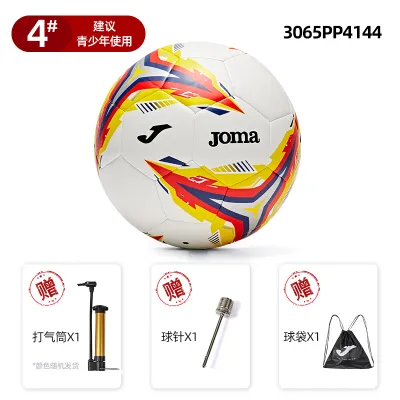
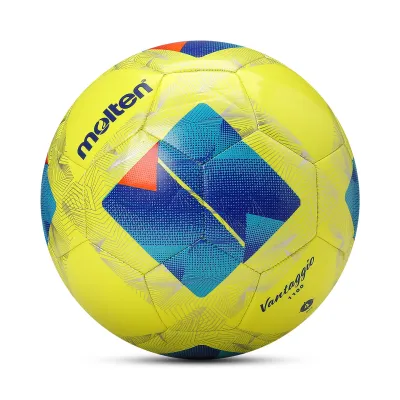
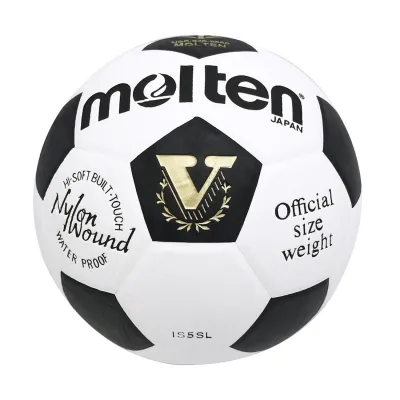
A size 4 football is specifically engineered for players transitioning out of early childhood play into structured youth leagues. Typically, this transition occurs between the ages of 8 and 12, when a child’s physical strength and coordination require a ball that offers more weight and surface area than a size 3, but without the heavy impact of a full-sized adult size 5 ball. Using a ball that matches this developmental window allows young players to practice proper passing, shooting, and ball-control techniques without straining their developing muscles.
Before purchasing, it is essential to verify the specific regulations of your child’s school sports program or local youth academy. Many junior leagues and school competitions in Singapore enforce strict guidelines regarding ball sizes for specific age brackets to ensure fair play and safety. Checking the official handbook of your child’s league or consulting their coach will confirm whether a size 4 ball is required for match play or if it is reserved primarily for training sessions.
Products mentioned in this guide
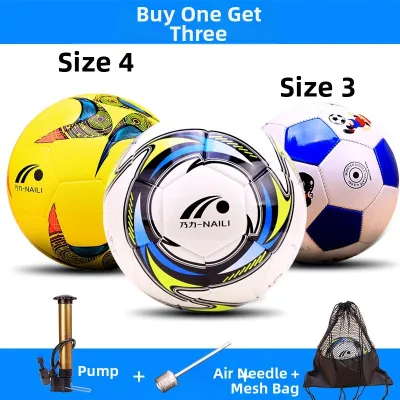
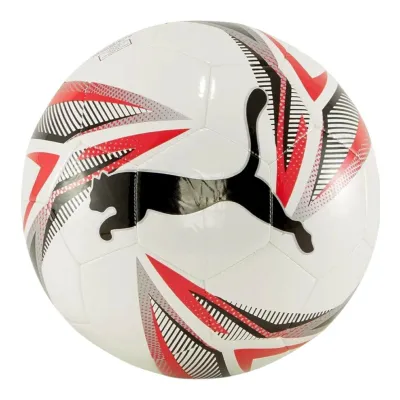
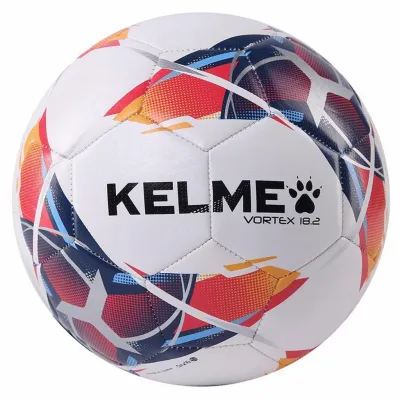
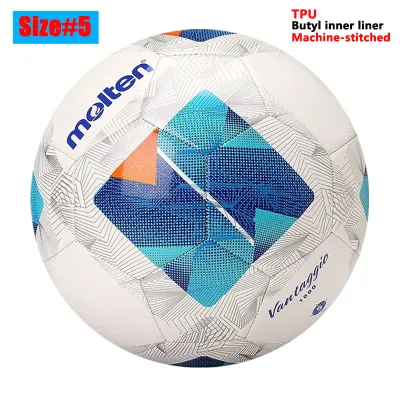
![[FOOTBALL SOCCER BALL]SIZE 5 and SIZE 4 STANDARD OFFICIAL](https://img.lazcdn.com/g/p/ba9f937f8b43d792c0cadceb5cd2896e.png_400x400q80.png_.webp)
Prices are valid at publication and may change. Please refer to the product page for the latest price.
You can also observe physical cues to determine if your child is ready to move up to a size 4 ball. If they can easily control and kick a size 3 ball across long distances without losing their form, or if the smaller ball constantly feels too light under their feet, they are likely ready for the upgrade. Conversely, if they struggle to lift a size 4 ball or complain of foot soreness after kicking it, they may need a bit more time to build strength with a lighter size 3 model.
Select a Durable Size 4 Football for Synthetic Pitches
Artificial turf is highly abrasive compared to natural grass, meaning a standard football can wear down rapidly if it lacks the right construction. When evaluating a size 4 football, look closely at how the panels are joined together. Thermally bonded balls offer the highest resistance to moisture and maintain their shape exceptionally well, as they lack exposed stitching that can fray against synthetic fibers. Hand-stitched balls provide excellent playability and deep seams, but the threads can wear down over time on rough surfaces, while machine-stitched balls are often budget-friendly options best suited for light recreational use.

The outer cover material plays a critical role in resisting scuffs and tears on hard synthetic pitches. Polyurethane (PU) covers are highly recommended for youth players because they offer a soft touch, excellent responsiveness, and strong resistance to abrasion. Thermoplastic polyurethane (TPU) is another durable option that balances cost and performance, providing a resilient outer layer that withstands repeated contact with rough turf. Avoid cheap polyvinyl chloride (PVC) covers where possible, as they tend to feel stiff, especially in warm climates, and can become slippery when exposed to moisture.
Air retention is another vital factor to check on the product label, particularly for balls stored in warm, humid environments. Butyl bladders are highly effective at retaining air over long periods, making them ideal for training balls that you do not want to inflate before every session. Latex bladders offer a more responsive bounce and a softer feel on the foot, but they lose air much faster and require regular pumping. Look for a high-quality valve system, often labeled as a butyl valve, to prevent slow leaks through the inflation point.
Match Youth Boot Stud Types to Local Artificial Turf
Singapore’s football landscape is dominated by synthetic pitches, ranging from premium third-generation (3G) artificial grass to older, flatter futsal courts. To ensure your child has the right grip, you must choose between Artificial Grass (AG) and Turf (TF) outsoles. AG boots feature short, hollow, or conical plastic studs distributed evenly across the soleplate to distribute weight and allow smooth rotation. TF boots, on the other hand, utilize a flat rubber sole covered in dozens of small, durable rubber nubs designed to grip shallow, hard surfaces.
Assessing the specific pitch where your child trains most often will guide your decision. If they play on modern 3G pitches with long synthetic grass blades and a thick layer of black rubber crumb infill, AG boots are highly suitable as they can penetrate the surface slightly to provide stable traction. If the pitch is a short-pile carpet, an older worn-down field, or a concrete-backed futsal court, TF boots are the safer and more comfortable choice, as rubber nubs prevent the foot from sliding without causing painful pressure points on the sole.
Using the wrong stud pattern on synthetic surfaces carries distinct physical risks for growing children. Wearing long, aggressive studs designed for wet natural grass on dry artificial turf can cause the boots to catch violently in the synthetic fibers. This excessive rotational traction increases the strain on a child’s developing knees and ankles, potentially leading to joint discomfort or growth-plate irritation. Opting for turf-specific outsoles ensures that the boot can slide slightly under heavy lateral loads, mimicking the natural release of real grass.
Fit and Size Youth Football Boots for Growing Feet
Finding the correct boot size requires precise measurement, as football boots must fit more snugly than everyday school shoes or running sneakers. Always measure your child’s feet in the afternoon, as feet naturally expand slightly throughout the day. Have them stand flat on a piece of paper, trace the outline of both feet, and measure the distance from the heel to the longest toe in millimeters. Use this measurement against the specific brand’s size chart, keeping in mind that sizing can vary significantly between different manufacturers.
While it is tempting to buy boots a size too large to accommodate rapid growth, doing so can compromise your child’s stability and ball control. A boot that is too loose allows the foot to slide inside, leading to painful friction blisters and a lack of support during quick turns. Aim for a fit that leaves about a thumb’s width of space (approximately 5 to 10 millimeters) at the front of the toe box, ensuring the midfoot is securely locked down by the lacing system without pinching the sides of the foot.
Always have your child try on new boots while wearing the exact socks they use for training and matches. Thick football socks can add half a size to a child’s foot, and trying on boots with thin everyday socks can result in a fit that is far too tight on match day. Encourage them to walk, jog, and perform quick lateral movements around the store or living room to verify that there is no heel slippage or painful pressure points along the instep.
Inspect and Break In the New Football Gear
Before heading to the pitch, perform a quick quality check on all new equipment to ensure there are no manufacturing defects. For the size 4 football, inflate it to the manufacturer’s recommended pressure range (usually printed around the valve) and check for any immediate air leaks or uneven seams. For the boots, inspect the stitching along the boundary where the upper material meets the soleplate, ensuring there are no gaps or loose threads, and verify that all studs or rubber nubs are securely molded to the base.
Synthetic boot uppers are highly durable but can feel stiff out of the box, requiring a gradual break-in period to prevent blisters. Have your child wear their new boots around the house for 15 to 30 minutes at a time over a few days before their first full training session. For their first few on-pitch practices, consider having them wear the new boots during the warm-up, then switch back to their old, comfortable pair for the high-intensity drills until the new synthetic material softens and molds to their feet.
After the first few sessions, monitor your child’s feet and the gear for any early signs of wear or discomfort. Check their heels and toes for redness or blisters, which may indicate that the boots are too tight or that the socks are bunching up inside. Wipe down the boots with a damp cloth after play on rubber-crumb pitches to remove abrasive dust, and store the football in a cool, dry place away from direct sunlight to preserve the outer cover and maintain consistent air pressure.
Frequently Asked Questions (FAQ)
Is It Safe to Use Firm Ground (FG) Boots on Artificial Turf?
Using Firm Ground (FG) boots on artificial turf is generally not recommended for youth players due to safety and durability concerns. FG boots feature longer, bladed, or triangular studs designed to penetrate soft natural soil, which can dig too deeply into synthetic turf and cause the foot to become anchored during sudden turns. This excessive grip increases the risk of ankle sprains and knee strain. Additionally, the high friction and heat generated by artificial turf can weaken the adhesives holding the soleplate together, leading to premature cracking and voiding the manufacturer’s warranty.
When Should You Replace a Size 4 Football?
A size 4 football should be replaced when it can no longer maintain its structural integrity or air pressure. Look for visible signs of degradation, such as deep cracks in the outer cover, peeling panels, or exposed stitching that could absorb water and make the ball excessively heavy. If the ball loses a significant amount of air within a single day or becomes visibly warped and egg-shaped, it will negatively affect your child’s passing and shooting practice. Replacing a worn-out ball ensures consistent training conditions and prevents unnecessary strain on young joints.
Community discussion
Share your experience or ask a question. Comments are reviewed before publication.