
Selecting the right dumbells set for a small Housing & Development Board (HDB) flat requires balancing your fitness goals with the physical realities of high-density living. When floor space is at a premium, a single pair of adjustable dumbbells is typically the most efficient choice, consolidating up to fifteen different weight increments into the footprint of two individual weights. For fitness enthusiasts who prefer rapid weight changes or high-impact movements, a compact set of fixed hexagonal dumbbells paired with a vertical A-frame rack offers a highly durable, albeit slightly larger, alternative. Deciding between these options depends on your specific workout style, storage availability, and how much floor space you can clear for safe movement.
Assessing Your Space and Storage Constraints
Before purchasing any fitness equipment, you must accurately measure both your active workout area and your static storage zones. A common mistake is planning only for the physical footprint of the dumbbell tray or rack while overlooking the clearance needed to perform exercises safely. For a safe and effective workout, you generally require a clear floor area of at least two meters by two meters. This space allows you to perform dynamic movements like lateral raises, lunges, and overhead presses without striking walls, television consoles, or low-hanging light fixtures.
To identify viable storage zones, look for underutilized areas in your flat that can support heavy, concentrated loads. The space beneath a bed frame is an excellent option, provided you measure the vertical clearance from the floor to the bottom of the frame. Many standard HDB bed frames offer between 15 and 25 centimeters of clearance, which is sufficient for low-profile dumbbell trays or individual flat-sided weights. Other potential storage spots include the base of a built-in wardrobe, a dedicated corner of a household shelter, or the space adjacent to a study desk.
Products mentioned in this guide
![[BULKY] Dumbbell Set Adjustable Exercise Weight Plates Dumbbell Barbell Convertible Gym Set](https://img.lazcdn.com/g/p/084fbf90618f02a1a89eb8fb30f8a31e.jpg_400x400q80.jpg_.webp)
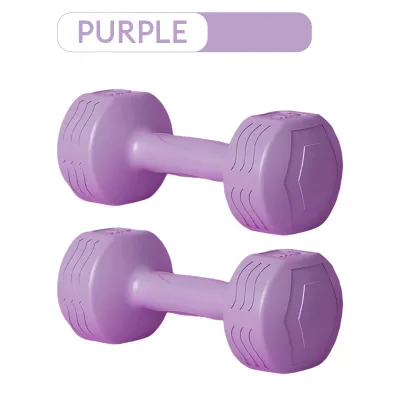
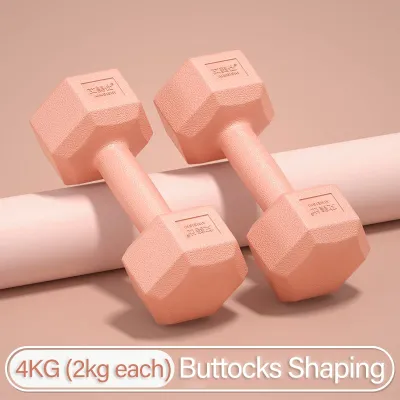
![[SG In Stock]Neoprene Dumbell Set for Weight Strength Training 1/2/3KG Suitable for Home Gym Exercise Small Dumbbell Set](https://img.lazcdn.com/g/p/923f27057110e9aadae3d93d3c8f3495.jpg_400x400q80.jpg_.webp)
Prices are valid at publication and may change. Please refer to the product page for the latest price.
Additionally, you must verify the transport pathways within your home. Measure the width of your doorways, hallways, and the tight turns leading into your designated workout area. If you plan to purchase a larger set with a vertical storage rack, ensure that you can comfortably maneuver the packaged boxes through these spaces upon delivery. Transporting heavy weights through narrow corridors requires careful handling to avoid scraping walls or straining your back in confined spaces.
Adjustable vs. Compact Fixed Dumbbell Sets
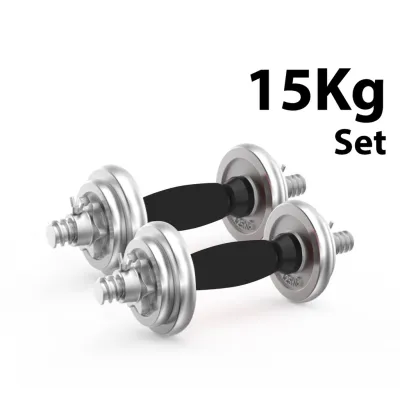
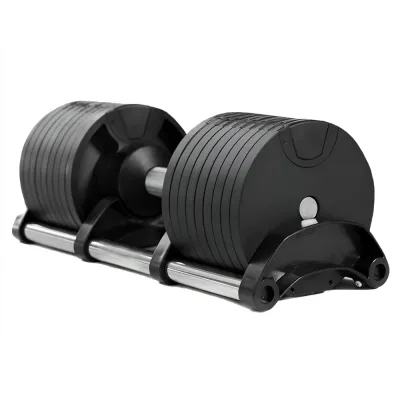
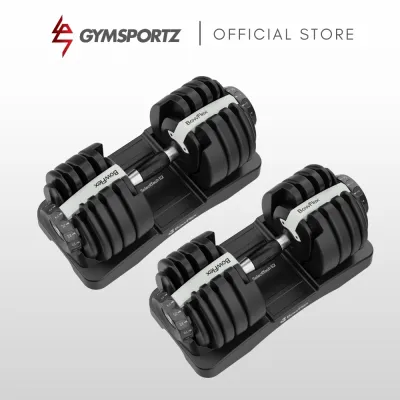
When evaluating a space-saving dumbells set, the primary decision lies between adjustable mechanisms and compact fixed sets. Adjustable dumbbells utilize a single handle compatible with multiple weight plates, which are engaged or disengaged using various locking systems. Dial-adjustable systems allow you to select your desired weight by turning a dial at either end of the handle, which automatically attaches the corresponding plates when lifted from the cradle. Selector pin systems operate similarly to gym cable machines, using a heavy-duty pin to lock the plates in place. Spin-lock dumbbells, on the other hand, require you to manually slide plates onto a threaded bar and secure them with threaded collars.

While dial and pin mechanisms offer unparalleled space efficiency by replacing an entire rack of weights, they do introduce mechanical complexity. These systems rely on precise internal gears and alignment tracks. If dropped or treated roughly, the locking mechanisms can become misaligned or damaged, rendering the set unsafe to use. Spin-lock sets are far more durable and cost-effective, but they require manual adjustments that slow down your workout transitions, and the protruding threaded bars can occasionally interfere with your range of motion during tight exercises.
Compact fixed dumbbell sets, particularly those featuring a hexagonal design, offer a simpler and more durable alternative. Hexagonal dumbbells are highly stable because their flat sides prevent them from rolling across the floor, making them excellent for floor-based exercises like push-ups or renegade rows. Unlike round dumbbells, which can easily roll and cause injury or damage in a tight room, hex weights stay exactly where you place them. However, because each weight level requires a separate pair, building a progressive strength routine with fixed weights requires a vertical stacking solution to keep the overall footprint manageable.
Storage Solutions and Organization
Storing heavy weights safely in a compact HDB flat requires careful structural consideration. If you opt for a fixed dumbbell set, a vertical A-frame rack is the most space-efficient way to organize them. These racks stack the weights vertically rather than horizontally, utilizing vertical wall space and reducing the required floor footprint to less than half a square meter. However, you must exercise extreme caution if you are considering wall-mounted weight holders. Most partition walls in modern HDB flats are made of lightweight concrete panels or drywall, which cannot safely support the concentrated weight of a dumbbell set. Wall-mounted storage should only be attempted on structural concrete walls, using heavy-duty masonry anchors, and only after verifying the wall’s load capacity.
For those who prefer to keep their equipment completely out of sight, low-profile storage bins designed to slide under the bed or sofa are highly effective. When using plastic storage bins, ensure they are specifically rated for heavy loads; standard utility bins can easily crack under the concentrated weight of cast iron plates. Placing a thin sheet of plywood or a heavy-duty rubber mat inside the bin can help distribute the weight evenly and prevent the plastic base from bowing or dragging against your flooring.
Regardless of your chosen storage method, keeping your primary pathways completely clear is essential for home safety. A stray dumbbell left in a narrow hallway or near a doorway is a major tripping hazard, especially in low-light conditions. Establish a strict habit of returning your weights to their designated storage trays or racks immediately after completing your final set. This practice not only keeps your living space tidy but also prevents accidental stubbed toes and falls in tight quarters.
Safety, Noise, and Floor Protection
Operating a home gym in a high-density residential building requires a proactive approach to floor protection and noise management. HDB flats commonly feature flooring materials such as vinyl, laminate, parquet, or homogeneous tiles. Dropping a heavy dumbbell on these surfaces can easily cause deep dents, scratches, or cracked tiles, leading to costly repairs. To safeguard your floors, invest in high-density interlocking rubber tiles or heavy-duty utility mats. While cheap EVA foam mats offer some cushion, they tend to compress completely under heavy weights, compromising your stability during standing lifts. High-density rubber mats (at least 10 to 15 millimeters thick) provide superior impact absorption and a much firmer footing.
Safety checks are equally critical when using adjustable dumbbell systems. Before lifting the handles from their alignment cradles, always perform a quick visual and physical check to ensure the locking mechanism is fully engaged. If a plate is partially secured, it can slip out mid-exercise, posing a severe risk of injury to your face, chest, or feet, as well as causing catastrophic damage to your flooring. Never force a dial or pin mechanism if it feels stuck; instead, realign the plates in the tray and try again.
Managing noise is also vital for maintaining good relations with your neighbors downstairs. In concrete HDB structures, impact noise and vibrations travel exceptionally fast through the building column. The clanking of metal plates during rapid adjustments or the thud of placing weights down too quickly can easily disturb those living nearby. To minimize noise, consider rubber-coated or urethane-encased dumbbells, which naturally dampen sound. Additionally, focus on controlling the eccentric (lowering) phase of your lifts to ensure you place the weights down silently, rather than dropping them at the end of a challenging set.
Building Your Space-Saving Shortlist
To finalize your purchase decision, create a structured checklist tailored to your current fitness level and spatial limits. Start by matching the weight range of the dumbbell set to your long-term progression plan. If you are a beginner, a set that adjusts up to 15 or 20 kilograms per dumbbell will likely serve you well for several years. Advanced lifters may need to look for sets that accommodate heavier plates or offer expansion kits, though these will naturally require a slightly larger storage footprint.
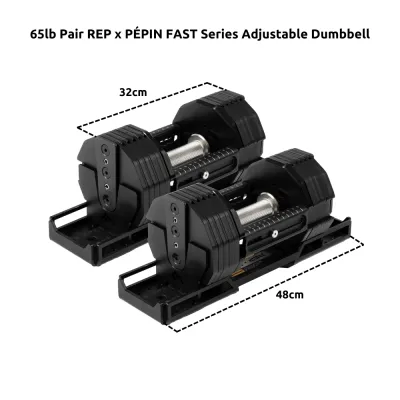
Next, verify the exact physical dimensions of the dumbbell set—including the storage tray or rack—against the measurements you took of your storage zones. Ensure there is at least a few centimeters of clearance on all sides so you can easily grasp the handles to lift them out of storage without scraping your knuckles. If you are purchasing an adjustable set, pay close attention to the length of the dumbbell at its lowest weight setting; some models maintain their full physical length even when loaded with minimal weight, which can feel awkward during specific movements.
Finally, carefully review the manufacturer’s warranty terms, particularly regarding the mechanical components of adjustable models. Because dial and selector pin systems contain moving parts that are subject to wear and tear, a robust warranty provides essential peace of mind. By systematically verifying your space, choosing the right mechanism, and implementing proper floor protection, you can build a highly effective, compact strength-training setup that fits seamlessly into your HDB lifestyle.
Frequently Asked Questions (FAQ)
Can I use adjustable dumbbells for drop sets in a small space?
Yes, you can perform drop sets with adjustable dumbbells, but your efficiency depends on the locking mechanism. Dial and selector pin systems allow you to change weights within seconds, making them suitable for drop sets. However, you must have a stable, flat surface—such as a sturdy workout bench or a dedicated floor tray—directly adjacent to your workout area so you can safely dock the handle, change the setting, and resume your exercise without losing momentum.
Are spin-lock dumbbells a good space-saving alternative to dial adjustable sets?
Spin-lock dumbbells are a highly space-efficient and cost-effective alternative, especially for those on a budget. They allow you to stack unused plates neatly in a corner or a small bin. The primary trade-off is convenience; manually unscrewing the collars to add or remove plates takes significantly longer than turning a dial, which can disrupt the flow of fast-paced workouts. Additionally, the threaded steel bars remain at their maximum length regardless of how much weight is loaded.
How do I prevent dumbbell racks from tipping over in a small room?
To prevent a vertical or A-frame dumbbell rack from tipping over, always load the weights from the bottom up, placing your heaviest pairs on the lowest tiers to maintain a low center of gravity. Ensure the rack is positioned on a completely flat, level surface, preferably on a firm rubber mat rather than plush carpet. Avoid placing the rack in high-traffic pathways where it could be accidentally bumped, and never exceed the manufacturer’s maximum weight capacity.
Community discussion
Share your experience or ask a question. Comments are reviewed before publication.