
Finding the right cardio equipment for a compact apartment requires balancing physical fitness goals with strict spatial limitations. When selecting a stepper machine for an HDB flat, the focus must shift from sheer size to smart, space-saving designs that do not compromise on stability or safety. This guide will help you evaluate your available space, identify genuinely compact features, and build a shortlist of machines that fit seamlessly into your home layout without cluttering your living area or disturbing your neighbors.
Instead of searching for a universal model, the ideal choice depends on your specific storage constraints, ceiling height, and noise tolerance. By systematically evaluating your home layout and understanding key design features, you can find a compact stepper that delivers a challenging workout while remaining easy to tuck away when guests arrive.
Measure Your Workout and Storage Zones
Before browsing online marketplaces for a stepper machine, you must map out exactly where the equipment will live and where it will be used. Start by measuring your intended active workout zone. This area requires more than just the physical footprint of the machine; you must account for lateral clearance to allow natural arm swing and a safe dismounting zone behind or beside the unit.
Products mentioned in this guide
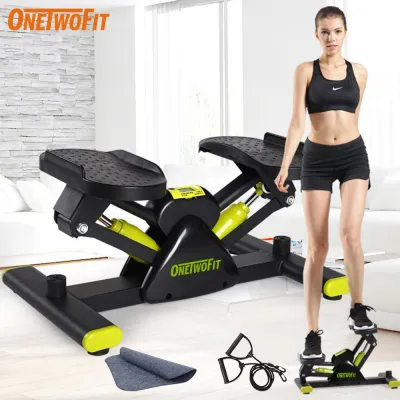
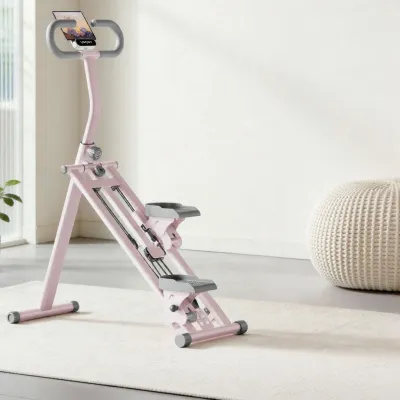
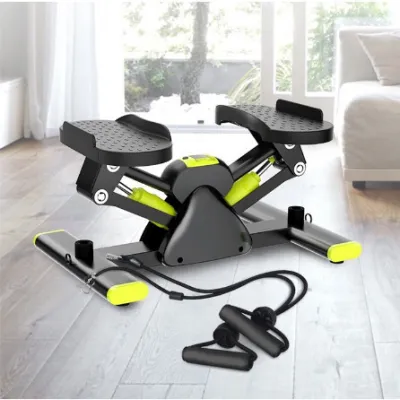
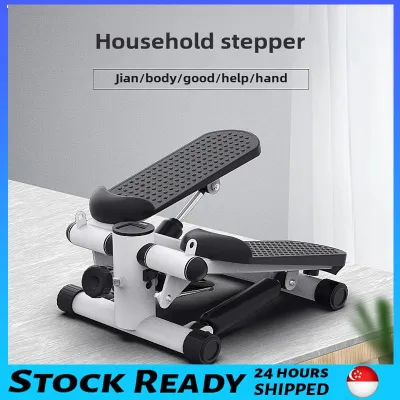
![[SG Ready Stock]Aerobic Stepper Cardio Fitness Home Gym Exercise Step Block Board Height Adjustable Aerobic stepper](https://img.lazcdn.com/g/p/76d7f485d6ea394df23063eb50313bc4.jpg_400x400q80.jpg_.webp)
Prices are valid at publication and may change. Please refer to the product page for the latest price.
Next, calculate the vertical clearance. When you stand on a stepper at its highest pedal extension, your head rises significantly closer to the ceiling. Measure your height while standing on a raised platform or simulate the step height to ensure you will not hit overhead light fixtures, ceiling fans, or low-hanging beams common in older HDB layouts.
Once the active zone is verified, identify your primary storage locations. Measure the exact height, width, and depth of potential storage spots, such as the gap under your bed frame, the space behind a bedroom door, or a corner in your utility closet. Keep a tape measure handy and record these dimensions to compare directly against product specifications.
Finally, inspect the floor surface of your chosen workout spot. The floor must be completely flat and level to prevent the machine from rocking during use. Smooth surfaces like polished vinyl, laminate, or ceramic tiles require careful consideration, as dynamic stepping movements can cause lightweight machines to slide if they are not properly anchored or placed on a high-friction surface.
Identify Genuine Space-Saving Design Features
When shopping for fitness equipment, marketing terms like “ultra-compact” or “space-saving” can be misleading. To find a machine that truly fits a small flat, you must distinguish between foldable frames and fixed-base designs. Foldable steppers feature a hinge mechanism that allows the upright handlebar column to fold flat against the base, significantly reducing the vertical profile for easy storage under furniture.

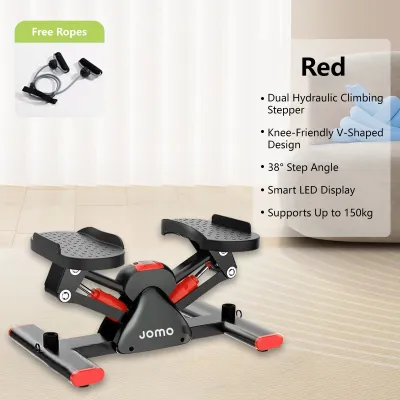
In contrast, mini steppers or fixed-base designs do not fold but rely on an inherently small footprint. While these units are highly portable, they lack built-in handlebars, which changes the balance dynamic of your workout. If you prefer the stability of a handlebar, look for models with quick-release pins that allow you to detach or fold the support frame in seconds without requiring specialized tools.
Another key design feature to evaluate is the modularity of accessories. Many stepper machines come with detachable resistance bands, adjustable console monitors, or removable handles. Opting for a machine with easily detachable components allows you to strip the unit down to its bare frame when storing it, saving precious centimeters in tight closets.
Portability is equally vital when you need to move the machine between your storage spot and your active workout zone daily. Look for models equipped with integrated transport wheels on the base. These wheels allow you to tilt and roll the machine effortlessly across your living room, minimizing the physical strain of lifting and preventing accidental scratches on your flooring.
Balance Compact Size with Stability and Safety
While minimizing size is crucial for HDB living, sacrificing structural integrity can lead to a hazardous workout experience. A machine that is too light or has an excessively narrow base may wobble or tip over during high-intensity sessions. To prevent this, always verify the manufacturer’s stated maximum user weight capacity and compare it against the machine’s net weight.
A heavier net weight often indicates a more robust steel frame, which provides the necessary ballast to keep the machine anchored. Look for a wide, flared base design; even a few extra centimeters of base width can dramatically increase lateral stability without significantly impacting your storage options.
Safety features on the pedals themselves are non-negotiable. Inspect the product specifications for deep, non-slip pedal textures and raised safety edges or adjustable foot straps. These elements keep your feet securely positioned even as you sweat, preventing dangerous slips when transitioning between fast and slow stepping cadences.
Additionally, pay close attention to the placement and shielding of the hydraulic cylinders. Cylinders located directly beneath the pedals should be well-insulated or guarded to prevent accidental contact with loose clothing or curious pets. Ensuring the cylinders are positioned away from direct foot contact also reduces the risk of stepping on hot metal components after a long workout.
Optimize Daily Use and Storage in a Compact Home
Integrating a stepper machine into a compact HDB flat requires a thoughtful approach to daily habits and home organization. Start by establishing a dedicated workout corner that benefits from good air circulation. Positioning your machine near a window or directly under an air conditioning unit helps manage body heat and perspiration in Singapore’s warm, humid climate.
To maintain peaceful relations with your downstairs neighbors, always place a high-density, shock-absorbing floor mat beneath your stepper. Even the quietest hydraulic cylinders transmit low-frequency vibrations through the concrete floor slabs of HDB blocks. A thick rubber or dense foam mat acts as an acoustic barrier, dampening these vibrations and protecting your tiles or vinyl planks from scuffs.
Developing a consistent fold-and-store routine is the final step in keeping your home clutter-free. Treat the process of setting up and packing away your stepper as an extension of your warm-up and cool-down. By immediately returning the machine to its designated storage spot after use, you prevent it from becoming an unsightly clothes rack or a tripping hazard in high-traffic hallways.
Build Your Final Shortlist and Verify Fit
With your home measurements and safety requirements in hand, you can confidently compile a shortlist of candidate stepper machines. Create a direct comparison list matching the active and folded dimensions of each model against your recorded storage and workout clearances. Reject any machine that leaves less than a few centimeters of buffer space in your storage zone.
Next, cross-reference the stability specifications of your top choices with your personal physical profile. If you plan on engaging in high-intensity cardio or weigh close to the machine’s upper limit, prioritize models with reinforced steel frames and wider bases, even if they require slightly more storage space.
Finally, before making your purchase on any online marketplace or from a local retailer, carefully verify the return policies and warranty terms. Because feel and stability are highly subjective, having the option to return or exchange the machine if it feels unstable during your first trial run provides essential peace of mind. Ensure the warranty covers key mechanical parts like the hydraulic cylinders and frame welds to protect your investment over time.
Frequently Asked Questions (FAQ)
Will a stepper machine cause noise complaints in an HDB flat?
Yes, stepper machines can generate noise that travels through HDB floor slabs if proper precautions are not taken. The primary source of noise is not usually the machine’s frame, but the rhythmic impact of the pedals hitting the base and the hum of the hydraulic cylinders. To mitigate this, place a thick, high-density acoustic floor mat directly under the machine to absorb vibrations before they penetrate the floor.
Additionally, consider the placement of your workout zone. Avoid positioning the stepper directly against shared household walls or partition walls that connect to your neighbor’s living areas. Scheduling your workouts during daytime or early evening hours, rather than late at night or early in the morning, further ensures you maintain a harmonious relationship with those living nearby.
Can I use a stepper machine without the attached handlebars?
Using a stepper machine without handlebars is possible and can significantly reduce both the storage footprint and the visual clutter in your home. Operating a handlebar-free mini stepper also provides an excellent core workout, as your body must constantly engage stabilizing muscles to maintain balance.
However, removing handlebars increases the risk of falls, especially for beginners or those performing high-resistance workouts. Before detaching any support columns, consult the manufacturer’s user manual to ensure the frame is structurally designed to operate safely without the handlebar assembly. If you choose to go without handles, keep the machine close to a sturdy wall or stable piece of furniture that you can easily grab if you lose your balance.
Community discussion
Share your experience or ask a question. Comments are reviewed before publication.