
Quick Guide: Core Features of a Good Kids' Swimming Cap
Selecting a swimming cap for your child involves balancing comfort, hair protection, and visibility. In Singapore’s warm climate, children spend significant time in condominium pools, public ActiveSG swimming complexes, and private swim schools. A well-fitting cap keeps hair out of the eyes, protects hair from pool chemicals, and ensures the child remains highly visible to lifeguards and instructors.
The primary decision factors rest on material choice, accurate sizing, and bright color selection. While many parents rely on age-based sizing, head circumference is the only reliable metric for a secure fit. High-visibility colors like neon orange, bright pink, or vibrant green are essential safety choices for busy pool environments.
How to Evaluate Materials and Fit for Your Child
To find the right cap, you must first understand how different materials behave in the water and on a child’s head. The three most common materials are silicone, latex, and Lycra or fabric blends. Each material serves a distinct purpose and carries specific trade-offs regarding stretch, durability, water resistance, and ease of use.
Products mentioned in this guide
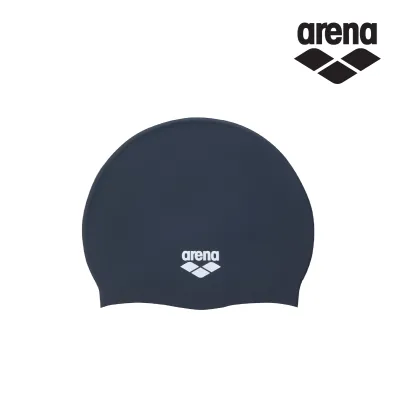
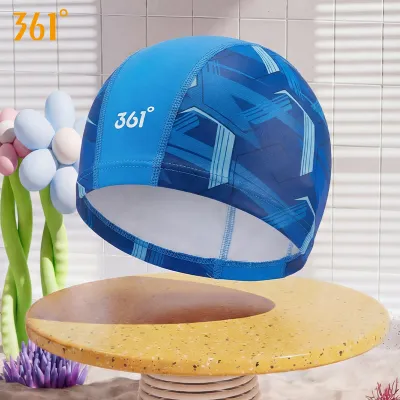
![[SG Stock] Kids Swim Cap Cute Waterproof Non-slip Elastic Stretchy Fun Print For Children Swimming](https://img.lazcdn.com/g/p/3dbc71e26c394aeec459b045e1fa1204.jpg_400x400q80.jpg_.webp)
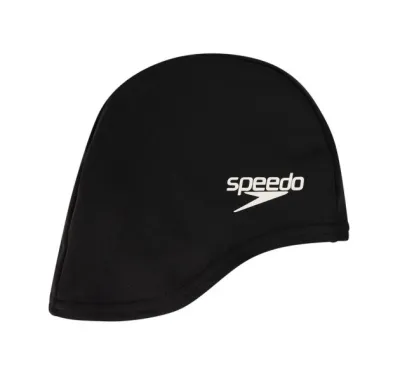
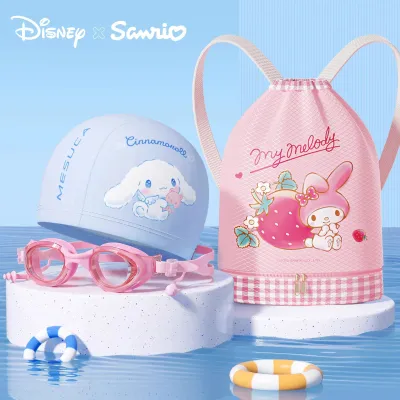
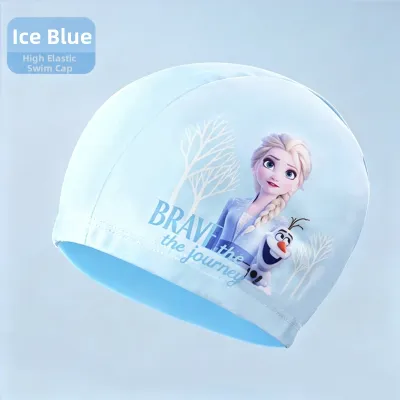
Prices are valid at publication and may change. Please refer to the product page for the latest price.

Silicone is the most popular choice for regular swimmers. It is highly durable, resistant to chlorine degradation, and offers excellent elasticity. Silicone caps are relatively easy to put on compared to latex because they do not pull on hair as aggressively. They provide a thick barrier that keeps most water out, though no swim cap is entirely waterproof.
Latex is a traditional, lightweight material that offers a very snug, hydrodynamic fit. It is thinner than silicone, making it cooler to wear in warm outdoor pools. However, latex is more prone to tearing, especially if snagged by fingernails or hairpins. It also pulls on hair during removal, which can cause discomfort for younger children, and is unsuitable for those with latex allergies.
Lycra or fabric caps are made from soft, knitted materials similar to swimsuits. They are exceptionally comfortable, easy to slip on, and do not pull on hair, making them ideal for toddlers or children with sensory sensitivities. However, fabric caps are highly porous; they let water pass through completely, offer no protection against chlorine, and can slip off easily during active swimming.
To determine the correct size, do not rely on age labels like “junior” or “youth,” as children’s head sizes vary widely. Use a flexible measuring tape to measure the circumference of your child’s head. Place the tape across the middle of the forehead, just above the ears, and around the widest part of the back of the skull. Compare this measurement in centimeters directly to the manufacturer’s specific size chart.
An improper fit is easy to identify if you know what signs to look for. A cap that is too tight will leave deep, red indentations on your child’s forehead, compress the ears uncomfortably, or cause a headache after a short period. Conversely, a cap that is too loose will bunch up at the crown, slide up over the ears, or allow water to rush in constantly, causing the cap to drag and eventually slip off entirely. You can perform a quick “pinch test” by gently pulling the material at the crown; if you can pull it more than two centimeters away from the head, the cap is likely too large.
Types of Swim Cap Brands to Consider
When searching for a swimming cap, understanding the categories of brands available in the market helps narrow down your choices based on your child’s swimming frequency and specific needs. Parents generally choose between global swimwear manufacturers, regional sports house brands, and specialty niche labels.
Global swimwear manufacturers focus on high-performance gear and standardized sizing. These brands typically use premium, medical-grade silicone that retains its shape over hundreds of swim sessions. Their kids’ lines often feature ergonomic, molded designs that mimic the natural curve of a child’s head, reducing wrinkling and pressure points. While these caps generally carry a higher price point, they offer superior durability for children swim training multiple times a week.
Regional sports retailers and house brands offer highly accessible, budget-friendly options. These brands are excellent for recreational swimmers, school swim programs, or children who frequently lose their gear. They often sell caps in multi-packs, allowing parents to keep spares in swim bags. While the material may be slightly thinner or less elastic than premium brands, they provide reliable basic performance and straightforward sizing for casual pool play.
Specialty or niche brands cater to specific requirements that standard caps do not address. For instance, some brands design extra-large or long-hair caps featuring a roomy extension at the back to accommodate braids, curls, or thick ponytails without putting pressure on the forehead. Other specialty brands focus on hypoallergenic materials, textured interior surfaces to prevent slipping, or integrated chin straps for toddlers.
When evaluating any brand, look for clear product labeling regarding material composition and sizing dimensions. Avoid brands that do not specify the exact material used, as low-quality synthetic blends can degrade rapidly in chlorinated water or cause skin irritation.
Fitting Techniques and Maintenance for Longevity
Putting a swim cap on a child can be a challenging task that often results in pulled hair or torn caps if done incorrectly. Using a systematic fitting technique ensures a pain-free experience and extends the lifespan of the gear.
Begin by having your child sit down and tuck any long hair into a loose bun or ponytail secured with a metal-free hair tie. Have the child hold the front edge of the cap against their forehead, just below the hairline. Place your hands inside the cap, palms facing inward and fingers spread, to stretch the material open. Gently pull the cap over the child’s head from front to back, letting it slide over the hair.
Once the cap is on, adjust the edges so they sit comfortably above the eyebrows and cover the upper portion of the ears. Tuck any stray strands of hair under the rim. Ensure the seam of the cap runs straight down the middle of the head, from the forehead to the nape of the neck, to maintain even tension across the material.
Proper maintenance is crucial to protect the cap from the harsh combination of chlorine, sweat, and Singapore’s high humidity. Immediately after swimming, rinse the cap thoroughly inside and out with clean, cold tap water to remove residual pool chemicals. Avoid using soap, detergents, or hot water, as these can break down the elastic properties of silicone and latex.
Dry the cap completely by wiping it with a clean towel or hanging it to air-dry in a well-ventilated indoor area. Never place a swim cap in direct sunlight, on a balcony, or near a heat source, as ultraviolet rays and high heat cause silicone to become brittle and latex to melt or stick to itself. For silicone and latex caps, lightly dusting the dry interior with talcum powder or cornstarch prevents the sides from sticking together during storage.
Regularly inspect the cap for physical signs of degradation. Micro-tears along the rim, a sticky or gummy texture, permanent stretching, or severe discoloration indicate that the material has broken down. Replace the cap immediately if you spot these signs, as a compromised cap is highly likely to tear mid-swim.
Where to Shop for Kids' Swim Gear in Singapore
Finding the right retail channel ensures you receive authentic products and have access to helpful sizing assistance. Singapore offers several convenient options for purchasing children’s swim gear, both in-person and online.
Visiting physical sports department stores or dedicated swim specialty shops is highly recommended for first-time buyers. Physical stores allow your child to touch the materials, compare different styles, and sometimes try on sample caps to verify the fit before purchasing. Retail staff can also provide valuable guidance on sizing based on your child’s head shape and hair volume.
If you prefer shopping online, purchase directly from official brand websites or authorized online marketplaces to avoid counterfeit products. Counterfeit caps often use low-grade industrial silicone or toxic dyes that can cause allergic reactions or degrade after just a few uses. Look for sellers that display official brand badges and provide detailed product specifications.
Before finalizing an online purchase, carefully review the retailer’s hygiene and return policies. Due to health and safety regulations, most physical and online stores in Singapore do not accept returns or exchanges on swimwear and swim caps once the packaging has been opened. Double-check your child’s head measurements against the brand’s size chart to ensure a correct purchase the first time.
Frequently Asked Questions (FAQ)
Do kids need a different cap for outdoor versus indoor pools?
Standard swimming caps made of silicone or latex do not provide significant thermal insulation or certified ultraviolet (UV) protection. For typical outdoor pools in Singapore, a standard bright silicone cap is sufficient for visibility and basic hair protection. However, if your child swims during peak sunlight hours or in heated indoor pools, check the manufacturer’s specifications for specialized caps. Some outdoor-focused caps feature UV-resistant coatings, while thermal caps made of neoprene are designed for cold-water environments to help retain body heat.
How often should a child's swimming cap be replaced?
There is no fixed calendar schedule for replacing a swim cap, as its lifespan depends entirely on usage frequency, material quality, and post-swim care. A child who swims recreationally once a week may use the same silicone cap for over a year. Conversely, a competitive swimmer training daily may need a replacement every few months. Instead of relying on a timeline, monitor the cap for physical indicators of wear, such as loss of elasticity, thinning spots, or tiny tears along the edges.
Are fabric caps better for kids who dislike the feel of silicone?
Fabric caps, such as those made of Lycra or spandex, are excellent alternatives for children who experience sensory discomfort from the tight grip of silicone or latex. They are soft, highly stretchable, and do not pull on hair, making the preparation process much more pleasant for sensitive kids. However, parents must note that fabric caps are highly permeable. They do not keep hair dry, offer minimal protection against chlorine absorption, and can slip off easily during vigorous swimming or diving.
Community discussion
Share your experience or ask a question. Comments are reviewed before publication.