
Selecting a trusted adult life vest brand is one of the most critical decisions you can make for water sports safety. A high-quality personal flotation device (PFD) is not merely an accessory; it is an engineered piece of survival equipment designed to keep you afloat in unpredictable waters. Whether you are kayaking through coastal mangroves, wakeboarding off Sentosa, or sailing in the open sea, your life vest must perform flawlessly under pressure.
To identify a truly reliable brand, you must look beyond flashy marketing and aesthetic designs. Trusted manufacturers distinguish themselves through rigorous safety certifications, specialized engineering for distinct water activities, and the use of premium, durable materials. By understanding the core hallmarks of reputable marine safety brands, you can confidently choose a life vest that offers both maximum protection and long-term comfort.
Core Criteria for Identifying Trusted Life Vest Brands
Reputable life vest manufacturers possess a dedicated heritage in marine safety and commercial water rescue. Unlike general fashion labels or generic outdoor brands that treat life vests as seasonal novelties, trusted brands focus exclusively on personal flotation technology. They invest heavily in research, hydrodynamic testing, and material stress analysis to ensure their products perform reliably in real-world emergencies.
Products mentioned in this guide
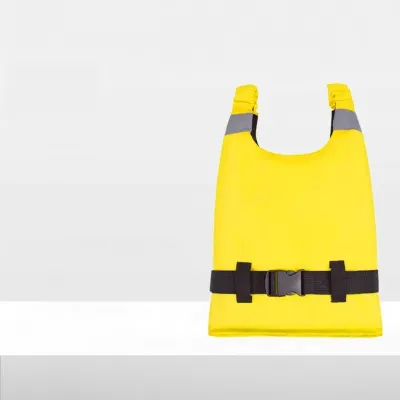
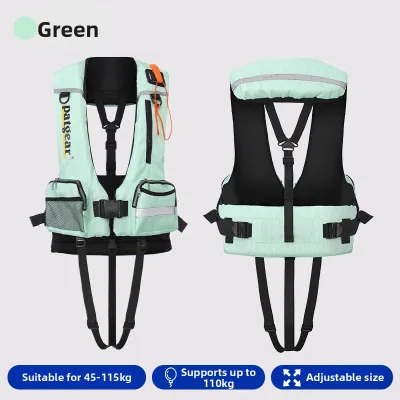
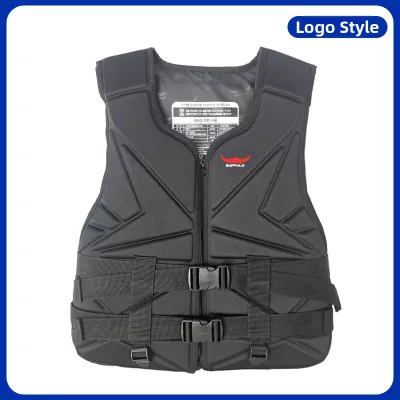
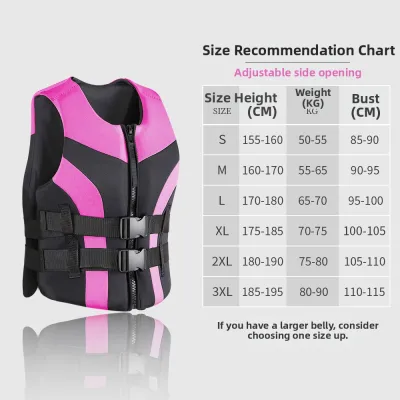
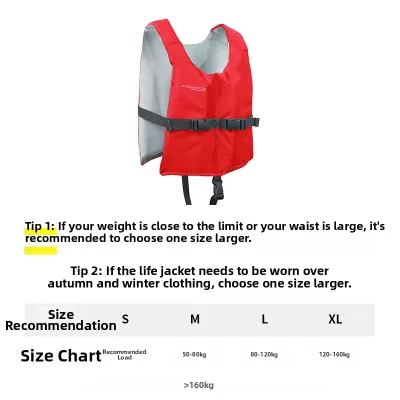
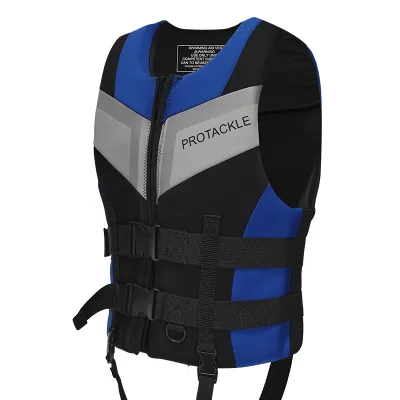
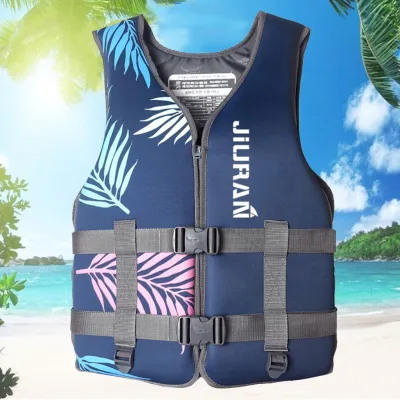
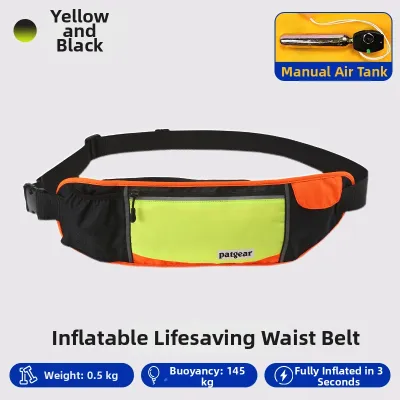
Prices are valid at publication and may change. Please refer to the product page for the latest price.
Transparency is another defining characteristic of a trusted brand. Reliable manufacturers openly publish their testing protocols, manufacturing standards, and compliance certificates. They provide comprehensive user manuals that detail weight limits, chest size ranges, and proper adjustment techniques. If a safety recall or product advisory ever occurs, a reputable brand will issue clear, public notifications and offer straightforward replacement or repair solutions.
Furthermore, trusted brands prioritize functional engineering over purely aesthetic marketing claims. While a generic fashion vest might feature trendy patterns or minimal straps to look sleek, a safety-first brand designs its vests with optimal buoyancy distribution, secure fastening systems, and ergonomic cuts. They understand that a life vest must remain securely on the wearer’s body even during high-impact water entries or in turbulent currents.
Essential Safety Certifications to Look For
When evaluating any life vest brand, official safety certifications are the most objective proof of reliability. You should never purchase a personal flotation device that lacks clear, verifiable approval marks from recognized maritime authorities. In Singapore and international waters, look for certifications from organizations such as the International Organization for Standardization (ISO), the European Conformity (CE) mark, or the United States Coast Guard (USCG).

To verify these certifications, inspect the physical product or the brand’s official specifications page. Reputable brands print or sew a detailed safety label directly onto the inside lining of the vest. This label must display the approval agency’s logo, the specific certification number, and the approved weight and chest size ranges. If this information is missing, faded, or written with spelling errors, treat the product as uncertified and unsafe.
Trusted brands also explicitly state the buoyancy rating of their vests, typically measured in Newtons (N). Understanding these performance classes is essential for matching the vest to your swimming ability and water environment:
- 50 Newtons (ISO 12402-5): Designed for competent swimmers in sheltered waters where help is close at hand. These buoyancy aids are lightweight and offer high mobility but will not turn an unconscious person face-up.
- 100 Newtons (ISO 12402-4): Suitable for calm, coastal waters. They provide moderate buoyancy and are designed to help turn an unconscious wearer face-up, though they may not perform consistently in rough seas.
- 150 Newtons (ISO 12402-3): Engineered for offshore and coastal use where rough waters may be encountered. These vests offer high buoyancy and are highly reliable in turning an unconscious person to a safe floating position.
Aligning Brand Specialization With Your Water Activity
A trusted life vest brand recognizes that a single design cannot suit every water sport. They offer specialized product lines engineered for specific levels of physical exertion, mobility requirements, and water conditions. Before choosing a brand, evaluate whether their product range aligns with your primary water activities.
For active water sports like kayaking, stand-up paddleboarding, or canoeing, you require a high-mobility design. Specialized brands engineer these vests with large armhole clearances, narrow shoulder straps, and low-profile waist cuts to prevent chafing and allow a full range of motion during paddling. Many of these vests also feature high-back foam panels designed to clear the tall seat backs of modern recreational kayaks.
In contrast, high-speed water sports such as wakeboarding, jet skiing, or water skiing demand impact-rated vests. Trusted brands design these vests with multiple heavy-duty webbing straps, reinforced side panels, and dense, shock-absorbing foam. These features help protect your torso from the force of high-velocity water entry and ensure the vest remains securely fastened during a fall.
For passive flotation, such as general boating, coastal sailing, or leisure snorkeling, a standard recreational life vest is appropriate. These designs focus on maximum buoyancy and long-term comfort during periods of inactivity. A reputable brand will clearly categorize their inventory by activity, helping you avoid the dangerous mistake of using a low-mobility boating vest for high-exertion paddle sports.
Design and Material Hallmarks of High-Quality Vests
The physical construction of a life vest is a direct reflection of a brand’s commitment to quality. Premium manufacturers utilize high-grade flotation foam, such as Polyvinyl Chloride (PVC) or Nitrile Butadiene Rubber (NBR). PVC foam is highly flexible, soft, and contours naturally to the shape of the wearer’s body, providing exceptional comfort during long hours on the water. While Polyethylene (PE) foam is more rigid, it is highly durable and cost-effective, often used in reliable utility or commercial-grade vests.
Hardware quality is another critical indicator of a trusted brand. Look for heavy-duty, corrosion-resistant zippers, such as marine-grade plastic or coated metal closures, which are essential for resisting the damaging effects of salt water and tropical humidity. Buckles should be constructed from robust, impact-resistant polymers that click securely into place and resist UV degradation. Additionally, the load-bearing straps must be made of thick, tightly woven webbing, secured to the vest body with reinforced box-stitch or bar-tack sewing patterns.
Visibility is a vital safety feature that high-quality brands never overlook. Trusted vests often incorporate high-visibility color panels, such as safety orange, bright yellow, or neon green, which make the wearer easily visible to boaters and rescue personnel. Many premium designs also feature integrated retroreflective taping that reflects light over long distances, significantly improving safety during low-light conditions or evening excursions.
Verifying Authenticity and Quality Before Purchase
To ensure your safety gear is genuine and reliable, always purchase your life vest through authorized retailers, official brand stores, or established sporting goods outlets. Avoid buying safety equipment from unverified third-party sellers on online marketplaces or discount ecommerce platforms. Counterfeit or uncertified vests often mimic the appearance of trusted brands but use cheap, non-buoyant packaging foam and weak stitching that can fail catastrophically in the water.
Once your life vest is delivered, perform a thorough physical inspection before taking it into the water. Use this simple quality checklist to verify its integrity:
- Label Verification: Check the inner safety label for clear, legible printing, official certification numbers, and accurate contact information for the manufacturer.
- Hardware Test: Zip and unzip all closures multiple times to ensure smooth operation. Fasten and unfasten every buckle, checking for a firm, secure click and ensuring the straps do not slip when pulled under tension.
- Stitching Inspection: Examine all seams, strap attachment points, and zipper tracks for uniform, tight stitching. Look for any loose threads, frayed webbing, or uneven seams that could indicate poor quality control.
- Foam Consistency: Feel the flotation panels to ensure the foam is evenly distributed, free of lumps, and firmly secured within the fabric shell.
Finally, review the manufacturer’s warranty terms and customer support options. A trusted brand stands behind its safety products, typically offering a comprehensive warranty against material and manufacturing defects. They should also provide responsive customer support channels to assist you with sizing inquiries, fit adjustments, or safety-related questions. Investing S$80 to S$200 in a certified, genuine life vest from a reputable brand is a small price to pay for peace of mind and reliable protection on the water.
Frequently Asked Questions (FAQ)
How often should I replace a life vest from a trusted brand?
While high-quality life vests are built to last, they do not have an indefinite lifespan. Most manufacturers recommend replacing a recreational life vest every 5 to 10 years, depending on how frequently it is used and how well it is maintained. You must inspect your vest regularly and retire it immediately if you observe signs of physical degradation. These signs include compressed or crunchy flotation foam, torn outer fabric, faded or brittle materials from UV exposure, rusted zippers, or cracked plastic buckles. Proper care, such as rinsing the vest with fresh water after salt-water use and drying it in a shaded, well-ventilated area, will help maximize its functional lifespan.
Do reputable brands offer life vests that fit all adult body types?
Yes, trusted brands design their life vests to accommodate a wide range of adult body shapes and sizes. They achieve this by offering multiple adjustment points—often featuring three to six adjustable straps—to customize the fit around your torso. Many reputable manufacturers also provide extended sizing options, ranging from extra-small to multi-XL sizes, as well as gender-specific cuts. Women’s life vests, for example, often feature princess seams and molded foam panels to provide a comfortable, secure fit without restricting movement. When trying on a vest, always perform a physical lift test: tighten all straps, have a partner pull up firmly on the shoulder straps, and ensure the vest does not slide up past your chin or ears.
Community discussion
Share your experience or ask a question. Comments are reviewed before publication.