
Finding a versatile ball pump needle that works seamlessly across basketballs, footballs, and volleyballs comes down to understanding standard dimensions and connection types. While many products claim universal compatibility, the key is selecting a needle with a standard thread size, a smooth finish, and a durable material that won’t snap inside the valve. By focusing on these physical specifications, you can easily inflate different sports balls using a single, reliable tool.
Investing in a high-quality needle prevents damage to your sports equipment and ensures efficient inflation. A poorly made needle can leak air, bend under pressure, or even tear the internal bladder of your ball, leading to costly replacements. Understanding what makes a needle truly versatile will help you maintain your gear in peak condition.
Understanding Valve Types Across Different Sports Balls
Most standard sports balls—including basketballs, footballs, netballs, and volleyballs—rely on a self-sealing rubber or butyl rubber valve. This valve is integrated into the inner bladder of the ball, designed to stretch open when a needle is inserted and contract tightly to seal in air once the needle is withdrawn. Because these valves share a similar internal structure, a single standard needle can typically service all of them.
Products mentioned in this guide
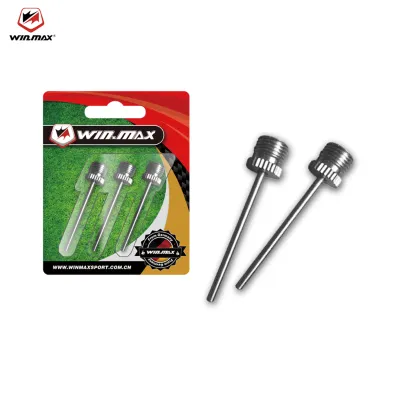
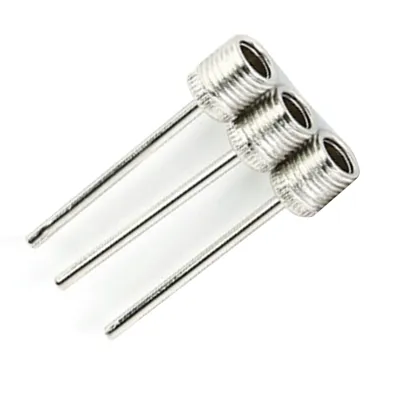
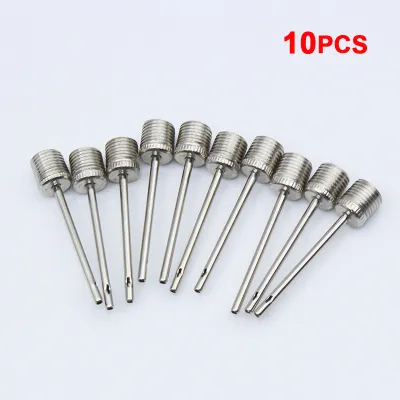
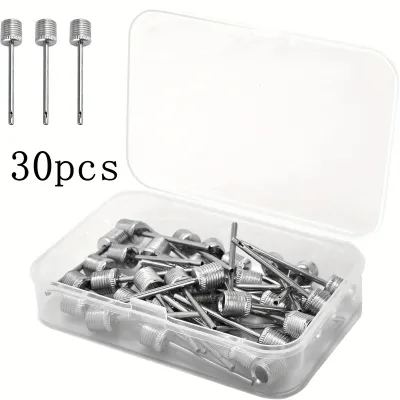
![⭐️ [SG SELLER] ⭐️ 10 x Sport Football Basketball Soccer Ball Inflating Pump Needle Adaptor](https://img.lazcdn.com/g/p/6023a55ca888e275b15b52739c5a59c6.jpg_400x400q80.jpg_.webp)
![[SG STOCK] Ball Air Pump with Needle](https://img.lazcdn.com/g/p/68529c3a4e15f53d0ddf08e7dc2c6925.png_400x400q80.png_.webp)
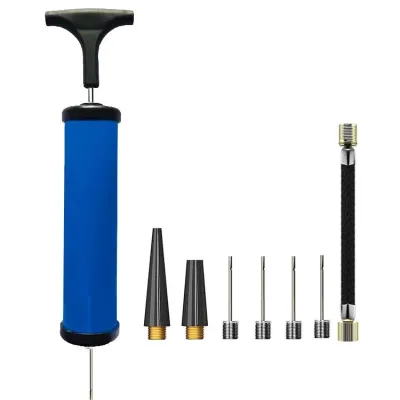
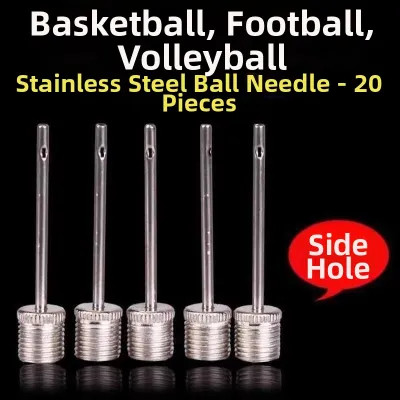
Prices are valid at publication and may change. Please refer to the product page for the latest price.
However, there are structural differences between standard sports ball valves and specialized valves used in other inflatables. For example, bicycle tires use Presta or Schrader valves, which require threaded pump heads or specific brass adapters rather than a hollow needle. Large inflatables like pool floats, air mattresses, or yoga balls utilize wide-bore plastic pinch valves or Boston valves. Attempting to force a thin metal sports needle into these larger openings will fail to create a seal and can permanently damage the valve structure.
Before inserting any needle, it is essential to visually inspect and clean the ball’s valve opening. In outdoor environments, such as Singapore’s neighborhood courts or sandy beach volleyball pitches, dirt, grit, and moisture easily accumulate in the small recess of the valve. Inserting a needle into a dirty valve pushes debris directly into the inner bladder, which can cause slow, irreparable air leaks. Gently wipe the valve opening with a clean, damp cloth and use a small brush or toothpick to clear out any visible particles before proceeding.
Key Physical Features of a Versatile Pump Needle
When shopping for a versatile pump needle, material composition is your first line of defense against equipment failure. Stainless steel is the gold standard for sports needles, offering high tensile strength that resists the bending forces occurring when a pump hose is pulled at an angle. Brass is another common option, often nickel-plated for extra corrosion resistance. In highly humid climates like Singapore, low-grade steel needles rust quickly, which can degrade the inner rubber of the ball valve during insertion. Avoid cheap, brittle plastics for high-pressure sports balls, as they lack the structural integrity to pierce tight rubber valves safely.

Needle length and thickness variations are also critical to protect the ball’s inner bladder. Standard sports needles typically measure around 38mm in length with an outer diameter of approximately 2mm. This length is carefully calibrated to pass completely through the outer casing and the self-sealing rubber valve into the inner bladder without stretching or tearing the inner valve. If a needle is too thick, it will stretch the valve permanently, leading to slow leaks. If it is too thin, it may bend under pressure or restrict airflow, making inflation unnecessarily tedious.
The base connection type determines how securely the needle matches your pump nozzle. Most pump needles feature a standard 5/16-inch screw thread, often referred to as a standard thread. This allows them to screw directly into hand pumps, dual-action pumps, and flexible hose extensions. Some pumps use a push-fit or thumb-lock mechanism, where a collar clamps down on the smooth base of the needle. A truly versatile needle should have a standard threaded base that can also fit securely into these clamp-style pump heads. While a single needle is inexpensive, investing in a multi-pack of quality stainless steel needles typically costs between S$5 and S$12, providing excellent value and ensuring you always have a spare on hand.
Finally, pay close attention to the tip of the needle. The tip must be perfectly smooth and rounded, with a side-port opening rather than a sharp, jagged edge. A rough tip or a needle with manufacturing burrs acts like a tiny blade, slicing the delicate rubber walls of the valve. Always run your finger gently over the tip of a new needle to verify it is completely smooth before using it on an expensive sports ball.
How to Verify Universal Compatibility Claims
Many manufacturers label their products as “universal ball pump needles,” but this is often a marketing simplification. No single needle can inflate every type of inflatable. A standard needle is universal only for sports balls with rubber bladder valves. It will not work for items requiring high-volume low-pressure air (like large pool toys) or high-pressure mechanical valves (like bicycle tires). Understanding these limits prevents you from damaging your equipment.
To verify compatibility, check the product labels, packaging, and manufacturer specifications for explicit ball type compatibility lists. A reliable manufacturer will explicitly list compatible ball types, such as basketballs, soccer balls, rugby balls, and volleyballs. They should also specify the thread size so you can match it to your existing pump. If a product listing lacks these basic dimensions and simply promises to “inflate everything,” treat it with caution.
Another feature to look for is the presence of O-rings or rubber seals at the needle base. This small rubber or silicone gasket is critical for preventing air leakage and maintaining pressure during inflation. Without a proper seal, air will escape through the connection point between the pump and the needle, making inflation highly inefficient and making it difficult to gauge the ball’s actual pressure.
If you encounter significant resistance when inserting the needle, stop immediately. A needle should slide in with moderate pressure. Forcing a needle can tear the valve or push the entire valve housing into the ball’s bladder. If the needle feels loose, fails to hold air, or causes the valve to distort or bulge, remove it and consult the manufacturer’s guidelines for both the ball and the pump.
Safe Inflation Techniques and Needle Maintenance
Proper technique is just as important as choosing the right needle. It is highly recommended to moisten the needle with water or a manufacturer-approved valve lubricant before insertion. This reduces friction and prevents the needle from tearing or dislodging the internal rubber seal. While water or saliva is a common field solution, a drop of specialized valve oil, silicone lubricant, or glycerin is ideal for maintaining the elasticity of the rubber valve over time.
When inserting or removing the needle, always maintain a straight alignment. Avoid tilting the pump or pulling the hose at an angle, as this places lateral stress on the needle, causing it to bend or snap. If you are using a rigid hand pump without a flexible hose, hold the ball and the pump firmly with both hands to minimize movement during the pumping stroke.
Routine cleaning and thorough drying of the needle after use will significantly extend its lifespan. After exposure to outdoor elements, moisture, or dirt, wipe the needle clean with a dry cloth to remove any residue. In Singapore’s tropical climate, leaving moisture on a metal needle can lead to rapid oxidation and rust, even on stainless steel. Ensure the needle is completely dry before storing it away.
Proper storage practices prevent bending, rusting, or misplacing your needles. Store them in a dedicated protective case, a small pouch, or the storage compartment built into your pump. Leaving needles loose in a sports bag exposes them to heavy gear, which can easily bend or break them. Using protective plastic caps on the tips also prevents them from scratching other equipment or puncturing your bag.
Frequently Asked Questions (FAQ)
Can I use a standard ball pump needle for bicycle tires or pool floats?
No, standard sports ball pump needles are not compatible with bicycle tires or pool floats due to structural differences in their valve mechanisms. Bicycle tires use Schrader or Presta valves, which require a direct clamp or threaded pump head to depress an internal pin or unscrew a locknut. Pool floats use wide plastic valves designed for high-volume, low-pressure air. A sports needle is too narrow, lacks the correct interface, and cannot deliver the volume of air needed, potentially damaging the valve or the pump.
How do I know if my pump needle is too long or too short for a specific ball?
A standard needle (about 38mm) is designed for typical sports balls. If a needle is too short, it won’t penetrate past the valve housing into the bladder, resulting in air escaping around the pump head. If a needle is excessively long (over 50mm), it risks piercing the opposite side of the inner bladder when fully inserted, especially if the ball is highly deflated. Always check that the needle length matches standard sports specifications.
What should I do if the needle breaks off inside the ball valve?
If a needle snaps, stop inflating immediately. Do not attempt to push the broken piece further in, and avoid using sharp metal tools like tweezers or pliers blindly, as this will permanently ruin the self-sealing rubber valve. If a small portion of the needle is protruding, you can try to gently pull it straight out with needle-nose pliers. If it is completely flush or pushed inside, consult a professional sports equipment repair service or contact the ball manufacturer for guidance.
Community discussion
Share your experience or ask a question. Comments are reviewed before publication.