
Finding a single cycle pump that can service a diverse collection of bicycles, sports gear, and recreational inflatables is a practical way to save storage space and reduce clutter. In Singapore, where high-rise apartment living makes efficient storage a priority, owning one versatile tool is highly advantageous. To find the right pump, you must evaluate your household’s specific mix of valve types, pressure requirements, and storage constraints.
An effective multi-purpose pump must seamlessly adapt to different valve standards while delivering the correct volume and pressure for each application. This guide provides a clear framework to help you assess your inflation needs, compare pump designs, and select a durable tool that keeps all your equipment ready for use.
Quick Guide to Selecting a Multi-Purpose Cycle Pump
Selecting a versatile cycle pump begins with a quick audit of the items you need to inflate. Bicycles, sports balls, and inflatable toys all use different connection points and require vastly different air volumes and pressures. Identifying these variables upfront prevents compatibility issues later.
Products mentioned in this guide
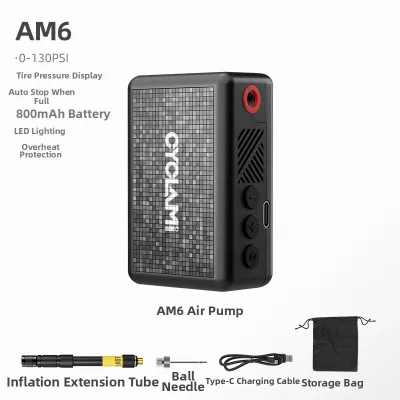
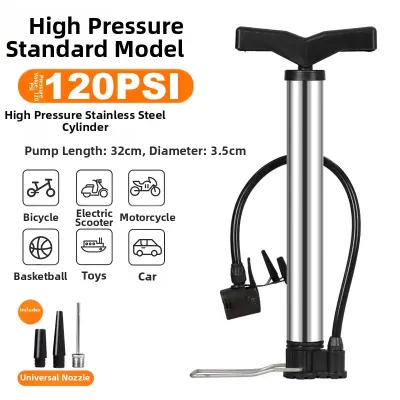
![[LOCAL SELLER] ROCKBROS A320 120PSI Bicycle Air Pump Aluminum Alloy Bike Mini Pump for Balloon Football Basketball Bicycle](https://img.lazcdn.com/g/p/4cdf88dce9570556e1ae5796568391e5.png_400x400q80.png_.webp)
![[LH7W] Bike Air Pump Portable Bicycle Pump Hand Air Pumps with Schrader Valve for Bike Tires Balls Balloons](https://img.lazcdn.com/g/p/a25ed6b70dc7d6221dfcf03b31a98d23.jpg_400x400q80.jpg_.webp)
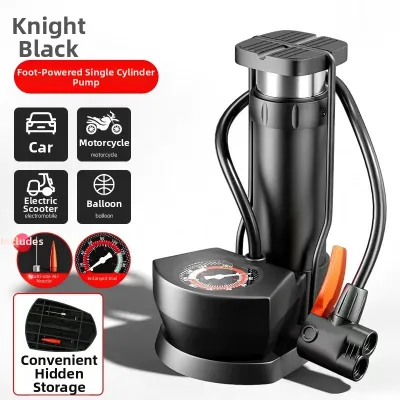
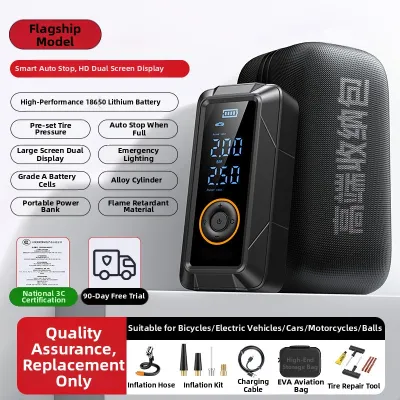
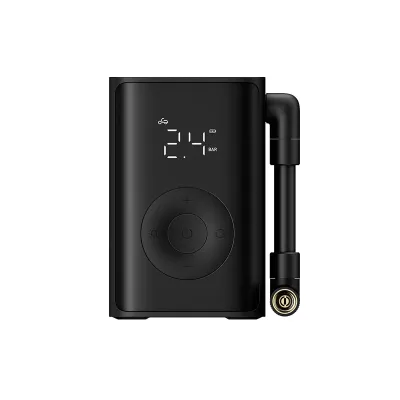
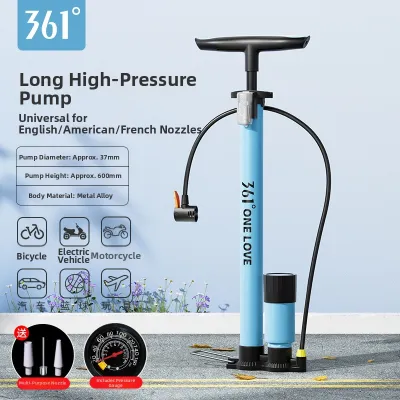
Prices are valid at publication and may change. Please refer to the product page for the latest price.
First, identify the primary valve types across your gear. Most modern bicycles use either Presta or Schrader valves, while older utility bikes might feature Dunlop valves. Sports equipment and inflatable toys require specialized needles or plastic adapters.
Second, determine the maximum pressure required for your highest-pressure tires. Road bikes often require pressures up to 100 PSI or higher, whereas mountain bikes, city hybrids, and sports balls typically operate at much lower pressures, often between 10 and 50 PSI.
Finally, decide where you will use the pump most frequently. A robust floor pump is ideal for efficient home maintenance and garage use, while a compact mini pump is essential for carrying on rides to handle unexpected punctures.
Matching Valve Types and Pressure Requirements
To ensure your cycle pump can service every item in your household, you must understand the mechanical differences between common valve types. Connecting a pump head incorrectly can damage the valve stem, bend internal pins, or cause rapid air loss.

Understanding Valve Mechanics
- Presta Valves: These slender, threaded metal valves are standard on most road, gravel, and high-end mountain bikes. They feature a small lock nut at the tip that must be unscrewed before inflation to allow air to enter.
- Schrader Valves: Wider than Presta valves, these are identical to the valves found on car tires. They contain a spring-loaded central pin that must be depressed by the pump head to allow airflow, making them common on utility bikes, children's bikes, and many e-scooters.
- Dunlop Valves: Also known as Woods valves, these are frequently found on traditional city bikes and imported utility bicycles. They share a similar diameter to Schrader valves but utilize a collar and internal sleeve mechanism to retain air.
Modern multi-purpose pumps accommodate these variations using specialized head designs. Dual-head pumps feature two distinct ports side-by-side, allowing you to insert either a Presta or Schrader valve into the corresponding opening. Smart-head designs use a single internal chamber that automatically adjusts its seal diameter to match whichever valve stem is inserted. Thread-on heads require you to manually flip or thread an internal adapter to switch between standards, providing a highly secure connection that minimizes air leakage under high pressure.
Matching the pump’s pressure capabilities to your equipment is equally critical. High-pressure road tires require a pump with a narrower internal barrel, which reduces the physical force needed to push air against high resistance. Conversely, high-volume mountain bike tires or large recreational inflatables benefit from a wider barrel that moves more air per stroke, though these barrels struggle to reach high pressures. Always check the manufacturer’s maximum PSI rating on the pump barrel to ensure it exceeds the highest pressure requirement in your gear collection.
Floor Pumps vs. Portable Pumps for Multi-Use Scenarios
Choosing between a stationary floor pump and a portable mini pump involves balancing inflation speed, physical effort, and portability. Each design serves a distinct role in a cyclist’s maintenance routine.
Floor pumps, also known as track pumps, are the gold standard for home maintenance. Their long, wide barrels move a substantial volume of air with each stroke, allowing you to inflate a tire in seconds. They feature a wide, stable base that you step on to keep the unit steady, and a long flexible hose that easily reaches valves even when the bicycle is mounted on a repair stand. Furthermore, floor pumps almost always include large, elevated pressure gauges that are easy to read from a standing position, ensuring precise inflation.
Portable mini pumps are designed for emergency use on the road or trail. They are compact enough to fit into a jersey pocket or mount directly to your bicycle frame. While highly adaptable, their small chamber volume means inflating a tire requires hundreds of manual strokes, which can be physically exhausting. Additionally, mini pumps often lack a flexible hose, meaning the pump head connects directly to the valve stem. This rigid connection requires careful handling, as vigorous pumping motion can easily bend or snap a delicate Presta valve stem.
CO2 inflators offer an alternative for rapid, effortless inflation during a ride. These pocket-sized devices use pressurized carbon dioxide cartridges to inflate a tire in a fraction of a second. However, they are single-use items and do not allow for precise pressure adjustments. Because CO2 gas escapes through rubber inner tubes much faster than atmospheric air, tires inflated with CO2 must be deflated and pumped with regular air within 24 hours. Consequently, CO2 inflators are supplementary tools and cannot replace a dedicated cycle pump for regular multi-purpose use.
Essential Features for Versatility and Durability
When evaluating multi-purpose cycle pumps, focusing on specific construction details and functional features ensures you invest in a tool that performs reliably over years of frequent use.
An integrated pressure gauge is indispensable for maintaining correct inflation levels across different equipment. Analog gauges are highly reliable and do not require batteries, though you should look for models with large, high-contrast dials and adjustable target markers. Digital gauges offer precise decimal readings, which is particularly useful for low-pressure applications like tubeless mountain bike tires where a difference of 1 or 2 PSI significantly impacts traction and handling.
The materials used in a pump’s construction directly influence its stability and lifespan. Steel or high-grade aluminum barrels resist flexing and internal wear during high-pressure pumping. In contrast, thin plastic barrels can warp under heat and pressure, leading to internal air bypass and reduced efficiency. The base of a floor pump should ideally be made of cast iron, steel, or wide composite material to prevent tipping. Ergonomic handles made of dual-density rubber or varnished wood provide a secure, comfortable grip that reduces hand fatigue.
To maximize versatility, look for pumps that include dedicated accessory storage. Many models feature small clips on the hose or integrated compartments in the handle to hold inflation needles for basketballs and soccer balls, alongside tapered plastic nozzles for air mattresses and pool toys. Having these adapters securely attached to the pump ensures they are always accessible when needed and prevents them from getting lost in storage drawers.
Building Your Shortlist: Evaluating Pump Candidates
Before purchasing a cycle pump, creating a structured checklist helps you systematically compare different models against your household’s specific requirements.
Step-by-Step Evaluation Framework
- Inventory Your Gear: List every item in your home that requires inflation, noting its valve type and recommended operating pressure range.
- Verify Valve Compatibility: Ensure the candidate pump natively supports Presta and Schrader valves without requiring external screw-on adapters that are easily misplaced.
- Check Maximum Pressure Ratings: Confirm the pump's rated maximum PSI is at least 10% higher than the maximum pressure you intend to use.
- Assess Gauge Placement and Readability: For floor pumps, choose models with gauges mounted near the top of the barrel or featuring large, clear markings at the base.
- Investigate Replacement Part Availability: High-quality pump manufacturers offer replaceable internal O-rings, replacement hoses, and rebuildable pump heads, allowing you to repair the pump rather than replacing the entire unit if a seal wears out.
By cross-referencing your personal inventory with manufacturer specifications, you can eliminate unsuitable models and focus on durable options that offer the exact balance of volume, pressure, and connection types you need.
Safe Operation and Routine Maintenance
Proper operating techniques and regular maintenance protect your equipment from damage and extend the service life of your cycle pump.
When connecting the pump head to a valve, ensure the stem is clean and free of debris. For Presta valves, unscrew the lock nut completely and tap the tip once to release any stuck seals before sliding the pump head on straight. Push the pump head firmly onto the valve stem before engaging the locking lever. When removing the head, release the lever and pull the connector straight off the valve in a swift, controlled motion to avoid bending the delicate internal valve core.
Singapore’s warm, humid climate can accelerate the degradation of rubber components. Periodically inspect the pump hose for dry rot, cracks, or deep kinks that could rupture under pressure. To keep the internal piston moving smoothly, apply a few drops of silicone lubricant inside the barrel annually; avoid petroleum-based oils, as they can degrade the rubber O-rings and internal seals. Keep the pressure gauge face clean and store the pump in a cool, dry indoor location away from direct sunlight.
Stop using the pump immediately if you observe sudden pressure drops during a stroke, physical cracks in the barrel or base, or if the pressure gauge needle fails to return to zero. Operating a damaged pump can lead to sudden component failure, potentially causing injury or damaging your bicycle wheels.
Frequently Asked Questions (FAQ)
Can I use a standard bike pump to inflate a stand-up paddleboard (SUP)?
Standard cycle pumps are not suitable for inflating stand-up paddleboards. While some high-pressure cycle pumps can reach the 12 to 15 PSI required by an SUP, they move a very small volume of air per stroke. Attempting to fill a large-volume paddleboard with a bicycle pump would require thousands of strokes, taking an impractical amount of time and potentially causing the pump to overheat and fail. SUPs require dedicated high-volume, low-pressure pumps designed specifically for large inflatables.
Do I need an adapter to switch between Presta and Schrader valves?
Whether you need an adapter depends entirely on your pump’s head design. Most modern multi-purpose cycle pumps feature dual-port heads or smart-heads that accommodate both Presta and Schrader valves natively without any extra parts. However, if you own an older or basic pump that only features a single Schrader port, you will need a small, inexpensive brass Presta adapter. This adapter screws onto the Presta valve stem, temporarily converting it to a Schrader profile so the pump can connect securely.
Community discussion
Share your experience or ask a question. Comments are reviewed before publication.