
Choosing the right recovery tools is essential for maintaining peak performance and preventing injuries, especially for runners navigating the humid climate and hard concrete pavements of Singapore. A vibrating massage ball combines localized pressure with rapid mechanical oscillations to target deep muscle tension, increase local blood circulation, and accelerate recovery after demanding runs along the East Coast Park or through the MacRitchie Reservoir trails. By understanding how vibration interacts with fatigued muscle tissue and evaluating key technical specifications, you can select a tool that fits your specific recovery needs and budget.
Unlike standard foam rollers or manual lacrosse balls, a vibrating massage ball desensitizes pain receptors temporarily, allowing you to work on tight trigger points with less acute discomfort. This guide outlines the essential features to look for, how to match different ball sizes to your muscle groups, and how to verify product specifications when shopping at local sports retailers or online marketplaces in Singapore.
Understanding the Role of Vibration in Running Recovery
Standard massage balls rely entirely on manual pressure and your own body weight to compress muscle tissue. While effective, this direct pressure can sometimes cause intense discomfort, leading muscles to tense up defensively rather than relax. Vibrating massage balls introduce rapid mechanical oscillations that stimulate sensory receptors in the skin and muscles. This stimulation helps override pain signals sent to the brain—a phenomenon known as the gate control theory of pain—making deep-tissue release significantly more comfortable and effective.
Products mentioned in this guide
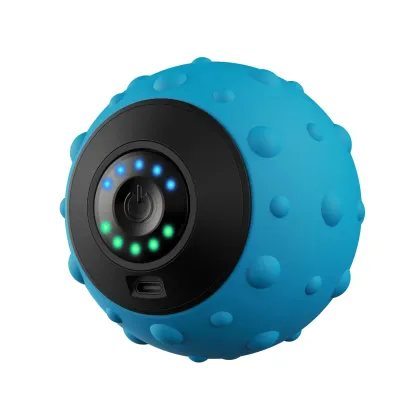
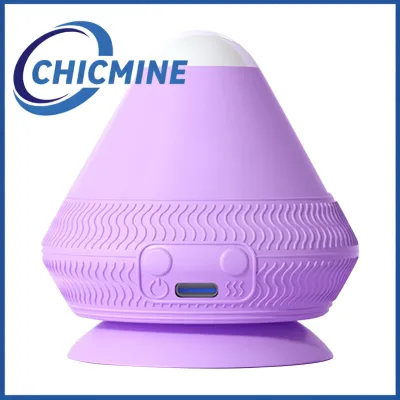
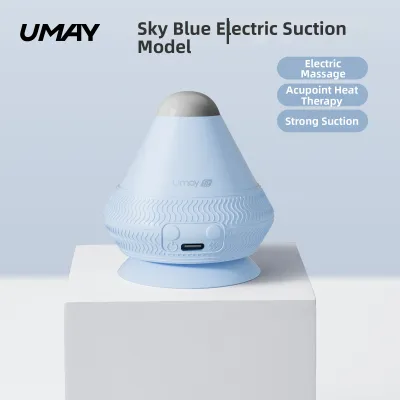
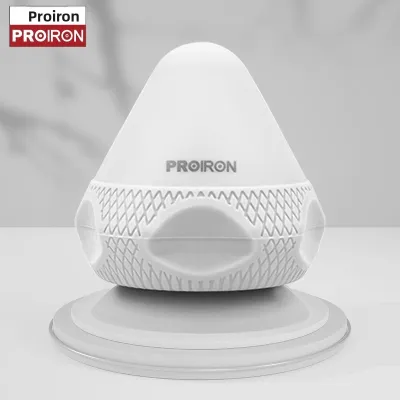
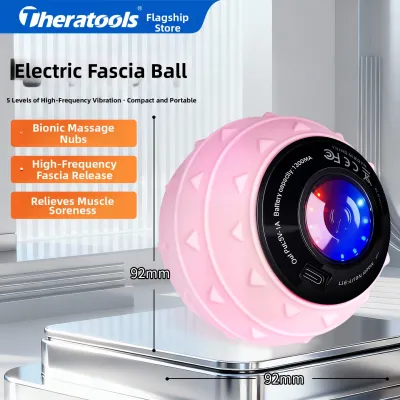
Prices are valid at publication and may change. Please refer to the product page for the latest price.
For runners, this combination of vibration and pressure is particularly beneficial for targeting high-tension areas. The calves, glutes, hamstrings, and the arches of the feet bear the brunt of the impact during road running. Applying localized vibration to these areas helps stimulate blood flow, which delivers oxygen and nutrients to fatigued tissues while assisting in the removal of metabolic waste products accumulated during long runs.
Integrating a vibrating massage ball into your routine requires distinguishing between pre-run preparation and post-run recovery. Before a run, using a low-frequency setting for 30 to 45 seconds per muscle group can help wake up the nervous system, increase local tissue temperature, and improve joint range of motion without fatiguing the muscle. After a run, a medium-to-high frequency setting applied for 1 to 2 minutes per area helps alleviate post-exercise muscle tightness and addresses localized trigger points that develop from repetitive stride patterns.
Key Technical Features to Evaluate Before Buying
When evaluating different vibrating massage balls, the frequency and intensity settings are the most critical factors. Look for devices that offer at least three distinct speed levels. Low frequencies (around 20 to 30 Hz) are ideal for sensitive areas, superficial muscle layers, and pre-run warm-ups. Higher frequencies (40 Hz and above) provide the deep, penetrating mechanical action required to reach larger, denser muscle groups like the glutes and quadriceps. Having multiple speed options ensures you can customize the treatment based on your daily soreness levels.

Battery life and charging convenience are equally important, especially if you plan to carry the device in your gym bag or use it immediately after a track session. Opt for models equipped with rechargeable lithium-ion batteries that offer at least 90 to 120 minutes of continuous runtime on a single charge. USB-C charging capability is highly advantageous, as it allows you to recharge the device using standard phone chargers, power banks, or laptop ports without needing to carry a proprietary power adapter.
Material density and surface texture directly influence how the ball grips your skin and transfers vibration. High-density silicone and textured ethylene-vinyl acetate (EVA) foam are the most common materials. Silicone offers excellent durability, a firm feel, and a high-grip surface that prevents the ball from slipping when placed against a wall or floor. Textured surfaces, such as deep grooves or raised ridges, help channel pressure into specific muscle fibers and provide additional myofascial release as you roll.
Noise levels and motor quality determine where and when you can comfortably use the device. A high-quality brushless motor is essential for quiet operation, typically keeping noise levels below 50 to 60 decibels. A quiet motor allows you to use the massage ball in shared spaces, office environments, or at home while watching television without causing a distraction. Brushless motors also tend to have a longer lifespan and provide more consistent vibration amplitude under heavy body weight.
Matching Ball Size and Texture to Specific Muscle Groups
Selecting the right physical dimensions and shape is crucial for targeting the specific muscle groups that affect your running stride. Vibrating massage balls generally fall into three categories: standard spheres, mini spheres, and specialized double-ball or peanut designs.
- Standard Spheres (3.5 to 5 inches / 9 to 12 cm): These larger spheres are highly versatile and excel at treating broad, dense muscle groups. They are ideal for rolling out the glutes, piriformis, hamstrings, and quadriceps. The larger surface area distributes your body weight more evenly, preventing the pressure from becoming overwhelmingly intense on highly fatigued muscles.
- Mini Spheres (2 to 3 inches / 5 to 7.5 cm): Smaller spheres target precise, localized trigger points. They are highly effective for deep work in the calves (gastrocnemius and soleus) and the arches of the feet. Because the pressure is concentrated over a smaller area, these require careful positioning and a gradual application of body weight.
- Peanut or Double-Ball Designs: These specialized shapes feature two spheres joined together with a central recess. This design is specifically engineered to roll along bilateral muscle groups, such as those running parallel to the spine, the Achilles tendon, or the neck, while keeping direct, painful pressure off the bones themselves.
Firmness is another key consideration. If you are new to vibration therapy or have highly sensitive muscles, a model with a slightly cushioned EVA foam exterior is a safer starting point. Experienced runners or those with dense musculature may prefer a solid, high-density silicone ball that does not compress under heavy load, ensuring the vibration penetrates deep into the muscle tissue.
Building Your Shortlist: Retailer Checks and Spec Verification
Because the market features a wide range of recovery tools, building a reliable shortlist requires careful verification of product specifications and retailer policies. When shopping in Singapore, prioritize retailers that offer clear warranty terms and local customer support. Electronic recovery devices contain motors and lithium-ion batteries that can occasionally experience technical faults. A local warranty of 6 to 12 months ensures you can easily obtain a replacement or repair without dealing with expensive international shipping fees.
Always verify the technical specifications on the manufacturer’s official website rather than relying solely on generic descriptions found on online marketplaces. Look for explicit details regarding the battery capacity (measured in milliampere-hours or mAh), motor power, and weight-bearing capacity. A reputable manufacturer will clearly state these metrics, whereas lower-quality alternatives often use vague marketing terms like “ultra-powerful” or “long-lasting” without providing concrete numbers.
Consider the budget versus feature trade-offs to find the best value for your needs. Basic single-speed vibrating balls are often budget-friendly but lack the versatility required for different muscle groups and recovery phases. Mid-range to premium models, typically ranging from S$80 to S$200+, offer variable speed settings, quiet brushless motors, high-density materials, and robust local warranties. Investing in a well-constructed, multi-speed device generally yields better long-term durability and a more comfortable recovery experience.
Safe Usage Limits and Maintenance Routines
While vibrating massage balls are highly effective, improper use can lead to tissue bruising, nerve irritation, or muscle soreness. To ensure safe and productive recovery sessions, adhere to established usage limits and maintenance routines.
Limit your application to 60 to 90 seconds per specific muscle spot. Instead of staying stationary on a single tender point for too long, slowly glide the ball across the muscle fibers at a rate of about one inch per second. If you encounter a highly sensitive trigger point, pause and let the vibration work on the area for no more than 30 seconds before moving on. Total body recovery sessions should generally not exceed 15 to 20 minutes.
Avoid applying direct pressure to bones, joints, or major nerve pathways. For example, do not roll directly over the kneecap, the shinbone, the hip bones, or the vertebrae of the spine. Vibration therapy is strictly contraindicated for acute injuries such as muscle tears, ligament sprains, bone fractures, or open wounds. If you experience sharp, shooting pain, numbness, or tingling during use, stop immediately and consult a qualified healthcare professional.
Proper maintenance is essential to protect the internal electronics from sweat and moisture damage. Always turn off and unplug the device before cleaning. Wipe the exterior surface thoroughly using a damp, soft cloth with a small amount of mild soap or a non-alcohol disinfectant wipe. Never submerge the device in water or rinse it under a running tap, as water ingress can permanently damage the motor and battery. Allow the ball to air dry completely in a cool, shaded place before charging or storing it in your gym bag.
Frequently Asked Questions (FAQ)
Can I use a vibrating massage ball on the plantar fascia?
Yes, you can use a vibrating massage ball on the plantar fascia, but you must control the pressure carefully. Place the ball on the floor and gently rest the arch of your foot on top while seated in a chair. This position allows you to regulate how much weight you apply. Avoid standing fully on a small vibrating ball, as the concentrated pressure can strain the delicate plantar fascia ligament. Limit the session to 30 to 60 seconds per foot. If you experience sharp, stabbing heel pain—especially first thing in the morning—stop using the device and seek advice from a physiotherapist or podiatrist, as this may indicate acute plantar fasciitis.
How do I clean a vibrating massage ball after a sweaty run?
To clean your vibrating massage ball, wipe the outer surface with a soft cloth slightly dampened with water and a mild, diluted dish soap. Alternatively, you can use a gentle, alcohol-free sanitizing wipe. Avoid using harsh chemical solvents, bleach, or highly concentrated alcohol, as these substances can degrade the silicone or foam exterior over time. Take extra care to ensure that no moisture seeps into the charging port, power button, or seam lines. Never submerge the device in water or place it under a running faucet. Allow the ball to air dry completely in a well-ventilated indoor area before plugging it in to charge.
Community discussion
Share your experience or ask a question. Comments are reviewed before publication.