
Choosing the right weight plate vest in Singapore depends entirely on matching the vest’s physical design to your specific fitness objectives. Whether you are training for a local fitness challenge, progressing your calisthenics skills in a neighborhood park, or adding resistance to your weekend runs, the way a vest distributes weight dictates both your performance and your physical safety. A poorly matched vest can lead to severe chafing, restricted breathing, or joint strain, while the right choice provides a secure, second-skin fit that moves naturally with your body. To make an informed decision, you must evaluate how different vest structures handle dynamic movement, load distribution, and the unique challenges of training in a tropical climate.
Weight Plate Vests vs. Fixed-Weight Vests: Which Do You Need?
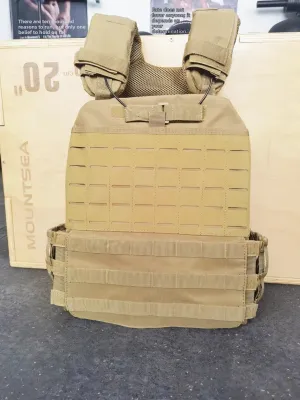
Before investing in weighted gear, you must decide between a plate-compatible vest and a fixed-weight or adjustable sandbag vest. Weight plate vests, often styled after tactical plate carriers, feature dedicated front and back pockets designed to hold flat steel or iron plates. This design allows for precise, modular weight adjustments, as you can easily swap plates to match your daily training requirements. Because the plates are flat and rigid, these vests maintain a highly consistent profile that sits close to your torso, minimizing bulk and preventing the shifting common with loose filling materials.
In contrast, fixed-weight or sandbag-filled vests utilize small pockets distributed across the entire torso, filled with iron pellets, sand, or flexible weights. While these vests conform easily to your body shape and are often less intimidating for beginners, they lack the high-load capacity and modularity of plate-loaded systems. The trade-off for the modularity of a weight plate vest is its inherent rigidity; flat metal plates do not bend, which can restrict torso flexion during certain exercises. Additionally, weight plate vests require you to purchase the compatible plates separately, which increases the initial setup cost and requires careful verification of plate dimensions to ensure a secure fit within the vest pockets.
Products mentioned in this guide
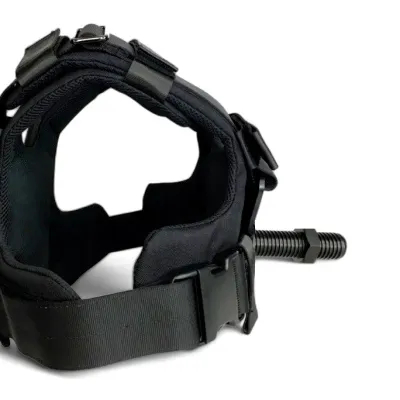
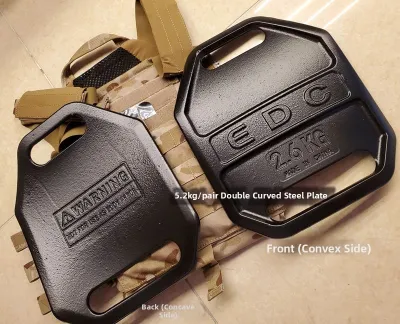
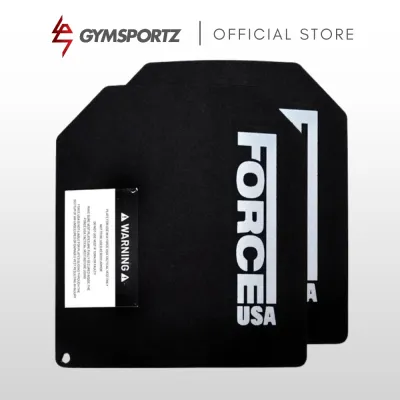
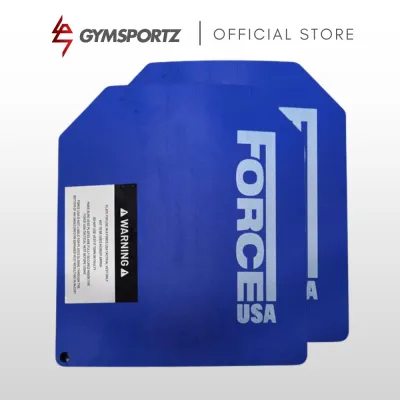
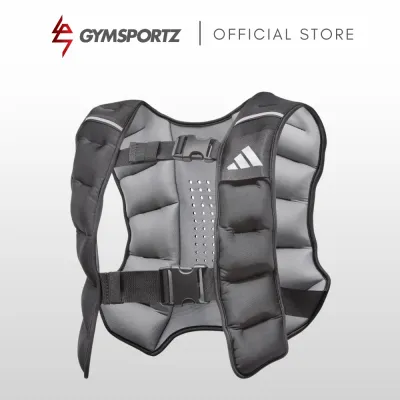
![[✅SG Ready Stock]Weighted Vest Adjustable Workout Equipment Weight Vest for Men Women Kids Sport Running Training Vest 3-10KG Invisible weight-bearing vest weighted vest iron sand sandbag running fitness equipment sports weight-bearing equipment](https://img.lazcdn.com/g/p/1792d98c5f0639a9aef5b03f971ff087.png_400x400q80.png_.webp)
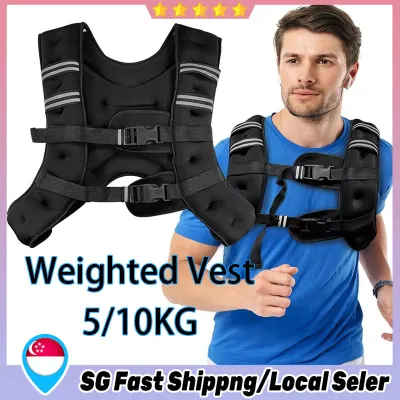
Prices are valid at publication and may change. Please refer to the product page for the latest price.
Core Selection Criteria for Durability and Comfort
When evaluating a weight plate vest, durability must be your primary concern, as the fabric and seams are subjected to constant friction and heavy gravitational pull. Look for vests constructed from high-density, abrasion-resistant fabrics such as heavy-duty nylon, which resists tearing even when loaded to capacity. Inspect the stitching at critical stress points, particularly around the shoulder straps and the base of the plate pockets; double or triple stitching, or reinforced bar-tack patterns, is essential to prevent the seams from splitting mid-workout. The hardware, including buckles, quick-release connectors, and adjustment loops, should be made of high-impact polymers or rust-resistant metals that can withstand repeated tension and exposure to sweat.

Comfort is directly tied to how the vest distributes this heavy load across your upper body. Wide, heavily padded shoulder straps are critical for dispersing weight away from the sensitive trapezius muscles and neck, preventing localized pressure points and nerve compression. The straps must feature robust adjustment mechanisms that allow you to pull the vest high on your chest, keeping the center of gravity elevated. Furthermore, the internal plate pockets must feature secure closure systems, such as heavy-duty hook-and-loop flaps or internal retention straps, to keep the plates from sliding vertically or horizontally during exercise.
Given Singapore’s year-round high humidity and heat, thermal management is another non-negotiable factor. A vest that traps heat against your torso will rapidly elevate your core temperature, leading to premature fatigue or heat exhaustion. Prioritize designs that incorporate raised mesh panels, 3D spacer foam, or dedicated airflow channels on the interior lining. These features create a physical gap between your body and the flat plate, allowing air to circulate and sweat to evaporate more efficiently during intense outdoor sessions.
Matching Vest Features to Your Specific Training Goals
Your training mechanics dictate the physical demands placed on a weight plate vest. A design that excels during slow, controlled strength movements may prove highly uncomfortable or even dangerous during high-velocity cardio sessions. By understanding how your body moves during your preferred workouts, you can select a vest profile that supports your biomechanics rather than hindering them.
Running and High-Impact Cardio
For running, jumping, and high-intensity interval training, minimizing vest movement is paramount to protecting your joints and spine. Every step during a run multiplies the downward force of the weighted vest, and any play or looseness in the fit will result in a violent bounce that can bruise your collarbones or strain your lower back. To prevent this, look for vests that offer a highly adjustable, elasticized cummerbund or dual compression straps that wrap tightly around your ribcage. This ensures the vest moves in perfect synchronization with your torso, acting as an extension of your body rather than an external load.
The profile of the vest should be as compact as possible, with cut-away corners around the upper chest and armpits to allow your arms to swing naturally without rubbing against the fabric. The plates themselves should be secured tightly against your body using internal retention straps to eliminate any internal rattle. Before using a vest for running, always check the manufacturer’s guidelines regarding dynamic load limits. Many plate carriers are rated for high static loads but require lighter plates for high-impact, dynamic activities to prevent structural damage to the vest and excessive stress on your joints.
Calisthenics and Bodyweight Progression
Progressing through advanced bodyweight movements like pull-ups, dips, muscle-ups, and handstand push-ups requires a vest that preserves your full range of motion. The primary challenge in calisthenics is maintaining balance and natural joint alignment when your center of gravity is altered. A suitable vest must position the weight high on your chest and upper back, keeping the load close to your natural pivot points. This high placement prevents the vest from swinging forward during pull-ups or dragging your hips down during dips, allowing you to maintain proper form throughout the movement.
Look for a vest with a tapered or contoured plate pocket design that leaves your shoulders completely free. If the vest fabric or the plate itself extends too far toward your shoulders, it will restrict your ability to reach overhead or pull your elbows back, severely limiting your exercise execution. Additionally, because calisthenics progressions often rely on precise, incremental weight increases, choose a vest that allows for quick plate swaps. Pockets that feature easy-access bottom or top openings with secure hook-and-loop closures make it simple to adjust your load between sets without needing to completely disassemble the vest harness.
Heavy Strength Training and Rucking
If your primary goal is heavy strength training—such as weighted squats, lunges, and step-ups—or long-distance rucking, your priority shifts toward maximum load capacity and structural support. These activities involve carrying substantial weight for extended periods, placing immense stress on your shoulders, spine, and hips. To handle these heavy loads safely, the vest must feature reinforced, heavy-duty construction with extra-wide, dense foam shoulder pads that prevent the straps from digging into your skin.
A crucial feature for heavy load carriage is a robust, rigid cummerbund or a dedicated waist belt. This component transfers a portion of the vest’s weight from your shoulders down to your hips, mimicking the load-distribution system of a high-quality hiking backpack. By shifting the load to your pelvic structure, you significantly relieve spinal compression and reduce shoulder fatigue during long rucks. When purchasing a vest for heavy strength training, always verify the manufacturer’s maximum weight rating and look for structural warranties that cover seam separation or hardware failure under maximum load conditions.
Sizing, Fit, and Safety Checks Before You Buy
Achieving the correct fit is essential for both comfort and safety, yet many buyers overlook the importance of proper sizing. Before purchasing a weight plate vest, use a flexible measuring tape to measure your torso length and chest circumference. The vest should sit comfortably above your diaphragm; the bottom of the plate pocket should end just above your belly button when you are standing upright. If the vest is too long, it will press into your thighs or hips when you bend over or squat, while a vest that is too short may ride up against your throat or restrict your chest expansion.
Once you receive your vest, perform a comprehensive “shake test” and movement simulation in a safe environment before adding heavy plates. Put on the vest with a light load, secure all straps, and perform a series of basic movements: jump in place, twist your torso from side to side, bend forward, and take several deep breaths. During these movements, observe if the plates rattle inside their pockets, if the shoulder straps slip outward, or if the cummerbund restricts your ability to take a full, deep breath. The vest should feel snug and secure without causing any pinching, rubbing, or restriction to your lung capacity.
Safety must always guide your training progression. Weighted vests increase the impact forces on your knees, ankles, and spine, making proper form more critical than ever. If you experience sharp joint pain, numbness in your arms or hands, or severe chafing, stop using the vest immediately and inspect the fit. Numbness often indicates that the shoulder straps are too narrow or tightly adjusted, compressing the nerves in your shoulder girdle. If pain persists even after adjusting the fit and reducing the weight, consult a qualified physical therapist or sports medicine professional before resuming weighted training.
Purchasing and Verifying Equipment in Singapore
Sourcing a high-quality weight plate vest in Singapore requires careful consideration of where you buy and how you verify the product’s authenticity. While general online marketplaces offer a wide variety of budget-friendly options, they often lack the quality control and material verification found at specialty fitness retailers. Buying from a dedicated local fitness store or an authorized distributor ensures that you are purchasing genuine gear made from durable, load-rated materials. Furthermore, specialty retailers often allow you to try on different vest models in-store, giving you a firsthand assessment of the fit, padding quality, and plate compatibility before you commit to a purchase.
Upon receiving your vest, conduct a thorough physical inspection before removing any tags or using the equipment. Check the integrity of all stitching, looking for loose threads, uneven seams, or areas where the fabric appears thin. Measure the internal dimensions of the plate pockets to confirm they match the specifications of the weight plates you plan to use. Test all buckles, quick-release tabs, and adjustment straps to ensure they lock securely and do not slip under tension.
Finally, familiarize yourself with the retailer’s return policies and warranty terms. Because weight plate vests are subjected to extreme stress, reputable brands typically offer structural warranties covering manufacturing defects, seam splits, or hardware failures. Verify whether the warranty is honored locally in Singapore, as shipping a heavy vest back to an overseas manufacturer for repairs can incur substantial shipping fees that may exceed the value of the vest itself.
Frequently Asked Questions (FAQ)
Can I use standard Olympic plates in any weight plate vest?
No, you cannot use standard Olympic plates in every weight plate vest. Olympic plates feature a 2-inch (approximately 50 mm) center hole and are typically much wider and thicker than specialized vest plates, which are designed to be flat, compact, and contoured to the human torso. Standard 1-inch plates are also generally too thick and bulky to fit securely inside the narrow pockets of a tactical-style plate carrier. Before purchasing, you must verify the internal dimensions and depth of your vest’s plate pockets. Most weight plate vests require proprietary, laser-cut steel plates designed specifically for vest training, which feature curved profiles to match the shape of your chest and back.
How do I clean a weight plate vest after heavy sweating?
To clean your weight plate vest and prevent the buildup of bacteria and odors in Singapore’s humid climate, you must follow a careful, manual cleaning process. First, remove all weight plates, detachable padding, and any electronic accessories from the vest. Do not machine wash or machine dry the vest, as the agitation and heat can damage the heavy-duty nylon fibers, weaken the stitching, and degrade the hook-and-loop fasteners. Instead, fill a basin with cool water and a mild, non-biological detergent. Gently hand-wash or spot-clean the vest using a soft-bristled brush to scrub away sweat stains and dirt. Rinse the vest thoroughly with clean water to remove all soap residue. Hang the vest to air-dry completely in a well-ventilated, shaded outdoor area or a room with active airflow. Avoid direct sunlight, which can fade the fabric and weaken the synthetic fibers over time.
Community discussion
Share your experience or ask a question. Comments are reviewed before publication.