
Choosing the right adjustable ankle weights is not a one-size-fits-all decision. The ideal pair for a brisk outdoor walk in Singapore’s humid climate requires vastly different features than a pair designed for heavy lower-body strength training or physical therapy recovery. To make an informed choice, you must evaluate how a weight’s design, adjustment increments, and securing mechanisms align with your primary movement patterns. By matching these specifications to your specific fitness goals, you can enhance your workouts while minimizing the risk of joint strain or skin irritation.
Matching Weight Ranges to Your Primary Workout
Walking and Cardio: Walking involves thousands of repetitive steps, meaning even a slight excess in weight can alter your natural gait and place undue stress on your knees, hips, and lower back. For cardio activities, look for ankle weights that offer very light starting weights, such as 0.2 kg to 0.5 kg per ankle. Micro-adjustments are crucial here; being able to add weight in tiny increments allows your cardiovascular system and joints to adapt gradually. Avoid heavy, bulky cuffs for walking, as they can cause you to lift your feet unnaturally, leading to shin splints or hip flexor strain.
Strength Training and Pilates: When your goal is muscle toning, core stability, or progressive strength training, you need a higher maximum weight capacity. Exercises like donkey kicks, leg raises, and standing hip abductions benefit from heavier resistance to stimulate muscle growth. Look for adjustable ankle weights that can scale up to 2 kg, 3 kg, or even 5 kg per ankle. The adjustment increments can be larger—such as 0.5 kg or 1 kg steps—since these movements are controlled, slow, and low-impact compared to walking. Ensure the weight pockets are easy to access so you can quickly swap inserts between different exercises.
Products mentioned in this guide
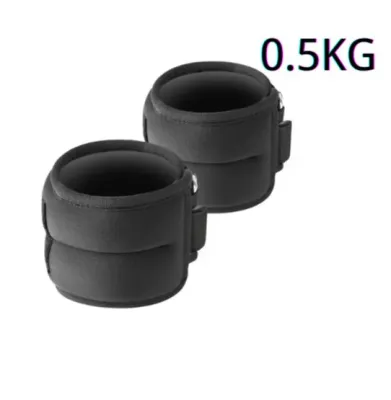
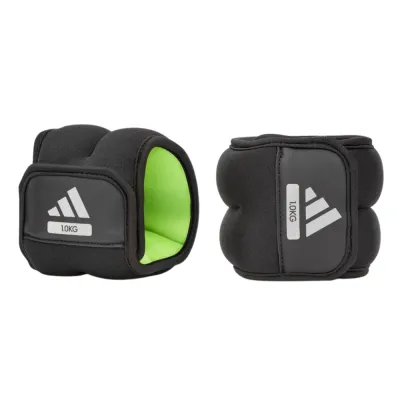
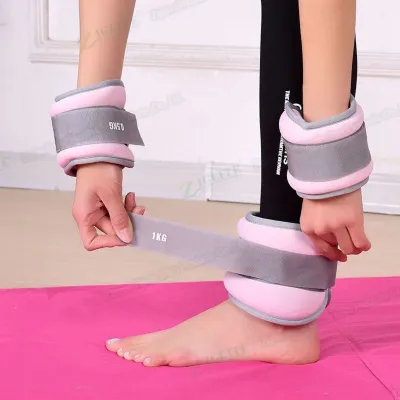
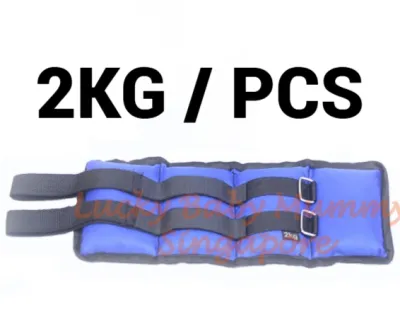
Prices are valid at publication and may change. Please refer to the product page for the latest price.
Rehabilitation and Physical Therapy: Recovery from an injury requires extreme precision and caution. If you are using ankle weights for rehab, your primary focus should be on ultra-light minimum weights and highly granular adjustment capabilities. It is vital to consult your physical therapist to determine the exact starting weight and progression schedule. Look for specialized rehab weights that allow you to add or remove weight in tiny fractions, ensuring you do not overload healing tendons or ligaments. The ability to fine-tune the resistance ensures you can perform your prescribed exercises with perfect form.
Key Features for Comfort and Secure Fit
Closure Mechanisms: The way ankle weights secure to your body determines both comfort and safety. Wide hook-and-loop straps are the industry standard, offering quick adjustments and a broad surface area to distribute pressure. For dynamic movements or walking, look for a D-ring adjuster system. This design allows you to loop the strap through a metal or heavy-duty plastic ring, pull it tight, and fold it back to lock it securely in place, preventing the cuff from sliding down. Some premium models also feature silicone grip linings on the interior to keep the weights from rotating during sweaty workouts.

Material and Breathability: Given Singapore’s year-round warmth and humidity, material choice is paramount. Neoprene is a popular option because it is soft, flexible, and stretches to conform to your ankle shape. However, solid neoprene can trap heat and sweat, potentially leading to skin chafing. To combat this, look for weights that incorporate moisture-wicking mesh panels or breathable padded edges. These features allow air to circulate, keeping your skin dry and reducing the risk of friction burns. Padded borders are also essential to cushion your ankle bones from the hard edges of the weight inserts.
Weight Distribution: How the weight is distributed around the cuff affects your balance and comfort. Ankle weights typically use either small sand-filled packets or solid iron/metal bars as inserts. Sand packets are highly flexible and mold smoothly to the contours of your ankle, eliminating localized pressure points. However, they can be bulkier than metal inserts. Solid metal bars are incredibly compact, allowing for a sleeker profile, but they require thick, high-quality padding to prevent them from digging into your skin. Check that the weight pockets are evenly spaced around the entire circumference of the cuff to maintain natural gait mechanics.
Scenario-Specific Selection Checklist
Walking Checklist:
- Verify the anti-slip design: Look for textured inner linings, dual-strap closures, or silicone grip strips that prevent the weights from sliding down or rotating with each step.
- Verify a low-profile silhouette: Choose a compact design that fits comfortably under or over your athletic socks without rubbing against your footwear.
- Verify high breathability: Check for moisture-wicking fabrics, mesh ventilation zones, or quick-dry materials to manage sweat during outdoor walks.
- Verify gait compatibility: Ensure the starting weight is light enough that it does not force you to alter your natural stride or lift your knees excessively.
Strength Training Checklist:
- Verify maximum load capacity: Ensure the total weight limit aligns with your long-term progressive overload goals (typically 2 kg to 5 kg per ankle).
- Verify strap and buckle durability: Look for reinforced double-stitching, heavy-duty D-rings, and industrial-strength hook-and-loop closures that can withstand high tension without peeling open.
- Verify structural stability: Check that the weight pockets hold the inserts tightly so they do not shift, bounce, or clack together during rapid or high-range movements.
- Verify ease of adjustment: Ensure the weight inserts can be removed or added quickly without requiring specialized tools or excessive force.
Rehab Checklist:
- Verify hypoallergenic materials: Look for soft-brushed microfiber, medical-grade neoprene, or latex-free fabrics to protect sensitive or healing skin from irritation.
- Verify an easy-on, easy-off design: Choose weights with large, easy-to-grasp pull tabs or simple fastening systems if you have limited hand strength or mobility.
- Verify micro-increment adjustments: Confirm the product allows weight changes in very small increments (such as 100g to 200g) to match precise clinical guidelines.
- Verify secure fit over bandages or braces: Ensure the strap length is generous enough to wrap comfortably over compression sleeves or supportive ankle braces if required.
Cross-Scenario Compatibility and Safety Limits
Versatility Trade-offs: When shopping, you might wonder whether to buy a single highly adjustable pair or multiple specialized pairs. A single pair with a wide weight range (for example, adjusting from 0.5 kg to 3 kg) is highly cost-effective, typically costing around S$30 to S$60 in local fitness shops. However, these versatile models can be bulky when fully loaded and loose or awkward when stripped down to their lowest weight. If your budget allows, investing in a dedicated, sleek pair of light weights for walking and a separate, heavy-duty pair for strength training offers superior comfort and ergonomics.
Safety Stop Conditions: Regardless of your fitness level, safety must come first. Stop using ankle weights immediately if you experience sharp or persistent joint pain in your ankles, knees, or hips. Other warning signs include skin abrasions, bruising, or a noticeable alteration in your natural walking posture. Ankle weights are designed to add resistance to controlled movements; they should never be used if they compromise your form or cause discomfort.
Specification Verification: Before purchasing, always verify the manufacturer’s specifications. Check the sizing chart to ensure the cuff circumference matches your ankle measurement. Review the recommended exercise types listed on the packaging, as some weights are strictly designed for static floor exercises and are not safe or comfortable for dynamic cardio workouts.
Frequently Asked Questions (FAQ)
Can I wear adjustable ankle weights all day for extra calorie burn?
Wearing ankle weights all day is not recommended. While it might seem like an easy way to burn extra calories, the continuous, unstructured load places cumulative stress on your ankle joints, knees, and hips. This prolonged strain can lead to muscle imbalances, tendonitis, or joint misalignment. To protect your body, restrict ankle weight usage to dedicated, time-bound workout sessions (such as 30 to 45 minutes), allowing your joints and ligaments adequate time to rest and recover.
How do I clean and maintain ankle weights after sweaty workouts?
Proper maintenance is essential to keep your ankle weights hygienic and durable. Always check the manufacturer’s care label first, as some weights have removable inserts and washable cuffs, while others are spot-clean only. If washable, hand-wash the cuffs in cool water with a mild detergent, then rinse thoroughly. Never place ankle weights in a clothes dryer or expose them to high heat, as this can degrade the elastic fibers, weaken the Velcro closures, and damage internal padding. Always air-dry them completely in a well-ventilated area before your next workout.
Community discussion
Share your experience or ask a question. Comments are reviewed before publication.