
An emergency whistle is one of the most critical, low-tech signaling devices you can pack in a sports first aid kit. When injury, disorientation, or sudden weather changes leave you stranded, a high-decibel whistle projects your location far more effectively than the human voice. However, a whistle that performs flawlessly on a dry hiking trail might fail completely when submerged during a kayaking trip or damaged during a high-speed mountain bike crash. Selecting the right emergency whistle requires matching its mechanical design, material durability, and attachment options to the specific environmental challenges of your chosen sport.
Baseline Features Every Emergency Whistle Must Have
Before evaluating whistles for specific activities, you must ensure any device you choose meets basic survival standards. The most critical distinction lies between pealess and traditional pea-style whistles. Traditional whistles rely on a small internal ball, or “pea,” to create a trilling sound. In outdoor survival scenarios, this design presents severe risks. Moisture from your breath, rain, or water immersion can cause the pea to stick to the inner walls, rendering the whistle silent. In cold climates, freezing temperatures can lock the pea in place instantly. Dirt, sand, and debris can also easily jam the moving parts. For these reasons, emergency kits should exclusively feature pealess whistles, which use advanced chamber geometry to generate sound without any moving parts.
Material durability is another non-negotiable factor. Emergency whistles are typically constructed from high-impact plastics or corrosion-resistant metals. When examining product packaging, look for materials like ABS plastic, which resists shattering upon impact and does not cling to skin in freezing conditions. If you prefer metal, verify that the product uses marine-grade stainless steel, brass, or titanium to prevent rust and structural degradation over time.
Products mentioned in this guide
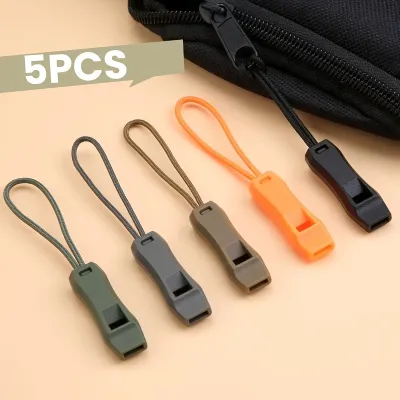
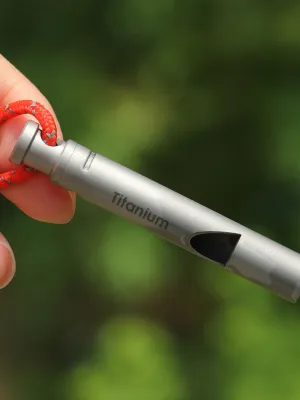
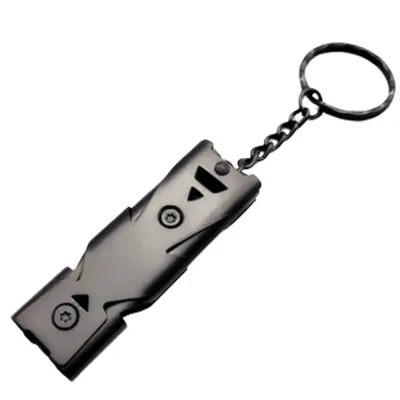
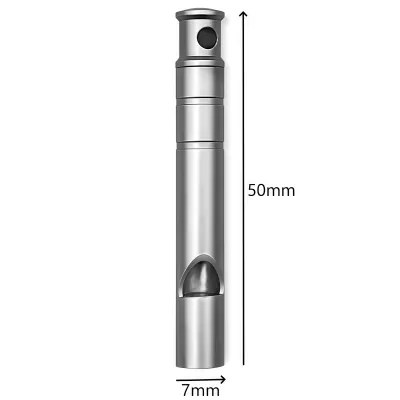
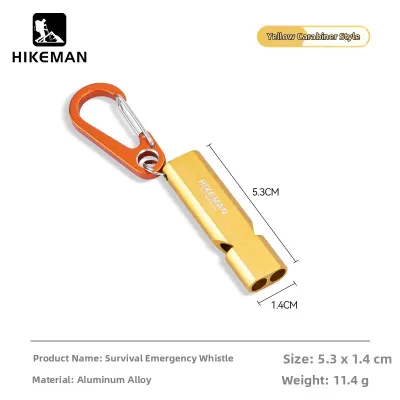
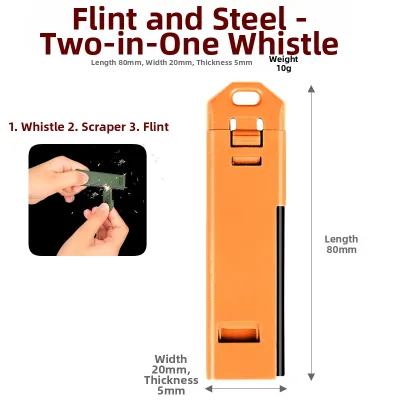
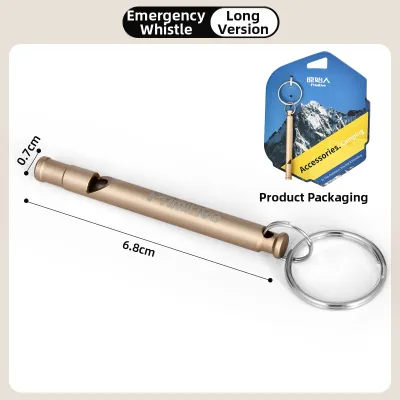
Prices are valid at publication and may change. Please refer to the product page for the latest price.
Audibility is the final baseline pillar. A survival whistle must produce a sound that cuts through environmental noise like rushing water, howling wind, or dense forest canopy. When shopping, check the manufacturer’s specifications for decibel ratings and frequency outputs. Effective emergency whistles generally operate at high frequencies, often utilizing dual or triple-chamber designs to emit multiple tones simultaneously, making the sound easier for search-and-rescue teams to locate.
Matching Whistle Profiles to Your Primary Sport
No single whistle design is universally perfect for every outdoor pursuit. The terrain you navigate, the ambient noise of your environment, and how you carry your gear all dictate the ideal form factor. By analyzing these physical and environmental demands, you can select a whistle that remains fully functional and instantly accessible when an emergency occurs.

Hiking and Trail Running
Wilderness navigation often takes you through dense foliage, deep valleys, and unpredictable weather where sound can easily be absorbed or deflected. For hiking and trail running, your primary need is a high-frequency whistle capable of penetrating thick vegetation and masking the low-frequency drone of wind. Multi-chamber pealess designs are highly effective here, as they produce a piercing, discordant sound that stands out clearly against natural background noise.
Because trail runners and ultralight hikers closely monitor gear weight, compactness is a key consideration. Fortunately, high-quality plastic pealess whistles are incredibly lightweight, often weighing less than 10 grams. Look for slim, flat profiles that do not bounce or chafe when secured.
Attachment versatility is crucial for rapid deployment. When hiking, you may not have the time or physical ability to dig through a packed first aid kit. Choose a whistle with integrated attachment points, such as a built-in clip or a lanyard hole. This allows you to secure the device directly to your backpack’s sternum strap, a hydration bladder hose, or even zip-tied to a trekking pole, keeping it within inches of your mouth at all times.
Cycling and Mountain Biking
Mountain biking and road cycling introduce high-impact risks, where crashes can occur at high speeds on hard surfaces like gravel, rocks, or asphalt. A whistle stored in a cycling first aid kit must be exceptionally rugged. If you carry a plastic whistle, ensure it is made of thick, impact-resistant polycarbonate or ABS plastic that will not crush or shatter if you land on your pack. Alternatively, a low-profile titanium whistle offers extreme durability without adding noticeable weight.
Accessibility during or immediately after a crash is paramount. If a fall results in a collarbone or shoulder injury, reaching behind your back to open a saddle bag or jersey pocket can be incredibly painful or impossible. Look for compact whistles that can be integrated directly into your helmet strap, clipped to the collar of your jersey, or attached to the shoulder harness of a hydration pack.
Aerodynamics and snag prevention are also important when riding through tight, forested trails. Avoid bulky whistles or long, dangling lanyards that could catch on overhanging branches or get tangled in your gear during a fall. A sleek, flush-fitting whistle that clips securely to your existing gear minimizes these hazards while remaining ready for instant use.
Water Sports and Kayaking
Water sports present some of the most demanding environments for emergency signaling. Kayakers, paddleboarders, and sailors operate in high-noise zones filled with crashing waves, rushing rivers, and howling winds. In these conditions, a pealess whistle is mandatory. It must feature a self-draining design, meaning that any water entering the chambers is instantly expelled when you blow into it, allowing the whistle to clear itself and sound immediately without needing to be shaken dry.
Corrosion resistance is a critical specification for marine environments. Saltwater is highly corrosive and can quickly degrade cheap metals or weaken low-grade plastics. Opt for high-grade ABS plastic or marine-grade stainless steel. Additionally, ensure the whistle is securely tethered to your personal flotation device (PFD) using a marine-grade lanyard or a heavy-duty split ring. A whistle lost in the water is of no use during an emergency.
When selecting a whistle for water sports, check the manufacturer’s specifications for water submersion limits and operational temperature ranges. Some safety whistles are specifically certified for marine use, ensuring they retain their structural integrity and acoustic performance even after prolonged exposure to wet, cold, and salty conditions.
How to Verify Performance Claims on Product Labels
When browsing online marketplaces or outdoor specialty stores, you will encounter various marketing claims regarding whistle performance. To make an informed decision, you must know how to critically evaluate these specifications. Decibel (dB) ratings are a common selling point, with many emergency whistles claiming outputs between 100 and 120 dB. While a higher decibel rating generally indicates a louder sound, remember that real-world sound travel is heavily influenced by wind direction, terrain, and atmospheric conditions. Do not rely solely on raw volume; look for designs that emphasize multi-tone or high-frequency output, which are easier for the human ear to distinguish over long distances.
Temperature operating ranges are another vital specification, especially if you participate in alpine sports or hot-weather desert excursions. High-quality manufacturers will state the temperature limits their materials can withstand. Ensure the plastic will not become brittle and crack in sub-zero temperatures, or soften and deform when left in a hot car or exposed to direct sunlight during a Singapore afternoon.
Finally, look for recognized safety standard markings printed directly on the packaging or the whistle itself. For marine activities, look for SOLAS (Safety of Life at Sea) approval or ISO certifications. These markings indicate that the whistle has undergone standardized testing for durability, water clearance, and sound output, providing an objective measure of reliability that goes beyond basic marketing claims.
Integrating and Maintaining the Whistle in Your Kit
Once you have selected the appropriate whistle, you must integrate it effectively into your safety gear setup. While keeping a backup whistle inside your sports first aid kit is excellent practice, your primary emergency whistle should ideally be worn externally on your body or pack. In a severe emergency, such as a fall where you cannot move your arms freely, a whistle clipped to your collar or PFD strap is far easier to reach than one buried inside a zipped first aid pouch.
Maintaining your whistle is simple but essential. Establish a routine inspection checklist to perform before every major outing. Inspect the whistle body for hairline cracks, which can allow air to escape and drastically reduce sound volume. Check the internal chambers for blockages like dirt, lint, or dried mud, and flush them out with clean water if necessary. Examine the attachment tethers, lanyards, or clips for signs of fraying, UV degradation, or rust.
Knowing when to replace your whistle is key to maintaining safety readiness. If you notice significant color fading from UV exposure, plastic brittleness, deep scratches, or a loose attachment point, replace the whistle immediately. A high-quality safety whistle is a highly affordable investment—typically ranging from S$10 to S$30—making it easy to replace compromised gear before you head back out into the field.
Frequently Asked Questions (FAQ)
Can I use a standard sports referee whistle for emergencies?
It is highly discouraged to use a standard referee whistle for outdoor emergencies. Most referee whistles contain an internal pea, which can easily jam when exposed to water, dirt, saliva, or freezing temperatures. Additionally, referee whistles are designed for indoor or stadium environments and often lack the high-frequency, multi-chamber design required to cut through outdoor ambient noise like wind and rushing water.
How loud does an emergency whistle actually need to be?
An effective emergency whistle should have a rating of at least 100 decibels (dB), though many high-quality models reach 115 to 120 dB. However, raw volume is only part of the equation. The pitch and frequency are equally important; a whistle that emits a high-pitched, multi-tone sound will cut through environmental obstacles much better than a single-tone whistle of the same volume.
Should every person in a group carry their own whistle?
Yes, every individual in a group should carry their own emergency whistle. Relying on a single whistle stored in a shared group first aid kit introduces significant risk if the group becomes separated, or if the person carrying the kit is the one who goes missing or becomes incapacitated. Individual carry ensures redundant safety and allows for coordinated signaling protocols if the group splits up.
Community discussion
Share your experience or ask a question. Comments are reviewed before publication.