
Running in Singapore’s tropical climate presents unique physiological challenges. The combination of high heat and relative humidity often exceeding 80% accelerates dehydration and muscle fatigue, making efficient post-run recovery essential for maintaining a consistent training schedule. Whether you are clocking kilometers along the scenic East Coast Park, navigating the undulating trails of MacRitchie Reservoir, or preparing for a major local event like the Standard Chartered Singapore Marathon, your muscles require targeted attention to recover effectively.
An exercise stick—frequently referred to as a muscle roller stick—is one of the most practical and accessible self-myofascial release tools available to runners. Unlike bulky foam rollers, this portable device allows you to actively control the location, angle, and depth of pressure using your upper body strength. By rolling the stick over tight muscle fibers, you can stimulate local blood circulation, alleviate muscle soreness, and break up minor adhesions in the fascia. However, selecting the right model requires looking beyond basic aesthetics to evaluate key physical specifications: roller material, core rigidity, handle design, and overall length.
Key Features to Evaluate When Buying a Recovery Exercise Stick
Every recovery tool has unique physical attributes that dictate how it interacts with your body. To find an exercise stick that delivers consistent relief without causing discomfort or wearing out prematurely, you must carefully evaluate its component parts and design construction.
Products mentioned in this guide
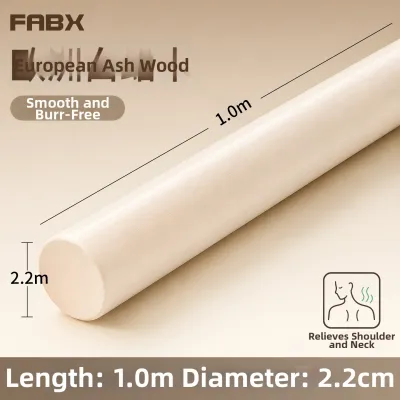
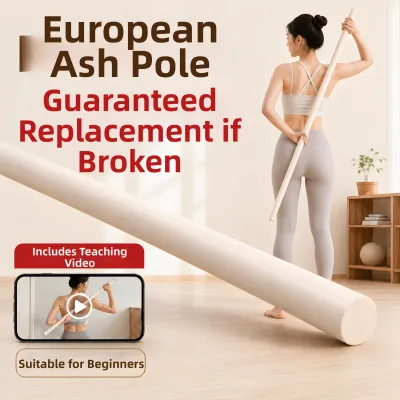

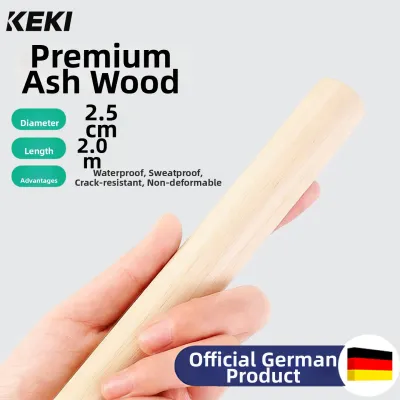
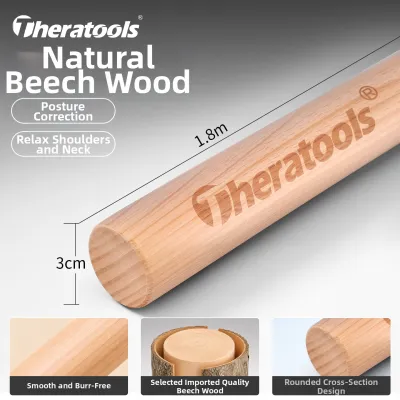
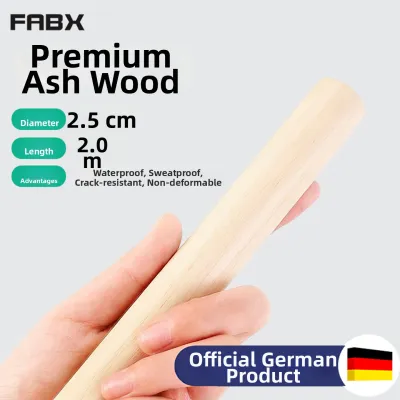
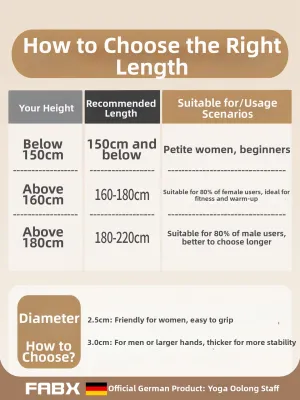
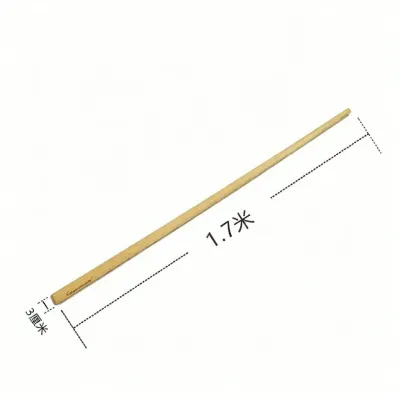
Prices are valid at publication and may change. Please refer to the product page for the latest price.
Roller Material and Surface Texture
The materials that make up the rolling segments of an exercise stick directly influence how much pressure is transmitted to your muscles and how comfortable the tool feels against your skin. Most sticks feature rollers made from hard ABS plastic, high-density EVA foam, or thermoplastic rubber (TPR). Hard plastic rollers are exceptionally durable and transmit force with minimal absorption, making them highly effective for deep tissue penetration. However, they can feel unforgiving or overly harsh, particularly when rolled over tender areas or close to bony prominences.
Conversely, rollers wrapped in high-density EVA foam or TPR provide a cushioned layer that absorbs a portion of the initial impact. This cushioning reduces surface friction, which is a major benefit when rolling over skin that may still be damp or sensitive from a humid outdoor run. TPR, in particular, offers a slightly tacky grip that prevents the stick from sliding too quickly over the skin, allowing for more controlled, deliberate strokes.
Surface texture is another critical factor in determining how the stick targets muscle tissue. Smooth rollers provide a broad, even compression across the muscle belly, which is ideal for general lymphatic flushing and increasing overall blood flow after an easy run. Textured rollers, which feature raised ridges, gears, or rounded knobs, are designed to mimic the targeted pressure of a massage therapist’s fingers. These textures allow you to pinpoint localized trigger points and work out stubborn knots. However, you should inspect product specifications and avoid overly sharp or abrasive textures that might irritate sensitive skin, especially when salt residue from dried sweat is present.
Core Rigidity vs. Flexibility
The internal axle or core of the exercise stick dictates its structural behavior under load. A rigid core, typically constructed from solid steel, thick aluminum, or heavy-duty fiberglass, does not bend or bow when you apply downward force. This unyielding structure allows you to transfer your upper body weight directly through the handles into the muscle. Rigid sticks are highly effective for targeting large, thick muscle groups like the quadriceps, glutes, and deep calf muscles, where significant force is required to reach the deeper fascial layers.
In contrast, a flexible or bendable core is designed to bow slightly under pressure. This bowing action allows the stick to contour naturally around the curved surfaces of your limbs, such as the hamstrings, shins, and outer calves. By wrapping around the muscle, a flexible stick distributes pressure across a wider surface area, providing a multi-angle, compressive flush that feels more like a squeezing massage. This contouring action can make the recovery session feel much smoother and more comfortable.
However, flexibility should never come at the expense of structural integrity. A high-quality flexible stick must use resilient internal materials, such as spring steel or specialized composite rods, that return to their original straight shape immediately after use. Before purchasing a flexible model, verify the manufacturer’s maximum pressure or weight limits. A core that is too weak can bend excessively, reducing your ability to apply meaningful pressure, or worse, it may snap under heavy use, posing a safety risk.
Handle Ergonomics and Length
The handles of an exercise stick serve as your primary points of leverage and control. Because self-massage requires you to actively apply force with your arms, handle design plays a significant role in preventing hand and wrist fatigue. Look for ergonomically shaped handles that fit comfortably into the contours of your palms. Non-slip grip materials are essential; handles covered in textured rubber, thermoplastic elastomers (TPE), or high-density foam ensure you maintain a secure hold even when your hands are sweaty or covered in recovery lotion.
Stick length is another crucial dimension that affects both leverage and portability. Longer sticks, typically measuring 24 inches (approximately 60 cm) or more, provide excellent leverage because the wider grip allows you to use larger upper-body muscle groups to apply downward force. These longer models also make it much easier to reach across your upper and lower back, or to roll both thighs simultaneously. The trade-off is that they are bulkier to store and less convenient to transport.
Shorter sticks, measuring under 18 inches (approximately 45 cm), function as highly precise recovery tools. They are exceptionally easy to maneuver when targeting isolated areas like the shins, forearms, or the back of the ankles. Their compact size makes them highly portable, though they do require more effort from your arms to apply deep pressure due to the reduced leverage of a narrower grip.
Recommended Exercise Stick Types for Your Running Profile
Not every runner requires the same level of recovery intensity or tool portability. Matching the design characteristics of an exercise stick to your specific running habits, training volume, and lifestyle ensures you get the most practical value out of your investment.

Rigid Core Sticks for Deep Tissue Relief
Rigid core sticks are highly recommended for high-mileage runners, marathon competitors, and those undergoing intense speed training. These athletes frequently experience deep-seated muscle tightness and chronic trigger points in large muscle groups like the quadriceps, gastrocnemius, and glutes. A rigid core ensures that none of the force you exert is lost to bending, allowing you to deliver deep, unyielding pressure directly to the affected myofascial layers.
While highly effective for deep tissue release, rigid sticks have distinct limitations. They are highly unforgiving when accidentally rolled over bony areas, such as the shinbone (tibia) or the kneecap (patella), which can cause sudden, sharp pain. Additionally, because they do not bend, they cannot conform to the natural curves of your body, requiring you to constantly adjust your body position or the angle of the stick to maintain consistent contact.
If you decide a rigid stick is right for your needs, pay close attention to the mechanical construction before buying. Check that the individual roller segments spin smoothly and independently on the central axle. The rollers should not stick or bind when you apply heavy downward pressure, as smooth mechanical rotation is essential to prevent the stick from dragging or pinching your skin.
Flexible Sticks for Contoured Muscle Groups
Flexible sticks are an excellent choice for everyday runners, trail runners who frequently traverse uneven terrain, and individuals who suffer from generalized tightness in highly contoured muscle groups like the hamstrings, calves, and outer thighs. The primary biomechanical benefit of a flexible core is its ability to wrap around the leg, applying a balanced, multi-angle compression that mimics the hands-on techniques of a sports massage.
This wrapping action is highly effective for promoting lymphatic drainage and flushing metabolic waste products out of the muscles after a strenuous workout. The flexible design also tends to be much more comfortable for beginners or those with a lower pain tolerance, as the distributed pressure is less intense than the localized force of a rigid stick. However, flexible sticks may lack the sheer penetrative power required to break up deep, stubborn knots in thick muscle groups like the glutes.
When evaluating flexible models, inspect the quality of the joints and connection points. Ensure there are no exposed internal wires, springs, or gaps between the roller segments that could pinch your skin or catch on fine clothing fibers during use. The core should feel resilient, offering a smooth, progressive resistance as you bend it.
Compact and Travel-Friendly Sticks
For active commuters who run to work, destination racers who travel frequently for overseas events, or runners living in compact Singapore apartments where storage space is limited, portability is a primary consideration. Compact exercise sticks, typically measuring between 12 and 15 inches, offer a highly practical solution. These lightweight tools slide easily into a standard gym bag, office backpack, or carry-on suitcase, ensuring you have access to immediate recovery relief right after a run.
While highly convenient, compact sticks require a clear understanding of their physical trade-offs. The shorter length reduces your leverage, meaning your arms and shoulders must work harder to apply the same amount of pressure as a longer stick. They are also virtually impossible to use on hard-to-reach areas like the upper back without assistance.
If you are considering a travel model that features collapsible, folding, or telescopic handles, make sure to verify the quality of the locking mechanisms. The joints must lock securely into place and remain completely rigid during use; any slipping or unexpected collapsing while you are applying pressure can lead to sudden loss of control and potential injury.
Quick Comparison: Matching Stick Features to Recovery Needs
To help you quickly identify which design alignment matches your personal running profile, the table below summarizes the key characteristics of each primary exercise stick type.
| Stick Type | Best For (Muscle Groups) | Key Advantage | Main Limitation | Ideal Runner Profile |
|---|---|---|---|---|
| Rigid Core | Quadriceps, Glutes, Calves | Maximum deep-tissue pressure | Unforgiving on bony areas | Marathon trainers, high-mileage runners |
| Flexible Core | Hamstrings, Calves, Outer Thighs | Wraps around natural body contours | Harder to target deep trigger points | Everyday runners seeking a flushing massage |
| Compact / Travel | Calves, Shins, Forearms | Highly portable, lightweight | Reduced leverage, requires more arm effort | Commuter runners, destination racers |
Safe Usage and Maintenance for Your Exercise Stick
To maximize the benefits of your recovery tool and prevent self-inflicted injury, it is essential to establish safe usage boundaries and maintain the physical integrity of the stick over time.
Safe Usage Boundaries An exercise stick is designed to target soft muscle tissue and fascia; it should never be used on other anatomical structures. Avoid rolling directly over skeletal joints, such as the knees, ankles, and hips, as well as prominent bones like the shinbone or the spine. Applying heavy pressure directly to bone can cause painful bruising and periosteal inflammation. Additionally, never use the stick on acute injuries, such as fresh muscle tears, severe strains, open wounds, or active bruising, as the mechanical pressure will disrupt the body’s natural inflammatory healing process and potentially worsen the tissue damage.
Pain vs. Discomfort Learning to interpret the signals from your body is crucial during self-myofascial release. It is normal to experience a mild, dull ache or a sensation of pressure as you roll over tight muscle fibers—this is often described as “good” recovery discomfort, indicating that the tissue is releasing tension. However, you must stop immediately if you experience sharp, shooting, stabbing, or localized burning pain. Pushing through acute pain can cause muscle bruising, micro-tears, or nerve irritation, setting your recovery back significantly.
Hygiene and Maintenance Because you will likely use your exercise stick immediately after running, the rollers and handles will inevitably come into contact with sweat, skin oils, and environmental dust. In Singapore’s warm, humid climate, this organic residue can quickly become a breeding ground for bacteria and mold if left unaddressed. After every recovery session, wipe down the entire stick using a damp cloth or a mild, non-abrasive disinfectant wipe. Pay close attention to the small gaps between the rolling segments, as sweat and salt can accumulate there and clog the rotation mechanism over time.
Material Care Always check the manufacturer’s care instructions before applying any cleaning solutions to your recovery tool. Avoid using harsh chemical solvents, heavy alcohol-based sanitizers, or submerging the entire stick in water, as these can degrade foam or rubber rollers and rust internal metal axles. Once cleaned, store your exercise stick in a cool, dry indoor environment. Avoid leaving it in areas exposed to extreme heat or direct sunlight, such as outdoor service yards, balconies, or inside a hot car trunk, as prolonged thermal exposure can warp plastic cores, crack rubber handles, and cause foam rollers to crumble.
Frequently Asked Questions (FAQ)
How often should I use an exercise stick after running?
For optimal recovery, you can use an exercise stick as part of your post-run cool-down routine for approximately 5 to 10 minutes per session. Gently rolling the major muscle groups of your lower body immediately after a run helps promote local blood circulation, which delivers oxygen and nutrients to fatigued tissues while assisting in the removal of metabolic waste.
You can also use the stick on rest days to maintain muscle elasticity and address minor areas of tightness. However, always listen to your body; if your muscles are acutely sore, inflamed, or tender to the touch, allow them a full day of rest. Over-rolling inflamed muscle fibers can delay the natural healing process and lead to localized bruising.
Can an exercise stick replace a foam roller?
An exercise stick and a foam roller are complementary tools rather than direct replacements for one another. A foam roller relies on your body weight to apply pressure, making it highly effective for broad, passive myofascial release across large surface areas, such as the entire quadriceps or upper back. It is an excellent tool for general physical maintenance.
An exercise stick, by contrast, is an active, arm-driven tool that offers exceptional precision. It allows you to target specific, localized muscle knots with highly controlled pressure without needing to get down on the floor—a major convenience when recovering in outdoor spaces or immediately after a race. Utilizing both tools as part of a comprehensive recovery toolkit allows you to benefit from both broad and targeted myofascial release.
Is it safe to use a massage stick on the IT band?
Rolling the iliotibial (IT) band directly with heavy pressure is generally not recommended. The IT band is a thick, dense band of fibrous connective tissue—not a muscle—that runs down the outside of your thigh. When runners experience IT band tightness or pain, the root cause is typically friction and inflammation where the band crosses the knee joint, often caused by tightness in the surrounding muscles that pull on the band.
Directly compressing the IT band against the underlying femur bone with a hard exercise stick can cause severe irritation and worsen inflammation. Instead, use the stick to target the surrounding muscle groups that attach to and control the tension of the IT band, such as the gluteus maximus, the tensor fasciae latae (hip flexors), and the outer quadriceps. If you experience persistent, sharp pain on the outside of your knee, consult a qualified physiotherapist or sports medicine professional rather than relying solely on self-massage tools.
Community discussion
Share your experience or ask a question. Comments are reviewed before publication.