
In Singapore’s relentless tropical heat, where daily temperatures frequently hover around 30°C to 33°C with high humidity, keeping a protein shake cold is more than a matter of personal preference. Warm protein shakes not only taste unappealing but also create an ideal breeding ground for rapid bacterial growth, especially when left in a gym bag for a few hours. While many fitness enthusiasts search for specific brand names promising ultimate thermal performance, the ability of a protein shaker to withstand the local climate depends entirely on its physical construction, material quality, and sealing engineering.
To find a shaker that keeps your post-workout drink ice-cold during an outdoor session at East Coast Park or a humid workout in an unairconditioned gym, you must look closely at double-wall vacuum construction, lid sealing mechanisms, and material grades. By focusing on verifiable specifications rather than marketing claims, you can ensure your supplement remains fresh, cold, and safe to consume.
Key Insulation Specifications to Verify
To make an informed choice, you must understand the engineering behind thermal retention. The most critical feature to look for is double-wall vacuum insulation. This design consists of two stainless steel walls with a near-complete vacuum sealed between them. Because a vacuum contains no air molecules, it virtually eliminates heat transfer via conduction and convection. In contrast, single-wall metal containers or standard plastic shakers offer no thermal barrier, allowing the ambient tropical heat to warm your drink within minutes. Gel-lined shakers, which require pre-freezing, are a temporary alternative but quickly lose their cooling capacity once the gel melts under high ambient temperatures, adding unnecessary weight to your gear.
Products mentioned in this guide
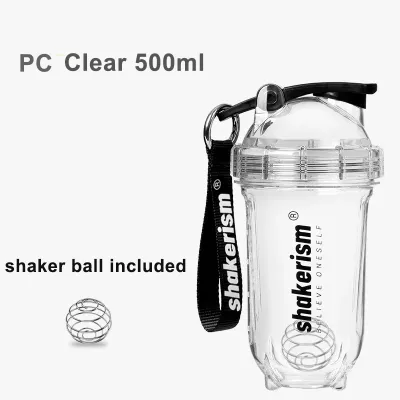
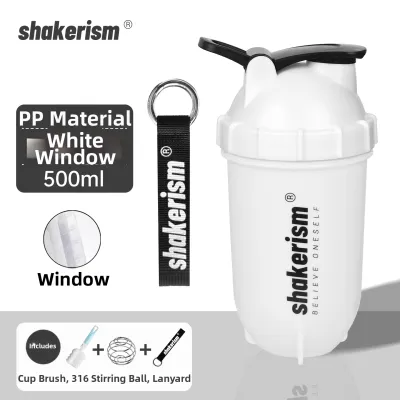
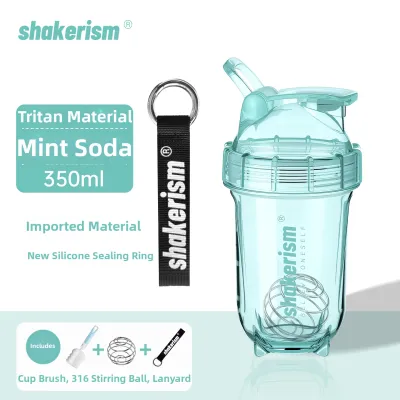
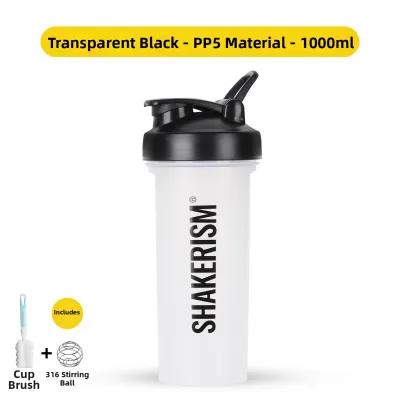
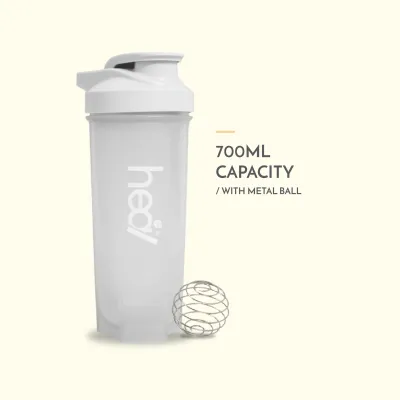
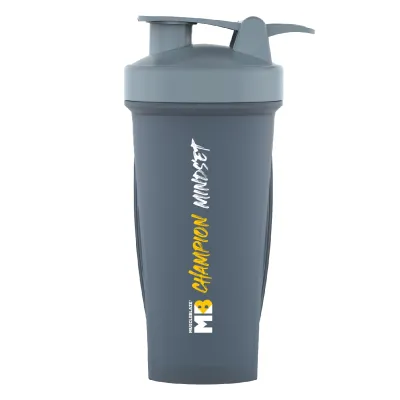
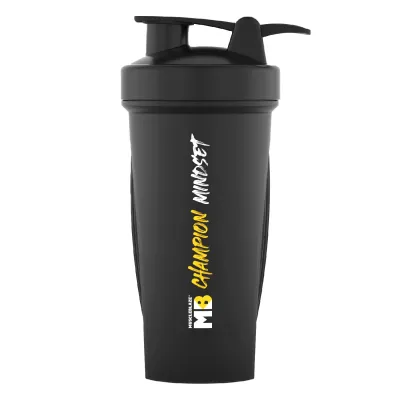
Prices are valid at publication and may change. Please refer to the product page for the latest price.
The grade of the metal used in construction is equally vital for longevity and performance. High-quality insulated shakers utilize food-grade 18/8 stainless steel, also known as grade 304. This alloy contains 18% chromium and 8% nickel, providing excellent resistance to rust and corrosion. In Singapore’s humid environment, where sweat and atmospheric moisture accelerate the degradation of metals, choosing a lower-grade steel can lead to premature rusting, metallic tastes, and a breakdown of the vacuum seal. Furthermore, ensure that any plastic components, particularly the lid and mixing elements, are certified BPA-free and designed to withstand repeated thermal transitions without warping.
Another physical factor to consider is the capacity of the shaker and its surface-area-to-volume ratio. Thermodynamics dictate that a larger volume of cold liquid, especially when packed with ice, possesses greater thermal mass and will resist temperature increases longer than a smaller volume. However, a larger container also requires a wider mouth, which increases the surface area exposed to warm air every time you open the lid. If you train outdoors, a higher-capacity shaker (around 700ml to 900ml) filled with a generous amount of ice will maintain a low temperature far better than a compact 400ml shaker, provided you keep the lid closed as much as possible.
Balancing Insulation with Mixing Mechanisms
A protein shaker must do more than keep liquids cold; it must also blend powders into a smooth consistency without clumping. The choice of mixing mechanism directly impacts the shaker’s thermal integrity and ease of maintenance. Free-moving wire whisk balls, typically made of stainless steel, are highly effective because they do not interfere with the lid’s structure or compromise the vacuum seal. However, you must verify that the whisk ball is made of high-grade stainless steel to prevent it from scratching the inner lining of your shaker, which could create micro-crevices where bacteria can multiply.

Built-in plastic mesh strainers or mixing grids that snap into the lid offer an alternative to whisk balls, but they require careful inspection. If the mixing grid is poorly designed, protein powder can easily clump around the edges, preventing the lid from screwing down completely. This creates micro-gaps in the seal, allowing warm, humid air to enter the flask and accelerate ice melt. When evaluating a shaker, look for a mixing mechanism that is easily removable and does not obstruct the contact point between the lid’s silicone gasket and the rim of the stainless steel bottle.
The lid design and gasket quality are the ultimate gatekeepers of both temperature control and leak prevention. Because plastic lids do not insulate as effectively as double-walled steel bodies, the lid is often the primary point of thermal loss. A high-quality shaker features a thick, heavy-duty lid equipped with a robust silicone gasket. This gasket must fit snugly within its groove to prevent leaks when shaking and to maintain the internal vacuum’s effectiveness. Additionally, consider the exterior finish of the shaker. In Singapore’s high humidity, cold surfaces naturally attract condensation if the insulation is imperfect. A premium shaker should remain completely dry on the outside; a powder-coated or textured exterior finish is highly recommended to ensure a secure, non-slip grip when your hands are sweaty during an intense workout.
Care and Maintenance for Tropical Climates
Maintaining the hygiene and thermal performance of an insulated protein shaker in a hot, humid climate requires diligent care. Residual protein powder combined with moisture creates a perfect environment for mold, mildew, and foul odors to develop rapidly. To clean your shaker safely, avoid using boiling water or placing the vacuum-insulated flask in the dishwasher unless the manufacturer explicitly states it is dishwasher-safe. Extreme heat can degrade the outer powder coating, warp plastic lids, and compromise the delicate welds that maintain the vacuum seal between the steel walls. Instead, wash the shaker with warm, soapy water and a soft bottle brush to avoid scratching the interior.
Drying protocols are just as important as the washing process itself. In Singapore’s humid air, leaving a damp shaker closed or partially assembled will inevitably lead to a musty smell that is incredibly difficult to remove. After washing, completely disassemble all components, including the mixing ball, grid, and especially the removable silicone gaskets. Lay them out on a clean, dry towel in a well-ventilated area to air-dry completely before reassembling or storing them in your cupboard.
Over time, even the highest-quality shakers will show signs of wear. Regularly inspect the silicone gaskets for stretching, cracking, or discoloration, as a compromised gasket will lead to leaks and poor thermal retention. If you accidentally drop your shaker and notice a deep dent on the exterior, the inner and outer steel walls may come into contact. If this happens, the vacuum is lost, and heat will transfer rapidly into your drink. You can easily verify this by filling the shaker with ice water; if the exterior of the bottle feels cold to the touch or starts to sweat, the vacuum seal has failed, and it is time to replace the shaker.
Decision Framework: Matching the Shaker to Your Routine
Selecting the right insulated protein shaker requires matching its physical specifications to your specific workout environment and daily routine. If your fitness regimen involves long, intense sessions exceeding two hours in unairconditioned spaces—such as outdoor calisthenics parks, community sports fields, or traditional boxing gyms—prioritize maximum thermal retention. For these environments, choose a high-capacity (700ml or larger), double-wall vacuum-insulated stainless steel shaker with a heavy-duty screw-on lid and a durable powder-coated finish. This setup provides the thermal mass and ruggedness needed to keep your shake ice-cold despite the ambient heat.
Conversely, if you primarily train in air-conditioned commercial gyms or fitness studios where your workouts are shorter and the environment is climate-controlled, your thermal requirements are less extreme. In this scenario, a lighter, hybrid-design shaker or a smaller 500ml insulated model is often more practical. These shakers are easier to carry, fit comfortably in standard car cup holders or gym bag side pockets, and still offer sufficient insulation to keep your drink cold for the duration of your commute and workout.
Before making a final purchase, always verify the manufacturer’s warranty and the return policies of local retailers or online marketplaces. Since vacuum seals can occasionally be damaged during shipping, it is crucial to buy from sellers that offer straightforward returns or exchanges. Upon receiving your new shaker, perform a simple home test by filling it with ice water and checking for any cold spots or condensation on the exterior wall over a two-hour period to ensure the vacuum seal is fully intact before your first workout.
Frequently Asked Questions (FAQ)
Can I put hot liquids in an insulated protein shaker?
No, you should avoid putting hot liquids in a standard insulated protein shaker, especially if you plan to shake it. Shaking hot liquids inside a sealed container causes rapid steam expansion and pressure buildup. When you flip open the cap or unscrew the lid, the pressurized hot liquid can spray out violently, posing a severe risk of burns. Always check the manufacturer’s specific temperature limits and venting instructions before using the container for anything other than cold or room-temperature beverages.
Does a larger shaker keep drinks colder than a smaller one?
Yes, a larger shaker generally keeps drinks colder for longer, provided it is filled to capacity with a high ice-to-liquid ratio. This is due to thermal mass; a larger volume of cold material takes longer to absorb ambient heat than a smaller volume. However, this thermal advantage is quickly lost if you open the lid frequently, as each opening allows warm, humid air to enter the container and accelerate ice melt. For optimal cold retention, choose a size that matches your actual consumption needs and keep the lid tightly sealed between sips.
Community discussion
Share your experience or ask a question. Comments are reviewed before publication.