
Protecting a kayak or stand-up paddleboard (SUP) requires a completely different approach than safeguarding a motorized vessel. While standard boat fenders are designed to cushion heavy fiberglass hulls against concrete docks, these bulky accessories can easily destabilise a lightweight paddle craft. Choosing the correct boat fender for your kayak or paddleboard ensures your craft remains protected during launch, docking, or rafting up, without compromising your balance or paddling efficiency.
Understanding Fender Needs for Kayaks and Paddleboards
Traditional boat fenders are typically large, heavy, and cylindrical or spherical. These designs are engineered to absorb the high-impact forces of multi-tonne vessels swaying against pilings. When hung from a kayak or paddleboard, a standard boat fender is often too wide, pushing the craft too far from the dock and making boarding highly unstable. Furthermore, the sheer weight of standard marine fenders can pull a lightweight craft to one side, disrupting its trim and making it difficult to keep a straight line.
For paddle craft, fenders serve highly specific protection roles rather than continuous heavy-duty cushioning. You will primarily need them when launching from concrete slipways, docking at local marinas like Keppel Bay or Sentosa, or when rafting up side-by-side with other paddlers during group excursions. They also provide a critical buffer when navigating shallow, rocky shorelines or tidal launch points where sudden swells can push your hull against sharp granite steps or barnacle-encrusted pilings.
Products mentioned in this guide
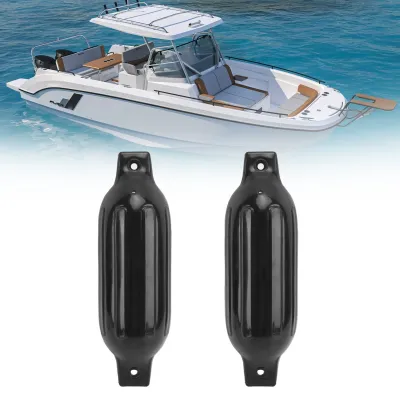
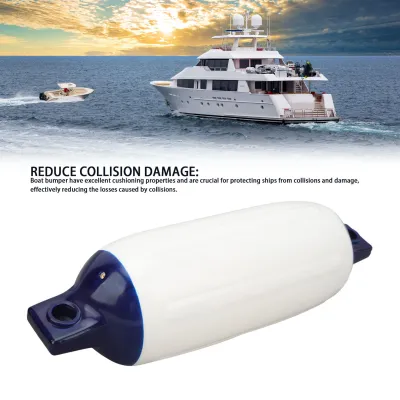
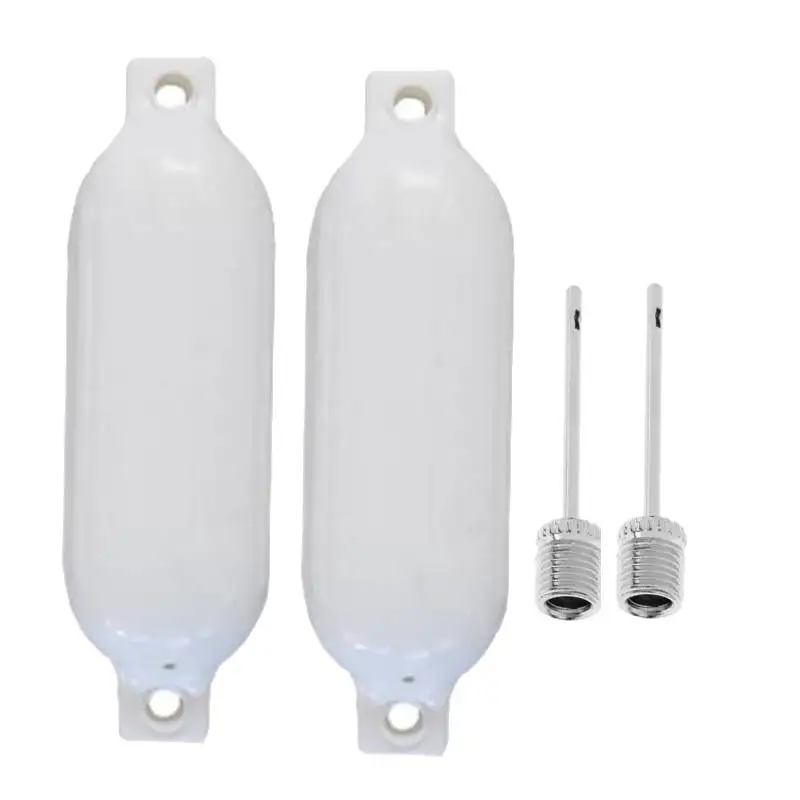
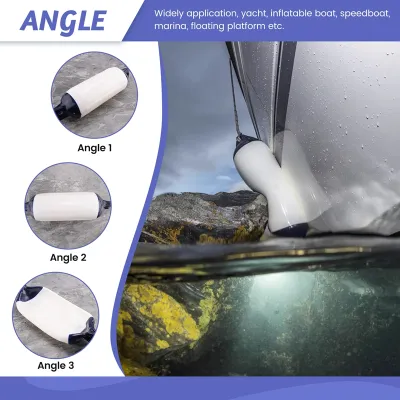
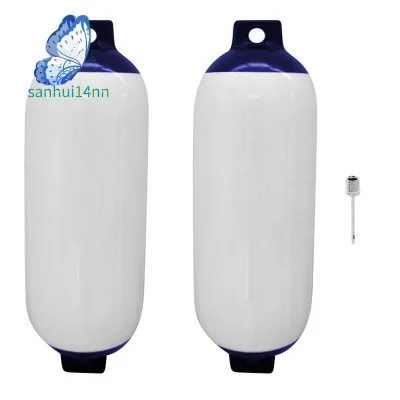
Prices are valid at publication and may change. Please refer to the product page for the latest price.
Adding any accessory to a kayak or SUP alters its aerodynamics and weight distribution. A poorly selected fender can catch the wind, act as a sail, or drag in the water, which significantly increases paddling fatigue. Therefore, the ideal fender for small watercraft must be lightweight, low-profile, and easily stowable, allowing you to maintain your vessel’s natural stability, tracking, and center of gravity.
Step 1: Assess Your Vessel Dimensions and Contact Points
Before purchasing any protective gear, you must understand the physical dimensions of your watercraft. The most critical measurement is your vessel’s freeboard, which is the vertical distance from the waterline to the lowest point of the deck or gunwale. Because kayaks and paddleboards sit very close to the water, your freeboard is often less than 30 centimetres. A fender with too large a diameter will sit partially submerged, creating immense drag, or will push up onto your deck, rendering it useless as a cushion.

Next, evaluate your gunwale thickness or rail profile. For sit-in touring kayaks, the cockpit rim and the seam where the deck meets the hull are primary contact points. For paddleboards, the entire lateral rail is vulnerable to side impacts. Measure these areas to ensure that any fender or rail guard you select can wrap around or rest flush against these surfaces without slipping off.
Identify the high-risk contact zones based on how you intend to use your watercraft. If you frequently raft up with other paddlers, your primary contact zones will be the widest points of your hull (the beam) where the two vessels rub together. If you launch from narrow concrete ramps or dock at high piers, your bow and stern are more likely to collide with vertical structures.
Finally, consider your paddling environment. Calm inland waters, such as the Marina Reservoir, require minimal, low-profile cushioning. In contrast, coastal areas prone to tidal currents, ferry wakes, or ocean swells demand thicker, highly shock-absorbent fenders that can handle rapid, repetitive impacts without shifting.
Step 2: Select the Appropriate Fender Style and Material
Fender Shapes and Profiles for Small Watercraft
To protect a low-freeboard craft without adding unnecessary bulk, you must look beyond traditional round designs. Slim cylindrical fenders, often called micro-fenders or utility fenders, offer a narrow profile that hangs close to the hull. These are ideal for touring kayaks because they protect the vertical side of the hull without forcing the kayak too far away from a low-profile floating dock.
Inflatable bumpers represent another excellent option for space-conscious paddlers. These lightweight bladders can be inflated quickly using a hand pump or oral valve right before docking, and then deflated and rolled up when you are back on open water. This eliminates the storage issues associated with solid, bulky gear on small decks.
For stand-up paddleboards and sit-on-top kayaks with very thin profiles, adhesive edge guards or foam rub rails are often the most practical solution. These lightweight foam strips adhere directly to the rails of your board, providing continuous, low-profile protection against light impacts without requiring any ropes, knots, or attachment hardware.
Material Choices for Sun and Saltwater Exposure
The material of your fender determines its weight, durability, and how well it protects your vessel’s finish. Marine-grade vinyl is highly durable and offers excellent shock absorption, but it can be heavy and prone to sticky surface degradation if left in the sun. Closed-cell foam and ethylene-vinyl acetate (EVA) foam are highly recommended alternatives for paddle craft. These materials are exceptionally lightweight, do not absorb water, and offer reliable cushioning even when compressed.
In tropical environments like Singapore, intense UV exposure and high humidity accelerate the breakdown of plastics and rubber. When selecting a boat fender, verify that the manufacturer specifies UV-resistant stabilizers in the material formulation. Non-UV-treated plastics will quickly become brittle, crack, and fade under the intense tropical sun, leading to premature failure during a critical docking maneuver.
Additionally, ensure that the fender is made from soft-touch, non-marking materials. Cheap, rigid plastics can leave dark streaks on your paddleboard’s gel coat or scratch the delicate outer skin of a composite kayak. Soft EVA foam or covered vinyl fenders prevent cosmetic damage while ensuring a quiet, rattle-free contact against both wooden docks and neighboring vessels.
Step 3: Determine the Best Attachment Method
Securing a boat fender to a kayak or paddleboard requires utilizing your vessel’s existing structural points. Unlike larger boats with robust metal cleats and stanchions, paddle craft rely on lightweight fittings. For kayaks, you can route thin marine lines or bungee cords through your existing deck lines, perimeter safety ropes, D-rings, or carry handles. Always ensure that the attachment point is structurally sound and not merely a cosmetic accessory.
For stand-up paddleboards, which often have completely smooth decks, suction cup mounts are a popular temporary attachment method. These mounts adhere firmly to smooth fiberglass or epoxy finishes, allowing you to position a fender exactly where you need it. However, suction cups have strict limitations: they can easily lose suction on textured decks, inflatable SUP surfaces, or when exposed to choppy water and salt spray. Always secure a secondary safety tether to a D-ring or leash plug to prevent losing the fender if the suction cup fails.
Tie-down straps, quick-release carabiners, and adjustable webbing straps offer the most secure and adjustable rigging setup. These systems allow you to quickly clip the fender onto a deck line and adjust its height with a simple pull-tab. This adjustability is crucial when transitioning between low floating docks and high concrete seawalls, as it allows you to raise or lower the fender in seconds.
Warning: Never drill new holes into your kayak’s hull or your paddleboard’s rails to install fender hardware unless you have consulted the manufacturer’s guidelines and are experienced in marine installations. Improper drilling can permanently compromise the structural integrity of your craft, void your warranty, and lead to water ingress. If modifications are absolutely necessary, always use marine-grade stainless steel hardware and apply a high-quality polyurethane marine sealant to ensure a completely watertight barrier.
Step 4: Install, Adjust, and Test on the Water
Proper installation ensures your fenders perform their job when you approach a dock. Begin by attaching your fender line to a secure deck fitting using a reliable knot, such as a clove hitch or a bowline, or a secure quick-release clip. Lower the fender over the side of your craft, positioning it so that the widest part of the fender rests directly against the point of contact on the dock.
A common mistake is letting the fender float freely in the water. If the fender is floating, it will easily slide up and over the gunwale when your craft presses against a dock, leaving your hull completely unprotected. Adjust the vertical height so that the fender hangs just above the waterline, resting firmly against your hull’s widest point.
Once the height is set, adjust the line tension to prevent the fender from swinging fore and aft. If you are using a single-eye fender, it may swing out of position as you paddle or drift. To prevent this, secure both the top and bottom of the fender if it features double eyes, or use a two-point rigging system to keep it locked flush against the hull side.
Before heading out on a long trip, perform a controlled docking test in a calm, shallow area. Gently paddle your kayak or SUP sideways against a dock or a friend’s vessel to verify that the fenders absorb the impact without slipping, twisting, or riding up. Check that the lines remain secure and do not interfere with your paddling stroke or your ability to exit the craft quickly in an emergency.
Common Rigging Mistakes and Safety Boundaries
One of the most dangerous mistakes a paddler can make is overloading their deck with heavy, oversized fenders. Kayaks and paddleboards rely on a low center of gravity for stability. Storing heavy, water-logged vinyl fenders high on your deck or hanging them off the side dramatically increases your risk of capsizing, especially in choppy coastal waters or strong winds. Keep your gear light and minimal.
Additionally, avoid using highly abrasive ropes or cheap, rust-prone metal hardware. Rough nylon ropes can act like sandpaper against a composite kayak’s gel coat or puncture the outer PVC layer of an inflatable paddleboard. Opt for soft, double-braided polyester lines or smooth webbing straps, and use marine-grade plastic or 316 stainless steel hardware to prevent rust and corrosion in saltwater environments.
Finally, always retrieve and stow your fenders before paddling into open water. Leaving fenders dangling over the side while paddling creates immense hydrodynamic drag, ruins your tracking, and can easily snag on submerged rocks, mangrove roots, or floating debris. A snagged fender at paddling speed can instantly pull your craft sideways and capsize you, turning a simple accessory into a serious safety hazard.
Frequently Asked Questions (FAQ)
Can I use a standard boat fender on an inflatable kayak?
Standard heavy vinyl boat fenders are not recommended for inflatable kayaks. The rigid, heavy edges of traditional fenders can rub against the soft PVC or drop-stitch fabric of an inflatable craft, causing severe abrasion and putting unnecessary stress on welded seams over time. Instead, opt for soft-sided foam bumpers, flat EVA foam pads, or low-pressure inflatable fenders specifically designed for inflatable watercraft, which distribute the impact forces over a wider, softer surface.
How do I store fenders when they are not in use on the water?
To keep your deck clear and safe while paddling, store your fenders securely. If you are using inflatable bumpers, deflate them completely and slide them into a dry bag or an internal storage hatch. For solid foam or slim cylindrical fenders, use your deck’s bungee rigging or a cargo net to secure them flat against the deck. Position them as close to the center line of your craft as possible to maintain balance and prevent them from catching the wind or snagging on low-hanging branches.
Community discussion
Share your experience or ask a question. Comments are reviewed before publication.