
Selecting the right hardware for your watercraft is a critical decision that directly impacts safety, functionality, and vessel longevity. When equipping a kayak or stand-up paddleboard (SUP) for coastal or inland paddling, the choice of hinge can mean the difference between a seamless day on the water and a structural failure miles from shore. To choose the right 316 stainless steel hinge, you must evaluate your specific watercraft application, match the hinge size and load capacity to the dynamic forces of your environment, select compatible marine-grade fasteners, and ensure the mounting surface can support the installation.
In tropical marine environments like Singapore’s coastal waters, high humidity, intense sunlight, and high salinity accelerate the degradation of standard metals. A failed hatch hinge or rudder pivot can lead to a lost compartment cover, water ingress, or a complete loss of steering control. While high-quality hardware is a vital component of your vessel, remember that equipment cannot replace proper safety training, navigational judgment, and regular pre-departure inspections.
Why 316 Stainless Steel is Essential for Watercraft Hardware
When browsing hardware options, you will frequently encounter two primary grades of stainless steel: 304 and 316. While both materials look nearly identical to the naked eye, their chemical compositions differ in a way that is critical for marine applications. Grade 304 stainless steel contains chromium and nickel, which provide excellent rust resistance in freshwater or dry indoor conditions. However, grade 316 stainless steel contains an additional 2% to 3% molybdenum. This specific alloying element significantly increases the metal’s resistance to localized pitting corrosion and crevice corrosion caused by chloride ions, which are abundant in saltwater and coastal air.
Products mentioned in this guide
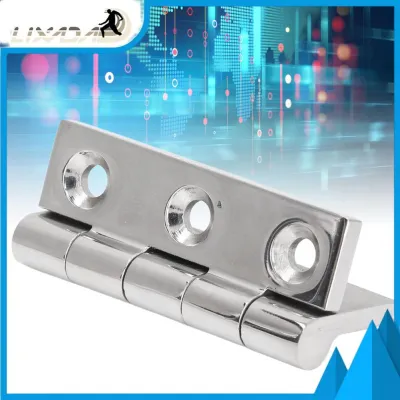
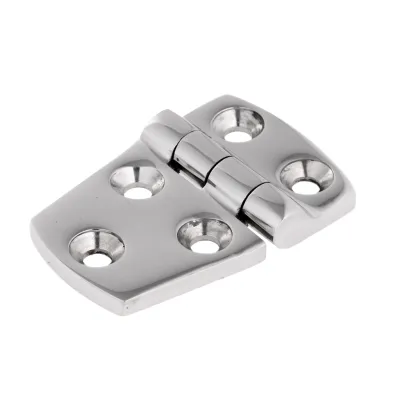
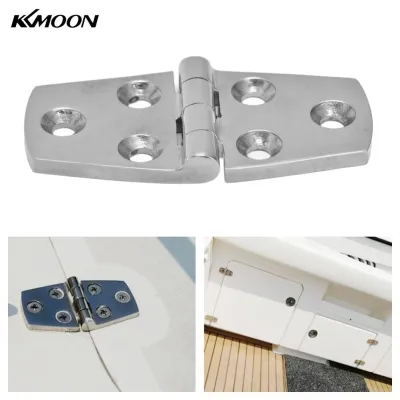
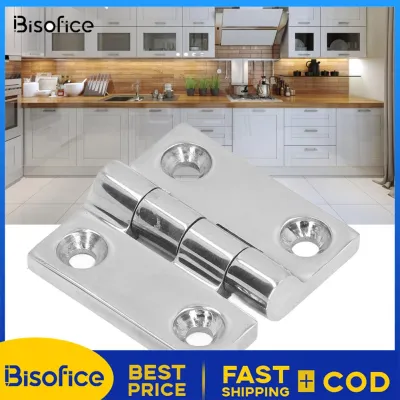
Prices are valid at publication and may change. Please refer to the product page for the latest price.
For kayaks and paddleboards, which are constantly exposed to saltwater spray, brackish estuaries, or high-humidity storage environments, using anything less than 316-grade hardware is a recipe for rapid deterioration. When non-marine metals corrode, they weaken structurally, potentially seizing up or snapping under load.
It is important to understand that “stainless” steel is not entirely stain-proof. Even high-grade 316 stainless steel can develop a superficial brownish discoloration known as “tea-staining” when exposed to salt crust, marine grime, and stagnant moisture. This aesthetic staining does not immediately compromise the structural integrity of the hinge, but it serves as an early warning sign. Regular rinsing with fresh water and periodic cleaning are still necessary to keep the protective chromium oxide layer intact and prevent deeper corrosion from taking hold over years of service.
Step 1: Assess Your Watercraft Application and Mounting Surface
Before purchasing a 316 stainless steel hinge, you must identify exactly where and how it will be used on your watercraft. Common applications on kayaks and paddleboards include rudder control mechanisms, dry hatch covers, deck rigging anchor points, and folding seat backrests. Each of these applications subjects the hinge to different angles of movement, load directions, and exposure levels. For instance, a rudder hinge must allow smooth horizontal pivoting under continuous steering tension, while a hatch hinge must support vertical lifting and remain flush to prevent snagging your paddle or safety gear.

Next, evaluate the material of your mounting surface. Most modern recreational and fishing kayaks are constructed from High-Density Polyethylene (HDPE) plastic, a durable but flexible material that does not hold screw threads as securely as rigid materials. Touring kayaks and performance paddleboards are often made of fiberglass, carbon fiber, or composite laminates, which are highly rigid but prone to cracking or delaminating if drilled incorrectly. Rigid, inflatable drop-stitch paddleboards present an entirely different challenge, requiring specialized glue-on accessory mounts rather than direct mechanical fastening to the air chamber.
The physical layout of your mounting area will dictate whether you need a continuous hinge or a compact joint hinge. Continuous hinges, also known as piano hinges, distribute weight and tension evenly along a long, straight edge, making them ideal for heavy hatch covers or custom storage box lids. Standard butt hinges, strap hinges, or drop-leaf hinges are better suited for small hatches, folding seats, or compact joints where space is limited and localized strength is required.
Step 2: Determine the Correct Hinge Size and Load Capacity
Selecting the correct physical dimensions for your 316 stainless steel hinge is crucial for maintaining the structural balance of your watercraft. To determine the required size, measure the length of the joint where the hinge will be installed, as well as the available leaf width on both the mounting surface and the moving part. The hinge leaves must be wide enough to accommodate the necessary fasteners without sitting too close to the edge of the mounting material, which could cause the plastic or composite to tear or split under tension.
Load capacity is another critical factor that you must not estimate based on visual appearance alone. A hinge on a watercraft must support more than just the static weight of a hatch cover or rudder. It must withstand significant dynamic forces, such as the impact of crashing waves, high wind resistance, the weight of a paddler leaning on a seat, or the sudden leverage applied if a hatch is forced open past its intended angle.
To ensure safety, always check the manufacturer’s rated load specifications for the specific hinge model you are considering. Look for hinges designed specifically for marine or heavy-duty outdoor use, and select a load rating that exceeds your estimated maximum dynamic force by a comfortable safety margin.
Pay close attention to the diameter of the hinge pin. The pin is the central pivot point and the most common failure location under shear stress. Thicker pins provide substantially higher resistance to bending and shearing, making them essential for high-stress applications like rudder assemblies or structural seat brackets. For light-duty hatch covers, a standard thin-pin hinge may suffice, but high-stress connections require robust, heavy-gauge pins.
Step 3: Select the Mounting Style and Marine-Grade Fasteners
Once you have determined the size and load requirements, you must choose between a surface mount and a flush or recessed mount. Surface mounting is the simplest method, as the hinge leaves sit directly on top of the deck or hatch surface. However, this leaves the hinge profile raised, which can catch on fishing lines, clothing, or paddle shafts. A flush or recessed mount requires cutting or molding a shallow depression into the mounting surface so the hinge sits level with the surrounding deck. This minimizes snag risks and creates a clean aesthetic, but it requires precise installation and is generally only feasible on thick composite or wooden decks.
The strength of your hinge installation is only as good as the fasteners holding it in place. You must use matching 316 stainless steel screws, bolts, nuts, and washers. Mixing different metal grades is a common mistake that leads to rapid failure. For example, using zinc-plated carbon steel or lower-grade stainless steel screws with a 316 stainless steel hinge will trigger galvanic corrosion, causing the fasteners to rust quickly and compromise the mount.
When mounting hardware to a hollow kayak hull or a composite paddleboard deck, water exclusion is paramount. Every screw hole is a potential leak path that can slowly fill your hull with water, reducing buoyancy and creating a severe safety hazard. Always apply a high-quality marine-grade sealant, such as a polyurethane-based adhesive sealant or a specialized marine silicone, around the threads of the fasteners and under the hinge leaves. This creates a watertight barrier that prevents water ingress while helping to damp vibrations during transport or paddling.
Step 4: Follow Safe Installation and Alignment Practices
Installing hardware on a watercraft requires precision and care to avoid damaging the hull or deck. Before drilling any holes, place the hinge in its exact desired position and secure it temporarily using low-tack painter’s tape or spring clamps. Double-check that the hinge pin aligns perfectly with the seam of the moving part, and manually test the range of motion to ensure the hatch or rudder moves freely without binding, scraping, or catching. Mark the screw hole centers precisely using a center punch or a fine-tip marker.
When pre-drilling the pilot holes, select a drill bit size that matches the root diameter of your screws (the solid shaft inside the threads). If you are drilling into HDPE plastic, drill slowly at a low speed to prevent the plastic from melting or tearing, and avoid over-tightening the screws, as plastic threads strip easily. If you are drilling into fiberglass or carbon fiber composites, place a piece of masking tape over the drill site to prevent the gelcoat from cracking, and run the drill bit backward for a few seconds to score the surface before drilling through.
Choose fasteners with the correct head shape for your hinge leaves. Most marine hinges feature countersunk holes, which require flat-head countersunk screws to sit flush with the metal surface. Using pan-head or round-head screws in a countersunk hole will prevent the hinge from closing fully and put uneven stress on the leaves, potentially warping the hardware.
Stop Condition: If you discover that your watercraft’s hull material is too thin to hold screw threads securely, or if drilling risks puncturing internal buoyancy foam, sealed air chambers, or structural reinforcement ribs, stop immediately. Do not proceed with the installation. Consult your watercraft manufacturer or a professional marine technician to determine if backing plates, well-nuts, or specialized expanding rivets are required to secure the hardware safely.
Step 5: Verify the Installation and Establish a Maintenance Routine
After the installation is complete and the marine sealant has fully cured according to the manufacturer’s instructions, perform a thorough operational check. Open and close the hinged component multiple times through its full range of motion. Listen for squeaks, feel for any resistance or binding, and verify that the gap between the moving parts remains uniform. If you notice any stiffness, check the alignment of the hinges; even a minor misalignment can place excessive stress on the fasteners and lead to premature failure.
Next, conduct a controlled water test in a shallow, safe environment before taking your watercraft out on a major excursion. Spray the installed area with a hose or submerge the section briefly, then inspect the interior of the hatch or hull for any signs of water droplets or dampness.
To maximize the lifespan of your 316 stainless steel hardware, establish a simple post-paddle maintenance routine. After every outing—especially in saltwater or brackish environments—rinse the hinges thoroughly with clean fresh water to wash away salt crystals and organic debris. Periodically inspect the hardware for superficial tea-staining, and clean it with a marine metal polish if necessary. If the hinge pin begins to squeak or feel stiff, apply a drop of dry-film marine lubricant to the pivot point, wiping away any excess to prevent it from attracting sand or grit.
Frequently Asked Questions (FAQ)
Can I use 304 stainless steel hinges for my paddleboard?
While you can use 304 stainless steel hinges if you only paddle in freshwater lakes and store your board in a dry, climate-controlled indoor space, it is not recommended for general water sports use. Grade 304 stainless steel lacks the molybdenum content found in grade 316, making it highly vulnerable to pitting and crevice corrosion when exposed to saltwater, brackish water, or coastal air. In Singapore’s humid marine environment, a 304 stainless steel hinge will quickly develop rust, which can seize the pivot pin or stain your paddleboard’s deck. For long-term reliability and safety, always choose 316 marine-grade stainless steel.
How do I prevent galvanic corrosion when mounting to a kayak?
Galvanic corrosion occurs when two dissimilar metals—such as stainless steel and aluminum or carbon fiber—come into contact in the presence of an electrolyte like saltwater, causing the less noble metal to corrode rapidly. If you must mount a 316 stainless steel hinge to an aluminum rudder bracket or directly onto a carbon fiber composite deck, you should isolate the metals. Place an insulating washer or gasket made of nylon, rubber, or marine-grade plastic between the hinge and the mounting surface. Additionally, ensure that all fasteners, nuts, and washers are made of the exact same 316 stainless steel grade to eliminate dissimilar metal contact within the fastening assembly itself.
Community discussion
Share your experience or ask a question. Comments are reviewed before publication.