
Finding the right pair of Arena goggles requires matching the design to your specific swimming frequency, performance goals, and the environment where you log your laps. Whether you are navigating a sunlit outdoor pool in Singapore or training under bright indoor lights, the right combination of frame profile and lens tint directly impacts your comfort and visibility. By understanding how Arena categorizes its eyewear, you can avoid common pitfalls like chronic leaking, eye strain, or painful pressure around your eye sockets.
Quick Guide to Matching Arena Goggles to Your Profile
To simplify your selection process, it helps to categorize your swimming habits into a distinct profile. Leisure and fitness swimmers generally prioritize long-term comfort and a wide field of view, making larger frames with soft gaskets the ideal choice. Regular fitness swimmers or club athletes who train multiple times a week require a balance of secure fit and durability to withstand high-velocity movements like flip turns and dive starts. Competitive racers, on the other hand, look for ultra-low-profile designs that minimize drag, even if it means sacrificing some cushioning around the eyes.
Your swimming environment also dictates your lens requirements. Indoor lap pools with consistent overhead lighting demand clear or lightly tinted lenses to maximize visibility. Conversely, outdoor pools or open-water venues require dark, mirrored, or polarized lenses to shield your eyes from intense sunlight and surface glare. Before making a purchase, always check the manufacturer’s packaging or official product descriptions to verify the intended use case, rather than assuming a sleek-looking goggle is automatically built for your specific level of training.
Products mentioned in this guide
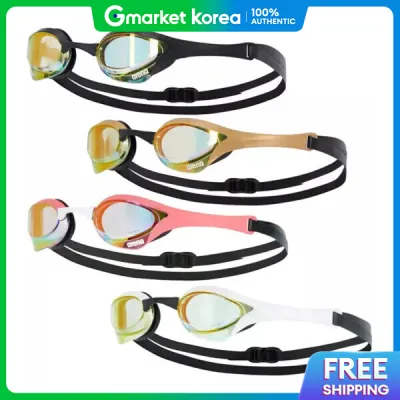
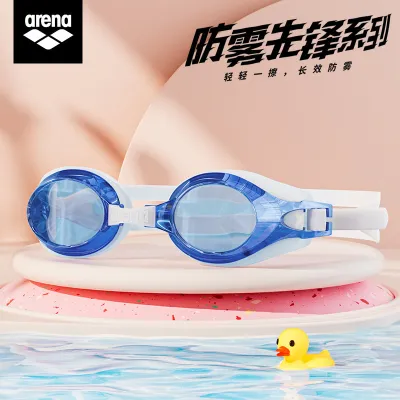
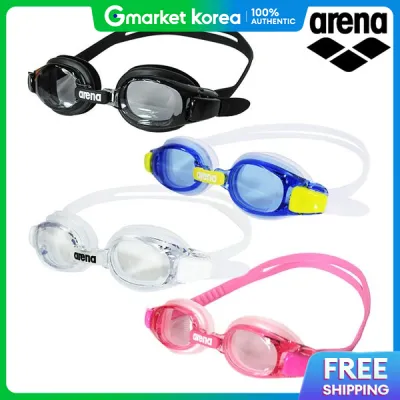
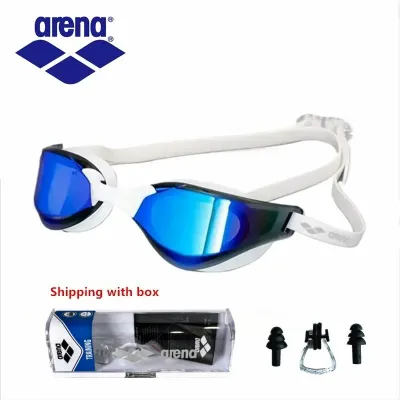
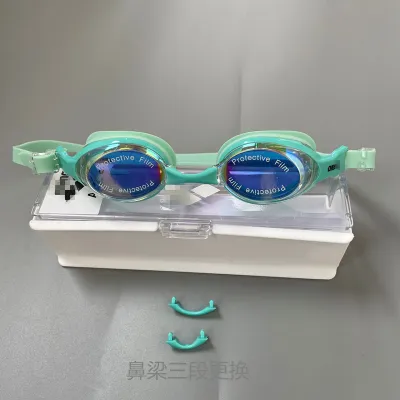
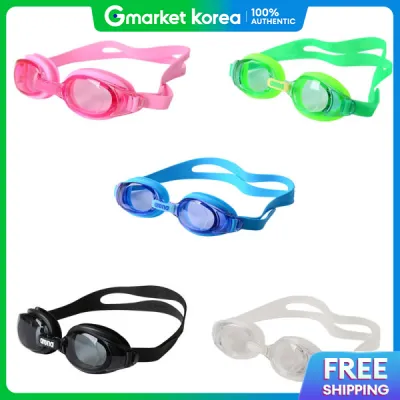
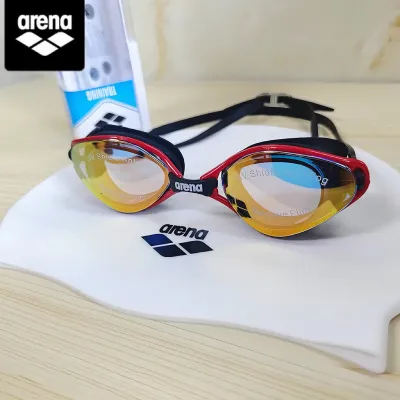
Prices are valid at publication and may change. Please refer to the product page for the latest price.
Selecting the Right Frame Style for Your Swimming Level
The frame geometry of your goggles determines how they sit on your face and how much water resistance they generate. For leisure and fitness swimmers, comfort is the paramount factor. These models typically feature larger, softer silicone gaskets that distribute pressure evenly across a wider surface area around the orbital bone. This design minimizes the marks left on your skin after a long session and provides a wider lateral field of vision, which is highly beneficial for navigating crowded public lanes or keeping track of surrounding swimmers.

For regular training sessions, you need a frame that bridges the gap between comfort and hydrodynamic stability. Training-specific goggles feature a moderately low profile that sits closer to the eye socket than leisure models. The gaskets are firmer to prevent the seal from buckling during rapid head rotations or forceful push-offs from the pool wall. This category is engineered to endure hours of weekly exposure to chlorinated water while maintaining a reliable, leak-free seal that does not require constant readjustment during your sets.
Competitive swimmers require specialized racing frames designed to minimize drag at high speeds. These frames are exceptionally low-profile, often featuring rigid structures or even gasket-less designs, traditionally known as Swedish-style goggles. While these models excel at reducing water resistance during starts and sprints, the lack of thick cushioning means they can feel uncomfortable during extended training sessions. When browsing, look closely at the product specifications on the box or online listing to confirm whether the manufacturer has categorized the model for “racing,” “training,” or “fitness,” as this classification dictates the frame’s stiffness and profile.
Choosing the Correct Lens Tint for Your Pool Environment
Selecting the appropriate lens tint is not an aesthetic choice; it is a functional requirement that directly affects your visual clarity and eye safety. Indoor swimming pools, which rely on fluorescent or LED overhead lighting, are best paired with clear, blue, or yellow lenses. Clear lenses offer unaltered light transmission, allowing you to see the pool lines and pace clocks clearly without dimming your surroundings. Light blue or yellow tints can help enhance contrast in indoor environments, making it easier to judge distances and spot other swimmers in your lane.
When transitioning to outdoor pools or open-water environments, such as swimming off East Coast Park, the lighting conditions change dramatically. Direct sunlight and reflections off the water’s surface create intense glare that can cause severe eye fatigue and temporary blindness. To combat this, opt for dark grey, mirrored, or polarized lenses. Mirrored coatings reflect light away from your eyes, significantly reducing brightness, while polarized lenses filter out horizontal glare from the water surface, providing superior clarity in open water.
It is critical to verify UV protection claims by reading the manufacturer’s specification sheet or packaging. A dark lens tint does not automatically guarantee protection against ultraviolet radiation; in fact, a dark lens without UV filters can cause your pupils to dilate, allowing more harmful rays to enter your eyes. If your swimming routine involves transitioning between indoor facilities and bright outdoor venues, look for photochromic lenses that automatically darken in response to sunlight, or consider keeping two dedicated pairs of goggles in your swim bag to handle different lighting conditions.
Evaluating Fit, Seals, and Strap Systems
A goggle’s ability to remain leak-free depends heavily on how well its components match your unique facial structure. The nose bridge is a critical point of adjustment. Many high-performance goggles come with multiple interchangeable nose bridges of varying lengths, allowing you to customize the distance between the eye cups to match the width of your nasal bridge. Other fitness-oriented models feature a self-adjusting, flexible nose bridge made of soft silicone that stretches to fit your face automatically. If the nose bridge is too wide or too narrow, the eye cups will not sit flat against your skin, leading to persistent leaks regardless of how tight you pull the strap.
The strap system plays a vital role in keeping the goggles secure during dynamic movements. Single-strap designs with simple rear tension clips are common on leisure models and are easy to adjust on the fly. However, for active training and racing, split-strap or dual-strap systems are highly recommended. A split strap divides into two sections at the back of your head, distributing tension more evenly and preventing the goggles from sliding down. Dual-strap systems allow you to position one strap high on the crown of your head and the other lower down, providing maximum stability during dive starts and aggressive flip turns.
Additionally, pay close attention to the seal material. High-quality liquid silicone gaskets are the industry standard, offering excellent flexibility, durability, and resistance to chlorine degradation. Some specialized models use foam gaskets, which can feel exceptionally soft but tend to degrade faster and hold moisture, requiring careful drying to maintain hygiene. If you have sensitive skin, verify that the gaskets are hypoallergenic and PVC-free. Remember that a proper seal is achieved through a correct anatomical fit, not strap tension; over-tightening the straps to stop a leak will only cause headaches, eye bruising, and premature wear on the strap mechanism.
Pre-Purchase Checks and the Suction Test
Before committing to a specific pair of goggles, performing a few simple checks can save you from the frustration of a poorly fitting purchase. The dry suction test is the most reliable way to evaluate fit without getting wet. To perform this test, press the goggle eye cups gently against your eye sockets without putting the strap over your head. If the goggles are a good match for your facial structure, they should create a light vacuum and stick to your face for a few seconds before releasing. If they fall off instantly, air is escaping through a gap in the seal, indicating that the frame shape or nose bridge width is incorrect for your face.
You should also inspect the packaging for instructions regarding the factory-applied anti-fog coating. This delicate chemical treatment prevents condensation from forming on the inside of the lenses. Never touch or wipe the inside of the lenses with your fingers, towels, or t-shirts, as this will instantly scratch or strip the anti-fog layer. When purchasing online through ecommerce platforms, review the seller’s return policy carefully, as many retailers restrict returns on swimwear and goggles once the packaging is opened due to hygiene regulations. If possible, visit a physical sports store to try on display models to confirm your size before buying.
Finally, establish a routine to monitor the condition of your gear. Over time, exposure to chlorine, salt water, sunscreen, and UV rays will inevitably degrade the silicone seals and straps. If you notice the gaskets becoming stiff, sticky, or showing fine cracks, or if you experience persistent leaking that cannot be resolved by adjusting the nose bridge, it is time to replace your goggles. Keeping a backup pair in your gear bag ensures that a sudden strap snap or seal failure does not ruin your training session.
Frequently Asked Questions (FAQ)
How do I prevent my Arena goggles from fogging up?
To maintain the anti-fog properties of your goggles, rinse the inside of the lenses with clean pool water immediately before putting them on for your swim. This helps activate the factory-applied hydrophilic coating. Avoid touching, wiping, or rubbing the inner lens surface with your fingers, towels, or any abrasive materials, as this will permanently damage the treatment. After your swim, rinse the goggles in cold, non-chlorinated tap water and allow them to air dry completely in a shaded area before storing them in a protective case. If the original coating wears off over time, consult the manufacturer’s guidelines to select an approved anti-fog spray or gel to safely restore visibility.
Can I use indoor clear goggles for outdoor swimming?
Using clear goggles in bright outdoor environments is not recommended due to the risk of severe glare and eye strain. Clear lenses allow maximum light transmission, which can leave your eyes unprotected against intense sunlight and reflections off the water surface, leading to squinting and reduced visibility. Before using any goggles outdoors, always check the product label or packaging to verify that they offer certified UV protection. For outdoor pools or open-water swimming, it is highly recommended to use dedicated dark, mirrored, or polarized lenses to filter out harsh glare, protect your vision, and ensure you can safely spot lane markers or open-water buoys.

Community discussion
Share your experience or ask a question. Comments are reviewed before publication.