
Choosing the right basketball shoes is a critical decision that directly impacts your performance, comfort, and safety on the court. Rather than selecting a pair based solely on aesthetic appeal or brand hype, you must evaluate how a shoe aligns with your physical dimensions, movement patterns, and playing style. The physical demands of basketball—rapid acceleration, sudden deceleration, lateral cutting, and high-impact jumping—place immense stress on your feet, ankles, and knees. By matching specific footwear technologies to your position and on-court habits, you can optimize your traction, stability, and cushioning while minimizing the risk of common lower-limb injuries.
Every player possesses a unique combination of physical traits and movement tendencies that require specific shoe characteristics. A lightweight guard who relies on quick crossovers needs a completely different setup than a physical center who spends the game battling for rebounds in the paint. Understanding these differences allows you to filter through the vast array of options available in retail stores and online marketplaces, ensuring your investment supports your game. This guide breaks down the essential factors of basketball shoe selection, providing a structured framework to help you find the ideal pair for your specific needs.
Identify Your Position and Movement Demands
To select the most effective basketball shoes, you must first analyze the physical demands of your primary position and how you move on the court. Basketball positions are traditionally divided into guards, forwards, and centers, each requiring distinct physical actions that place unique stresses on your footwear.
Products mentioned in this guide
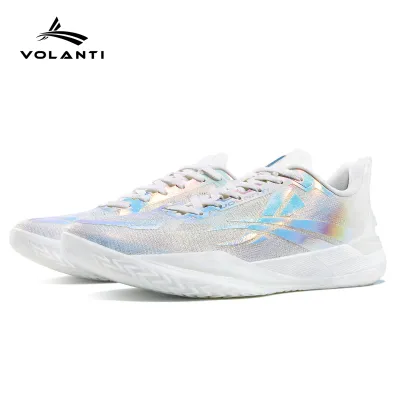
Prices are valid at publication and may change. Please refer to the product page for the latest price.
Guards, including point guards and shooting guards, rely heavily on speed, agility, and rapid changes of direction. If you play this role, your movements consist of constant perimeter driving, lateral defensive sliding, and sudden pull-up jumpers. These actions require a shoe that offers excellent court feel, meaning a lower-profile midsole that keeps your foot close to the ground. This design maximizes responsiveness, allowing you to transfer energy instantly during a quick first step or a sharp crossover. Heavy, overly cushioned shoes can create a lag in your response time and reduce your stability during high-speed lateral cuts.
Forwards, or wing players, occupy a versatile space on the court, bridging the gap between perimeter speed and interior physicality. If you are a forward, your game likely combines driving to the basket, slashing through the lane, rebounding, and occasional mid-post play. Your footwear must offer a balanced mix of attributes. You need enough cushioning to absorb the impact of repeated jumps and drives, yet sufficient responsiveness and lateral containment to support perimeter defense and quick cuts. Versatility is key, as your shoes must handle both high-velocity transitions and physical contact near the rim.
Centers and physical power forwards operate primarily in the low post, where physical contact, vertical jumping, and heavy landings are constant. If you play this interior role, your body weight and the sheer force of your landings demand maximum impact protection. Your shoes require robust cushioning systems, often featuring thicker midsole foams or specialized air and gel inserts designed to disperse high forces. Additionally, the intense pivoting, boxing out, and physical shoving in the paint require exceptional upper containment and a wide, stable outsole base to prevent your foot from rolling or sliding off the footbed.
Match Shoe Features to Your Playing Style
Once you understand your positional demands, you can evaluate how specific shoe components align with your individual playing style. Basketball shoes are engineered with distinct variations in cushioning, traction, and upper construction, each serving a specific functional purpose.

Cushioning setups generally exist on a spectrum between court feel and impact protection. Responsive, low-profile cushioning systems utilize firmer, high-rebound foams that compress minimally, keeping your foot stable and close to the hardwood. This setup is ideal for quick, perimeter-based players who prioritize speed and agility. Conversely, maximum impact cushioning utilizes softer, thicker foams or pressurized air units that absorb the shock of heavy landings. While this protects your joints during repeated vertical jumps, it inherently reduces court feel and can feel slightly sluggish to lighter, faster players.
Traction is the foundation of all basketball movements, and the right outsole pattern depends on where and how you play. Multi-directional traction patterns, such as herringbone or organic radial designs, offer consistent grip during multidirectional cuts and sudden stops. The rubber compound itself also matters; softer rubber provides exceptional grip on clean indoor hardwood but wears down rapidly on abrasive outdoor surfaces. If you play primarily on outdoor concrete or asphalt, you must look for outsoles made of harder, highly durable rubber compounds with deeper, wider grooves that resist wear and do not trap dust easily.
Upper materials and containment systems dictate how securely your foot is held inside the shoe during aggressive movements. Modern basketball shoes utilize a variety of materials, from lightweight engineered knits and meshes to structured synthetic leathers and TPU overlays. Knit uppers offer excellent breathability, flexibility, and a sock-like fit, making them highly comfortable for high-mileage players who run constantly. However, if your style involves heavy lateral cutting or physical post play, you require structured uppers with reinforced side panels, internal heel counters, and midfoot strap systems to prevent lateral foot spill and ensure complete lockdown.
Use a Position-Based Selection Matrix
To streamline your decision-making process, you can utilize a structured selection matrix that aligns your primary playing style with the most critical shoe attributes. This matrix serves as a starting point to filter out categories that do not support your physical demands.
| Playing Style / Position | Primary Cushioning Focus | Weight Preference | Lateral Support Needs | Outsole Traction Priority |
|---|---|---|---|---|
| Speed Guard (Playmakers, Slashers) | Low-profile, responsive court feel | Lightweight to ultra-lightweight | Moderate (requires high ankle mobility) | High multi-directional grip, thin grooves |
| Versatile Wing (Forwards, Swingmen) | Balanced responsiveness and impact protection | Medium weight | High (requires strong lateral containment) | Consistent multi-directional grip |
| Physical Big (Centers, Power Forwards) | Maximum impact absorption and shock dispersion | Heavy, highly structured | Extreme (requires wide base and rigid heel counter) | Durable, wide-grooved traction pattern |
By identifying where your game fits within this matrix, you can narrow your search to shoes engineered specifically for those performance priorities. For example, a heavy center should avoid ultra-lightweight, minimalist guard shoes that lack the structural integrity and impact protection required for low-post play, even if those shoes are highly popular or visually appealing.
Factor in Fit, Biomechanics, and Injury History
While positional demands and shoe features provide a solid framework, your individual foot anatomy, biomechanics, and injury history must guide your final choice. A shoe that matches your position perfectly on paper will still perform poorly if it does not fit your foot shape or support your physical needs.
Foot volume and arch structure vary significantly from player to player. If you have wide feet or a high instep, standard-width shoes may cause severe pinching, numbness, or blisters. You should seek out manufacturers that offer dedicated wide-width options or look for shoes with wider toe boxes and adjustable lacing systems. Additionally, players with flat feet or low arches require robust midfoot support, typically provided by a rigid TPU or carbon fiber shank embedded in the midsole, to prevent excessive pronation and plantar fasciitis.
Ankle support is a widely misunderstood aspect of basketball footwear. Biomechanical research indicates that high-top shoes do not inherently prevent ankle sprains; instead, ankle stability is primarily driven by heel lockdown, lateral outriggers (flared sections of the outsole), and your own lower-body strength and proprioception. A low-top shoe with an exceptional heel counter and a wide, stable base can offer superior lateral stability compared to a floppy high-top shoe. If you have a history of chronic ankle sprains, you should focus on shoes that lock your heel firmly in place without any slippage, and consider using external supportive devices like athletic tape or rigid ankle braces under the guidance of a sports medicine professional.
When trying on shoes, always perform a series of simulated basketball movements to verify the fit. Ensure there is roughly a thumbnail’s width of space between your longest toe and the end of the shoe to prevent toe bruising during hard stops. Tie the laces securely and walk, jog, and perform lateral slides; if you feel your heel lifting out of the cup or your foot sliding forward inside the toe box, the shoe is either the wrong size or lacks the necessary lockdown for safe play.
Build Your Shortlist and Verify Before Buying
Before finalizing your purchase from a retail store or an online marketplace, you must execute a systematic verification process to ensure the shoes will perform reliably on your specific courts.
Start by carefully reading the product specifications and labels. Manufacturers often specify whether a shoe is designed primarily for indoor use or if it features a durable rubber compound optimized for outdoor play. If you play in Singapore, where outdoor concrete courts are highly common alongside indoor sports halls, selecting a shoe with an outdoor-specific outsole is crucial for longevity. Avoid relying solely on marketing buzzwords; instead, physically inspect the outsole to verify that the rubber feels firm to the touch and the traction grooves are deep and thick.
If you are purchasing in a physical retail store, perform a safe testing protocol on a clean section of the floor. Wipe the dust off the outsoles and perform a few quick lateral stops and vertical jumps. Listen for a clean squeak, which indicates good rubber contact, and pay close attention to whether your foot shifts inside the shoe during sudden stops. If you are purchasing from an online marketplace, always verify that the seller is an authorized retailer to avoid counterfeit products, and carefully review the return policy. Ensure the policy allows you to return the shoes if they do not fit correctly after being tried on indoors on a clean surface.
Frequently Asked Questions (FAQ)
Do high-top basketball shoes actually prevent ankle sprains?
High-top shoes do not guarantee protection against ankle sprains, as collar height alone cannot resist the extreme forces of an inversion injury. True ankle stability comes from a secure heel lockdown, a wide outsole base with a lateral outrigger, and strong lower-limb muscles. Players seeking to prevent sprains should focus on heel containment and proprioceptive training, or consult a sports medicine professional for custom bracing and taping solutions.
How do I choose the right outsole for outdoor concrete courts?
To withstand highly abrasive outdoor concrete, you must choose shoes with outsoles made of hard, dense rubber compounds rather than soft, pliable rubber. Look for deep, thick traction grooves with wide spacing, as thin and tightly packed patterns wear down quickly and trap dirt, leading to a rapid loss of grip. Many brands offer specific outdoor versions of their popular models, which feature highly durable rubber formulations designed specifically for asphalt and concrete.
When is it time to replace my basketball shoes?
You should replace your basketball shoes when you observe significant degradation in cushioning, traction, or structural support. Key indicators include visible creasing or flattening of the midsole foam that no longer rebounds after compression, balding or smoothed-out areas on the outsole traction pattern, and stretched-out or torn upper materials that allow your foot to slide inside the shoe. Continuing to play in worn-out shoes significantly increases your risk of slips, joint pain, and acute injuries.
Community discussion
Share your experience or ask a question. Comments are reviewed before publication.